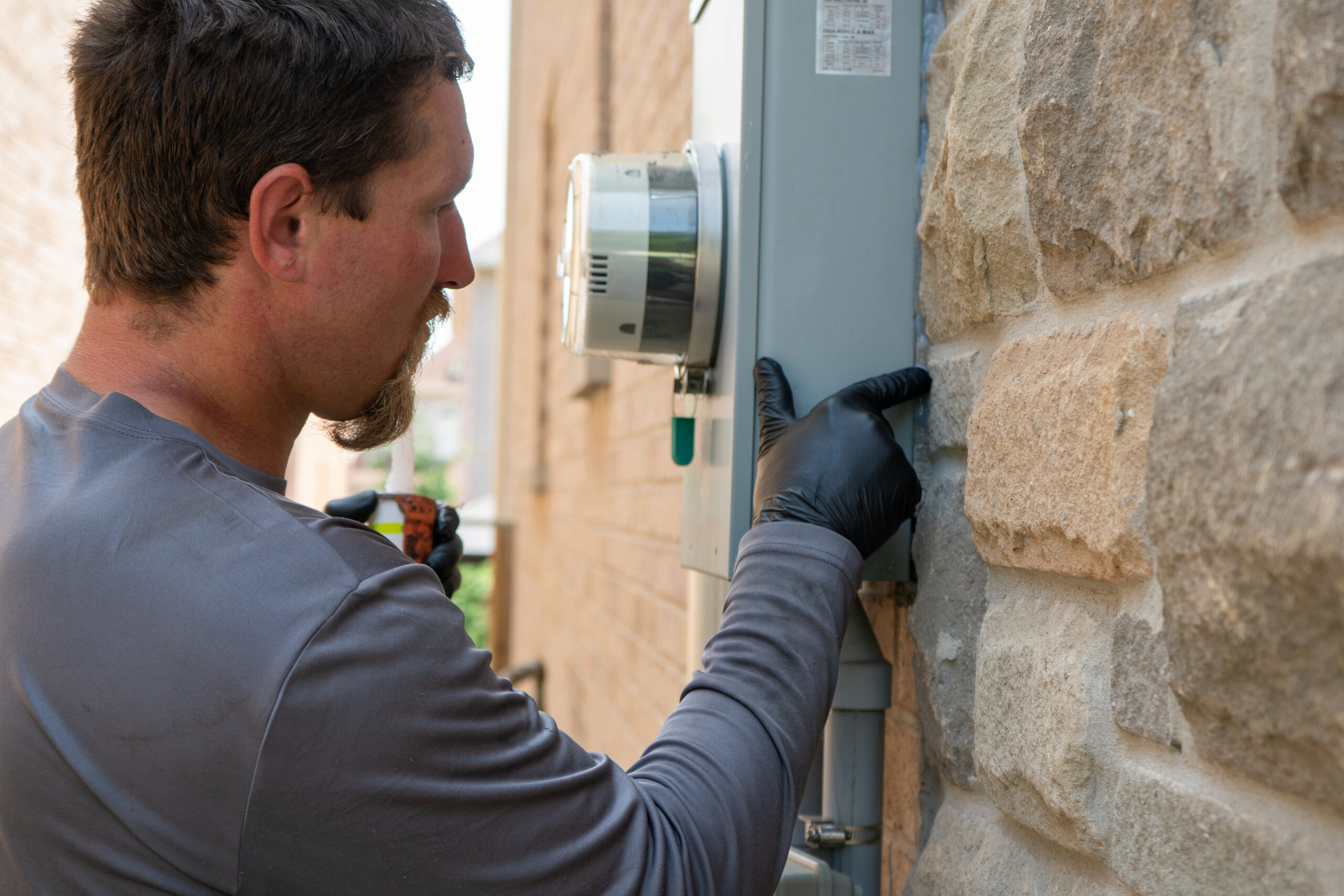
Mice keep coming back because DIY fixes only address what you can see—not the hidden entry points, nesting areas, and ongoing access routes. Without sealing every gap and removing the entire infestation, mice will return quickly, especially in dense urban areas like Toronto.
When DIY mouse control fails, it’s usually because entry points aren’t sealed and nesting sites remain active. Mice can squeeze through tiny openings and reproduce quickly. Long-term solutions require identifying all access points, removing the entire population, and preventing re-entry, something best handled by professional, humane wildlife control experts like Skedaddle.
How Do Mice Get Into A House?
Mice are incredibly resourceful, and in Toronto, they don’t have to try very hard. Older homes in areas like The Annex or Riverdale often have small structural gaps, while newer builds in Liberty Village or North York still develop vulnerabilities over time. Rodent sightings in the GTA (including mice) have increased by over 30% in the past five years, according to municipal inspection data and Health Canada reports, so it is important to understand how they can enter homes.

Quick tip: If you can fit a pencil into a gap, a mouse can likely get through it.
Why DIY Fixes Don’t Solve The Problem
Many homeowners try to tackle mice on their own first. It makes sense—you want a fast, affordable solution. But here’s the reality we see every day at Skedaddle: DIY methods almost always miss the root of the problem.
Common DIY approaches include:
- Sealing visible holes only
- Using store-bought deterrents
- Cleaning up droppings without addressing nests
- Ignoring attic or wall activity
- Treating the issue as a one-time problem
The issue isn’t effort—it’s visibility. Mice live inside walls, insulation, and hidden voids. You’re only seeing a fraction of what’s actually happening.
And here’s the kicker: mice reproduce fast. A single pair can lead to dozens in a matter of weeks.
The Hidden Reasons Mice Keep Coming Back
If you’ve ever thought, “I already dealt with this—why are they back again?” you’re not alone. This is one of the most common frustrations we hear from homeowners across Toronto. The truth is, mice don’t return randomly. There’s always a reason—and usually more than one.
In a busy urban environment like Toronto, mice are constantly on the move. Neighbourhoods like Parkdale, Danforth, and even quieter pockets in North York offer endless food sources, shelter options, and interconnected structures. Once your home has been identified as a safe, warm place, it can stay on their radar unless it’s fully secured.
Here are the most common hidden reasons mice keep coming back:
- Unsealed secondary entry points
Most DIY fixes focus on the obvious hole—but mice rarely rely on just one way in. We often find 3–5 additional gaps during inspections that homeowners didn’t notice. - Scent trails and nesting memory
Mice leave behind scent markers that guide them (and others) back to the same location. Even after they’re gone, these invisible trails can attract new activity. - Nearby infestations
In semi-detached homes, townhouses, or condos, mice can travel between units through shared walls and ceilings. Even if you fix your space, nearby activity can lead to re-entry if everything isn’t sealed. - Accessible food sources
Small things matter—crumbs under appliances, pet food left out overnight, or unsealed pantry items can all encourage mice to return. - Seasonal pressure
Toronto winters drive mice indoors. As temperatures drop, they actively seek warmth and will push harder to get into homes they’ve accessed before. - Incomplete removal
If even a few mice remain behind walls or in insulation, the population can rebuild quickly. What seems like a “new” problem is often a continuation of the original one. - Structural wear over time
Homes naturally shift and age. A sealed gap from last year might reopen slightly, creating just enough space for mice to squeeze through again.
One thing we always tell homeowners: mice are persistent, but they’re also predictable. If they’re coming back, it’s because something is still inviting them in. The key isn’t just reacting to the problem, it’s removing every reason they have to return.
That’s why a full-home approach matters. When we address all entry points, remove nesting areas, and eliminate attractants, we’re not just solving today’s issue—we’re preventing the next one before it starts.
What Our Toronto Wildlife Experts See Every Day
At Skedaddle, we’ve worked across Toronto for decades, and patterns are clear.
In older neighbourhoods like Leslieville, we often find mice entering through aging brick and foundation cracks. In North York, it’s more about garage and roofline access. Downtown condos near Queen West deal with shared walls, meaning mice can travel between units.
And mice aren’t the only wildlife we handle. The city is full of:
- Raccoons nesting in attics near High Park
- Skunks burrowing under decks in East York
- Squirrels entering rooflines in Midtown
- Bats roosting in older buildings near the waterfront
- Birds nesting in vents across the city
- Rats in alleyways and commercial zones
We’ve even seen similar challenges in cities like Montreal, especially around Plateau Mont-Royal, where dense housing creates perfect conditions for recurring wildlife issues.
What Happens When Mice Are Left Untreated
When mice aren’t fully removed, the problem grows quietly—and quickly.
Mice chew constantly, which means:
- Electrical wiring damage (a serious fire risk)
- Insulation contamination
- Structural wear over time
- Food contamination in kitchens and storage areas
They also leave behind droppings and urine, which can affect indoor air quality.
This isn’t just an inconvenience—it becomes a health and safety issue.
Our Humane Approach To Removing Mice
At Skedaddle, we approach mouse removal with one clear goal: solve the problem completely while treating wildlife responsibly. That means no shortcuts, no temporary fixes, and no guesswork. In a city like Toronto—where homes are tightly packed and wildlife pressure is constant—anything less simply doesn’t hold up.
What makes our approach different is that we don’t just focus on the mice you see. We focus on the entire system: how they got in, where they’re living, and why they chose your home in the first place.
It starts with a detailed inspection of your property. Our technicians check everything—foundation lines, roof edges, vents, utility entry points, and even the smallest structural gaps. We’re trained to spot signs most people would miss, like faint rub marks, nesting materials tucked into insulation, or airflow patterns that hint at hidden openings. This step is critical because even one missed entry point can undo everything else.
Once we understand the full picture, we move into humane removal using one-way doors. These specially designed devices allow mice to leave your home safely but prevent them from getting back inside. It’s a simple concept, but incredibly effective when installed correctly and paired with proper sealing. The key is timing and placement—something our team has refined through years of hands-on experience across local neighbourhoods.
While the mice are exiting, we begin the next step: securing your home against re-entry. This is where many DIY efforts fall short. We don’t just patch obvious holes—we reinforce vulnerable areas using durable materials designed to withstand weather, wear, and persistent wildlife. Whether it’s a gap along a soffit in East York or a foundation crack in Scarborough, we make sure it’s properly sealed for the long term.
Another important part of our process is clean-up and restoration. Mice leave behind more than just an unpleasant presence. Their nesting materials, droppings, and urine can contaminate insulation and affect air quality. Our team carefully removes affected materials and restores the space so your home is clean, safe, and comfortable again.
What really gives homeowners peace of mind is our lifetime guarantee. If mice or other wildlife manage to get back in through an area we’ve secured, we’ll come back and make it right. It’s our way of standing behind the work we do and ensuring you’re protected well into the future.
This approach isn’t just about removing mice—it’s about giving you back control of your home. When the job is done properly, you don’t have to keep checking for signs, resetting traps, or wondering if the problem will return. You can simply move on with your day, knowing your home is secure.
And in a busy city like Toronto, that kind of peace of mind goes a long way.
You can learn more about this here:
https://www.skedaddlewildlife.com/wildlife-control-lifetime-guarantee/
Watch The Video: What Recurring Mouse Problems Really Look Like
The video we’ve paired with this blog shows exactly what many homeowners experience—mice that seem to disappear, then suddenly return.
What stands out in the video is how deceptive these situations can be. You might think the problem is gone, but activity resumes because entry points weren’t fully addressed.
This is something we see across Toronto every week.
The video highlights:
- How subtle mouse activity can be
- Why temporary fixes don’t last
- The importance of full-home solutions
If your situation looks similar, it’s a strong sign that the issue needs a professional approach.
Wildlife Activity In Toronto: A Quick Look
Here’s a simple breakdown of common wildlife issues we handle across the city:
| Wildlife Type | Common Entry Points | Typical Toronto Locations | Risk Level |
|---|---|---|---|
| Mice | Foundation gaps, vents | Downtown, North York | High |
| Rats | Sewer lines, basements | Commercial zones, alleys | High |
| Raccoons | Roofs, soffits | High Park, Etobicoke | High |
| Squirrels | Roof edges, attics | Midtown, East York | Medium |
| Skunks | Under decks, sheds | Scarborough, suburbs | Medium |
| Bats | Roof gaps, vents | Older homes, waterfront | Medium |
| Birds | Vents, chimneys | City-wide | Low–Medium |
This chart reflects what we encounter daily—it’s not rare. It’s part of living in a vibrant, growing city.
When To Call Skedaddle (And Skip DIY)
If you’re noticing any of the following, it’s time to bring in professionals:
- Scratching sounds in walls or ceilings
- Droppings in kitchens or storage areas
- Repeated sightings after “fixing” the issue
- Unexplained damage or insulation issues
- Activity in attics or crawl spaces
Simple steps to get help:
- Visit: https://www.skedaddlewildlife.com/location/toronto/
- Request an inspection
- Our team will assess and create a plan
- We handle the rest—safely and humanely
Trying to manage wildlife yourself can be risky. Beyond effectiveness, there are health concerns and safety risks involved.
Keep Your Home And Family Safe With Skedaddle
Recurring mouse problems aren’t just frustrating—they’re a sign that something deeper hasn’t been addressed. Toronto homes, whether historic or modern, all have vulnerabilities, and mice are experts at finding them.
The good news is you don’t have to keep guessing or repeating the same fixes.
Our team at Skedaddle Humane Wildlife Control in Toronto is here to help you solve the problem completely, using proven, humane methods that protect your home long-term. With our one-way doors, full prevention strategy, and lifetime guarantee, you can finally stop worrying about mice coming back.
If you’re dealing with wildlife—or want to prevent it before it starts—explore more of our blog content or reach out to our team today.
Common FAQs About DIY Mouse Removal
FAQ: Why do mice keep coming back after DIY removal?
DIY wildlife removal often misses hidden entry points and nesting areas. Mice can reproduce quickly, so even a small remaining population can restart the problem. Professional wildlife control in Toronto ensures complete removal and prevention.
FAQ: Is humane mouse removal really effective?
Yes, humane wildlife removal using one-way doors is highly effective. It allows mice to leave safely while preventing re-entry. Combined with proper sealing, it provides a long-term solution without harmful methods.
FAQ: How quickly should I act if I see mice in my home?
Immediately. Mice reproduce rapidly and can cause damage within weeks. The sooner you contact a Toronto wildlife removal expert, the easier it is to control the problem and prevent larger infestations.

 Loading...







