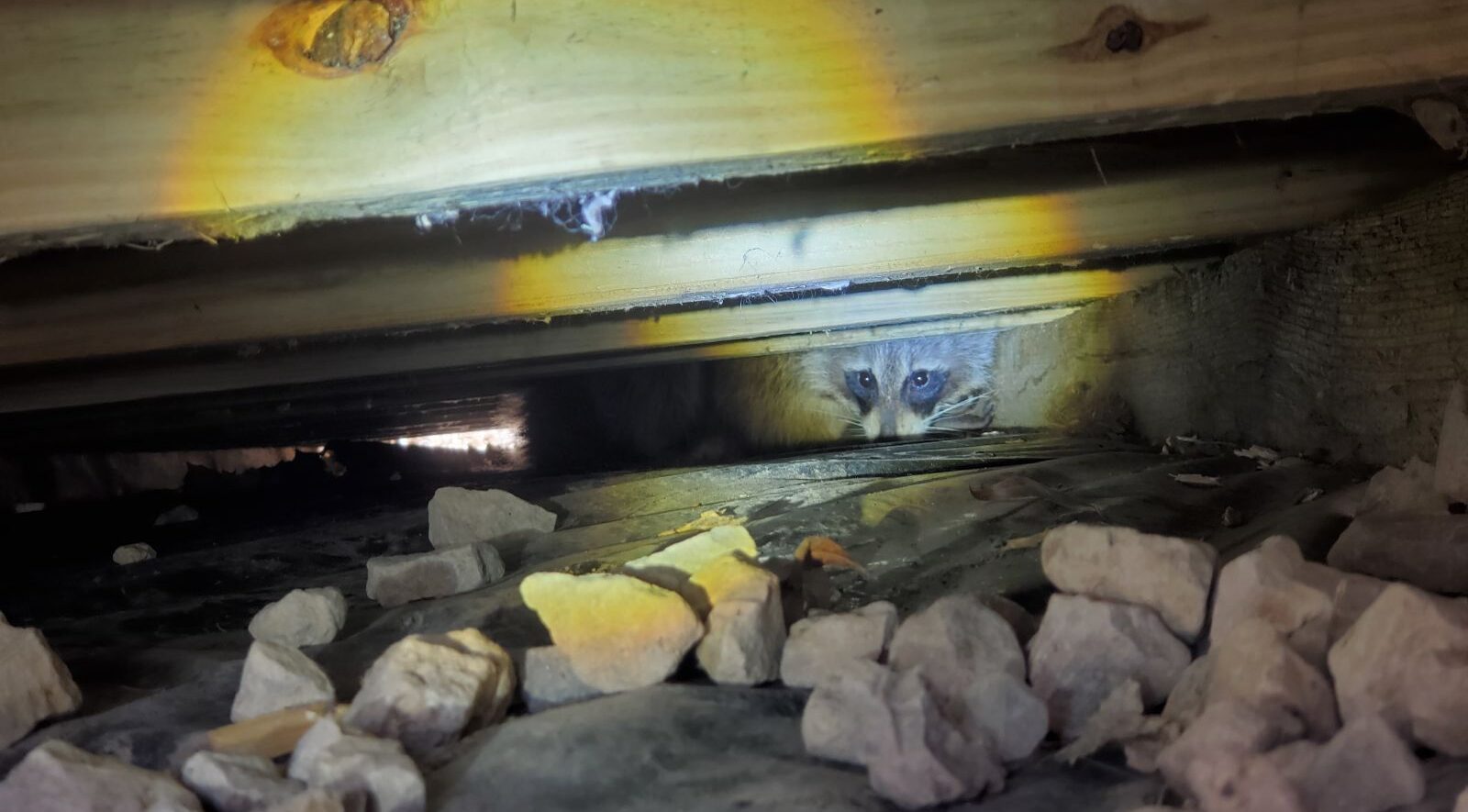
Could your deck be the reason wildlife is getting into your home? Yes, it absolutely can be. Your deck provides a dark, safe, and quiet space that animals love to use. Once they move under the floorboards, it is often only a matter of time before they find a way inside your house.
You might not even realize they are there at first. You might just hear a few strange noises at night while you are trying to sleep. But soon, those sounds can move from the outside of your house right into your walls.
In this blog, we will explain exactly why animals love your porch and how they use it as a bridge to enter your living spaces. You will also learn where specific animals like raccoons hide once they get inside your home.
At Skedaddle Humane Wildlife Control in Delaware, we see this happen all the time. Our team knows exactly how to handle these situations without you having to lift a finger.
What Does It Mean When Animals Are Drawn to Your House?
When animals are drawn to your house, it means your property is offering them three basic things: food, water, and shelter. You might have exposed garbage cans, a bird feeder, or an open space under your porch. Animals see these things as a welcome sign.
You might think your yard is completely secure from outside visitors. However, animals are excellent at finding tiny gaps or weak spots around your foundation. They do not want to cause trouble for you; they just want a safe place to raise their babies.
If you notice more animals hanging around your yard, it is a clear sign that your property is providing easy access to resources. You must take action to secure your home before they decide to move in for good. Our professional team can help you identify these hidden attractors.
Why Animals Are Attracted to Your Deck
Your deck can seem like the perfect spot for animals to settle in. It offers shelter from bad weather and can feel safe from predators. Understanding what attracts animals to your deck can help you take steps to protect your home and keep these critters out.
- Protection From the Weather: You know how harsh the weather can get during different seasons. Animals feel the cold, wind, and rain just like we do. Your deck provides a completely dry and warm space where they can easily escape the elements. You will often find them curled up in the driest corner they can find.
- Safety From Predators: You will find that animals always want to stay hidden from bigger threats. The dark space under your floorboards keeps them completely out of sight. They can sleep safely without worrying about being hunted by larger creatures. You are essentially providing them with a secure fortress.
- A Quiet Place for Babies: You will often find mothers seeking out these quiet spots in the early spring. They need a secure and hidden area to give birth and nurse their young. Your porch offers the perfect, undisturbed nursery for them to use. You might not even know a whole family is living right beneath your feet.
How Animals Move From the Deck Into Your Home
Once animals are living under your deck, they will naturally start exploring the area. You will be surprised at how easily they can transition from the yard into your house.
- Chewing Through Weak Wood: You might have some older wood around the base of your home. Animals have very strong teeth and claws that can easily tear through soft or rotting wood. Once they make a small hole, they will keep pushing until they get inside. You will soon have a permanent entry point leading straight into your basement.
- Squeezing Through Foundation Cracks: You may not notice tiny cracks in your foundation, but animals certainly do. Mice and other small creatures can squeeze through gaps no wider than a dime. They follow the warm air escaping from your house straight into your living space. You cannot easily see these hidden cracks without a professional inspection.
- Following Pipes and Vents: You probably have pipes and vents running under your floorboards. Animals use these features as highways to travel deeper into your property. They can easily push past loose vent covers to access your walls and flooring. You will often hear them moving around inside these spaces at night.

Where Do Raccoons Go When They Get Into a House?
Raccoons are very clever animals that can squeeze into small spaces and make themselves at home in your house. Once inside, they look for quiet, hidden areas where they can feel safe and have easy access to food and water. Knowing where raccoons like to go can help you spot the signs of an infestation early and take action.
- Up Into the Attic: You will most commonly find raccoons living right in the attic. They love high, warm places where no one bothers them during the day. They will climb right up through the walls to build a large nest in your insulation. You will likely hear heavy thumping above your ceiling when they wake up.
- Inside the Walls: You might hear scratching and thumping right behind your drywall. Raccoons use the empty vertical spaces between your studs to move around or hide their babies. This keeps them very warm and perfectly hidden from your view. You should never try to open the walls to find them yourself.
- Under the Floorboards: You may also have them living right beneath your feet. If they entered through the basement or crawlspace, they often settle just under the main floor. You will likely hear them moving around mostly at night when the house is quiet. You will need our experts to carefully get them out of these tight spaces.
Common Signs You Have Unwanted Guests Under the Deck
You can usually tell when an animal has moved in if you know exactly what to look for. You might start noticing small holes dug around the edges of your porch. These burrow entrances are a clear sign that something is living underneath the structure.
You should also listen closely during the quiet hours of the night. You might hear scurrying, scratching, or even vocal sounds like chattering and whining. These noises almost always mean a mother has brought her babies into the space to keep them safe.
You will likely see physical damage around your property as well. You might find chewed wood, damaged gardens, or torn garbage bags near the house. If you see these signs, it is time to get our professional help before the problem moves indoors.
Professional Prevention Keeps Your Home Safe
You should never try to handle a wild animal problem on your own. Our professional team knows exactly how to secure your property safely and effectively. We focus on finding every single entry point around your house so nothing gets missed.
You can trust us to use proven methods to get the animals out of your home. We install special one-way doors that allow the creatures to leave the area safely. Once they exit, the door entirely prevents them from re-entering your home or getting back under the porch.
You will get peace of mind knowing the space is completely sealed. We make sure your home is totally secure so you do not have to worry about unwanted visitors coming back next season. You can just relax and enjoy your home again.
Keeping Wildlife Off Your Decks in Delaware
Living in Delaware means enjoying all four seasons, but it also brings unique challenges when it comes to wildlife finding shelter under your deck. With the state’s mild, humid summers and chilly winters, animals like raccoons, skunks, and groundhogs are drawn to the cozy, shaded hiding spots decks often provide. This is especially common in neighborhoods with traditional wooden decks, which are a staple in many Delaware homes.
Local regulations also prioritize humane wildlife removal methods, requiring our professionals to use safe techniques that protect both the homeowner and the animals. Additionally, seasonal changes like heavy rains in spring and freezing temperatures in winter can make these issues worse, as animals search for dry and warm shelters.
Common problems we see in Delaware include damaged deck areas, unpleasant odors, and even gnawed wiring or insulation—all caused by wildlife visitors. To keep your deck secure, it’s important to work with a team that understands your local environment and knows how to protect your home while following regional guidelines. With the right solutions in place, your deck can stay wildlife-free all year round.
Frequently Asked Questions
Can animals chew through my deck boards?
You will find that many animals can easily chew through wood. They use their strong teeth to make existing gaps larger so they can fit inside.
Will animals leave on their own?
You cannot count on an animal leaving voluntarily. Once they find a warm, safe spot under your deck, they will likely stay for the entire season.
Do animals under the deck attract other pests?
You might notice that one animal can attract others. Their presence can draw in fleas, ticks, and even predators looking for a quick meal.
How do I know if babies are under there?
You will often hear high-pitched crying or chattering if babies are present. You might also see the mother frequently coming and going to find food.
Let Us Protect Your Home Today
At Skedaddle Humane Wildlife Control, we believe that every family deserves to feel safe and at ease in their own home. Wildlife might seem harmless at first, but allowing animals to settle under your porch or in other areas of your property can lead to serious problems. From damage to your home’s structure to potential health risks, it’s important to take action before the situation gets worse.
Our team of experts is here to help you every step of the way. We specialize in safe, humane, and thorough wildlife removal and prevention, ensuring that your home stays protected without causing harm to the animals. We use proven techniques and effective strategies to block unwanted entry points and prevent animals from moving back in.
Don’t wait until small issues turn into big ones. Skedaddle Humane Wildlife Control is proud to serve homeowners in Delaware with trusted solutions that work. Request a free estimate today and learn more about how we can secure your home for the long term. With our help, you’ll have peace of mind knowing your property is safe, clean, and comfortable for you and your family. Reach out now—we look forward to helping you protect your home.

 Loading...