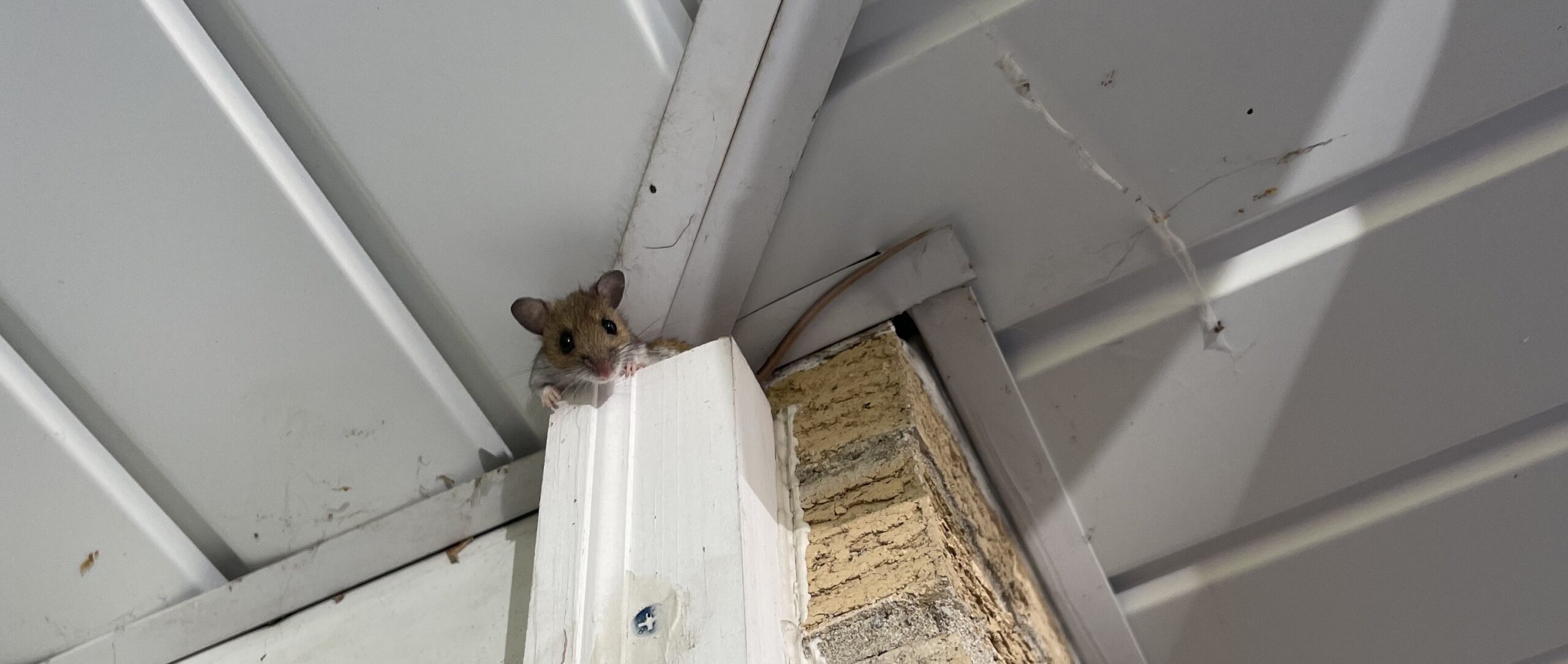
Smart mouse removal starts with prevention because poison only kills the mice you can see, while leaving the door wide open for the next ones to move in. You can poison every mouse currently inside your home, but if the gap they used to get in is still there, new mice will keep finding it. This is the biggest problem with relying on poison alone.
Prevention works differently. You stop the cycle by finding every entry point, sealing it properly, and removing the conditions that attracted mice in the first place. This approach actually stops mice from coming back, instead of just dealing with the ones already inside.
This article is for any homeowner dealing with rodents or trying to avoid a future infestation. You’ll learn why poison alone often fails, what makes prevention so much more effective, and how Skedaddle Humane Wildlife Control in Toronto handles mouse problems the right way from start to finish.
Why Does Traditional Mouse Control Often Fail?
Traditional mouse control often fails because it focuses on killing mice instead of stopping them from getting in. Poison and traps can remove the rodents that are currently inside, but they do nothing to fix the actual problem causing the infestation. Within days or weeks, new mice often move into the exact same spot.
This happens because these rodents are reacting to something about your home, not just wandering in by chance. They’re drawn in by warmth, easy food access, and small gaps they can squeeze through. If none of those things change, your home stays just as attractive to the next mouse that comes along.
You end up stuck in a loop. You see signs of rodents, you try poison or traps, the signs go away for a while, and then they come right back. This cycle repeats because the real cause was never addressed in the first place.
What Smell Do Mice Hate?
Mice hate strong smells like peppermint, but relying on scent alone almost never solves a mouse problem. Rodents avoid certain smells because they find them overwhelming, but this only pushes them to a different part of your home rather than out of it completely. A strong smell might make a mouse move from one room to another, but it won’t fix the gap they used to get inside.
This is a common reason DIY solutions fall short. A smell might seem like it’s working for a few days, but mice are smart enough to adjust their paths and find a new way to wherever they want to go. Without sealing the actual entry points, the mice you smell out today can come right back tomorrow.
This is why our team at Skedaddle focuses on the real source of the problem instead of short-term tricks. Finding and sealing entry points solves the issue at its root, rather than just making your home temporarily less appealing.
The Real Reasons Prevention Works Better Than Poison
Prevention works better than poison because it deals with the reasons mice got inside in the first place. Here are the biggest reasons why this approach makes such a big difference.
Poison Doesn’t Fix Entry Points, So the Cycle Never Stops
Killing rodents with bait might seem like progress, but it leaves the actual problem untouched. The gap mice used to get inside is still wide open after the bait does its job. This means the cycle keeps repeating no matter how many times poison gets used.
- The Entry Point Stays Open: Poison only targets the mice already inside a home, not the hole they used to get there. That gap remains just as easy to find and just as easy to use for any mouse nearby. Without sealing it, the opening keeps working as an entrance long after the original rodents are gone.
- New Mice Move in Fast: These rodents are constantly searching for warm, safe places to nest, especially during colder months. Once one mouse dies, others in the area can find that same opening within days or weeks. This creates a constant stream of replacements moving into the exact same spot.
- The Problem Repeats Over and Over: Homeowners often notice the signs of these rodents return shortly after using poison, which can feel confusing or frustrating. This happens because the bait removed the rodents without removing the reason they got in. The same droppings, noises, and chew marks tend to show up again before long.
- Poison Creates a False Sense of Progress: A quiet home after using bait can feel like the problem is solved, but that’s rarely the case. Without sealing the entry point, the quiet period is temporary at best. New mice are often just one open gap away from starting the cycle all over again.
Mice Reproduce Too Fast for Poison Alone to Keep Up
A few dead mice might look like progress, but the numbers tell a different story. Mouse populations grow far faster than most homeowners expect, especially once a home becomes an easy target. Poison alone simply can’t keep pace with how quickly rodents multiply.
- A Single Mouse Can Lead to Dozens More: A female mouse can have several litters in just one year, with multiple pups born each time. This means one mouse moving into a home can turn into a much larger group in only a few months. By the time the signs become obvious, the population may already be bigger than expected.
- Removing a Few Mice Barely Makes a Difference: Poison might take out the mice that find the bait, but it leaves the rest of the nearby population untouched. If the home is still open and welcoming, those remaining rodents can quickly take the place of the ones that were removed. This makes the results of poison feel temporary at best.
- The Math Works Against Poison-Only Methods: These animals reproduce on a schedule that outpaces how many a homeowner can realistically remove with bait. Even consistent poison use struggles to catch up once a population starts growing inside or around a home. This is part of why poison alone rarely solves the bigger problem.
- Entry Points Decide How This Story Ends: If the gaps mice use to get inside stay open, the population has every reason to keep growing. New rodents can replace removed ones just as quickly as they appear. Closing those entry points is what actually slows or stops the cycle, not the poison itself.
Dead Mice Inside Walls Create a Bigger Problem Than the One You Started With
Poisoned mice often die in hard-to-reach spots like wall cavities or under insulation. These areas are nearly impossible to check without cutting into the wall itself. This means a homeowner often has no way of knowing exactly where the smell or mess is coming from.
This leads to strong odours that can spread through a home for weeks. The smell tends to get worse before it gets better, especially in warmer rooms or during summer months. Beyond the odour, decomposing mice can also attract other pests looking for an easy meal.
Removing a mouse from inside a wall is far harder than preventing it from getting there in the first place. The process often requires opening up drywall or insulation just to reach the source. This turns a simple mouse problem into a much bigger, messier, and more expensive repair.
Poison Doesn’t Address Why Mice Picked That House in the First Place
Every mouse infestation starts for a reason, and that reason rarely has anything to do with bait. Homes attract mice because of specific conditions, not random bad luck. Until those conditions change, poison only treats the result, not the cause.
- Warmth Pulls Mice Inside: They search for shelter from cold weather, especially as temperatures drop in the fall and winter. A warm attic, basement, or wall cavity offers exactly what they’re looking for. If a home stays warm and welcoming, new mice will keep finding reasons to move in, no matter how many were removed before.
- Easy Food Access Keeps Mice Coming Back: These animals are drawn to homes with accessible food sources, including pantries, garbage areas, and even pet food left out overnight. A consistent food supply gives rodents a reason to stay rather than move on. As long as food stays easy to reach, the home remains an attractive target.
- Open Entry Points Invite Mice in Repeatedly: Small gaps around vents, siding, or foundations give these rodents a simple way to get inside. These openings don’t disappear just because the rodents using them were removed. Any mouse in the area can find and use that same gap going forward.
- Unaddressed Conditions Guarantee Repeat Problems: Poison might remove the mice present at the time, but it does nothing to change why the home was appealing. The exact same vulnerabilities remain in place after the bait is gone. This means new rodents are likely to discover the same weaknesses and move in just as easily.
What a Real Inspection Looks For
A real inspection focuses on finding every weak point in your home, not just the obvious ones. A mouse can squeeze through gaps as small as a dime, which means they often get in through spots that look completely normal at first glance. Brick that meets siding at an odd angle, gaps around pipes, and worn weather stripping are all common trouble spots.
Take this video from our technician Hamza, who inspects a brand new home, dealing with both mice and bats. He shows exactly how a small gap where the brick meets the soffit becomes an obvious entry point once you know what to look for.
Watch Hamza walk through this exact entry point and show how a one-way door puts a stop to it for good. This kind of detailed inspection is exactly what separates a real solution from a quick fix.
Mouse Removal and Prevention With Skedaddle
Our team at Skedaddle starts every job with a full inspection of your home, inside and out. We look for the kind of small, easy-to-miss gaps that mice use to get inside, including spots near brick, vents, and siding that most homeowners would never think to check.
Once we find these entry points, we use one-way doors that let mice leave your home on their own, but stop them from coming back inside once they’re out. This keeps the process humane while making sure mice can’t simply turn around and re-enter the same spot.
After these rodents are gone, we seal every entry point we found and reinforce weak areas with durable materials. This step is what actually breaks the cycle, since it removes the opportunity for new mice to move in and take over where the last ones left off.
Mice Challenges in Toronto
Mice in Toronto deal with cold winters that push them to look for warm shelter earlier in the season than people often expect. Older homes across the city are especially at risk, since many have aging foundations, gaps around pipes, and weather stripping that has worn down over time.
Toronto’s mix of detached homes, semis, and row houses also means entry points vary quite a bit from one property to the next. Homes with brick exteriors often have small gaps where the brick meets the soffit, while homes with vinyl siding may have weak spots around corners or trim.
Because of this variety, we adjust our inspection based on the style and age of each home. This local knowledge helps us catch the specific entry points that are common in Toronto, rather than relying on a generic checklist that misses regional details.
Frequently Asked Questions
How do I know if I have mice instead of another pest?
Mouse droppings are small, dark, and about the size of a grain of rice, often found near food sources or along walls. Scratching sounds at night and a musky smell are also common signs that point specifically to mice. You might also notice small chew marks on boxes, wires, or food packaging. These signs together usually mean mice, rather than a different pest.
How quickly can mice multiply inside a home?
Can mice get into a brand new house?
Can mice get into a brand new house?
Yes, mice can get into brand new homes just as easily as older ones. Construction gaps, brick styles, and unfinished sealing around vents or siding can all create entry points even in recently built houses. New homes often still have small gaps that haven't been noticed or sealed yet. This means age alone doesn't protect a house from mice.
Do mice come back after they've been removed once?
Yes, mice often return to a home if the original entry point isn't sealed properly. They remember easy access spots and will try the same area again unless it's fully blocked. Even after mice are gone, an open gap is still an invitation for new mice nearby. This is why sealing the entry point matters just as much as removing the rodents.
Is it safe to have mice removed from inside my walls?
It's not something to handle yourself, since mice can be hidden in hard-to-reach spots and may scatter further into your home if disturbed incorrectly. Trying to remove them without the right approach can also push them deeper into walls or other areas. Our team knows how to manage this safely from start to finish. This helps avoid making the problem bigger than it already is.
Ready to Stop the Mouse Problem for Good?
Poison might kill the mice you can see, but it won’t stop new ones from moving in through the same gap. The mice are only part of the problem. The real issue is the opening they used to get inside, and that opening stays there until someone fixes it properly.
The only way to really solve a mouse problem is to find every entry point and seal it properly. This means checking your whole home, not just the one spot where you noticed droppings or heard noises. Small gaps near brick, vents, and siding are often the real cause, even when they’re easy to miss.
At Skedaddle Humane Wildlife Control in Toronto, we handle every part of this process, from inspection to repair. We find the entry points, remove the mice humanely, and seal your home so the problem doesn’t come back. Our team checks every part of your home so nothing gets left behind.
A poison trap might feel like a quick fix, but it almost never solves the bigger problem. Request an estimate today and let our team take care of it from start to finish, the right way.

 Loading...







