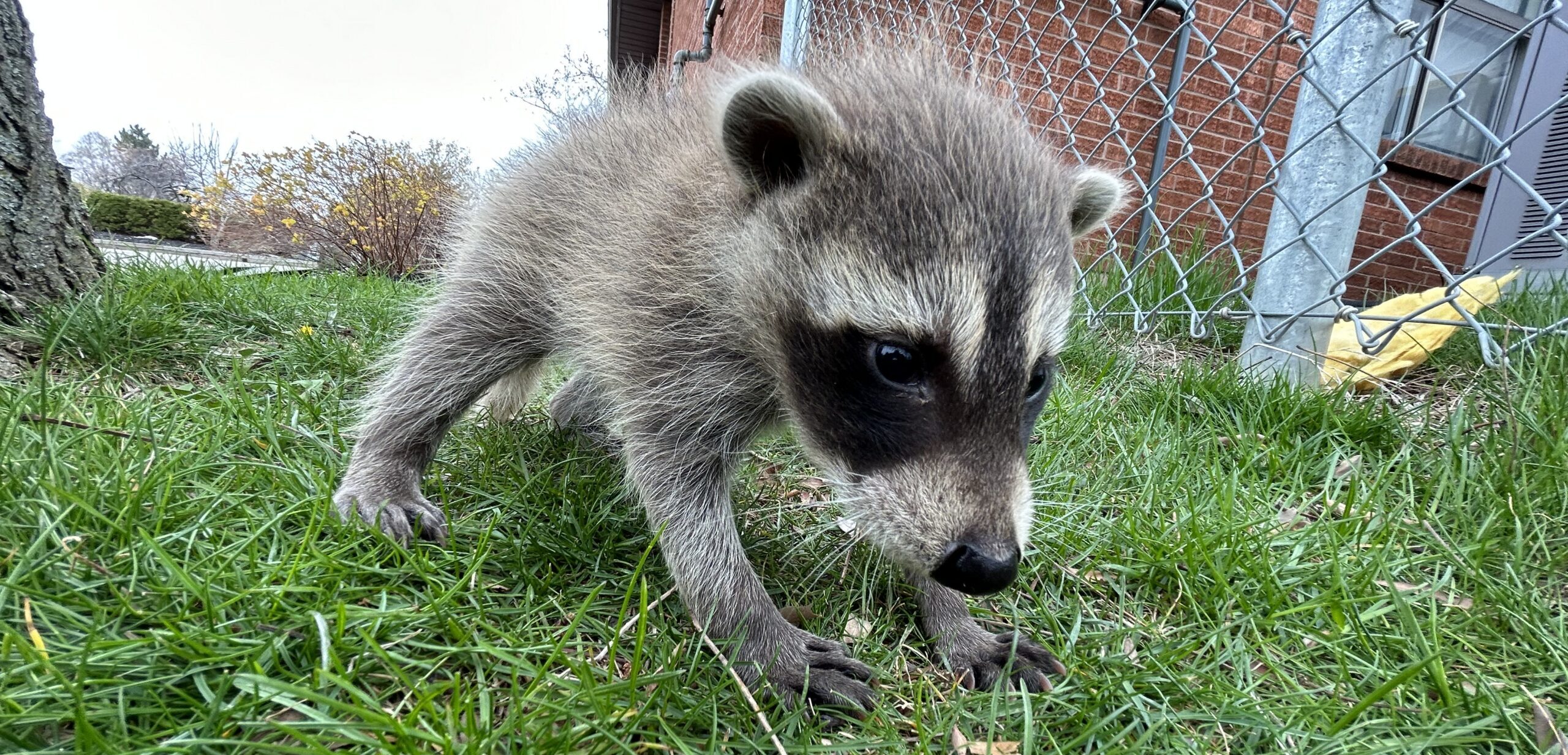
Summer is one of the busiest seasons for raccoon removal because it lines up with birthing season, when mothers move into attics and chimneys to raise their young. You might notice more scratching, more noise, and more activity around your home during these months, and that’s not a coincidence. Warmer weather brings both growing families and increased foraging, which puts raccoons in closer contact with homes than at any other time of year.
This combination of factors creates a perfect storm for homeowners. You’re dealing with mothers protecting their young, babies becoming more active and noisy as they grow, and adult raccoons spending more time searching for food near houses. Each of these on their own would be enough to cause problems, but together, they make summer the season with the highest demand for professional removal.
This article is for any homeowner noticing unusual sounds or activity around their property during the warmer months. You’ll learn why these animals are drawn to attics in summer, what makes this time of year different from the rest, and how Skedaddle Humane Wildlife Control in Toronto handles these situations safely and humanely from start to finish.
Why Are Raccoons Getting Into Attics in Summer?
Raccoons get into attics in summer mainly because mothers are searching for safe, warm places to give birth and raise their young. Attics offer exactly what they’re looking for: shelter from weather, protection from predators, and a quiet space that’s hard for other animals to reach.
Spring and summer mark the main birthing season, so this is when female raccoons are most actively searching for den sites. An attic checks every box on their list, especially if it’s warm, elevated, and has even a small opening to get inside. Once a mother settles in, she’ll stay until her young are old enough to leave on their own.
This explains why so many homeowners notice activity specifically during these months. The timing isn’t random. It lines up directly with when these animals need safe spaces the most.
Reasons Summer Brings the Busiest Raccoon Calls
Several specific factors come together each summer to create the busiest stretch of the year for raccoon-related calls. Understanding each one helps explain why this season looks so different from the rest of the year.
Birthing and Rearing Season
Spring and summer mark the primary birthing season for raccoons, which sets off a chain of events that lasts for months. This single factor is responsible for much of the increased activity homeowners notice during summer.
- Searching for the Right Den Site: Female raccoons seek out safe, elevated, and warm environments like attics, chimneys, and decks to give birth. They evaluate several potential spots before settling on one that meets their needs. An attic with even a small entry point can look like an ideal choice from a raccoon’s perspective. This searching behaviour often happens quietly, before homeowners notice anything is wrong.
- Litters Arrive in Early Summer: Once a den site is chosen, litters ranging from two to six young typically arrive in late spring or early summer. This timing means the busiest period for related activity tends to follow a predictable seasonal pattern. Homeowners often notice the first signs of a problem shortly after a litter is born. This is usually when sounds and activity start becoming more obvious.
- Mothers Stay Put Once Settled: Once a mother raccoon chooses a den site, she tends to stay there for an extended period while raising her young. This means a problem that starts small in early summer can continue for weeks or even months. The longer a den stays active, the more potential there is for damage to insulation, wiring, or structural materials. This is part of why earlier action tends to lead to better outcomes.
- A Predictable Seasonal Pattern: Because birthing season follows a consistent yearly timeline, summer call volumes tend to follow a similar pattern every year. This predictability helps explain why our professional team see such a noticeable spike during these months. Knowing this pattern also helps homeowners recognize the signs earlier. Early detection often makes the entire process smoother and faster to resolve.
Noisy and Mobile Babies
As young raccoons grow over the summer, their behaviour changes in ways that are hard for homeowners to ignore. This shift is one of the most common reasons calls increase as the season goes on.
- Increased Activity as They Grow: Young raccoons become noticeably more active as the weeks pass, moving around more inside the den space. What started as occasional faint sounds often turns into regular movement throughout the day and night. This change in activity level is a natural part of their development. It’s also one of the clearest signs that a den has been established nearby.
- Wrestling, Scratching, and Playing: Growing raccoons spend a lot of time wrestling, scratching, and playing with their littermates as they develop coordination and strength. These sounds often come from the same area of the attic repeatedly. The noise pattern can sometimes be mistaken for other issues at first. Once identified correctly, it usually points directly to an active den.
- Sounds that Alert Homeowners: This combination of movement and play often becomes loud enough to catch a homeowner’s attention, especially in the evening or early morning. Many calls for our professional help happen specifically because of these noticeable sounds. The timing of these sounds tends to match when young raccoons are most active. This pattern is fairly consistent across different homes and neighbourhoods.
- A Clear Sign It’s Time to Act: Once sounds become noticeable and consistent, this is usually a strong sign that a den has been active for some time already. Waiting longer typically means more growth, more activity, and more potential for damage. Recognizing this sign early can make the entire process easier to manage. This is part of why summer sees such a steady stream of calls as young raccoons continue to grow.
Fragile Offspring Require Specialized Handling
Newborn raccoons are far too small and immobile to leave a den on their own, which adds another layer to summer removal work. Mother raccoons are also fiercely protective, making this one of the more delicate situations our professionals handle.
Because young raccoons can’t move independently in their first weeks, technicians often need to locate and handle them by hand to keep the process safe and humane. This requires a careful, patient approach that respects both the mother and her young throughout the entire process. Rushing or mishandling this stage can cause unnecessary stress for the animals involved.
This is one of the clearest reasons our professional involvement matters so much during summer. The combination of protective mothers and fragile young means this work requires specific training and experience, rather than a quick or generic approach.
Foraging and Property Damage
Warmer summer temperatures increase raccoon activity in another important way: through foraging. Higher metabolic rates during summer months mean more energy is needed, which sends raccoons searching for food more frequently than during cooler seasons. This shift brings them much closer to homes than they’d otherwise be, creating a whole new set of challenges for property owners.
- Higher Energy Needs in Summer: Summer heat raises metabolic rates, meaning raccoons burn through energy faster than they do in cooler months. This increased need pushes them to search for food more often throughout the day and night. A raccoon that might forage once a night in spring could be searching multiple times during peak summer heat. This extra activity is part of why summer sightings near homes become so much more common.
- Easy Food Sources Nearby: Birdseed, pet food left outdoors, and unsecured garbage cans all become attractive targets during these months. These food sources require little effort for raccoons to access, making them especially appealing. The more accessible these options are, the more likely these animals are to return to the same property repeatedly. This pattern can quickly turn a single visit into a regular routine.
- Extended Time Spent Near Properties: The more accessible food sources are, the more likely raccoons are to spend extended time near a property rather than just passing through. This lingering behaviour increases the chances of these animals noticing other appealing features, like a damaged vent or loose siding. Extended visits also raise the likelihood of repeat encounters for homeowners. Over time, this can turn a property into a regular stop on a raccoon’s nightly route.
- Damage Beyond the Attic: This proximity can lead to property damage beyond just attic activity, including damage to garden areas, garbage bins, and outdoor structures. Raccoons are strong and resourceful, often tearing into bins or digging through garden beds in search of food. This type of damage can add up quickly across a summer season. The combination of den-seeking behaviour and increased foraging is part of why summer creates such a noticeable spike in raccoon-related concerns across residential areas.
Raccoon Removal and Prevention With Skedaddle
Our team at Skedaddle approaches every raccoon situation with care, especially during summer when young are often involved. We start with a full inspection to understand exactly where activity is happening and how extensive the situation has become.
Once we’ve identified the den location, we focus on safe, humane methods that prioritize keeping families together whenever young are present. This often means carefully relocating young to a nearby, undisturbed space so the mother can safely move her family to a new den site on her own terms.
After the den is cleared, we use one-way doors that allow any remaining activity to exit naturally while preventing re-entry to the same spot. We then seal entry points using durable materials, which helps prevent the same situation from happening again in future seasons.
Raccoon Problems in Toronto
Toronto’s mix of older and newer homes creates a wide range of potential entry points for raccoons each summer. Many older properties have aging rooflines, chimneys, and soffits that offer easy access for these animals seeking den sites. Newer builds aren’t immune either, since even small construction gaps can become attractive entry points.
The city’s combination of green spaces, mature trees, and residential areas also means raccoons have plenty of natural pathways leading toward homes. Properties near ravines or parks tend to see higher raccoon activity, especially during birthing season. This local environment plays a significant role in how often our professional removal becomes necessary.
Because of these factors, our team adjusts each inspection based on the specific structure and surrounding environment of a property. This local knowledge helps us identify entry points that might otherwise be missed, especially in a city with such varied housing styles.
Frequently Asked Questions
How long do raccoons typically stay in an attic once they've moved in?
These animals typically stay in a den site for several weeks to a few months, especially when young are present. The exact length depends on how quickly the young develop and become mobile enough to leave with their mother. A den with very young raccoons tends to stay active longer than one with older, more independent young. This is part of why early detection can make such a big difference in how long the situation lasts.
What sounds indicate raccoon activity versus another animal?
Raccoon activity often sounds like heavier movement, scratching, and chattering noises, especially at night. This is different from the lighter scurrying sounds typically associated with smaller animals like mice. Raccoon sounds also tend to come in bursts, especially when young are wrestling or playing. Paying attention to both the weight and pattern of the sound can help homeowners tell the difference.
Can raccoons cause damage beyond the attic itself?
Yes, these animals can damage insulation, wiring, and structural materials while denning, and their foraging behaviour can also lead to damage around gardens, garbage areas, and outdoor structures. This damage often grows the longer a den remains active. Outdoor damage tends to show up gradually, often appearing as torn garbage bags or disturbed garden beds. Both types of damage can add up quickly if the situation isn't addressed.
Is it common for raccoons to return to the same property?
These animals can return to properties that previously offered easy access or reliable food sources. This is why fully sealing entry points after removal plays such an important role in long-term prevention. Without proper sealing, the same opening can be used again the following season. This pattern is one of the main reasons thorough, professional work matters so much.
What time of day are raccoons most active during summer?
Raccoons are most active at night, particularly during the warmer summer months when foraging activity increases. This is often when homeowners notice the most noise and movement around their property. Activity tends to pick up shortly after sunset and can continue through the early morning hours. This timing lines up closely with when these animals are searching for food or tending to young in a den.
Ready to Deal With Raccoon Activity the Right Way?
Summer brings raccoons closer to homes than any other season, mostly because of birthing season and increased foraging. Mothers are searching for safe places to raise their young, while warmer temperatures push adult raccoons to spend more time looking for food. If you’ve noticed new sounds or activity around your property, there’s a good chance it lines up with this seasonal pattern.
This combination makes summer the busiest stretch of the year for raccoon-related concerns. Scratching in the attic, noise at night, or damage around garbage bins and gardens are all common signs tied to this same seasonal shift. The longer these signs go unaddressed, the more time raccoons have to settle in and cause further damage.
Skedaddle Humane Wildlife Control in Toronto handles raccoon situations with care, especially when young are involved. We inspect the full property, manage the situation humanely, and seal entry points so the problem doesn’t return next season. Our approach focuses on solving the issue completely, not just temporarily.
Request an estimate today and let our team take care of it from start to finish, the right way.

 Loading...







