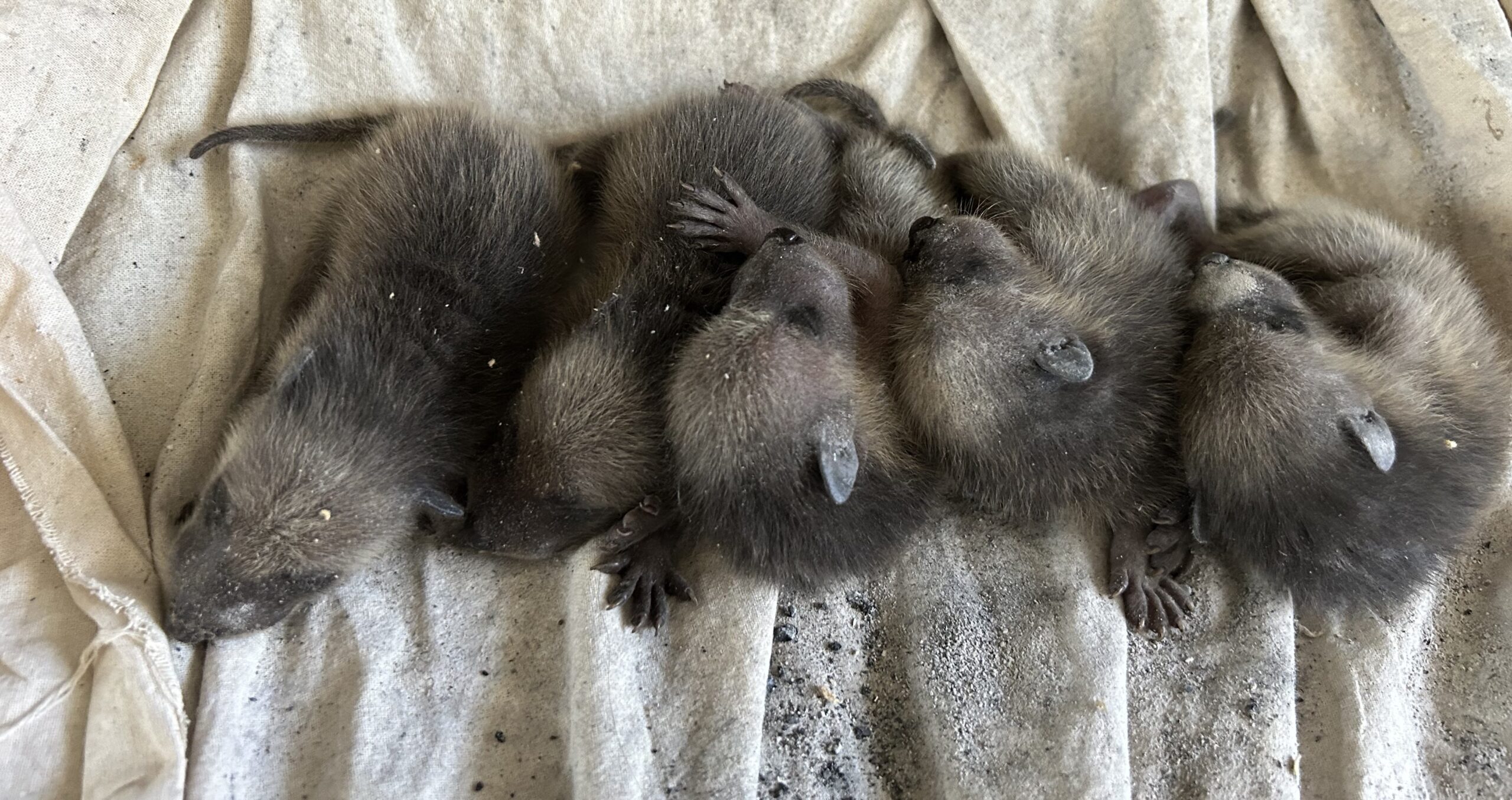

With spring and summer in full swing in Vaughan, it’s not unusual to spot wildlife making their homes in our backyards. The arrival of baby animals is a sure sign of the changing seasons, but it can also leave you wondering what to do with wildlife babies when you find them around your property.
It’s a heartwarming sight, but before you jump into action, knowing the right steps is crucial. Acting too quickly can sometimes do more harm than good. This blog will walk you through the best approach, so you can help our wild neighbours thrive.
Before You Act: Watch, Wait, and Observe
It’s tempting to scoop up a baby animal that looks alone or helpless. But the best thing you can do at first is to pause.
- Stay back and watch from a safe spot. Use binoculars if you want a closer look.
- Avoid letting pets and children near the area.
- Give it time—mothers may leave their young alone for hours while they search for food.
Many people don’t realize that over 90% of calls to wildlife experts about “abandoned” babies actually involve animals that are not truly orphaned. By observing first, you’re helping, not harming.
Mothers like deer and rabbits use this strategy to protect their young from predators. The mother’s absence makes the nest less likely to attract attention.
Pro tip: Observe for at least several hours or up to 24 hours, depending on the species. Your patience increases the chances of a natural reunion!
Is the Baby Really in Danger? Signs They Need Help
Not every baby animal alone is in trouble. Less than 10% of young animals brought to wildlife rehabilitators are truly orphaned.
Watch for these signs that an animal genuinely needs intervention:
- Visible wounds, bleeding, or broken limbs
- Shivering constantly or appearing weak
- Crying out, making unusual noises, or showing signs of distress for hours
- Being circled by cats, dogs, or other animals
- Found in a hazardous spot, like a busy road
- Covered with flies, maggots, or insects
- The mother is confirmed deceased nearby
If you see any of these, it’s time to look up wildlife baby rescue tips and reach out for help.
However, in most other cases, it’s better to leave the animal alone. For example, fledgling birds will spend time on the ground as they learn to fly, while their parents keep a close watch. If you’re unsure, monitor for changes and call professionals if the situation doesn’t improve.
What to Do with Wildlife Babies: Vaughan’s Most Common Encounters
Each species has different habits and needs. The right approach starts with recognizing who you’re dealing with and what to do with wildlife babies of that species. Here’s some targeted advice for the animals most commonly found in Vaughan.
Baby Rabbits
Rabbit nests are easy to miss—they’re shallow, covered in dry grass and fur, and tucked in open lawns. Most mother rabbits will only visit at dawn and dusk to feed their babies, spending less than 5 minutes per visit.
- If you find a nest, gently recover it after inspecting.
- To check if Mom is returning, lay two thin sticks in an “X” over the nest. If it’s disturbed the next day, she’s come back.
- Try to limit lawn mowing during spring to avoid disturbing hidden nests.
Don’t handle the babies unless they’re obviously injured. Most often, Mom is near and just waiting for the area to be quiet.
Baby Squirrels
It’s not uncommon for young squirrels to fall from a nest, especially on windy days.
- Healthy and uninjured baby squirrels: Place them in a shallow box at the base of the tree, and keep an eye from afar. The mother will likely collect them within a few hours.
- Avoid touching unless absolutely necessary to move them to safety.
Mother squirrels are devoted and quick to retrieve their young once they feel secure.
Baby Raccoons
Raccoon mothers are clever and move their babies one by one to safer locations if needed. A single found kit may just be waiting its turn.
- Keep a distance and observe for several hours.
- Only intervene if the baby seems sick, injured, or Mom does not return overnight.
- If you hear regular chittering for over 24 hours without any sign of Mom, call a professional.
Fledgling Birds
One of the most common calls is about young birds on the ground.
- Nestlings (no feathers or unable to stand): Gently return to the nest if you can find and reach it.
- Fledglings (feathered, can hop): Leave them be! They’re learning to fly, and their parents feed them on the ground.
Bringing fledglings inside is almost never necessary—let nature take its course while keeping pets indoors for a few days.
Mistakes to Avoid with Wildlife Babies
Even with the best intentions, common mistakes can make things worse. Here are mistakes to steer clear of when handling orphaned wildlife:
- Don’t offer food or water. Feeding baby wildlife can cause severe health issues since their dietary needs are specific and unique to each species. Cow’s milk and bread, for example, can be fatal.
- Limit touching. Stress from handling can suppress immune systems and increase the risk of illness or even death.
- Never try to raise wild animals on your own. In Ontario, it’s illegal to keep native wildlife. Rehabilitation requires expert knowledge for proper nutrition and care.
Remember:
- Most “orphaned” animals aren’t truly orphaned.
- Wildlife mothers are usually nearby and waiting for the chance to come back.
Mistakes can prevent natural reunions or cause life-threatening health issues, so always err on the side of caution and call an expert if in doubt.
When to Call the Experts: Getting Professional Help
If you’re still unsure after observation, or the animal is clearly in trouble, it’s time to reach out. Here’s when to call in professionals who specialize in what to do with wildlife babies:
- The animal is visibly injured or bleeding.
- There’s been no sign of a parent for over 24 hours despite monitoring.
- You find several wildlife babies at once, and none appear cared for.
- The animal is in immediate danger (traffic, predators, or severe weather).
Organizations like Skedaddle Humane Wildlife Control have the skills and proper equipment for handling orphaned wildlife safely and ethically. When you get in touch, experts can assess whether intervention is needed and arrange transportation to licensed wildlife rehabilitators.
Two important things to remember:
- Your job is observation and reporting—not rescue.
- Professionals follow provincial guidelines to protect both animals and people.
For those in Vaughan, contacting local specialists ensures you’re complying with Canadian laws and giving wildlife the best chance at survival.
Coexisting with Vaughan’s Wildlife
Living in Vaughan means sharing our neighbourhoods with wildlife. Over 130 species call southern Ontario home, and most will never need our help. Still, knowing wildlife baby rescue tips and what to do with wildlife babies means you’re prepared if the situation arises.
- Observe before you act—nature usually knows best.
- Look for signs that truly indicate trouble before intervening.
- Always reach out to professionals when in doubt.
Your kind attention can make a difference for vulnerable animals, helping raise awareness about peaceful co-existence.
Responsible Coexistence with Wildlife Babies
Encountering wildlife babies can be a special moment. But knowing what to do with wildlife babies is key to helping—not harming—them.
So next time you spot a lone squirrel, rabbit, raccoon, or bird, remember:
- Pause and observe.
- Avoid direct contact.
- Trust that wildlife mothers are doing their jobs—even when we don’t see them.
And if there’s ever doubt about handling orphaned wildlife, don’t try to go it alone. Let Skedaddle Humane Wildlife Control in Vaughan lend a helping hand. By following these steps and consulting pros, we keep both our families and our wild neighbours safe.
For more wildlife baby rescue tips or if you find a baby animal in distress, call Skedaddle Humane Wildlife Control. We’re here to offer expert, humane support—so you can enjoy spring and summer, knowing you’re doing what’s best for Vaughan’s wildlife.

 Loading...







