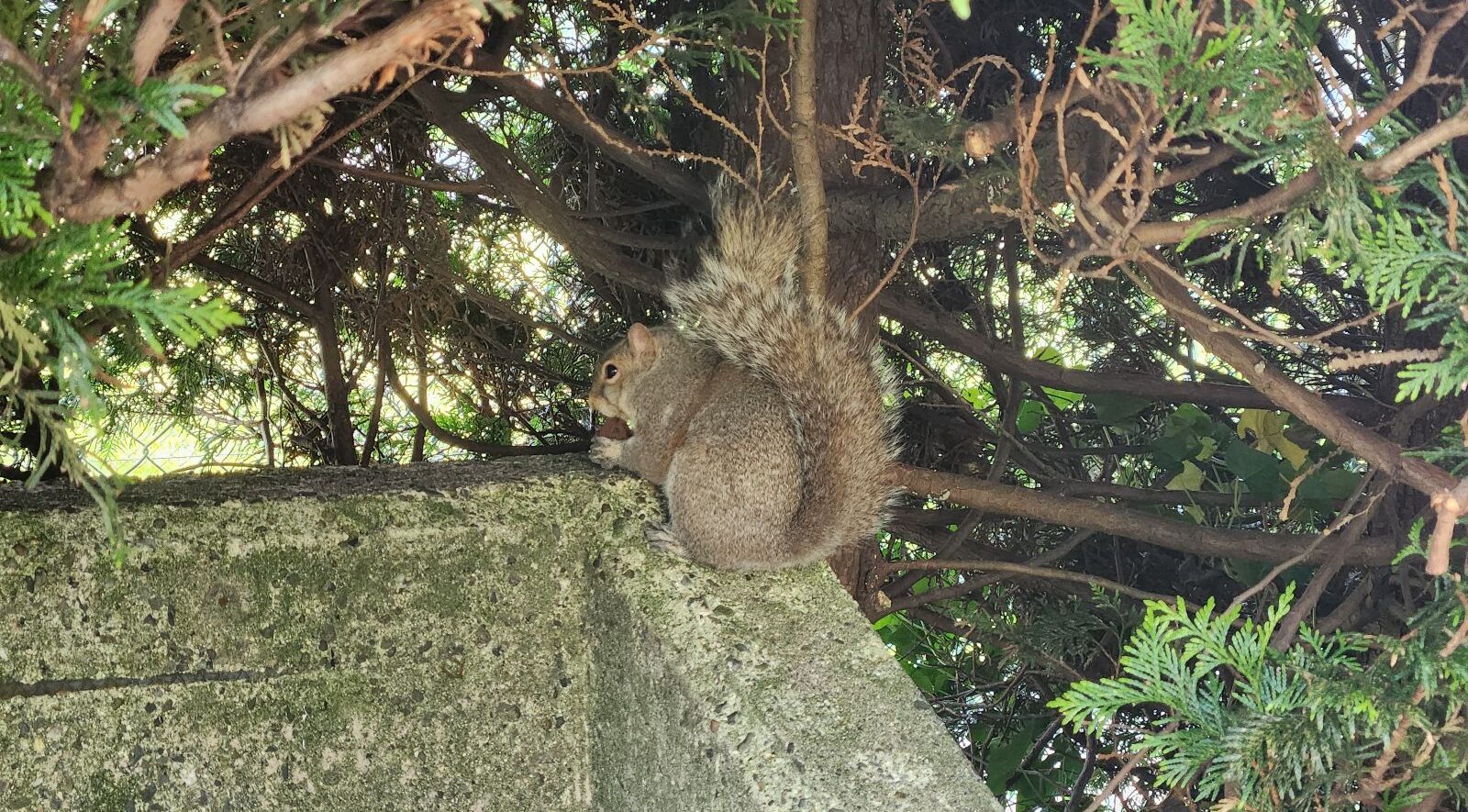
Squirrels can be adorable to watch from afar, but when they decide your home looks like the perfect place to set up camp, the damage can be serious. You might hear scratching in your walls, notice chewed wires, or find gaps in your roof where they’ve squeezed inside. These small animals are surprisingly destructive, and the problems they create can affect your safety and wallet.
So why are squirrels more destructive than most wildlife species? The answer comes down to their biology and behaviour. Their teeth never stop growing, which means they constantly need to chew to keep them worn down. This leads them to gnaw on almost anything—wood, plastic, metal, and even electrical wiring. Combine that with their ability to squeeze through tiny openings, their habit of nesting in warm spaces like attics, and their year-round activity, and you have a recipe for ongoing property damage. In Vinings and throughout North Atlanta, squirrel damage to homes is a common and costly issue for homeowners.
In this blog, we’ll walk you through the main reasons squirrels cause more harm than other wildlife. You’ll learn about their chewing habits, nesting behaviours, and how they impact your property and landscape. We’ll also cover practical prevention steps and explain how Skedaddle Humane Wildlife Control in Vinings can help protect your home from further damage.
What Makes Squirrels Destructive in the First Place?
These animals might look harmless, but their natural instincts make them surprisingly damaging once they get inside your home. Their front teeth grow continuously throughout their lives, which forces them to chew constantly to keep those teeth at a manageable length. This biological need drives them to gnaw on materials like wood, insulation, plastic, and wiring—anything they can sink their teeth into.
Unlike some animals that only cause trouble during certain seasons, squirrels are active all year long. They don’t hibernate, so they’re always on the lookout for food and shelter. When the weather gets cold or when they’re preparing to have babies, they seek out warm, protected spaces like your attic or walls. Once they find a way in, they make themselves at home quickly.
Another reason these rodents are so destructive is their ability to adapt to urban environments. They thrive in neighbourhoods with mature trees, and they’re not shy about getting close to people. This adaptability means they’re comfortable exploring roofs, chimneys, vents, and any other potential entry points into your home.
Structural Damage and Fire Hazards
One of the biggest concerns with squirrel infestations is the damage they do to the structure of your home. These animals don’t just chew for fun—they chew to survive. Unfortunately, that means your home’s materials are fair game.
Here’s how squirrel chewing damage can affect your property:
- Chewed Electrical Wiring: Squirrels often gnaw on wires in attics and inside walls. When wires are exposed, they can spark or overheat. This creates a serious fire risk in your home. It can also cause power outages or damage to your electrical system.
- Damaged Insulation: They pull apart insulation to build soft nests. This leaves empty spots in your attic where heat can escape. As a result, your home may feel colder in winter and hotter in summer. Over time, this can raise your heating and cooling costs.
- Weakened Wooden Structures: They chew on wooden beams, rafters, and roof edges to keep their teeth trimmed. Repeated chewing can weaken these important parts of your home. Small bite marks can turn into larger areas of damage. If left alone, this can affect the strength of your roof or attic.
- Roof and Soffit Damage: Squirrels often start by widening small gaps in your roof or soffits. Once they make an opening, they use it again and again. Inside, they may continue chewing to make more space for nesting. This damage can grow quickly if it is not repaired properly.
These issues don’t just create repair costs—they put your family’s safety at risk. Chewed wiring can spark fires, and weakened structures can lead to expensive repairs down the line.
Constant Gnawing Habits
Squirrels are rodents, which means their front teeth never stop growing. If they do not chew often, their teeth become too long and painful. Because of this, they are always looking for something to gnaw on. This natural habit makes them very destructive around homes.
They are not picky about what they chew. These rodents will gnaw on wooden siding and window frames to create or widen entry points. They may also chew on pipes and ductwork, even if they are made of metal or plastic. This kind of damage can cause leaks, airflow problems, or poor air quality inside your home.
Roof shingles and fascia boards are also common targets. When squirrels chew through roofing materials, they create openings that allow water and other pests inside. Since their gnawing never stops, small holes can grow quickly. What begins as minor damage can turn into a serious and costly problem.
Destruction of Property and Landscaping
Squirrels don’t just cause problems inside your home—they wreak havoc outside too. If you’ve noticed holes in your lawn or missing flowers, squirrels are likely the culprits. Here’s what they do to your outdoor space:
- Digging Holes: Squirrels bury nuts and seeds all over your yard to save for later. These small holes can leave your lawn looking uneven and damaged. In some cases, they create soft spots that people can trip over. Over time, constant digging can ruin the look of your property.
- Uprooting Bulbs and Plants: These rodents often dig up freshly planted bulbs and flowers. They may eat them right away or bury them somewhere else. This damages garden beds and leaves empty patches in your yard. It can also waste the time and money you spent planting.
- Raiding Bird Feeders: Squirrels are known for stealing birdseed. They will climb poles, jump from trees, or hang upside down to reach feeders. If needed, they chew through plastic or knock feeders to the ground. This creates a mess and scares away birds.
- Chewing on Outdoor Furniture: Squirrels must chew regularly to keep their teeth from growing too long. They often gnaw on wooden decks, fences, and patio furniture. This leaves visible bite marks and weakens the material over time. Replacing damaged outdoor items can become costly.
While these issues might seem minor compared to structural damage, they add up quickly. Replacing plants, reseeding lawns, and repairing outdoor structures all come with costs that homeowners shouldn’t have to bear.
Significant Damage to Trees
Squirrels do not just damage homes. They can also cause serious harm to the trees in your yard. Even though they rely on trees for shelter and food, their behavior can injure or kill them. Over time, this damage can change the look and health of your property.
One common problem is bark stripping. These rodents peel bark off branches and trunks to reach the soft layer underneath. This process, called girdling, blocks the tree’s ability to move water and nutrients. They also chew on the tips of branches, known as terminal shoots, which slows growth and weakens the tree.
Young trees are at even greater risk. Saplings have thin bark and soft wood, making them easy targets. In just one season, squirrels can cause enough damage to ruin a young tree. Since trees add shade, beauty, and value to your home, this kind of damage can also mean a financial loss.
High-Volume Foraging
Squirrels are opportunistic feeders, and they’re not shy about taking advantage of whatever food sources they find. This behaviour makes them particularly destructive in areas where people grow fruits, vegetables, or nuts.
- Raiding Gardens: Squirrels will eat tomatoes, strawberries, and other produce before they are fully ripe, leaving you with little or nothing to harvest. They often take a few bites and move on to the next plant. This can damage several fruits or vegetables in one visit. Over time, repeated visits can ruin an entire garden.
- Stealing from Orchards: If you have fruit or nut trees, These animals will take as much as they can carry. They may strip branches quickly, even before the crops are ready to pick. Sometimes they drop half-eaten fruit on the ground, creating waste. This can reduce your harvest and affect the health of the tree.
- Storing Food Indoors: When squirrels get inside your home, they sometimes bring food with them. They may stash nuts, seeds, or pieces of fruit in attics or wall spaces. This creates messes and can lead to strong odors over time. Stored food can also attract insects or other pests into your home.
Their high-volume foraging habits mean they’re constantly on the move, searching for food to eat now and stash for later. This behaviour keeps them active around your property year-round.
Invasive and Aggressive Behaviour
Some squirrel species are more aggressive than others, and their behaviour can have serious consequences. Grey squirrels, for example, are highly adaptable and often outcompete native species like red squirrels. This creates ecological imbalances in your area.
Squirrels are also territorial. If they’ve claimed your attic or walls as their home, they’ll defend it aggressively. This makes it difficult to remove them on your own. Attempting DIY removal can result in bites, scratches, or exposure to diseases they carry.
Their boldness around people means they’re more likely to explore your property, looking for food and shelter. This increases the chances of them finding a way inside your home.
Utility Infrastructure Damage
Squirrels do more than cause squirrel damage to homes and yards. They also create problems for power and utility systems. Power companies across North America report that squirrels are one of the top causes of power outages. Their chewing habits can lead to serious service issues.
Squirrels often chew on cables and power lines. When they gnaw through wires, they can short out transformers and damage equipment. Even small bites can cause sparks or system failures. This kind of squirrel chewing damage can leave homes and businesses without electricity.
Minor damage to utility lines can interrupt service to entire neighborhoods. These outages create inconvenience and may even cause safety risks. While homeowners may not pay for these repairs directly, everyone feels the impact. When these animals damage infrastructure, the whole community is affected.
Preventing Squirrel Damage with Skedaddle
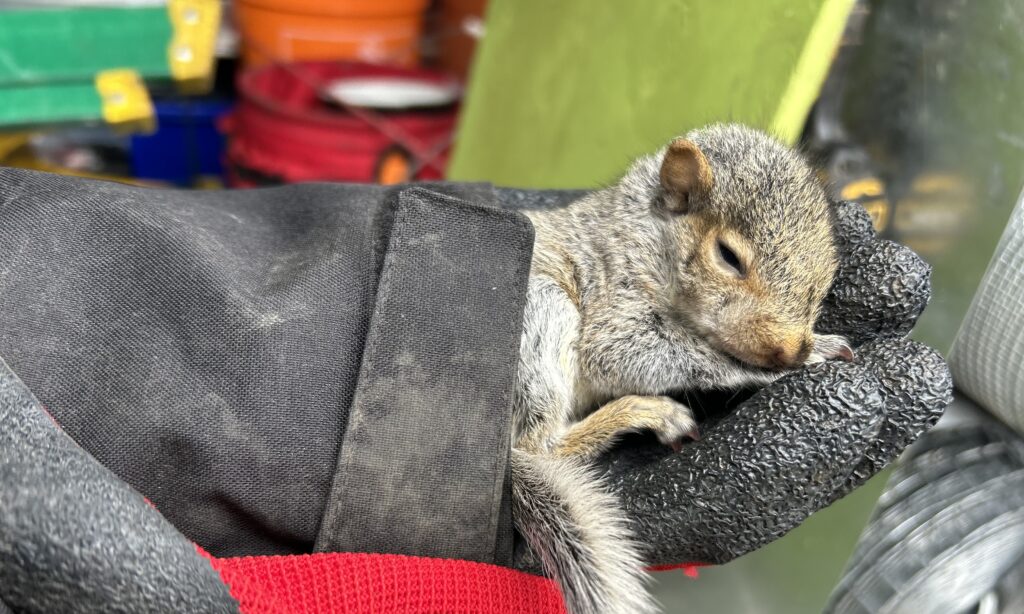
The best way to deal with squirrel damage to homes is to stop it before it starts. At Skedaddle Humane Wildlife Control in Vinings, we focus on prevention as well as removal. We use proven methods that protect your roof, attic, and foundation from future problems. Our goal is to keep these animals out for good.
Here’s what we do:
- Thorough Inspections: We carefully examine your home’s exterior from top to bottom. This includes checking rooflines, vents, soffits, fascia boards, and foundation gaps. We look for small cracks or weak spots squirrels may use as entry points. Finding these areas early helps prevent squirrel chewing damage.
- One-Way Doors: If squirrels are already inside, we install one-way doors. These allow squirrels to exit safely but block them from re-entering. This humane method removes the animals without trapping them inside. It is safe, effective, and respectful of wildlife.
- Sealing Entry Points: After the squirrels are gone, we seal every opening with strong materials. These animals have powerful teeth and can chew through weak repairs. We use durable products that stand up to weather and gnawing. This step is critical for long-term protection.
- Clean-Up and Repairs: Squirrels leave behind droppings, nesting materials, and damaged insulation. We safely remove contaminated materials and sanitize affected areas. If needed, we restore your attic to a clean and healthy condition. This protects your home and your indoor air quality.
Our approach focuses on long-term solutions, not quick fixes. We’re committed to protecting your home from future invasions.
Frequently Asked Questions
How much damage can squirrels cause in an attic?
These animals can cause serious damage in a short amount of time. They chew wires, tear insulation, and widen entry holes. If left alone, the repairs can become costly and may even create fire risks.
Do squirrels come back to the same house?
Yes, they often return to places where they found shelter before. If entry points are not sealed properly, they will try to get back inside. That is why full exclusion is just as important as removal.
What time of year are squirrels most destructive?
These animals can cause damage year-round because they do not hibernate. Problems often increase in late winter and early spring when they look for nesting spaces. Fall is another busy time as they search for warm shelter.
Can squirrels chew through metal or hard materials?
These animals can chew through many materials, including wood, plastic, and even thin metal. Their teeth are strong and constantly growing, which makes them persistent chewers. Weak repairs or soft materials will not stop them for long.
Protect Your Vinings Home from Squirrel Damage
Are squirrels destructive? Yes, they are. Squirrel damage to homes is common in Vinings, especially in attics and rooflines. Their constant chewing can damage wood, vents, and wiring. This squirrel chewing damage can even create fire hazards if electrical wires are exposed.
These animals also tear up insulation to build nests. They leave droppings and contaminate attic spaces. Outside, they may strip bark from trees and dig in landscaping. The longer they stay, the more expensive the repairs become.
At Skedaddle Humane Wildlife Control in Vinings, we do more than remove squirrels. We inspect your home, find entry points, remove the animals safely, and seal openings so they cannot return. We use strong materials that stand up to chewing and weather. If you are seeing signs of squirrel activity, do not wait. Request an estimate to learn more and let us protect your home from further damage.

 Loading...







