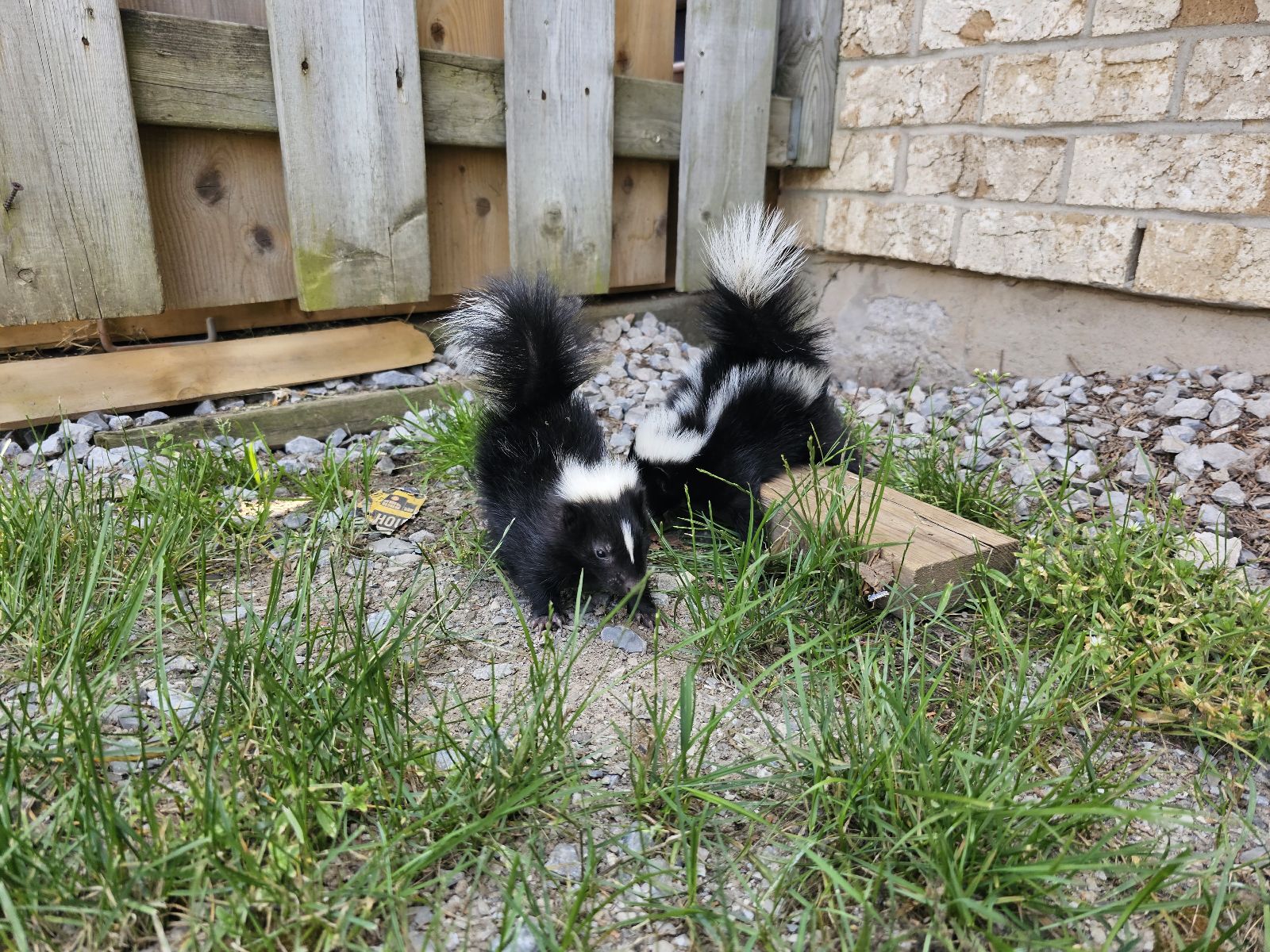
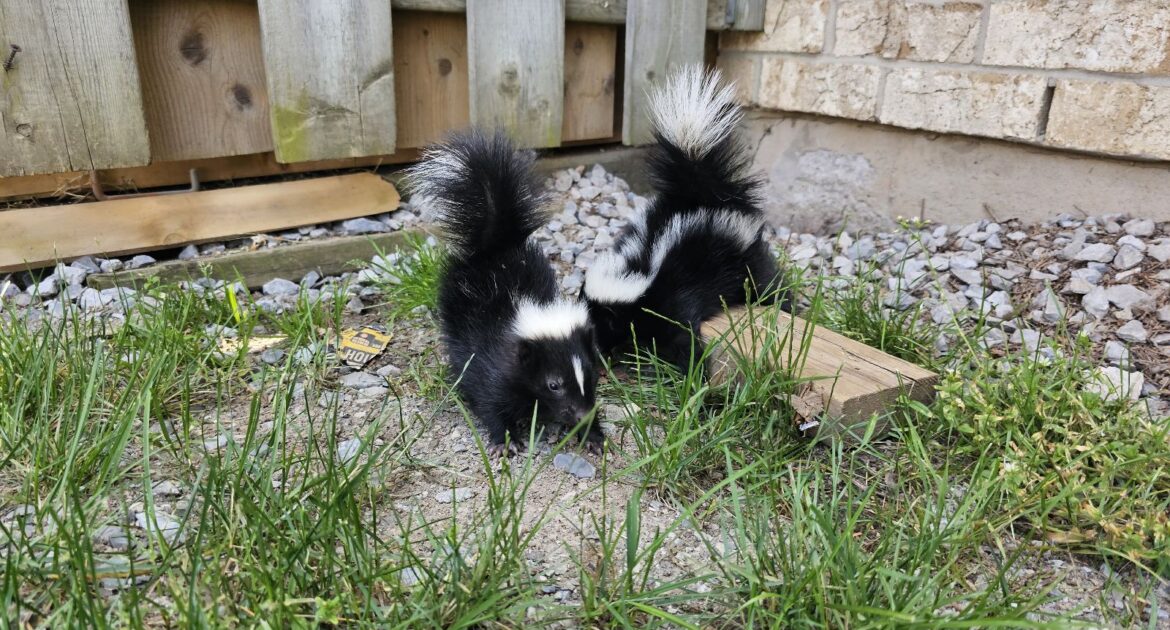
In Colorado, skunks are expert diggers, and their paws are central to their survival. They use them to uncover food, create safe burrows for raising their young, and navigate both wild areas around the Rockies and urban spaces. Their strong, nimble paws allow them to adapt to harsh conditions and find resources that other animals might miss.
At Skedaddle Humane Wildlife Control, we understand how skunk digging behavior can affect your property and why knowing these habits is key to coexisting safely. In this article, we’ll explore how skunks use their paws to survive, why this behavior matters for ecosystems, and practical ways homeowners and businesses can protect their property without harming these animals.
The Power of Paws: How Skunks Dig to Survive
Skunks are not natural climbers; their true strength lies in their paws. With long claws and sturdy forelimbs, skunks can move surprisingly large amounts of dirt, constructing elaborate dens beneath porches, sheds, or tucked up against the hillsides below the Boulder Flatirons.
Key elements that set skunk digging behavior apart include:
- Extra-long claws and powerful paws designed for digging, not climbing
- Ability to shift stones, roots, and debris to create or expand dens
- Nocturnal habits that allow them to dig with less risk from predators and humans
- Keen sense of smell and touch that helps them locate food underground
- Ongoing use of the same den for both survival and raising young
The digging process serves two critical purposes: providing food— as skunks consume worms, grubs, and roots they find underground—and shelter, particularly during Colorado’s colder months.
From scattered holes in your garden to a single, deep tunnel under your deck, these digging behaviors are not random. They reflect the strategic choices skunks make to ensure their safety and well-being. Understanding why these animals dig is the first step toward managing unwanted visits.
As we transition from the mechanics of digging to the reasons why skunks depend on it, we begin to see how every scratch and clawful of dirt is tied to the cycle of survival and reproduction.
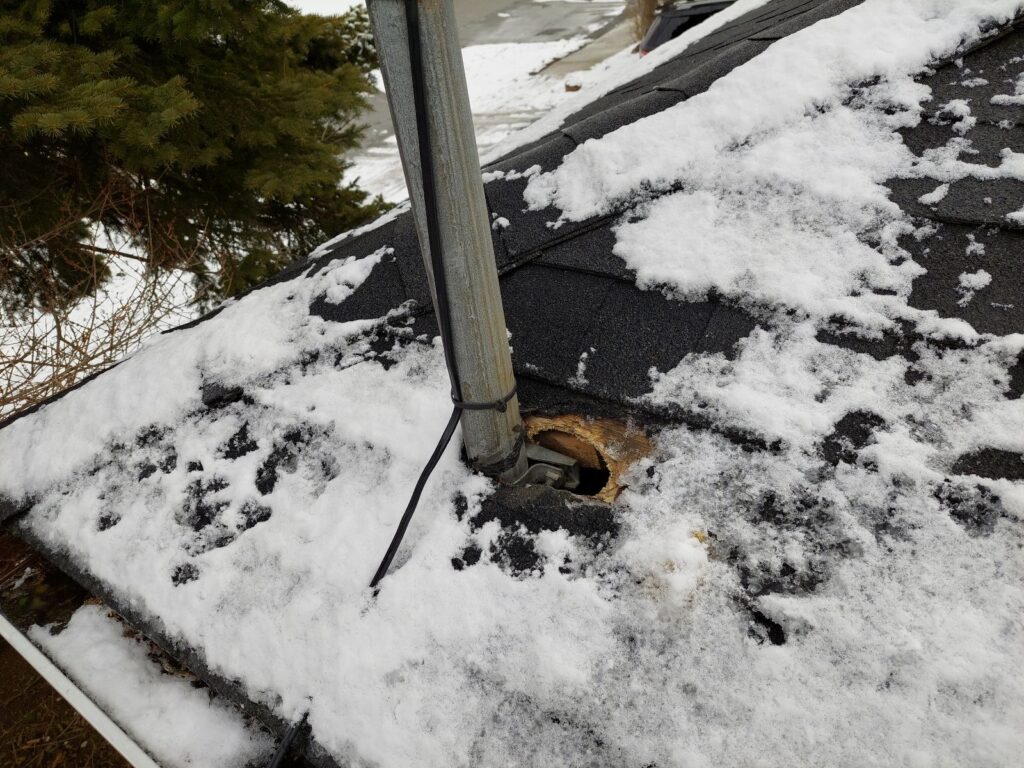
Skunk Survival Habits: Why Digging Matters
For skunks, digging is far more than a daytime chore—it’s essential for their survival in the wild and near Colorado’s neighborhoods. The burrows they create offer refuge from predators and extreme weather while enabling them to become nearly invisible to humans and other animals.
Their survival strategies include building and maintaining underground dens for protection from predators; digging fresh holes in lawns and gardens for food, especially in the spring and summer; creating multiple den sites as a precaution; using dens to conserve warmth during winter when above-ground food is scarce; and expanding dens during breeding season, particularly from May to June.
A crucial aspect often overlooked is that during breeding season, female skunks urgently dig deeper, more secure dens to safely birth and care for their newborns. The urgency and care with which mothers select and maintain their dens are vital to the next generation’s survival, particularly in unpredictable Colorado weather.
Observing these natural behaviors helps predict where skunks might choose to burrow—and more importantly, when intervention is necessary.
Now that we’ve unpacked the important role digging plays in skunk survival, let’s address the common impact of these habits on properties around Westminster and beyond.
Impact of Skunk Digging on Gardens and Properties
If you live near the Rocky Mountains or in bustling communities like Westminster, you know that skunks don’t limit their digging to the wilderness. Gardens, manicured lawns, and the soil beneath buildings are particularly appealing to these expert excavators.
Typical damage and concerns include:
- Small, cone-shaped holes in lawns from foraging for insects and grubs
- Burrowing under structures for shelter
- Uprooted plants and disturbed mulch or flower beds
- Creating entry points near the foundation, increasing risks for pets and people
- Risk of unpleasant odors if a skunk feels threatened in its den
Homeowners may notice skunks are most active in fall, seeking shelter for winter dormancy, and again in spring as mothers prepare dens for their babies. The longer skunks remain undisturbed beneath a structure, the more likely it is that their odor can leach into flooring or building materials.
While skunks prefer to avoid humans, property damage and unpleasant smells make prevention necessary for many homeowners and business operators.
Let’s discuss practical ways you can address and prevent these problems without disrupting the local ecosystem—or risking unwanted encounters.
Wildlife Digging Prevention: Protecting Your Property
Effective wildlife digging prevention begins well before a skunk moves in. By taking proactive steps, you can significantly reduce your property’s appeal to skunks seeking shelter or food.
Simple actions homeowners and businesses can take include regularly inspecting the exterior of your home—especially decks, sheds, and porches for new holes or shifted soil; removing accessible food sources, such as pet food, birdseed, or open garbage bins; repairing and reinforcing existing barriers; maintaining tidy gardens, removing fallen fruit, compost piles, or dense ground brush; and checking for piles of dirt, hair, or odor around the base of structures or additions.
Fall inspections are especially crucial, as autumn is when skunks seek secure places to rest and conserve energy for winter. Addressing issues early helps avoid complications during the spring breeding period.
When prevention isn’t enough, and skunks have established a den on your property, professional wildlife control becomes essential.
Moving from what you can do on your own, let’s look at the details of our professional approach and how we keep homes and businesses skunk-free across Colorado.

Why Professional Wildlife Control Matters
Not every skunk problem can be solved with simple barriers or routine checks. Once a skunk has dug its way under your deck or built a den below an outbuilding, professional intervention ensures safety for both families and wildlife.
Our expert technicians at Skedaddle take a thorough, hands-on approach:
- Inspecting your property to identify all active and potential den sites
- Humanely removing adult skunks and kits, often utilizing heated baby reunion boxes for young skunks
- Cleaning and sanitizing contaminated areas to protect against bacteria and odor
- Installing heavy-gauge steel screening, at least 8-12 inches underground, to prevent further digging
- Deodorizing surrounding areas to deter return visits from other skunks
We address seasonal patterns, unique property layouts, and skunks’ remarkable ability to find new entry points. Given Colorado’s challenging winters, it’s easier to keep skunks out than to remove them mid-hibernation. Our services are especially important before the ground freezes or animals begin preparing for the breeding season.
Professional support protects your home and ensures no harm comes to the animals, preserving the balance between people and wildlife that makes areas like Westminster so special.
Are you noticing fresh dirt piles, disturbed gardens, or unexplained odors? Now is the best time to act, before minor problems develop into major issues requiring extensive repairs.
Actionable Tips for Ongoing Skunk Management
Dealing with skunk-related concerns necessitates ongoing attention, not a one-time fix. Here are practical ways to make your property less inviting to digging wildlife throughout the year:
- Schedule annual property inspections, particularly in the fall and spring seasons
- Install underground barriers and skirting around vulnerable structures
- Keep yards well-lit at night to deter nocturnal activity
- Promptly repair any damage to foundations or perimeter barriers
- Collaborate with wildlife professionals for prompt, humane removal if skunks are present
If you’re a homeowner in Colorado, keeping up with these steps can significantly impact wildlife digging prevention.
Should signs of digging persist, or if you suspect animals are already using your property, our experienced team at Skedaddle is here to help assess the situation, humanely remove wildlife, and secure your property for the future. Reach out to us for expert advice and support, and let us help you maintain a safe, skunk-free environment year-round.

Keep Skunks and Their Digging Out of Your Colorado Property with Skedaddle
As fascinating as skunks are in their ability to thrive through determined digging, their presence around your home or business can quickly lead to damaged lawns, unpleasant odors, and even risky encounters. Understanding their survival habits is crucial for striking the right balance between respecting wildlife and protecting your living space. Skunks use their powerful paws to find food and shelter, but when these behaviors intersect with your property, proactive prevention and humane intervention become essential.
Don’t let a skunk’s seasonal search for shelter evolve into long-term trouble. Skedaddle’s expert team offers thorough inspections, gentle removals, and durable wildlife-proofing solutions designed for Colorado’s unique landscapes. Reach out to Skedaddle today to safeguard your property—because peace of mind, and a skunk-free home, are always worth digging a little deeper for.

 Loading...







