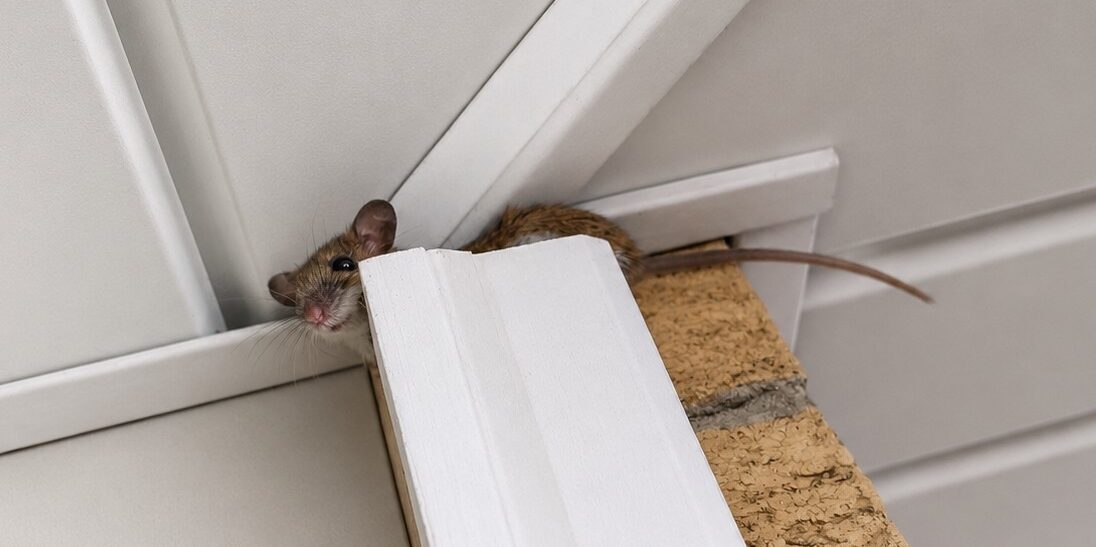
Should you worry if you see a mouse in your garage? Yes and you should, and you should act fast. Spotting one in your garage is almost never a sign that just one is there. These small creatures live in groups, breed quickly, and cause a surprising amount of damage in a short period of time.
The problem with a garage is that it’s the perfect home base. It’s warm, has lots of places to hide, often has food stored in it, and in many homes connects directly to the house. One mouse in your garage today can turn into dozens inside your walls within a few months. They chew through car wiring, ruin stored belongings, carry diseases, and find their way into your kitchen before you know it.
You should never try to handle this on your own. These creatures are fast, hard to track, and carry real health risks in their droppings and urine. Our team at Skedaddle Humane Wildlife Control in Whitby handles every part of the job so you don’t have to touch anything or go near any of it. In this blog, we walk you through the real reasons why a single sighting in your garage is a warning sign you should take seriously.
Do Mice Nest in a Garage?
Yes, garages are one of their favourite nesting spots. They offer warmth, shelter, and plenty of materials to build a nest with. Stored boxes, patio cushions, insulation, and old clothing are all nesting material to them.
A garage is also usually quieter than the rest of the home, which makes it feel safe. They build nests in hidden spots – behind shelving, inside wall voids, under workbenches, and inside stored items. By the time you spot one out in the open, there’s usually a nest already built nearby.
The nesting activity doesn’t stay contained to the garage for long. Once a population grows and space gets tight, they start looking for new areas to expand into. An attached garage is one of the easiest paths into the rest of your home through pipe gaps, wall voids, and shared utility openings that connect the two spaces.
Severe Vehicle Damage
One of the biggest reasons to take a garage mouse problem seriously is what they can do to your vehicle. Modern car wiring is often coated with materials that they find attractive to chew on, and the warm, sheltered space of an engine bay is a favourite nesting spot.
The damage they cause to vehicles can be expensive and is often hard to spot right away. Chewed wires cause electrical faults, warning lights, and failures that look like mechanical problems at first. By the time a mechanic finds the real cause, the repair bill is already high.
Here is how they damage vehicles in your garage:
- Chewed Wiring: Modern vehicles use wiring insulation made from materials that mice find easy and appealing to chew through. A single night of chewing can cut through multiple wires and cause serious electrical problems that are expensive to diagnose and fix. This kind of damage is one of the most common and costly results of a garage mouse problem.
- Nesting in Engine Bays: The warm, enclosed space of an engine bay is exactly the kind of spot they look for when building a nest. They pack nesting material into air filters, HVAC vents, and other engine components, blocking airflow and causing overheating. Starting a car with a nest inside the engine can also be a fire risk.
- Costly Overnight Damage: These creatures are most active at night, which means the damage they do to a vehicle can happen while you sleep. What seems like a minor issue when you start your car in the morning can quickly become a major repair. Catching the garage problem early is the best way to protect your vehicle before damage occurs.
Rapid Breeding Cycles
One of the most important things to know about a garage mouse problem is how fast it grows. Seeing one does not mean there is only one. A single female can have up to ten litters in a year, with five to six young in each litter. Those young can start breeding themselves in as little as six weeks.
The math adds up fast. What starts as a small number in your garage can become a large population within just a few months. The bigger the group gets, the more damage is done, and the harder the problem becomes to fully resolve.
This is exactly why acting early makes such a big difference. A small, early-stage problem is much easier for our team to address than an established population that has been living and breeding in your garage for a full season. Every week you wait gives them more time to grow.
A Gateway to Your Living Space
A garage mouse problem doesn’t stay in the garage. If your garage is attached to your home, or even just close to it, these creatures will eventually find a way inside. They are very good at finding and squeezing through incredibly small gaps – openings as small as a dime are enough for them to pass through.
Once they make the move from your garage into your home, the problem gets significantly harder to deal with. They spread into wall voids, attic spaces, and kitchen areas, and the population that was contained to one space is now spread through multiple areas of your home.
Here is how they use your garage as a way into your home:
- Gaps Around Pipes and Utilities: Every pipe, wire, and utility line that runs between your garage and your home is a potential entry point. The gaps around these penetrations are often small but more than large enough for them to squeeze through. These hidden pathways connect your garage directly to your kitchen, basement, and wall cavities.
- Shared Wall Voids: The walls between your garage and your home often share the same open cavities inside them. Once they are inside a wall void in the garage, they can travel freely into the walls of your living space without ever crossing an open floor. This is how a garage problem becomes a whole-home problem without you ever seeing them in the act.
- Vent and Exhaust Openings: Bathroom fans, dryer vents, and other exhaust openings that pass through or near your garage are additional pathways. Damaged or missing covers on these openings make it even easier for them to move between spaces. Our team checks all of these points during the inspection so nothing gets missed.
Serious Health Hazards
The health risks that come with a garage mouse problem are real and should not be taken lightly. These creatures carry diseases in their droppings, urine, and saliva, and the contamination they leave behind doesn’t have to be touched to cause harm.
Hantavirus is one of the most serious health risks linked to mouse droppings. It can be spread through the air when dried droppings are disturbed, and it causes serious respiratory illness. Salmonellosis and Leptospirosis are two other diseases they can carry, both of which can make people very sick.
You should never touch, sweep, or disturb droppings or nesting material on your own. Doing so without the right protective equipment puts you at real risk of exposure. Our team handles all cleanup and decontamination professionally so your family stays safe throughout the whole process.
Property and Storage Destruction
Beyond the vehicle damage and health risks, they cause a surprising amount of damage to everything stored in your garage. Patio cushions, holiday decorations, clothing, and sports equipment are all materials they pull apart to build nests with.
Insulation inside garage walls is another common target. They tear it apart for nesting and contaminate what’s left with droppings and urine. Damaged insulation reduces your home’s energy efficiency and raises your heating and cooling bills over time.
Here is what property and storage damage looks like:
- Shredded Stored Items: Soft materials stored in boxes or bags are easy targets for nesting material. Clothing, cushions, fabric, and paper all get pulled apart and used to build nests in hidden spots nearby. Items stored in your garage for months at a time are especially vulnerable since they go untouched long enough for a full nest to get built inside them.
- Ruined Insulation: Garage wall insulation that gets torn apart and contaminated loses its ability to regulate temperature. Your heating system has to work harder to make up for the loss, which shows up directly in your energy bills. Replacing contaminated insulation is part of the full remediation process our team handles after the problem is resolved.
- Strong and Lasting Odours: The waste they leave behind creates a strong ammonia smell that builds up over time and is very hard to get rid of on your own. This odour also signals to other animals that the space has been used, which can attract more activity. Professional cleanup and decontamination is the only way to fully deal with the smell and stop it from drawing in new problems.
Contaminated Supplies
Garages are often used to store pet food, birdseed, and backup pantry items and all of those things act as a direct invitation. These creatures can smell food through plastic bags and cardboard boxes, and they chew right through both to get to it.
Once a food source is found, they keep coming back to it and tell others in the group where it is. A single open bag of dog food can draw and support a much larger population than you’d expect. The contamination they leave behind in the food itself also creates a health risk for both people and pets.
Stored food in the garage needs to be kept in hard, sealed containers to reduce attraction — but even then, an established population will find other food sources nearby. Our team assesses the full situation during the inspection so every factor driving the activity in your space gets addressed properly.
Mouse Removal and Prevention in Whitby
When our team arrives at your home, the first thing we do is a complete inspection of the garage and any connected areas. We look for entry points, nesting sites, runways, and signs of how far the activity has spread. That full picture is what lets us build a plan that deals with the whole problem, not just the most visible signs.
Our approach to exclusion focuses on finding and sealing every way they are getting in. One-way door systems allow them to exit on their own but prevent re-entry, which clears the space without trapping anything inside. Once the activity has stopped, we seal every entry point with durable materials they cannot chew through.
All cleanup and decontamination is handled by our team professionally. Homeowners should never touch droppings, nesting material, or anything they have contaminated – the health risks are real. Our team uses the right equipment and protocols to make the space safe again from start to finish.
Mouse Problems in Whitby
Whitby’s mix of newer subdivisions and established neighbourhoods creates conditions that make garage mouse problems very common, especially in fall and winter. As temperatures drop, these creatures actively look for warm, sheltered spaces, and garages are one of the first places they target.
Newer homes in Whitby often have attached garages with shared walls and utilities that make it easy for a garage problem to become a home problem quickly. Older homes in more established areas sometimes have gaps in the foundation, worn weather-stripping, and aging garage door seals that provide easy entry points.
The fall season is the most active time for garage intrusions in the Whitby area, but our team responds to calls year-round. Our team knows the local housing styles, the most common entry points, and the seasonal patterns that drive activity in this part of Ontario. That local knowledge helps us work faster and more completely than a general approach would allow.
Frequently Asked Questions
How do I know if there are mice in my garage?
Common signs include droppings along walls and in corners, gnaw marks on boxes or stored items, shredded material that looks like nesting, and scratching sounds especially at night. A strong ammonia-like smell is another sign that the activity has been going on for a while. If you notice any of these signs, call our team right away - do not try to investigate or clean up on your own.
Can mice get into my car from the garage?
Yes. They can climb into engine bays, trunks, and interior spaces through gaps in the vehicle's body. Warm engines are especially attractive nesting spots during colder months. If you've noticed warning lights, electrical issues, or a smell coming from your vehicle, a professional inspection of both the car and the garage is worth doing.
How fast can a mouse problem get out of control?
Very fast. A single female can produce up to ten litters per year, and her young start breeding at just six weeks old. A small group in your garage in fall can grow into a large, established population by winter if nothing is done. Acting at the very first sign of activity is always better than waiting.
Are mice in the garage a health risk for my family?
Yes. They carry diseases in their droppings and urine that can spread to people even without direct contact. Airborne particles from dried droppings are especially dangerous. Your family should stay out of any area where activity has been found, and all cleanup should be handled by our professional team.
Will they leave on their own when the weather warms up?
Unlikely. Once they find a warm, food-accessible space with good nesting spots, they tend to stay year-round. Warmer weather may shift where they spend time, but an established group in your garage will not simply leave without professional exclusion and sealing of entry points.
One Mouse in the Garage Is One Too Many, Call Skedaddle
Seeing one in your garage is a warning you should take seriously right away. These creatures breed fast, cause real damage, carry health risks, and find their way into your home before most homeowners realize the problem has grown. The longer it goes without being addressed, the bigger and harder the problem becomes to fully resolve.
You should never try to deal with this on your own. Touching droppings, handling nesting material, or trying to block entry points without our professional help puts your health at risk and often leaves the problem only partially solved.
At Skedaddle Humane Wildlife Control in Whitby, we’re ready to help. Our team inspects your garage and home, identifies every entry point, excludes the population professionally, and seals every opening so they can’t get back in. We handle all the cleanup too, so your space is safe and fully protected when we’re done.
Request an estimate today and let our team take care of it before it gets any worse.

 Loading...