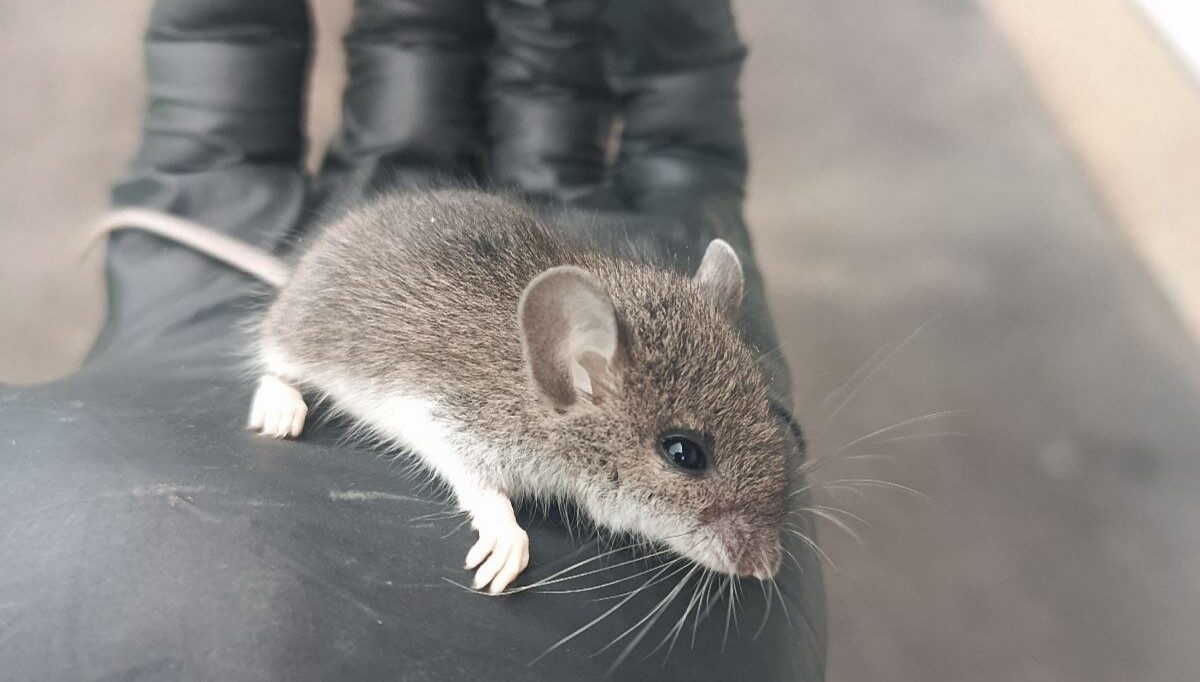
You close up the house for winter, crank up the heat, and settle in for the season. Then you hear it — a faint scratching behind the wall, a rustling near the kitchen cabinets, tiny droppings on the counter you didn’t notice yesterday. Most people assume mice are a cold-weather problem, something that shows up in October and disappears by April. That’s not how it works.
Mice are active inside homes year-round because they do not hibernate. Unlike many other wildlife species, they must keep moving, keep eating, and keep breeding every single day of the year to survive. Your home gives them everything they need to do exactly that — warmth, shelter, food, and water — no matter what season it is outside. Once they’re in, there’s no off-season.
In this blog, the team at Skedaddle Humane Wildlife Control in Columbus breaks down why these animals stay active inside homes through every season, what drives their behavior, and why a professional inspection is the only reliable way to find out how bad the situation really is.
Why Are There So Many Mice in My House This Year?
If it feels like you’re seeing more of them than usual, you’re probably not imagining it. A single female can produce up to ten litters per year, with five to six young per litter. That means one animal that found its way inside last fall could be responsible for dozens more by the time spring arrives.
Population growth isn’t the only factor. Outdoor conditions play a big role too. A dry summer reduces the natural food and water sources these animals rely on outside, pushing them toward homes earlier in the season. A mild winter means fewer of them die off, so more survive to breed the following year. Construction and development in your area can also displace large numbers of them at once, sending them in search of new shelter — and your home sits right in their path.
Columbus has seen steady growth in both population and development over the years, which puts more pressure on wildlife to find shelter in residential areas. Older homes with aging foundations, worn weatherstripping, and small gaps around utility lines give these animals easy access. If it feels like the problem has gotten worse, there’s usually a real reason behind it and our team at Skedaddle can help figure out exactly what’s driving it at your specific home.
Lack of Hibernation
Most people assume that once the weather gets cold, the mice go away. They don’t. These animals are biologically wired to stay active through every season, which means the problem inside your home doesn’t pause just because temperatures drop outside. Here’s what that means for your home year-round:
- They Forage Every Single Day: These animals need to eat constantly to keep up with their fast metabolism. They don’t store energy the way hibernating animals do — they burn through it and need to replenish it daily. That means movement inside your walls, attic, and living spaces never fully stops. Every season, day or night, they are actively searching for their next meal somewhere inside your home.
- Cold Weather Drives Them Deeper Inside, Not Out: When outdoor temperatures drop, these animals don’t leave, they move further into the warm parts of your home. Wall voids, insulation, and spaces near appliances or heating systems become prime territory. What might have been occasional activity near an entry point in fall becomes full-time occupation deeper inside the structure by winter. The cold doesn’t solve the problem; it often makes it harder to detect.
- Activity Continues Through Spring and Summer Too: Many homeowners relax once winter is over, assuming the problem has resolved itself. It hasn’t. Spring and summer bring increased breeding activity and more movement throughout the home as the population grows. Warmer months also bring drought conditions that push more of them indoors in search of water. There is no season where the activity simply stops on its own.
Constant Indoor Climate
Your home maintains a stable temperature year-round, and that’s exactly what makes it such an attractive place for these animals to settle in. Outside, they face heat, cold, drought, and predators. Inside, those pressures disappear. Here’s why your home’s climate keeps them active through every season:
- Your Home Eliminates the Seasonal Stress They’d Face Outside: In the wild, these animals deal with freezing temperatures, limited food, and exposure to predators. Your home removes all of that at once. A consistent indoor temperature means they never need to slow down, conserve energy, or change their behavior based on the weather. The comfort your home provides is, unintentionally, one of the main reasons they stay.
- Heated Spaces in Winter Keep Them Fully Active: During the coldest months, the interior of your walls, attic, and basement stays significantly warmer than the outside air. Spaces near your furnace, water heater, or ductwork are especially warm and become favored nesting spots. These animals don’t experience winter the way outdoor wildlife does — they experience your heating system. That warmth keeps their metabolism running at full speed all season long.
- Cool Indoor Spaces Attract Them in Summer Too: It’s not just winter that drives them inside. During hot, dry summers in Columbus, the cool interior of your home becomes just as appealing as the warmth is in winter. Combined with easy access to water from pipes and condensation, your home offers relief from the heat that they can’t find outdoors. The indoor climate works in their favor no matter what time of year it is.
Non-Stop Breeding Cycles
One of the most important things to know about these animals is how fast they reproduce. A single female can have up to ten litters in one year, with an average of five to six young per litter. Those young reach breeding age in as little as four to six weeks. That means a small number of animals that enter your home in the fall can become a much larger population by spring without you ever seeing most of them.
Indoor environments make that breeding cycle even faster. Outside, harsh weather, food shortages, and predators naturally limit how many survive. Inside your home, those pressures don’t exist. Nesting spots in wall voids and insulation are safe and undisturbed. Food is accessible year-round. The conditions that would slow reproduction outdoors simply don’t apply inside a heated home, and the population grows accordingly.
This is one of the biggest reasons homeowners are often surprised by how serious the problem has become by the time they call us. What looks like a few droppings and some scratching sounds can represent a much larger colony living quietly inside the structure. By the time they start showing up in living spaces, they’ve usually been established in the walls or attic for months. Our team at Skedaddle assesses the full extent of the situation so nothing gets missed.
Reliable Food and Water
Your home is a steady supply of everything these animals need to survive. Outside, food and water availability changes with the seasons. Inside, it stays consistent year-round — which is a major reason they have no motivation to leave. Here’s what keeps them well-fed and active inside your home:
- Kitchens and Pantries Provide a Constant Food Source: Crumbs on the counter, unsealed bags in the pantry, pet food left out overnight – all of it is fair game. These animals don’t need much to get by, and even a small, consistent food source is enough to sustain an entire colony. They are opportunistic eaters and will consume almost anything they can access. The easier the food is to reach, the more active and bold they become inside the home.
- Water Sources Inside the Home Are Plentiful: Leaky pipes, condensation on cold surfaces, standing water in drip trays, and even pet water bowls give these animals reliable access to water. During dry summers when outdoor water sources dry up, this is one of the main things that pulls them inside. Water is just as critical to their survival as food, and your home provides it in multiple locations without any effort on their part.
- Food Caching Increases Activity During Fall and Winter: As temperatures drop outside, these animals instinctively begin gathering and storing food near their nests. That caching behavior increases how much they move through your home – through walls, across floors, and into storage areas. You may notice more sounds and more evidence of activity during these months not because new animals have arrived, but because the ones already inside are working harder. That increased movement is often the first sign homeowners notice that something is wrong.
Instinctive Food Caching and Fast Metabolism
These animals are built to keep moving, and their biology demands it. Their metabolism runs fast, which means they need to eat frequently just to maintain their body temperature and energy levels. A few hours without food is enough to cause them serious stress, which keeps them in constant search mode inside your home. That relentless need to forage is one of the main reasons you can hear them at all hours of the day and night.
Food caching is a big part of their seasonal behavior. As fall approaches, these animals begin stockpiling food near their nesting areas inside your walls, attic, or basement. They gather crumbs, seeds, and any small food item they can carry and store it in hidden spots throughout the structure. This behavior ramps up their movement significantly, which is often when homeowners first start hearing more activity — scratching, rustling, and scraping sounds coming from inside the walls.
Here’s what that behavior looks like inside your home:
- Increased Wall and Attic Noise in Fall: The scratching and rustling sounds you hear in fall are often the result of food caching activity, not just movement. These animals are carrying material back to their nests, which means they’re making more trips through more areas of your home. That heightened activity is a clear signal that an established colony is already living inside the structure. If you’re hearing it, our team needs to take a look.
- Nesting Areas Expand as Food Stores Grow: As they gather and store food, they also expand their nesting areas to stay close to their supply. What started as a small nest in one wall void can spread into insulation, storage boxes, and other areas of your home as the colony grows and caches more material. The more food available inside the home, the more territory they will claim to store it. This expansion is part of why infestations grow larger and harder to address the longer they go undetected.
- Fast Metabolism Means They Never Slow Down: Unlike animals that slow their metabolism in winter to conserve energy, these animals maintain the same high metabolic rate year-round. That means the same level of activity in January that you’d see in July. There is no cold snap, no change of season, and no time of year that naturally causes them to slow down inside a heated home. Their biology keeps them on the move every single day.
Mice Concerns in Columbus
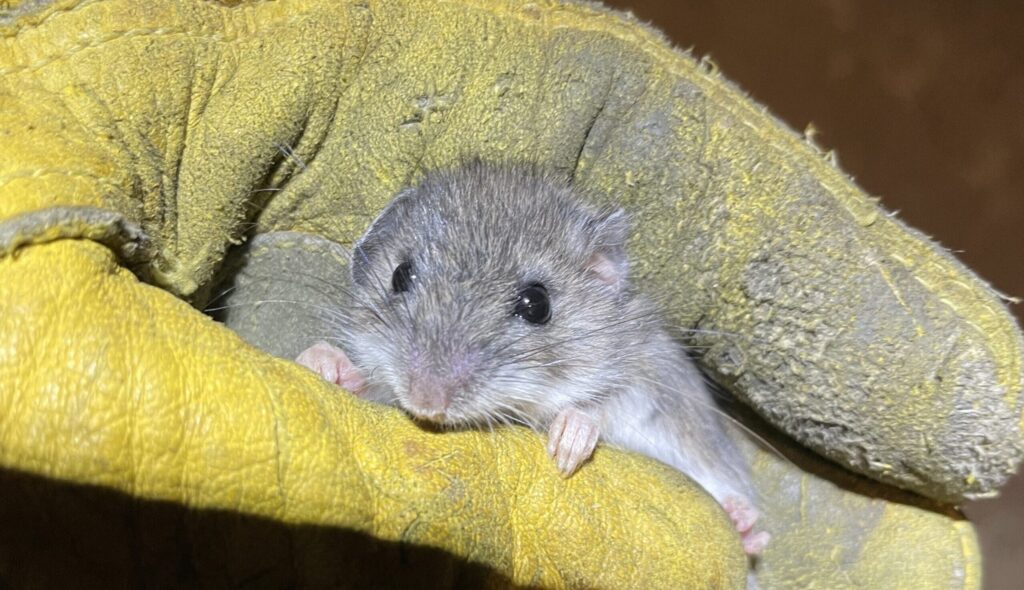
Columbus winters are cold enough to make indoor shelter extremely attractive, but they’re rarely harsh enough to significantly reduce outdoor populations the way more extreme climates might. That mild-to-moderate winter pattern means more of these animals survive from one year to the next, and the populations that find their way inside your home have a better chance of thriving through the season and into spring.
The city’s mix of older housing stock and newer development creates a wide range of entry point vulnerabilities. Older homes often have foundation cracks, deteriorating weatherstripping, and gaps around aging utility lines that have never been properly sealed. Newer developments displace wildlife from green spaces, pushing them toward residential streets where they quickly find any available opening. Both situations are common across Columbus neighborhoods, and our team sees them regularly.
Seasonal shifts in Columbus also drive activity in predictable ways. Dry summers push these animals inside earlier than usual in search of water. Fall sends them looking for warm nesting spots before temperatures drop. Winter keeps them settled deep inside your home’s structure. And spring triggers a new round of breeding that can rapidly increase the size of a colony that’s been living quietly inside your walls for months. Every season in Columbus brings a new reason for them to stay exactly where they are — inside your home.
Removal and Prevention with Skedaddle
When you call our team at Skedaddle, we start with a thorough inspection of your home — both inside and out. We look for active entry points, signs of nesting, droppings, runways, and any structural vulnerabilities that are giving these animals access to your home. That full picture is what lets us put together a plan that actually works, rather than just addressing the most obvious signs.
Once we know what we’re dealing with, we get to work sealing every entry point we find. We use one-way doors where needed, which allow these animals to exit on their own but prevent them from getting back in. After the population has cleared, we seal all entry points permanently with materials that hold up long-term. Homeowners should never attempt to handle droppings, nesting material, or any part of this process on their own — there are real health risks involved, and our team has the training and equipment to do it safely.
Prevention is just as important as removal. A home that has been properly inspected and sealed gives these animals nowhere to get in, which is the only reliable long-term solution. We also clean and treat affected areas so that scent trails — which these animals use to navigate and which attract others — are removed along with the nest. You don’t need to do any of this yourself. Call us, and our team handles every part of it from start to finish.
Frequently Asked Questions
Can mice really be active in my home during summer?
Yes. Summer heat and drought conditions actually push more of them indoors in search of cool shelter and water. Activity doesn't slow down in warmer months — it often increases as outdoor conditions become less hospitable.
How do I know if I have a large infestation or just one or two?
The size of an infestation is hard to judge from surface signs alone. A few droppings and some scratching sounds can represent a much larger colony living inside your walls or attic. Our professional inspection is the only reliable way to assess how serious the situation is.
How do mice get into a sealed home?
These animals can squeeze through a gap as small as a dime. Common entry points include cracks in the foundation, gaps around utility pipes, worn door sweeps, and spaces where different building materials meet and have shifted over time. Even a home that appears sealed from the outside often has multiple entry points our team can find during an inspection.
Do mice cause structural damage?
Yes. They gnaw constantly to keep their teeth from overgrowing, and they chew through wood, drywall, insulation, and electrical wiring. Chewed wiring is a fire hazard that homeowners often don't discover until significant damage has already been done.
How quickly can a mouse population grow inside a home?
Very quickly. A single breeding pair can produce dozens of offspring within just a few months under the right indoor conditions. The longer the population goes undetected, the larger and more established it becomes.
What are the health risks of having mice in the home?
Their droppings and urine can carry harmful bacteria and viruses. Dried droppings release airborne particles that can be inhaled without anyone realizing it. These health risks are one of the most important reasons homeowners should never attempt to clean up after an infestation on their own.
Don’t Wait for the Problem to Get Bigger
These animals don’t take a season off, and neither does the damage they cause. Every week a colony goes undetected is another week of chewed wiring, contaminated insulation, and a growing population spreading further through your home’s structure. What starts as a scratching sound behind the wall can turn into a serious health and safety problem faster than most homeowners expect.
The longer you wait, the more established the colony becomes and the more work it takes to fully resolve. These animals breed fast, move quietly, and stay hidden inside walls and attics for months before anyone notices. By the time the signs are obvious, the problem is usually much larger than it looks.
At Skedaddle Humane Wildlife Control in Columbus, our team handles everything from the first inspection to the final seal. We find every entry point, remove the population humanely, and make sure your home is protected against them getting back in. You don’t need to figure out how bad it is or where they’re getting in. That’s our job, and we’re good at it. Request an estimate today and let us take care of the problem completely, so you don’t have to think about it again.

 Loading...







