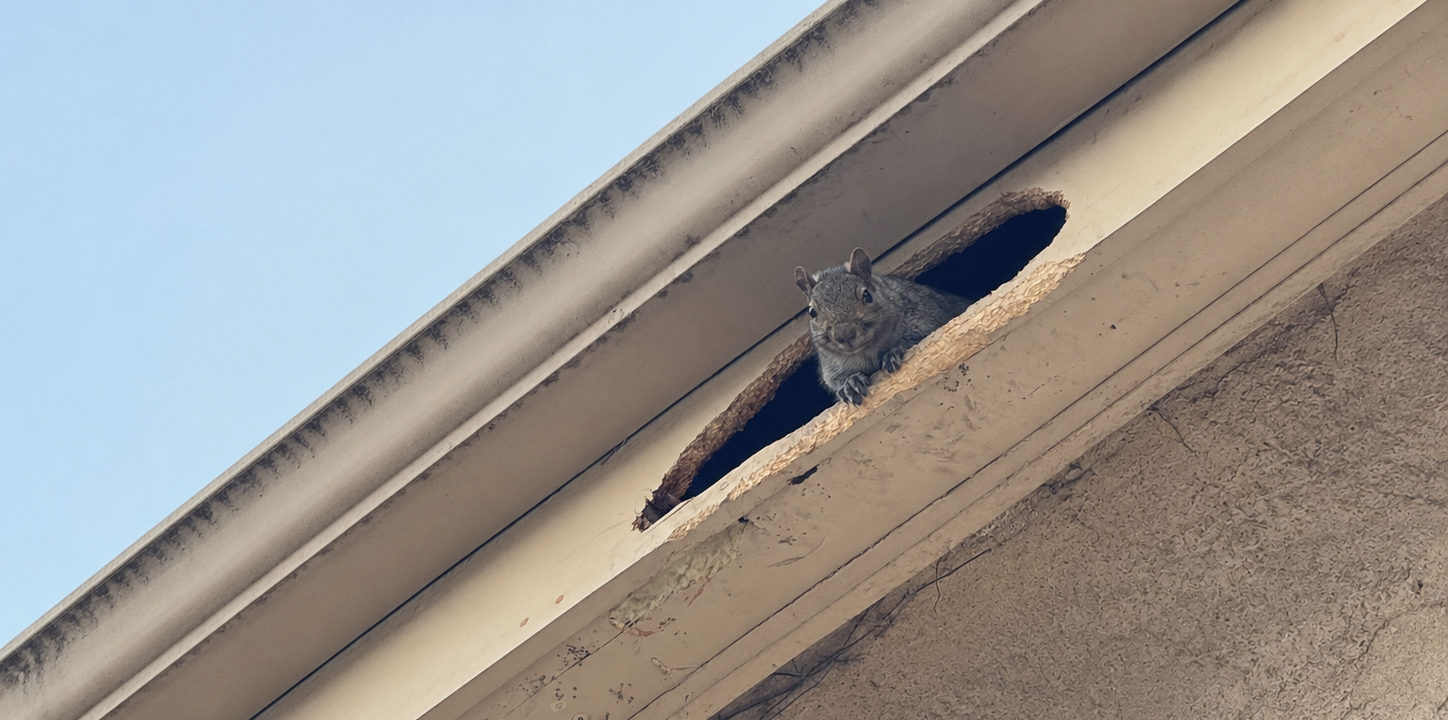
Squirrels target attics during the warm summer months primarily to find a safe, secure place for their second birthing season. Attics offer protection from natural predators, excellent ventilation for cooling down, and easy access to soft nesting materials like insulation.
You might think that squirrels only move indoors when it gets freezing cold outside. However, summer brings its own set of reasons for wildlife to seek shelter inside your home. When temperatures rise, you could still hear scratching and running sounds above your ceiling. The truth is, attics offer a highly controlled environment that traditional tree nests simply cannot match.
We know how frustrating it is to deal with squirrel noises when you just want to enjoy the warm weather. At Skedaddle Humane Wildlife Control in Whitby, we regularly see an increase in activity during the hottest months of the year. In this post, we will explain the main reasons why squirrels choose your home for their summer retreat. You will learn what makes your space so attractive to them and how our team handles the issue safely.
Why do squirrels get into attics in summer?
Squirrels get into attics in summer because they need a secure nursery for their second litter of babies, which typically arrives in August or September. Your roof space provides a dry, predator-free zone that is much safer than an outdoor tree branch.
Even when it is hot outside, squirrels use the shaded areas and cross-breezes from roof vents to stay comfortable. They are highly adaptable creatures that have learned human homes offer superior protection. Once they find a weakness in your roofline, they will chew their way inside to take advantage of the safe environment.
Second Birthing Season Brings New Babies
One of the biggest reasons for summer activity is the arrival of new babies. Squirrels typically have two litters every year, with the second one arriving in late summer.
A pregnant mother needs the most secure place possible to raise her young. She will actively seek out a space that offers stability and safety from the outdoor elements. When she finds a weakness in your roof, she will quickly make it her new nursery.
- A Quiet Environment: Your attic provides a dark, peaceful space away from human activity. The mother can nurse her babies without being disturbed by the loud noises of the outside world. This calm setting helps her young grow strong and healthy.
- Protection from Weather: Summer storms and high winds can easily destroy a fragile nest built in a tree. Inside your home, the family is completely protected from harsh rain and extreme weather changes. The dry space ensures the babies stay warm and comfortable.
- A Proven Safe Space: If a squirrel successfully nested in your home during the winter, she is very likely to return. She views your property as a proven, reliable shelter for her new summer litter. This habituation means the same house can be targeted season after season.
August and September: A Critical Time for Nesting
Pregnant females are especially active during August and September as they prepare to give birth. They are on the hunt for the safest, most stable environment to raise their vulnerable squirrel babies. Your home, with its warmth and security, often becomes an ideal nesting space for squirrels during this crucial time.
Once the babies are born, they are completely immobile and unable to fend for themselves. This makes it even more important for the mother to create a safe and stress-free environment. Your attic, walls, or crawl spaces provide protection from predators and bad weather, making it a prime location.
During this time of year, you may notice increased activity as squirrels work to prepare their nests. These squirrel mothers will carefully select spaces that they consider most secure. If your home has been used for nesting in the past, it is even more likely to be chosen again as a proven sanctuary.
Protection From Natural Predators Outdoors
Once inside your attic, a mother will make it her mission to create the safest possible environment for her babies. The warmth and shelter provided by your home mimic the best natural spaces, but with far fewer risks. This makes attics an ideal spot to raise young, and the mother will be very determined to stay as long as she feels safe.
However, this determination often leads to damage within your home. Mothers may chew through insulation, wiring, or wooden beams to prepare a secure nest. Over time, this can result in costly repairs and create potential safety hazards, including fire risks from exposed wires.
It’s important to address wildlife invasions promptly to protect your home and the squirrels themselves. Humane removal and exclusion practices ensure that squirrels are safely relocated without causing harm. Sealing entry points afterward prevents future invasions, providing a long-term solution that benefits everyone.
Escaping Heat Through Good Ventilation
You might assume an attic would be far too hot during the peak of summer. However, these spaces often have features that help squirrels stay cool and comfortable.
They are naturally drawn to ridge vents and exhaust pipes that push hot air out of the building. These areas offer a steady flow of air that acts like a natural air conditioner. By chewing through the vent covers, they can access the coolest parts of the roof.
- Finding Shaded Areas: While the sun beats down on the roof, the deep corners of your attic remain shaded. Squirrels will seek out these dark spots to escape the direct heat of the afternoon sun. They can stretch out completely to cool their bodies down in the shadows.
- Enjoying Cross Breezes: Many homes are designed with vents that create a cross breeze to prevent moisture buildup. This constant flow of fresh air makes the space surprisingly comfortable for wildlife. They will often sleep right next to these air pathways.
- Avoiding Hot Pavement: Urban areas with lots of concrete and asphalt hold onto intense heat during the day. Moving high up into a residential building allows them to escape the sweltering ground temperatures. Your home becomes a cool refuge away from the baking city streets.
Plentiful Nesting Materials Readily Available
Building a proper nest takes a lot of time and effort in the wild. Squirrels have to gather twigs, leaves, and moss to create a soft bed for their young.
Inside your home, all the hard work is already done for them. Your space is filled with premium materials that make building a cozy nest incredibly easy. Squirrels will tear these materials apart to build elaborate beds for their incoming babies.
- Soft Fibreglass Insulation: The fluffy insulation in your ceiling is the perfect material for a warm bed. It is easy to pull apart, move around, and shape into a secure den. Unfortunately, this tearing completely ruins the energy efficiency of your home.
- Stored Cardboard and Paper: Many people use their upper floor to store old boxes, books, and paperwork. These items are easily shredded by sharp teeth to create soft lining for a nursery. Your forgotten storage quickly becomes their preferred building supply.
- Exposed Wooden Beams: To keep their teeth healthy and sharp, squirrels must constantly chew on hard surfaces. The wooden framing of your house provides an endless supply of chewing material. This habit can quickly cause serious structural damage to your property.
Squirrel Challenges in Whitby
Squirrels are a common sight in Whitby, but they can also become a nuisance for homeowners. These small but determined squirrels often find their way into attics, using openings in roofs to gain access. Once inside, they can cause damage and create safety risks by chewing on wires, wood, and insulation.
One of the biggest challenges in Whitby is the abundance of trees close to homes, providing easy pathways for squirrels. Overhanging branches make it simple for them to leap onto rooftops and search for weak spots to enter. This problem can become worse during colder months when squirrels actively seek warm places to nest.
Additionally, squirrels are known for their resourcefulness and persistence. They can squeeze through small gaps and use their sharp teeth to widen openings if needed. With their knack for building nests and storing food indoors, they pose unique challenges that require proper home maintenance and intervention to resolve.
Professional Summer Squirrel Prevention
Our team at Skedaddle Humane Wildlife Control is committed to keeping your home safe and secure from unwanted wildlife. To do this, we focus on prevention methods designed to stop the squirrels before they can get in. This means carefully inspecting every part of your home’s exterior, including common problem areas like roof vents, soffits, and chimneys, to find vulnerabilities that might go unnoticed.
Once we identify the weak points around your home, we take immediate action to protect it. Our first step is installing one-way doors that allow the wildlife to exit but prevent them from returning. This humane approach ensures that squirrels can leave your home without harm, and it keeps them from trying to re-enter when they can no longer find a way inside.
After the squirrels have vacated your home, we go one step further by sealing all entry points with durable materials like heavy-gauge mesh. This provides long-lasting protection so you don’t have to worry about the problem happening again. With our thorough process and professional expertise, you can feel confident knowing your home is secure and wildlife-free.
Frequently Asked Questions
Why do squirrels chew on wood and wires?
Squirrels are rodents, and their front teeth never stop growing. To keep their teeth healthy and manageable, they need to constantly chew on hard materials like wood, siding, and wire casings. This natural behavior helps file down their teeth, preventing them from overgrowing. Unfortunately, this can lead to property damage and potential safety risks, such as chewed electrical wires.
Will squirrels eventually leave on their own?
No, squirrels are unlikely to leave a safe and comfortable environment voluntarily. Your home provides them with warmth, safety from predators, and shelter for raising their young. Once they establish themselves, they are very resourceful in finding ways to stay. Without intervention, they will likely remain and cause further damage to your property over time.
Are baby squirrels born during the summer?
Yes, many species of wildlife, such as squirrels and raccoons, have their second litter between late summer and early fall. August and September are common months for mothers to give birth. To protect these vulnerable babies, squirrels seek safe indoor areas like attics, chimneys, or wall cavities. This allows them to shield their young from predators and adverse weather conditions.
Why shouldn't I seal the entry hole myself?
If you seal an entry point without ensuring no squirrels are inside, you may trap a mother and her babies. This creates a stressful situation where the mother will do anything to escape, including causing further damage. Trapped babies can also die, leading to odours and an unhealthy environment. It’s always best to have our professionals inspect the area before sealing any gaps.
Do squirrels carry any diseases?
Yes, squirrels can carry diseases and parasites that could pose risks to humans and pets. Ticks, fleas, and mites are common parasites that can spread from the animals to your home. Additionally, their droppings and urine can contain harmful bacteria, like leptospirosis, which can contaminate surfaces and degrade air quality. Our professional removal and sanitization are critical to ensuring your home remains safe.
Prevent Squirrels in Attics This Summer!
Summer is a time of high activity for wildlife, especially squirrels. Squirrels often target homes as ideal places to raise their young, drawn in by warm insulation, predator protection, and secure spaces. While they may seem harmless, squirrels living in your attic or walls can cause significant damage to your home, from chewing on wires to tearing apart insulation. Left unchecked, this can result in costly repairs and ongoing disruptions.
Thankfully, you don’t have to face this problem alone. At Skedaddle Humane Wildlife Control in Whitby, we specialize in keeping your home safe from unwanted wildlife. Our team understands the habits of squirrels and uses safe, humane methods to solve the problem. Tools like one-way doors ensure that squirrels can leave your home without harm and are unable to return.
Taking action early is key to protecting your home and keeping squirrels out for good. Our team is here to take the stress off your shoulders and provide reliable, professional support to keep your home squirrel-free. Contact us today for an estimate and see how we can help you enjoy a worry-free, comfortable summer in your home. With Skedaddle, peace of mind is just a call away.

 Loading...







