You hear thumping above the ceiling every night. You notice a gap along the soffit that was not there before spring. You find droppings near the roofline and realize something has moved in. Then someone tells you to just wait it out, that they will leave on their own once the babies grow up. So you wait. And you wait. And the damage keeps building.
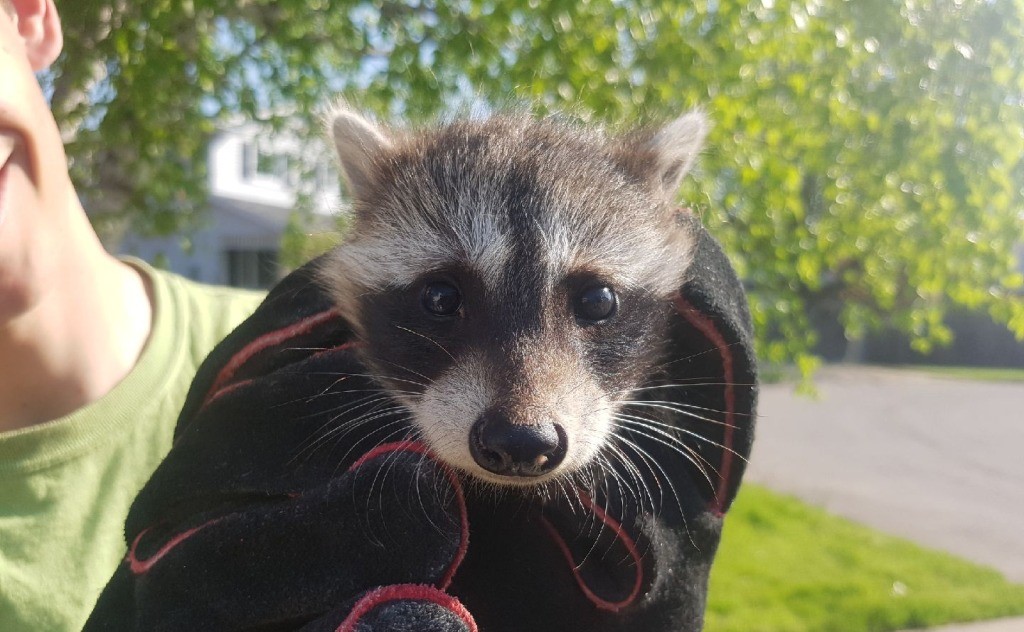
The short answer is yes, raccoons will usually leave your home on their own once the young are old enough to move around and find food. Mothers give birth in spring, usually in April or May. The young, called kits, stay in the den for about eight to ten weeks. By late summer, the family is ready to move on. But here is the problem. Waiting for that to happen means weeks of droppings, chewed insulation, and damage that does not fix itself when they walk out the door.
At Skedaddle Humane Wildlife Control in Whitby, we help homeowners deal with this every spring and summer. In this blog, you will learn why raccoons eventually leave on their own, what drives that behaviour, and why waiting is almost never the right choice when it comes to protecting your home.
Do Raccoons Return to the Same Place Every Night?
Yes, raccoons are creatures of habit. Once a mother picks your attic as a nesting spot, she keeps coming back to it every night while she is raising her young. That consistent return is part of what makes an attic situation so hard to ignore once it starts.
These animals also use several different den sites across their home range. A mother may rotate between a few sheltered spots in the neighbourhood, but the den where her kits are staying is always her top priority. She comes back to it every night until the young are old enough to travel with her. That loyalty to the den is what keeps the situation going for weeks or months in a Whitby home that has not been professionally looked at.
Even after the family leaves in late summer, the scent signals they leave behind tell other animals, including next year’s breeding females, that your attic is a safe and known den site. Without proper exclusion and cleanup after they leave, the same attic gets targeted the following spring again. That is one of the biggest reasons to call our team rather than just waiting for the current family to move on.
Growing Independence
The reason raccoons eventually leave your attic comes down to how the young grow and change. As the kits get bigger, they need the den less and the outdoors more. Here is how that process works:
- Kits Are Helpless at Birth and Need a Safe Indoor Space: Newborn kits are born blind, deaf, and fully dependent on their mother for warmth and food. In the first few weeks, the den needs to be warm, dark, quiet, and safe. Your attic provides all of that, which is exactly why it gets chosen in the first place. During this time, the mother returns to the den every night without fail.
- By Eight to Ten Weeks, Kits Start Moving and Exploring: Around eight to ten weeks old, kits begin walking, climbing, and following their mother outside for short trips. Their eyes and ears are open and they are getting stronger every day. They no longer need the constant warmth and safety of an enclosed indoor space. This is when the family starts spending more time outside and less time using your attic as their main shelter.
- As They Learn to Find Food, the Den Becomes Less Important: Once the kits are out foraging with their mother – finding grubs, berries, and other food nearby – the attic stops being a nursery and becomes just one stop on their nightly travels. The pull of the den gets weaker as the kits get more capable. By late summer, the family is mostly outside, and your attic is no longer the centre of their world.
Natural Dispersal and Overcrowding
As the kits grow through summer, the attic space that worked for a small family gets crowded fast. A mother and four or five rapidly growing young take up a lot more room in July than they did in May. That growing group puts pressure on the family to spread out and eventually move on.
Moving on is a natural part of how raccoons live. By late summer and early fall, young begin to split off from the family and find their own territories. The mother does not keep the family together forever, as the kits become capable of surviving on their own, they start going their separate ways. That happens whether the den is in your attic or a hollow tree, and it is the main reason the family eventually leaves without anyone having to do anything.
The problem with counting on that to fix your situation is the time it takes. From when a mother gives birth in April or May to when the family is fully mobile and leaves in late summer, you are looking at three to four months of active use. During that whole time, a growing family of large raccoons is tearing through insulation, leaving droppings, and wearing down your attic. Waiting the full cycle out means accepting all of that damage as part of the plan.
Multiple Dens
Mothers do not rely on just one shelter. They keep several den sites in their home range and move between them. Here is how that affects what happens in your attic:
- Mothers Keep Several Backup Den Sites Nearby: A mother usually has five to six alternative den sites in her territory. These include hollow trees, sheds, brush piles, and other sheltered spots in the neighbourhood. Once the kits can travel, she starts moving the family between these sites instead of staying only in your attic. That is part of what eventually leads the family to leave, but it also means they may come back to your attic later in the season if things change outside.
- The Attic Stays a Known Den Site Even After They Leave: When the family leaves, they leave scent signals behind that tell future raccoons, including the grown kits when they start breeding, that your attic is a safe and proven den spot. Without professional exclusion and cleanup after removal, the same entry point gets used again next spring. Our team seals every entry point and treats the affected area to remove those scent signals as part of every job.
- Other Animals Will Use the Same Entry Points: An open entry point does not stay empty for long in a neighbourhood with active wildlife. Squirrels, birds, and other wildlife will find and use the same gaps. Dealing with the entry points after the family moves on, instead of waiting to see what else moves in, is the only way to stop a constant cycle of wildlife problems at your home.
Seasonal Changes in Late Summer
Late summer brings a natural shift that encourages raccoons to leave the den and head back outside. Here is what drives that change:
- Food Is Easier to Find Outside in Late Summer: By July and August, natural food in and around Whitby is plentiful. Berries, insects, grubs, and garden produce are all available. That outdoor abundance makes foraging much more rewarding than staying close to the den. As the kits get better at finding food on their own, the den matters less and less. It goes from being a survival necessity to just one stop on a wider nightly route.
- Warmer Weather Means the Attic Is Less Necessary: The warmth of your attic matters most in early spring when the kits are newborns who cannot stay warm on their own. By midsummer, it is warm enough outside that the kits no longer need the insulation your attic provides. The advantage of staying indoors goes away as summer rolls on, and the outside becomes a perfectly good place to rest between foraging trips.
- Bigger Kits Means a Bigger Territory: As the kits grow, the family starts travelling further from the den each night. They explore more of the neighbourhood and find new food and shelter spots. That expanding territory naturally pulls the family away from the attic. By late summer, the attic may not even be on their nightly route, but the entry point is still wide open for the next animal that comes along.
The Skedaddle Approach
Waiting for raccoons to leave on their own is not a plan; it is a gamble that costs you time, money, and structural damage. Here is how our team handles the situation in a way that is safe, humane, and protects your home:
- Full Inspection Before Any Work Starts: Our team starts with a complete check of the attic, roofline, and exterior to find every entry point and see whether young are present. Knowing how old and mobile the kits are is key before any exclusion work begins. Young that cannot move on their own need a different approach than a fully mobile family. Our inspection gives us the full picture so the job gets done right the first time.
- Baby Boxes Keep Young Safe During Removal: When kits are present but not yet mobile enough to follow their mother, our team places a heated box near the entry point on the outside of the home. The mother can access the box, get her kits, and move them to one of her outdoor dens on her own timeline. This keeps the family together while getting them safely out of your home. Homeowners should never try to handle young wildlife. Call our team and let us take care of it.
- One-Way Doors Let Them Leave Without Coming Back: We put one-way doors over the active entry points. These let the mother and any mobile young get out of the attic on their own but stop them from getting back in. Once we confirm the attic is clear, we take the devices down and permanently seal every entry point with materials that hold up against future attempts to get back in. That sealing step is what actually resolves the problem; without it, the same situation starts over next spring.
Raccoon Problems a Plenty in Whitby
Whitby’s established neighbourhoods, mature trees, and green corridors near Lake Ontario create steady wildlife pressure on homes across the area. Raccoons move freely through the city using trees, fences, and rooflines as travel routes. Our team at Skedaddle works across Whitby every spring and summer, responding to attic situations that come up as females look for safe places to give birth.
Spring is the busiest time for attic entry in Whitby. Females are looking for warm, enclosed, elevated spaces in April and May, and residential attics fit the bill better than most outdoor options. Older homes in Whitby often have aging rooflines, worn soffit panels, and original wood trim that has developed small gaps these animals use to get in. Newer homes are not safe either; gaps around HVAC connections, roof vents, and soffits that were never properly sealed give raccoons a way in even in newer builds.
The situation our team hears about most often in Whitby is a homeowner who heard sounds in the attic in spring, waited to see if the family would leave on their own, and called us in July or August after several months of damage had built up. By that point, the insulation is contaminated, wood has been chewed, and the entry points have been used so long they are well worn and wide open. Acting at the first sign of activity is always the faster and less costly way to handle it.
Frequently Asked Questions
How long do raccoons typically stay in an attic in Whitby?
From the time a mother gives birth in spring to the time the family leaves in late summer, the stay typically lasts three to four months. Without professional removal and exclusion, the same attic often gets used again the following spring.
Is it safe to go into my attic if raccoons have been living there?
No. Attics with active or recent wildlife occupation contain droppings and urine that carry harmful bacteria and parasites. Anyone who goes in without the right protective gear is at risk. Call our team and let us check and handle the space safely.
Will the damage to my attic fix itself once they leave?
No. Insulation, wood, and other materials damaged during the stay need our professional assessment and often full replacement. Contaminated insulation cannot be cleaned, it has to come out and be replaced. Our team handles cleanup and restoration as part of every job.
Can raccoons damage electrical wiring in an attic?
Yes. These animals chew through almost anything, including electrical wiring. Chewed wiring inside an attic is a fire risk that most homeowners do not know about until a professional inspection finds it. Our team checks for wiring damage during every attic assessment.
What happens if I seal the entry point myself while the young are still inside?
Sealing an active entry point while young are still inside traps them. The mother cannot get them out, and the result, trapped raccoons inside your attic, creates a much bigger problem than the one you started with. Always call our team before any sealing work is done.
Do baby raccoons make noise in the attic?
Yes. Young kits make chattering, chirping, and crying sounds that are different from the heavy thumping and shuffling sounds adults make. If you hear these higher-pitched sounds from your attic in spring or early summer, a nesting situation is almost certainly already in place.
Don’t Wait Them Out: Call Skedaddle and Resolve It Now
Waiting for raccoons to leave on their own is understandable. It feels like the easiest option. But every week you wait is another week of droppings building up, insulation getting torn apart, and entry points getting wider. By the time the family leaves in late summer, the damage from a full nesting season is often significant and costly to fix.
These animals do not clean up after themselves when they leave. The droppings, the contaminated insulation, and the open entry points all stay behind and that open entry point is an invitation for the next animal to move in. The problem does not end when they walk out the door. It just resets for the following spring.
The sooner you call, the simpler the fix. Acting early in the season means less damage, less contamination, and a faster resolution for your home.
At Skedaddle Humane Wildlife Control in Whitby, our team handles the full process from inspection, safe removal of young, one-way door installation, permanent sealing, and cleanup. You do not need to go into the attic or handle any of this yourself. Request an estimate today and let our team resolve the situation completely before more damage is done.

 Loading...