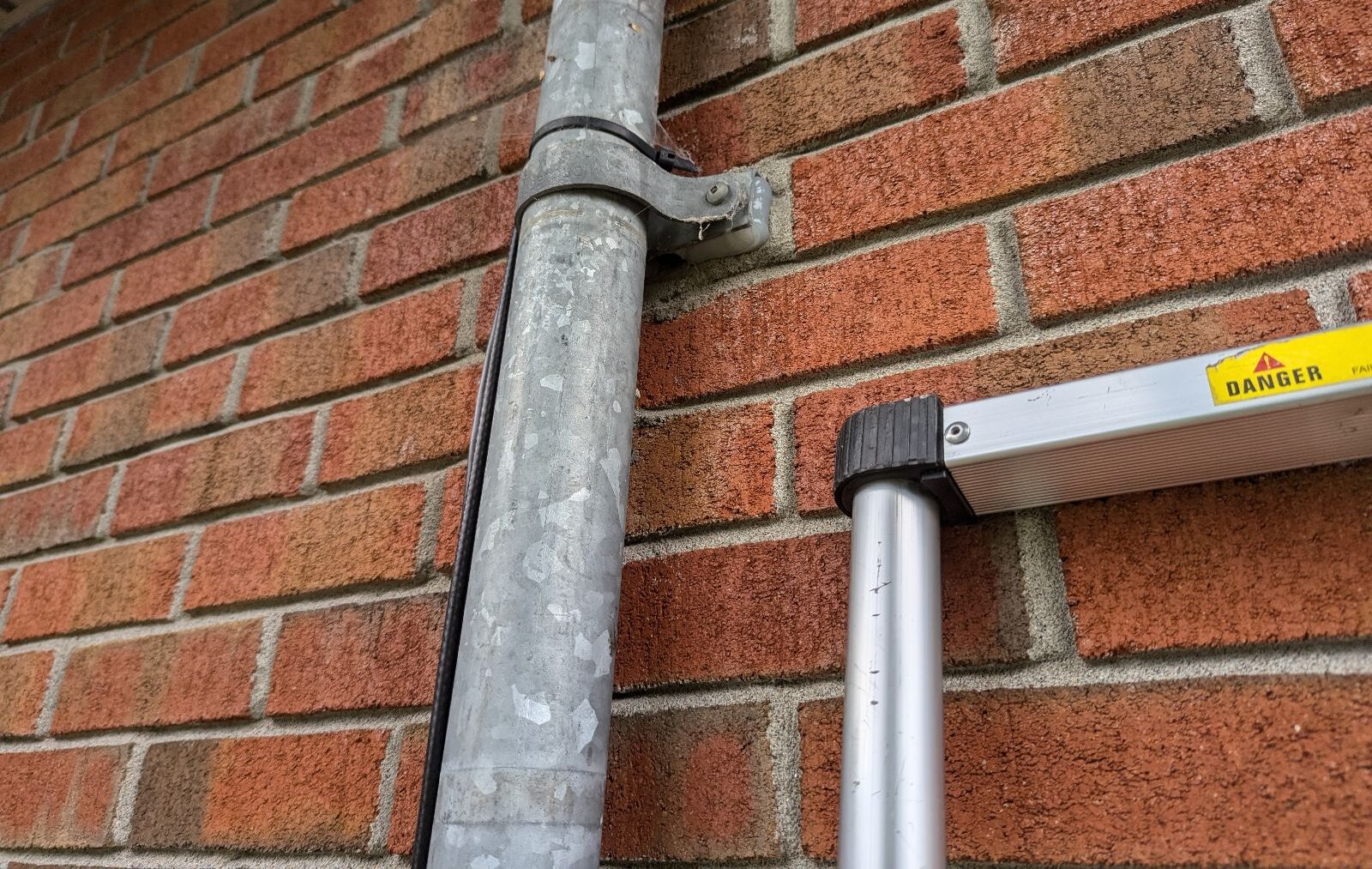
You may notice signs of mice in your London home before the first frost because these animals do not wait for snow to look for shelter. Shorter days, cool nights, heavy rain, and changing food supplies can push them toward buildings during September and October. A home can provide steady warmth, food, water, and protected nesting areas.
You may first find droppings, damaged food packages, gnaw marks, nesting material, or scratching behind a wall. Foundations, garage doors, utility openings, vents, crawl spaces, siding, and door frames may all contain small entry gaps. Seeing one mouse may also point to more activity hidden inside the structure.
Homeowners should not touch droppings, enter contaminated spaces, place poison, or close a possible entry point. At Skedaddle, we inspect the complete building and handle the work for you. In this blog, Skedaddle Humane Wildlife Control in London, Ontario, explains fall movement, common entry areas, indoor nesting, warning signs, professional removal, and lasting prevention.
What Time of Year Is Worst for Mice?
Fall and early winter are often the worst times for mouse entry because falling temperatures and changing outdoor conditions push them toward warm buildings. This movement can begin in September or October, well before the ground freezes.
Cooler nights, shorter days, heavy rain, and declining food supplies can make outdoor nesting areas less dependable. A heated building offers much steadier conditions. Garages, crawl spaces, walls, and attics can all provide shelter from the weather.
Indoor activity can continue throughout the year once they get inside. Food, water, warmth, and nesting material remain available in every season. A lack of sightings does not prove the home is clear because these animals may stay hidden for long periods.
Fall Entry Begins Before Freezing Weather
Mice do not need to wait for snow or freezing temperatures before searching for indoor shelter. Changes in daylight and temperature can signal that winter is approaching. Entering early gives them time to find food and build a protected nest.
Rain may flood or disturb outdoor nesting areas near the ground. Falling leaves and changing plant cover can also leave some shelters more exposed. A dry garage, crawl space, or wall cavity may then become more appealing.
Construction and landscaping can create more movement around nearby homes. Digging, grading, demolition, and equipment may disturb established nests. Skedaddle can determine how outdoor changes connect with the signs found inside your property.
Why London Homes Become More Appealing in Fall
A house can provide everything mice need to survive colder weather. Indoor conditions are more stable than an exposed outdoor nest. Several features may encourage them to remain once they enter.
- Steady Warmth: Walls, ceilings, garages, crawl spaces, and utility rooms can protect them from cold nights. Heat may travel through pipes, vents, and connected wall spaces. These warm routes can lead them farther into the home.
- Dependable Food: Kitchens, pantries, pet-feeding areas, garages, and storage rooms may provide regular meals. A small spill or damaged package can support hidden activity. The main nest may be far from the food source.
- Available Water: Moisture around pipes, drains, appliances, or damp crawl spaces may provide water. Even a small leak can make one part of the home more useful. Our team considers moisture when tracing nesting and travel routes.
- Protected Nesting Areas: Insulation, wall voids, cabinets, storage boxes, and spaces behind appliances offer quiet shelter. These locations allow nesting to continue with little disturbance. Homeowners may not notice a problem until the group has grown.
- Soft Nesting Material: Paper, fabric, insulation, and other soft items may be pulled into a hidden space. The nest may also contain food debris, urine, and droppings. Homeowners should not handle or move this material.
Small Openings Around London Homes
 Mice can use very small openings around a building. Many of these gaps sit near the ground or behind exterior materials, making them hard to see. Our professional inspection follows each possible route into the home.
- Foundation Gaps: Cracks and spaces where building materials meet may lead into basements, crawl spaces, or walls. Soil movement and moisture can make them larger over time. Skedaddle checks the complete foundation for active and possible entry routes.
- Garage-Door Seals: Bent, worn, or uneven seals may leave space beneath or beside the door. Once inside, they can hide behind stored items or enter connected walls. We inspect both the garage and its connection to the main home.
- Utility Openings: Pipes, wires, cables, and heating lines pass through exterior walls. Small gaps around these lines can create hidden paths indoors. One route may connect with several rooms or floors.
- Crawl-Space Vents: Damaged screens, loose covers, and spaces around vent frames may lead into protected areas. Activity beneath the home can remain hidden for weeks. Our technicians inspect the cover and the surrounding foundation materials.
- Siding and Exterior Trim: Loose siding, damaged trim, and gaps near doors may also provide access. The outside opening can be far from the room where sounds are heard. Skedaddle traces the possible path through the structure.
What Happens After They Move Indoors?
Mice often build nests in quiet places close to food and water. Walls, insulation, cabinets, garages, crawl spaces, and areas behind appliances can provide protection. Narrow building gaps allow them to move between these spaces without entering open rooms.
Stable indoor conditions may support fast reproduction. A small nest can grow before you see one moving across the floor. As the group becomes larger, some may spread into other parts of the building.
The room where one is seen may not contain the main nest. They may travel beneath floors, through walls, or along utility lines to find food. Skedaddle traces these routes without asking homeowners to open walls or search contaminated spaces.
Warning Signs of Hidden Fall Activity
Mice tend to stay out of sight, especially during the day. Homeowners often notice waste, damage, or sounds before seeing one. Several signs together may show how far the activity has spread.
- Droppings: Small, dark droppings may appear in cabinets, garages, crawl spaces, drawers, or storage areas. Fresh waste in several places may reveal regular travel routes. You should not touch, sweep, or vacuum it.
- Gnaw Marks: Chewed food packages, wood, drywall, plastic, or insulation may point to indoor activity. Electrical wires may also be damaged, which can create a fire risk. Our team checks the visible damage and nearby hidden areas.
- Sounds Behind Walls: Scratching, squeaking, chewing, or quick movement may come from walls, ceilings, or floors. These sounds are often easier to hear at night when the home is quiet. A professional inspection can locate the source without causing random damage.
- Nesting Material: Shredded paper, fabric, insulation, or other soft material may collect in one place. The nest could sit behind an appliance, inside a box, or within a wall. It may also contain waste and stored food.
- Odours and Stains: Ongoing activity can create a musty smell inside enclosed areas. Dark rub marks or urine stains may appear along routes used many times. These signs help our technicians measure the extent of the problem.
Why One Sighting May Point to a Larger Problem
One visible mouse does not show how many are inside. Others may remain behind walls, above ceilings, beneath floors, or close to a nest. Fast reproduction can increase the number before the activity becomes easy to notice.
A sighting may also happen far from the main entry point. One may pass through several walls or floor spaces before entering a kitchen, bedroom, or living room. The location where it appeared is only one clue.
Removing one visible visitor does not close the route or address hidden contamination. More can use the same foundation gap, utility opening, or garage route. A complete response must deal with the occupants, nesting areas, waste, damage, and entry points together.
How Professional Inspection Reveals the Full Problem
One sighting or pile of droppings cannot show the full size of the activity. Our professional wildlife team examines the interior and exterior of the home. Each finding helps us trace the route from the outside opening to the hidden nesting space.
We inspect foundations, garage doors, vents, siding, utility lines, crawl spaces, kitchens, storage rooms, and other connected areas. Droppings, gnaw marks, odours, damaged packages, and nesting material help map their movement. Homeowners do not need to search these areas themselves.
Our technicians also assess affected insulation, wood, drywall, wiring, and stored items. This shows which areas require sanitation or restoration. The results guide one complete plan for removal, cleaning, repairs, and exclusion.
Fall Mouse Problems in London, Ontario
London’s cool fall nights, rain, mature trees, parks, waterways, and green spaces can support seasonal movement. September and October may bring more activity around homes before the first frost. Properties near natural areas may contain regular travel routes.
The city includes older neighbourhoods, newer developments, attached garages, basements, crawl spaces, additions, and many foundation styles. Each type of building may contain different access areas. Nearby construction can also disturb outdoor nesting sites and push activity toward homes.
Droppings, gnaw marks, odours, damaged packages, nesting material, and sounds behind walls may be the first warnings. Seeing one mouse may point to more hidden activity. At Skedaddle Humane Wildlife Control in London, Ontario, we can identify the source and create a complete professional plan.
Mouse Removal and Prevention with Skedaddle: What to Know
Our professional wildlife team begins with a detailed inspection of the property. We locate nesting areas, travel routes, active entrances, secondary gaps, contamination, and damage. This gives us the information needed to create a plan for the whole home.
At Skedaddle, we use humane removal methods based on the conditions found. One-way doors may be used when appropriate, allowing wildlife to leave while preventing re-entry. Our technicians install and monitor these devices as part of the professional process.
We confirm the affected space is clear before securing foundations, utility gaps, garage openings, vents, siding, and other vulnerable areas. Our team also handles contaminated nesting material, sanitation, and restoration where required. Homeowners are not asked to remove occupants, clean waste, or complete repairs.
Frequently Asked Questions
Do mice enter homes before winter?
Yes, movement can begin during September or October. Cooler nights and changing outdoor conditions may push them toward warm buildings before the first frost. They do not need to wait for snow or freezing ground. Early entry gives them time to find food and build a nest.
Where do mice hide inside a home?
They may hide inside walls, ceilings, cabinets, garages, crawl spaces, insulation, and areas behind appliances. These quiet spaces can remain close to food and water while keeping them out of sight. One home may contain several connected hiding places. A professional inspection can locate the main nest and travel routes.
Does seeing one mouse mean there are more?
One sighting does not prove that a large group is present, but others may remain hidden. These animals spend much of their time behind walls, beneath floors, or near nesting areas. Their fast breeding cycle can also allow a small problem to grow. Skedaddle can determine the extent of the activity.
What do mice sound like inside walls?
You may hear light scratching, squeaking, chewing, or quick movement. The sounds may become clearer at night when the house is quiet. Noise can travel through walls and ceilings, so the nest may not be directly behind the area where it is heard. Our technicians can trace the source professionally.
Should mouse droppings be cleaned right away?
The waste should be addressed, but homeowners should not touch, sweep, or vacuum it. Disturbing dried material may spread contaminated particles into the surrounding area. The amount and location of the waste can also help identify travel routes. We can assess and professionally clean the affected space.
Who should inspect a London home for mice?
Our trained wildlife professionals should inspect the complete interior and exterior. Skedaddle can locate nesting areas, travel routes, entry gaps, contamination, and damaged materials. Our team also identifies secondary openings that could be used later. You will not need to enter unsafe areas or handle waste.
Address Fall Entry Before the First Frost
Shorter days, cool nights, rain, changing food supplies, and disturbed outdoor nests can bring mice toward London homes before winter begins. This movement may start during September or October, long before the first snow.
Foundation cracks, garage-door seals, utility openings, vents, crawl spaces, siding gaps, and door frames can provide hidden routes indoors. Droppings, gnaw marks, damaged packages, nesting material, odours, and sounds behind walls may point to established activity. One sighting could also mean more are hidden nearby.
You should not touch waste, enter contaminated spaces, place poison, or close possible entry points yourself. At Skedaddle Humane Wildlife Control in London, Ontario, we handle the inspection, humane removal, sanitation, restoration, and exclusion work for you.
Our professional wildlife team may use one-way doors when appropriate to allow them to leave while preventing re-entry. We then secure vulnerable openings with durable materials. Contact us and request an estimate to learn more about protecting your home before the first frost.

 Loading...