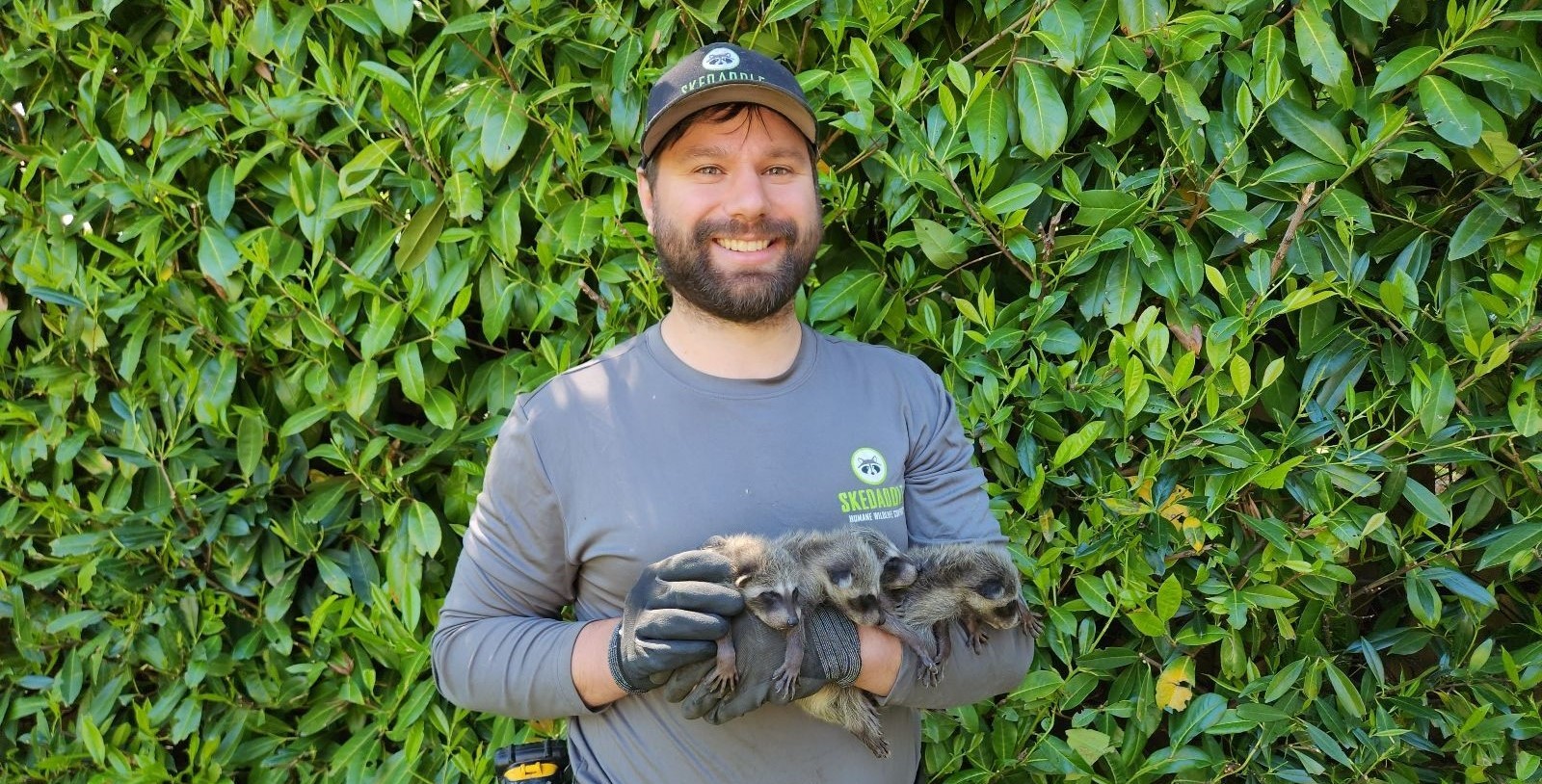
Living in Windsor comes with the perk of beautiful neighbourhoods and access to parks and green spaces. But it also means that wildlife is a part of everyday life. Animals like raccoons, squirrels, skunks, bats, and birds are naturally drawn to areas where humans live. While these animals are a valuable part of the ecosystem, they can sometimes create risks when they come into close contact with homes.
Wildlife around your property may seem harmless at first, but even a curious raccoon or a nesting bird can pose a threat to your family’s safety or create structural damage to your home. Understanding how wildlife behaves, knowing the risks, and having a plan in place are key to protecting both your home and the animals themselves.
At Skedaddle Humane Wildlife Control in Windsor, we help families manage these situations safely, responsibly, and effectively. From identifying early signs of wildlife activity to preventing future encounters, we take a proactive approach to keep your family safe while respecting local wildlife.
Why is DIY Wildlife Removal So Bad?
It might be tempting to try handling wildlife yourself. After all, with online tutorials and social media tips, it can seem simple. However, attempting to remove wildlife without professional expertise is dangerous and often counterproductive.
Wildlife can carry diseases, including rabies, leptospirosis, and parasites. Even seemingly small animals like squirrels or bats can transmit pathogens through bites, scratches, or droppings. Handling them without protective equipment puts your family and pets at risk.
DIY methods can also create more stress for the animals, leading to unpredictable behaviour. A scared raccoon may damage property in an attempt to escape, or a mother animal may abandon her young if disturbed. Improper approaches can make a situation worse, rather than safer.
At Skedaddle Humane Wildlife Control, we bring years of experience to every case. We understand animal behaviour, seasonal patterns, and local wildlife regulations. By entrusting wildlife management to our trained professionals, you ensure your family stays safe while the animals are treated with care and respect.
How Skedaddle Assesses Wildlife Activity
The first step in keeping your family safe is understanding the situation fully. At Skedaddle, we begin with a thorough property assessment to identify wildlife activity and potential risks.
Our experts look for subtle signs that indicate animals may be nearby:
- Unusual noises in the attic, walls, or ceiling
- Droppings or nesting material around the property
- Damage to insulation, vents, or rooflines
- Observations of wildlife moving through yards, trees, or fences
Each property is unique, so we take time to understand how wildlife may be using your home or yard. This detailed assessment allows us to develop a plan that prioritizes both human safety and the well-being of the animals.
By knowing exactly what species are present and where they may be active, we can prevent surprises and reduce the risk of encounters that could harm your family or the animals themselves.
Preventing Wildlife from Entering Your Home
Once we understand the scope of wildlife activity, prevention becomes the focus. Preventing wildlife from entering your home is safer, more effective, and more humane than dealing with conflicts after they happen.
Common ways wildlife may attempt to access homes include gaps in rooflines, unsealed vents, chimneys, and attic openings. Skedaddle works with homeowners to implement preventative measures that reduce these risks without harming the animals.
Preventive strategies we often recommend include:
- Sealing gaps and entry points in attics, soffits, and rooflines
- Securing vents and chimneys with wildlife-safe barriers
- Installing screens or mesh over openings that animals could exploit
- Reinforcing sheds, decks, and other outdoor structures
These methods not only protect your home but also encourage wildlife to remain in natural habitats rather than attempting to enter residential spaces. Our goal is to create solutions that are safe for everyone—your family, your pets, and the local wildlife.
Keeping Your Yard and Outdoor Spaces Safe
Wildlife often explores outdoor spaces before attempting to enter homes. Gardens, compost areas, decks, and sheds can all attract animals seeking food or shelter.
At Skedaddle, we guide homeowners on how to make their outdoor areas less inviting to wildlife while still respecting the natural environment. Some of the measures we suggest include:
- Securing compost bins and garbage areas
- Removing accessible pet food and bird seed at night
- Clearing standing water to prevent attracting animals like skunks
- Managing fruit trees or gardens in a way that minimizes access
These adjustments reduce the likelihood of unwanted encounters and keep your property safer for your family. We also emphasize that the goal is not to eliminate wildlife entirely but to create boundaries that allow humans and animals to coexist safely.
Monitoring and Follow-Up Care
Resolving a wildlife issue is not always a one-time event. After initial assessment and interventions, ongoing monitoring ensures that entry points remain secure and that wildlife does not attempt to return.
At Skedaddle, we provide follow-up inspections and guidance to ensure your home remains protected. These visits allow us to:
- Check the effectiveness of exclusion measures
- Identify any new signs of activity early
- Provide advice for seasonal wildlife patterns that may affect your property
By taking a long-term, proactive approach, we help prevent repeat encounters and maintain a safe environment for your family.
Educating Homeowners About Local Wildlife
Understanding local wildlife behaviour is an essential part of family safety. At Skedaddle, we believe that informed homeowners make better decisions when it comes to preventing wildlife conflicts.
We provide education on:
- Recognizing signs of wildlife activity
- Understanding seasonal behaviours, like baby season or food foraging
- Tips for safely observing wildlife from a distance
- Actions to prevent wildlife from creating unsafe situations
When homeowners understand how animals behave, they can take steps to protect their property without stressing or endangering wildlife. Education is a key component of our approach because prevention and knowledge go hand in hand.
Windsor Wildlife FAQ
What types of wildlife are common in Windsor homes?
Raccoons, squirrels, skunks, bats, and birds are among the species most likely to explore residential areas or attempt to den near homes.
Is it safe to touch or feed wildlife near my home?
No. Wildlife can carry diseases, and feeding them encourages closer contact, increasing the risk to humans and pets.
How does Skedaddle safely remove wildlife from homes?
We use proven, humane methods tailored to each situation, ensuring the safety of both your family and the animals involved.
Can wildlife return after removal?
Yes, which is why prevention and follow-up care are essential. We help secure entry points and provide guidance to reduce the risk of future encounters.
How do I know if I have wildlife in my attic or walls?
Signs include unusual noises, droppings, or disturbances in insulation. Our trained professionals can safely assess and identify wildlife activity.
Safety First with Skedaddle Humane Wildlife Control
Wildlife is a natural and valuable part of Windsor’s ecosystem, but encounters near homes can pose real risks to families and property. From raccoons and squirrels to skunks and bats, understanding wildlife behaviour is key to safety.
DIY removal methods are risky and often ineffective, while professional intervention ensures both your family and the animals are protected. At Skedaddle Humane Wildlife Control, we combine assessment, prevention, education, and ongoing monitoring to provide comprehensive solutions that prioritize safety and respect for wildlife.
If you notice signs of wildlife activity or want to protect your home proactively, we can help. By contacting Skedaddle in Windsor, you’re taking the first step toward a safe, secure, and wildlife-aware home environment.

 Loading...







