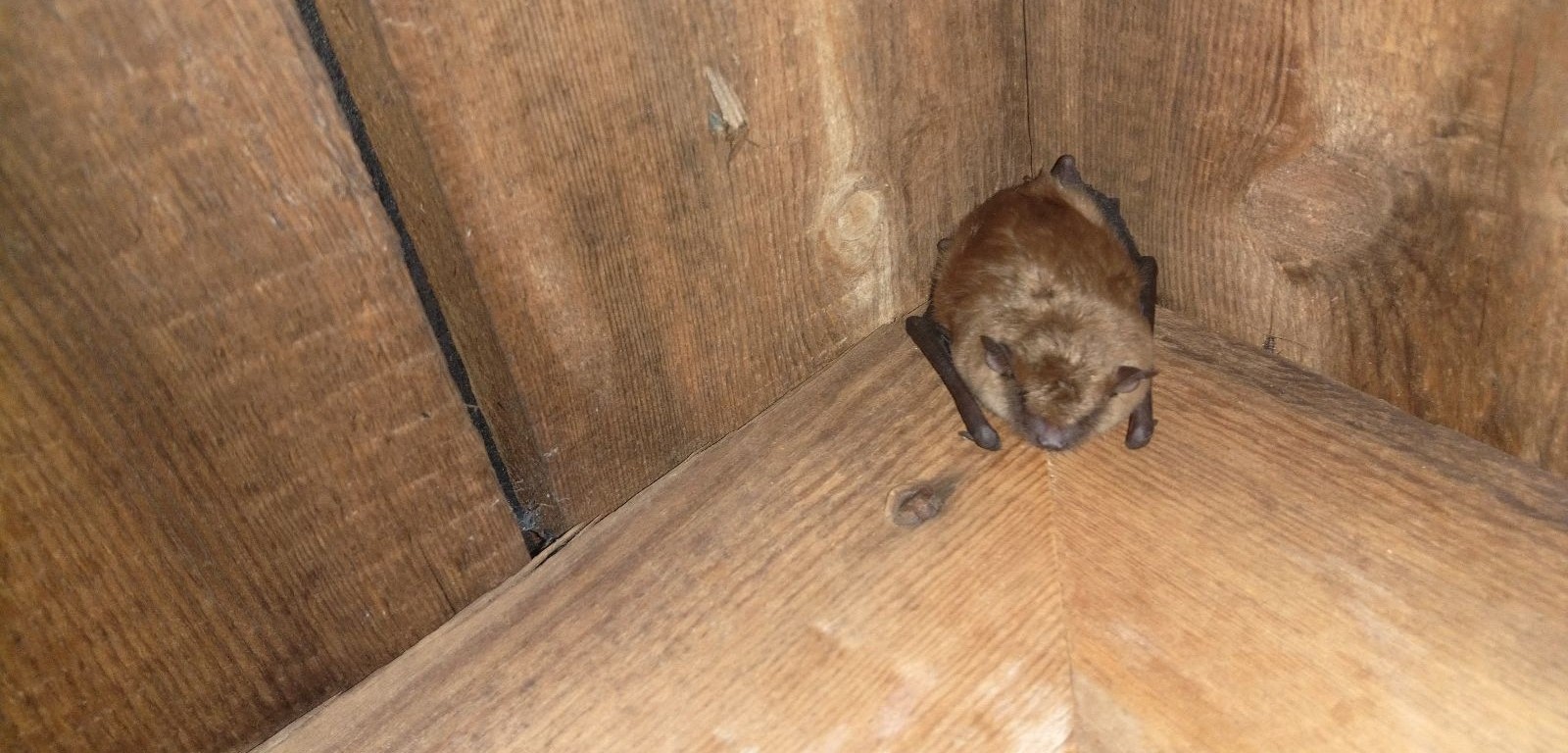
If you find a bat in your house, immediately isolate the animal in one room, open the windows, and call Skedaddle Humane Wildlife Control in Atlanta for professional removal. You should never try to catch or touch the bat yourself. Shut the doors to keep the animal contained in a single space. Put a towel under the door so it cannot crawl out. In this blog, we will explain exactly how our experts handle the situation safely and humanely.
Discovering a wild animal inside your living space can be a scary experience. You might wonder how it got inside and what you should do next. This guide is for homeowners who need quick, safe, and effective answers. We will teach you about our removal process and how we protect your home.
By reading further, you will learn why professional help is the only way to deal with a bat colony. We use proven methods to get the bats out and keep them out. Our professional team is ready to protect your home.
Do bats carry disease?
Yes, bats can carry diseases that are harmful to humans and pets. The most well-known risk is rabies, which can be transmitted through a bite or scratch. Even a tiny scratch from a bat can go unnoticed, which is why you must never touch them. They also leave behind droppings, known as guano, which can grow a fungus that causes a lung disease called histoplasmosis.
Because of these health risks, you should always leave wildlife removal to the professionals. Our trained technicians know exactly how to handle these animals safely. We use protective gear to avoid any contact with disease. We also know how to properly clean and sanitize the areas where bats have been living.
What To Do If You Find a Bat in Your House?
When you find a bat inside your home, the most important step is to remain calm and keep your distance. You should immediately close all doors leading to the room where the bat is located. This keeps the animal trapped in one specific area of your house. Once the room is sealed off, open a window if you can safely do so without getting near the bat.
After securing the room, pick up the phone and call Skedaddle Humane Wildlife Control. Our experienced team will arrive quickly to take over the situation. We do all the hard work so you never have to risk your safety. Our humane bat removal process ensures the animal is removed without harm. We focus on getting the bat out safely while protecting your family from any potential risks.
Our Thorough Assessment and Inspection
When it comes to dealing with bats in your home, understanding the situation is the first step. Our team begins every visit with a careful assessment to find out how and why the bat got inside. This inspection helps us create a plan to remove the bat and prevent future problems, keeping your home safe and secure.
- Checking the Roofline: We carefully examine your roofline, shingles, and vents for any tiny gaps. Bats can squeeze through holes as small as a dime. Our technicians know exactly what signs to look for, such as grease marks or droppings. We document every single entry point we find on your property.
- Inspecting the Attic Space: Bats love to roost in dark, warm attics. We go into your attic to assess the size of the colony and the extent of the damage. This helps us plan the best removal strategy for your specific home. We also check the condition of your insulation during this step.
- Identifying the Bat Species: Different species of bats have different behaviours and protection status. We identify the exact type of bat living in your home. This ensures our removal methods follow all local wildlife laws. We always treat the animals with the respect they deserve.
Humane One-Way Doors (Exclusion)
Bats can be helpful animals, but having them live in your home can cause problems. That’s why it’s important to remove them safely and humanely. One of the best solutions is using special one-way doors to guide bats out without harming them. Here’s how it works:
- Installing Specialized Doors: Our team installs humane one-way doors over the main entry points we found during the inspection. These devices allow the bats to fly out of your house to hunt for insects at night. However, the doors prevent the animals from getting back inside. It is a completely safe and stress-free process for the bats.
- Waiting for the Colony to Leave: Once the one-way doors are in place, we wait for nature to take its course. Over a few nights, the entire colony will naturally exit your home. They will not be harmed, but they will be forced to find a new natural habitat. We monitor the situation to ensure every bat has left.
- Removing the Exclusion Devices: After we confirm that your home is completely empty, we return to remove the one-way doors. We then permanently seal those final entry points. Your home is now fully secure, and the bats are back in the wild where they belong.
Cleanup and Sanitization
Bats can leave behind a mess in the spaces they occupy. Their droppings, called guano, can accumulate and create unpleasant odors or potential health risks. Cleaning up these areas is an important step to make your home safe and comfortable again.
- Removing Dangerous Guano: Bat droppings can accumulate quickly and create a terrible odour. Our technicians wear specialized breathing masks and protective suits to safely remove all the guano. We use industrial vacuums to clear out the waste without spreading harmful dust. You should never try to sweep or vacuum this up yourself.
- Disinfecting the Space: Once the physical waste is gone, we thoroughly sanitize the entire area. We use professional-grade, environmentally friendly products to kill bacteria and fungi. This completely eliminates the risk of histoplasmosis in your home. It also destroys the strong smells that attract other animals.
- Replacing Ruined Insulation: If the bats have soiled your attic insulation, it loses its ability to keep your home warm. We safely remove the contaminated materials and dispose of them properly. Then, we install fresh, clean insulation to restore your home’s energy efficiency. Your attic will look and smell brand new.
Sealing Your Home for Long-Lasting Protection
 Once the cleanup and insulation replacement are complete, the next crucial step is to secure your home against future infestations. Experts thoroughly inspect your home to find even the smallest gaps or openings where bats or other pests could sneak in. These areas are then sealed using tough and reliable materials designed to stand the test of time. This not only keeps pests out but also helps maintain your home’s energy efficiency.
The sealing process involves using specialized equipment to ensure every corner is tightly secured. Our professionals may add mesh, caulking, or other weather-resistant materials to block off common entry points like vents, chimneys, and roof gaps. With these measures in place, your home becomes a fortress against unwanted visitors, giving you total peace of mind.
Additionally, preventive measures like installing one-way doors may be included. These allow any remaining bats to leave but prevent them from returning. By creating a strong barrier and tailoring protections to your home’s specific needs, experts ensure your attic remains clean, pest-free, and protected for years to come. Investing in sealing and protection safeguards your home and saves on potential future repair costs.
Local Wildlife Challenges in Atlanta
Living in Atlanta comes with unique challenges due to its climate and housing styles. The city’s hot, humid summers and mild winters create a perfect environment for wildlife to thrive. Bats, in particular, are highly active during the warmer months, taking advantage of the abundance of insects available as a food source. While these creatures play an important role in controlling insect populations, they can also become unwelcome visitors in homes.
Many homes in Atlanta reflect older architectural styles, often featuring brick siding, varied rooflines, and intricate designs. While these elements add charm and character, they can also create small gaps and openings that bats use as entry points. Common weak areas include vents, chimneys, and loose fascia boards. These access points make it easy for bats to enter and establish roosts inside attics or walls.
Our team specializes in addressing the specific challenges faced by Atlanta homeowners. We understand the region’s housing styles and know exactly where to look for vulnerabilities in your home. By tailoring our services to meet your unique needs, we ensure your home remains protected from unwanted wildlife. Whether you need an inspection, exclusion work, or repairs, our expertise ensures peace of mind for you and your family.
Expert Bat and Wildlife Prevention
Stopping animals from entering your home is the best way to avoid future problems. After we safely remove the bats, our professional wildlife team focuses on prevention to keep your home secure. We use strong materials like galvanized steel mesh and heavy-duty sealants to block any spots where animals might get in. These materials are designed to last and hold up against persistent wildlife.
Our team also looks for places where squirrels, birds, or other animals could enter in the future. We check areas like vents, gaps around pipes, and loose or damaged roof materials. By addressing these weak spots, we make sure your home is less attractive to wildlife. Our experience with animal behaviour helps us stay one step ahead and know where they might try to break in next.
With our thorough prevention methods, you can feel confident your home is protected for years to come. We don’t just focus on the current issue—we work to stop others from happening. By securing your home and eliminating vulnerabilities, we give you peace of mind and a safer, wildlife-free environment.
Frequently Asked Questions
What time of year are bats most active?
Bats are most active during the spring and summer months. This is when they form maternity colonies to raise their babies. In the winter, many species will hibernate in dark, quiet places like your attic.
Are bats protected by law?
Yes, many bat species are protected by wildlife laws because their populations are declining. It is illegal to kill them or use poisons. This is why our humane one-way doors are the only legal and ethical way to remove them.
How small of a hole can a bat fit through?
A bat can squeeze through a gap as small as a dime. Their bodies are very flexible, allowing them to slip into tiny cracks around your roof. This makes finding and sealing every single hole a job for our professionals.
Will the bats come back to my house?
Bats have strong homing instincts and will often try to return to their roost. However, our permanent sealing techniques ensure they cannot get back inside. They will eventually give up and find a new home in the wild.
Can a bat damage the structure of my home?
Bats do not chew on wood or wires like squirrels do. The main damage comes from their droppings and urine, which can rot wood, ruin insulation, and stain your ceilings over time.
Keep Your Home Safe and Bat-Free
Finding a bat in your home can be scary, but solving the problem doesn’t have to be. At Skedaddle Humane Wildlife Control, we understand how important it is to keep your family and property safe. That’s why we use humane methods to carefully remove unwanted wildlife and prevent it from coming back.
You don’t need to handle this stressful situation alone. By isolating the area and staying away from the animal, you’re already taking the right first steps to protect your loved ones. The next step is letting our trained professionals take care of the rest.
Our skilled team will inspect your home, safely remove the animal, clean up the mess, and seal your property to keep wildlife out for good. We take pride in our safe and effective methods, which care for both your home and the animals.
Don’t wait for the problem to get worse—damage can happen quickly, and protecting your home is essential. Contact us today to get expert advice and request an estimate. With Skedaddle Humane Wildlife Control in Atlanta, you can have peace of mind knowing your home is secure, your family is safe, and wildlife is treated with care.

 Loading...







