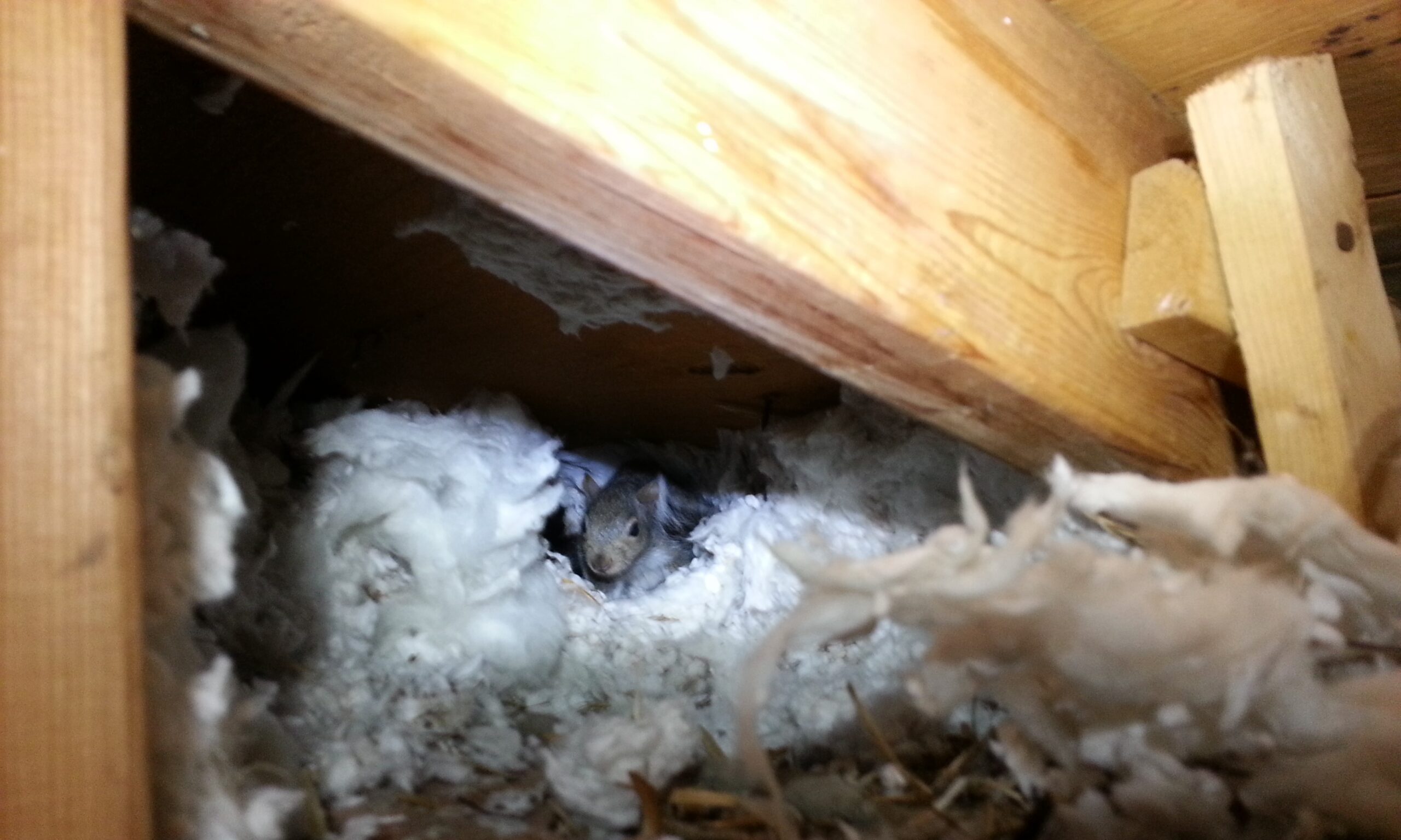
Have you ever wondered why squirrels choose one house over the neighbour’s? An attic becomes attractive to squirrels based on a combination of easy access, structural warmth, safety from predators, and the availability of nearby food sources. These agile animals are highly opportunistic.
They often prefer attics that are undisturbed by humans, providing a secure, quiet environment for nesting and raising their young. If your home has easily reachable roof gaps, overhanging tree branches, or weak vents, it becomes a top target for an animal looking for shelter.
In this blog, we will explain exactly what draws these creatures inside and how Skedaddle Humane Wildlife Control in York Region can help protect your property. You will learn the specific factors that make a space appealing and why professional intervention is always the safest choice. Let our team handle the hard work so you can relax knowing your home is totally secure.
How do squirrels get into an attic?
Squirrels get into an attic by exploiting existing weaknesses in a home’s exterior, such as chewing through plastic roof vents, pushing past loose soffits, or climbing down uncapped chimneys. Because squirrels are excellent climbers, they use overhanging tree branches or telephone wires to reach your roof. Once on the roof, they search for any small gap or soft spot.
Their sharp teeth can easily gnaw through thin aluminum, wood, and plastic to create an opening just large enough to squeeze inside. After they breach the exterior, they build nests in the insulation. Our team knows exactly how to locate these hidden entry points. Homeowners should never try to seal these holes themselves, as it is easy to accidentally lock an animal inside.
Easy Entry Points and Roof Vulnerabilities
A house with pre-existing damage is much more appealing to squirrels than a fully sealed home. These animals actively seek out weak spots that require minimal effort to break through. When assessing a home, our professionals often find specific areas that serve as an open door.
Common entry points include:
- Roof and gable vents made of thin plastic that are easy for an animal to chew.
- Gaps in soffits or fascia boards caused by water damage and rot.
- Uncapped chimneys that offer a dark, warm path directly inside.
- Holes left behind by other animals, which new visitors will gladly claim.
Our technicians are trained to identify and secure these areas properly, so you never have to climb a ladder.
Convenient Access Routes
Even the smallest gap in your roof can be an open invitation to animals, but only if they can get to it. Homes that are easy to access are extremely attractive to wildlife looking for shelter. Overhanging tree branches work like natural bridges, giving squirrels a direct path to your shingles and rooftop.
Other structures, like telephone lines or tall fences, can also serve as easy highways for creatures like squirrels. Once they can reach your roof, they have plenty of time to search for weak spots to exploit. These access points make it much easier for animals to move in and create problems for your home.
To make your roof harder to reach, it’s important to take preventative steps. One of the best ways is to keep tree limbs trimmed back and away from your roof. This small effort can protect your home by making it less accessible to unwanted guests.
Warmth and Reliable Shelter
During the cold Canadian winters and chilly spring nights, squirrels are always looking for a warm place to stay. Natural tree dens are one option, but an insulated, dry space in a home is even better. The upper levels of your house become cozy as heat from your living space rises, making them very appealing.
Squirrels are naturally drawn to the warmth that escapes from vents, roof gaps, and cracks around your home. When they sense the heat, they often work tirelessly to find a way inside. Once indoors, they will search for a safe place to build a nest and stay warm during the freezing temperatures.
While squirrels seeking shelter is natural, their presence in your home can cause damage. They might chew through wires, damage insulation, or create a mess in your attic. Preventing access to these cozy spaces is key to protecting both your home and these animals themselves.
Abundance of Nesting Materials
A safe shelter is not complete without a comfortable nest. Some homes offer a massive supply of materials that squirrels use to raise their babies. When they find a space filled with soft, chewable items, they rarely want to leave.
Attractive nesting materials include:
- Fibreglass insulation that is easily torn and shaped into a warm bed.
- Stored cardboard boxes and paper items left untouched for years.
- Exposed wood and electrical wiring that they chew to keep their teeth sharp.
- Old clothing or linens packed away in easily accessible areas.
Because squirrels chew on wires and insulation, they can cause serious structural and electrical damage. Our team uses specialized methods to carefully remove these nests and the animals safely.
Proximity to Food and Water
Squirrels will always choose a home that offers a nearby buffet. If your yard provides easy meals, these animals will want to live as close as possible. They prefer not to travel far from their nests to find food.
Features that attract them to your yard include:
- Bird feeders that spill seeds directly onto the ground.
- Fruit trees or gardens with fallen, unharvested produce.
- Unsecured garbage bins that are easy to pry open.
- Pet food left outside on patios or decks overnight.
Removing these food sources is a great way to make your property less inviting to hungry animals.
An Undisturbed Environment
A mother squirrel looks for a safe, quiet place to raise her babies. These spaces need to feel secure from danger, which makes certain areas of your home very attractive. Rooms or corners that are rarely visited often provide the perfect sanctuary for animals like squirrels.
Dark and quiet spaces in your home naturally appeal to wildlife. Basements, attics, and crawl spaces are common spots that these animals find ideal. If these areas also carry smells of past animal activity, it reassures the mother that the location is safe.
Regularly inspecting these parts of your home can help prevent unwanted guests. By keeping these spaces bright, clean, and free of squirrel scents, you make them less appealing. This simple maintenance can go a long way in avoiding potential problems with squirrels or other wildlife.
Local Wildlife Challenges in York Region
Homes in York Region experience unique challenges throughout the year, especially during seasonal changes. Cold temperatures in the fall and winter push many squirrels to seek shelter indoors, often making their way into attics, basements, or walls. This creates safety risks for both your home and family, as squirrels can damage property and spread diseases.
The design of many local homes can unintentionally invite wildlife inside. Rooflines with multiple peaks and decorative dormers often create small spaces and hidden corners, which are perfect for these animals like squirrels to use as entry points. Without proper prevention, these creatures can quickly settle in and cause significant issues.
By hiring our experienced local team, you gain professionals who understand these unique challenges. We know how York Region’s weather and environment influence animal behavior. With our knowledge, we can protect your home and keep wildlife where it belongs—outside.
Squirrel Prevention and Removal
In the end, what draws squirrels to one attic over another comes down to a simple mix of opportunity, comfort, and access. Attics that offer easy entry points, consistent warmth, and quiet, undisturbed spaces are far more appealing than those that are well-sealed and properly maintained. Even small vulnerabilities, like loose vents, damaged soffits, or overhanging branches, can make a big difference in how inviting your home appears to wildlife.
For homeowners in York Region, the takeaway is clear: prevention is key. Regular inspections, timely repairs, and proactive maintenance can significantly reduce the chances of squirrels turning your attic into their next nesting site. And if squirrels have already made themselves at home, addressing the issue quickly and humanely is essential to protect both your property and the animals.
By understanding what attracts squirrels in the first place, you’re better equipped to keep them out, and to know when it’s time to call in professionals like Skedaddle Humane Wildlife Control to ensure the job is done safely and effectively.
Frequently Asked Questions
Do squirrels leave on their own?
Most squirrels will not leave a warm, safe shelter voluntarily. Once they establish a nest, especially if they have babies, they will stay until removed by professionals.
Can I trap and move the squirrels myself?
No, trapping causes extreme stress to the squirrel and can separate mothers from their babies. We do not use live traps; instead, we rely on one-way doors to allow them to exit safely and naturally.
How do I know if squirrels have babies inside?
During the spring and fall baby seasons, it is very common for mothers to nest indoors. You might hear high-pitched squeaking or scratching sounds. Our experts are trained to locate and safely handle babies.
Why is professional removal necessary?
Professionals understand squirrel behaviour and the safest ways to remove them without causing harm or spreading disease. Homeowners lack the proper safety equipment and training to deal with unpredictable squirrels and the hazardous waste they leave behind.
Take the Right Steps to Protect Your Home
Finding out you have squirrels living in your home can be incredibly stressful. By understanding what makes a space attractive to squirrels, you can recognize the vulnerabilities in your own property.
From easy access points and warm insulation to a quiet environment and nearby food, many factors turn a house into a perfect den. Dealing with these animals is not a project you should tackle on your own. Trying to block holes or clean up nesting materials exposes you to diseases and the risk of locking squirrels inside to suffer.
Instead of worrying about property damage or health risks, let the professionals step in. Our highly trained team at Skedaddle Humane Wildlife Control in York Region is ready to handle the entire process for you. We provide thorough assessments, humane removal using one-way doors, and complete cleanup of the affected areas.
Do not wait for a small issue to become a massive structural problem. Request an estimate today to learn more about our comprehensive services and book an appointment with our specialists. Let us keep your home safe, secure, and completely free of unwanted animals.

 Loading...







