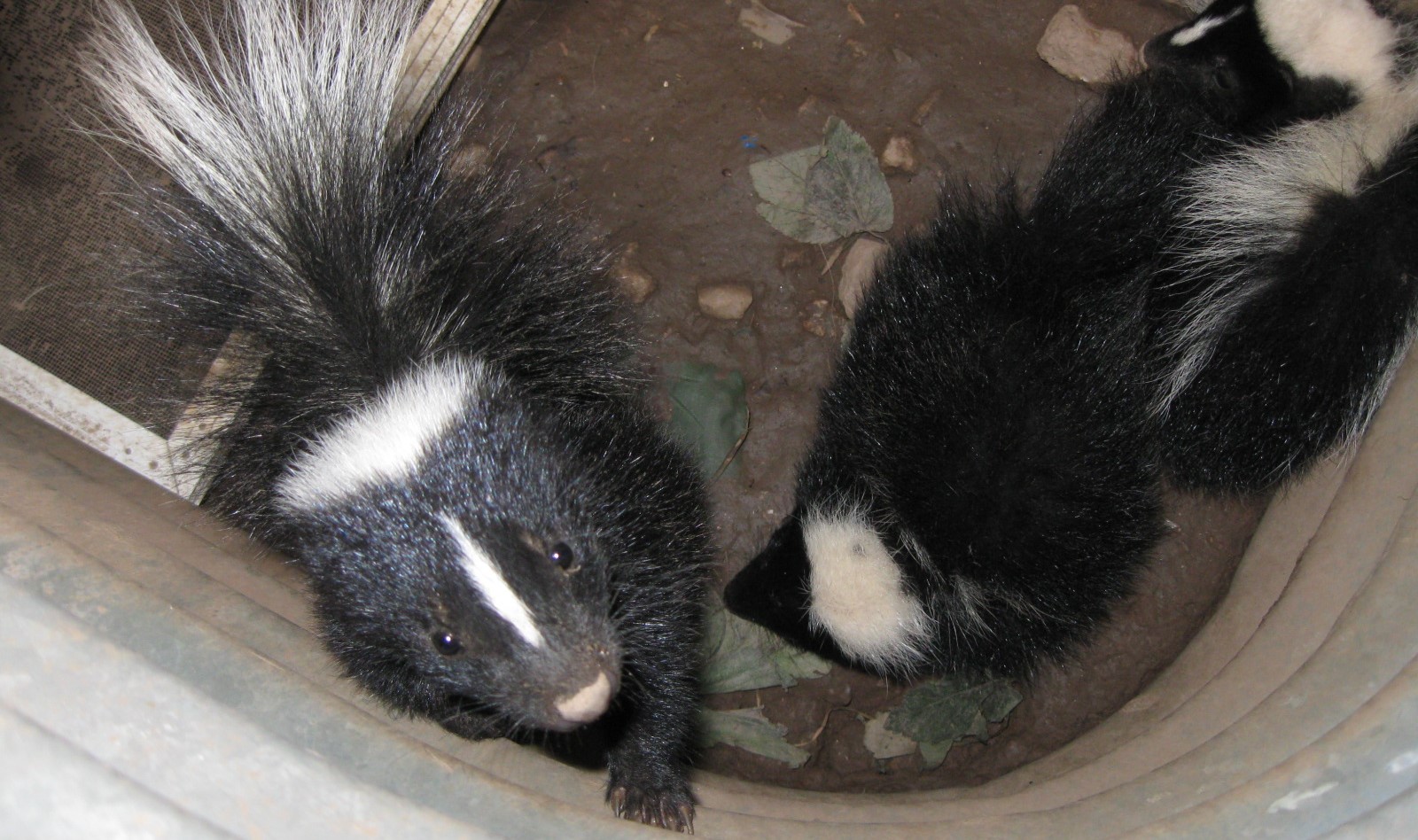
Spotting a skunk in your yard can be alarming. Your first instinct might be to act fast — but that’s not always the right call. Sometimes, the best thing you can do is leave the skunk alone. Other times, calling a professional is the safest move.
So, when should you leave a skunk alone, and when should you act? Generally, if a skunk is simply passing through your yard or staying quietly under a shed without causing problems, it’s best to let it be. Skunks are shy, non-aggressive animals that naturally control insects and rodents around your property. But if the animal is showing signs of illness, causing structural damage, or getting too close for comfort, that’s when it’s time to get help.
At Skedaddle Humane Wildlife Control in York Region, we specialize in providing professional, humane, and effective solutions to address wildlife-related concerns while prioritizing the safety of your home and the wellbeing of the animals. In this blog, break down exactly when to step back and when to step in — so you can handle skunk situations with confidence and keep your home and family safe.
Are Skunks Dangerous?
Skunks are not typically dangerous. They are shy animals that only spray as a last resort. However, they can pose real risks in certain situations. These animals are a known rabies carrier species, and their spray can cause intense irritation to the eyes and skin.
Their burrowing can also damage lawns, gardens, and even the foundations of buildings. As long as a skunk is healthy and keeping its distance, it is rarely a threat. The risk increases when the animal is cornered, sick, or has denned close to your home.
Signs a Skunk Is Living on Your Property
Sometimes a skunk only passes through your yard at night. Other times, it may decide to stay and build a den nearby. When that happens, there are usually clear signs that the animal is living on your property. Recognizing these signs early can help prevent bigger problems later.
One of the most common signs is a strong, musky smell near a deck, shed, or foundation. Even if the animal has not sprayed, its natural scent can build up around the den area. Homeowners may also notice a small hole in the ground, usually about four to six inches wide, near the base of a structure. This opening is often the entrance to the animal’s den.
Another sign is fresh digging in the lawn or garden. These animals search for grubs and insects in the soil, leaving behind small cone-shaped holes. You may also see tracks or disturbed soil along fence lines or under structures. If several of these signs appear together, it is likely that a skunk has made a home nearby and professional help may be needed.
When to Leave a Skunk Alone
Not every skunk sighting calls for action. In many cases, the best thing you can do is give the animal space and let nature take its course. Here are situations where leaving them alone is the right move:
- It’s Just Passing Through: Skunks often travel through yards at night while searching for food. They eat insects, grubs, and small rodents that live in lawns and gardens. In most cases, an animal seen at night will simply move along and be gone by morning.
- It’s in a Low-Conflict Area: Sometimes the animal may stay in a quiet place like under a shed or deck without causing problems. If it is not damaging property or threatening pets, it may not need to be removed. Many of them live quietly nearby without people ever noticing them.
- It Looks Young, Alert, and Healthy: Young skunks often explore their surroundings as they grow. If the animal is active, moving normally, and appears healthy, it is likely just learning its environment. In most situations, the young animal will return to its den without needing help.
- It’s Found Its Way into an Open Shed or Garage: These animals sometimes wander into open buildings while exploring. If the animal has a clear exit, it will usually leave once the area becomes quiet. These animals prefer dark, calm environments and will move on once they feel safe to do so.
These animals can actually be helpful animals to have nearby. They feed on pests like grubs, insects, and rodents that can damage lawns and gardens. Because of this, leaving them alone is often the easiest and safest option when there is no conflict.
When to Call the Professionals
Some skunk situations require our professional help. If the animal appears sick, trapped, or living too close to your home, it is important to contact wildlife specialists. Our trained professionals have the proper tools and experience to handle these situations safely. Trying to deal with them alone can be dangerous for both people and wildlife.
Here’s when it’s time to call in expert help:
- It’s Showing Signs of Illness: These animals that appear during the day or move strangely may be sick. Signs can include stumbling, circling, acting aggressive, or appearing weak. If you notice these behaviours, stay away and contact our wildlife professionals immediately.
- It’s Trapped Somewhere Dangerous: These animals sometimes fall into window wells or tight spaces where they cannot escape. When this happens, they may panic and become defensive. A trained wildlife technician can safely remove the animal without causing harm.
- It’s Denning Under Your Home’s Foundation: Skunks often dig dens under porches, decks, or foundations. Over time, this digging can damage structures and landscaping. Our professionals can remove the skunk humanely and secure the area to prevent future problems.
- There’s a Lone Baby: A baby skunk found alone may be orphaned or separated from its mother. Young skunks are vulnerable and should never be handled by untrained people. Our wildlife professionals can assess the situation and provide proper care.
If you encounter any of these situations, it is safest to keep your distance. Wildlife specialists know how to handle the problem safely and humanely.
How to Behave Around a Skunk Without Getting Sprayed
Even if you’re simply waiting for a skunk to move on, knowing how to act around one can save you from a very unpleasant experience. These animals give clear warning signs before they spray — and they only spray as a last resort.
Watch for these warning signs:
- Stomping Front Feet: This is usually the first warning a skunk gives. It may stamp its front feet on the ground to show it feels threatened. This is the skunk’s way of telling you to stay back.
- Raising and Fluffing Its Tail: When a skunk lifts and fluffs its tail, it is becoming more defensive. This posture is meant to make the animal look larger and more intimidating. It is another signal to give the animal more space.
- Turning Its Body Toward You: These animals may turn its back toward you while keeping its eyes on the threat. This position prepares the animal to spray if necessary. At this point, it is very important to slowly move away.
- Hissing: Hissing is a final warning that the skunk feels very threatened. If you hear this sound, the animal is close to spraying. The best response is to stop moving suddenly and slowly back away.
If you see any of these signs, stop moving immediately. Back away slowly and quietly. Give the skunk space, and it will usually calm down and go on its way. These animals can spray accurately up to 10 to 15 feet, and their glands can take up to two weeks to replenish after a full discharge. Avoiding confrontation is always the smartest approach.
Skunk Prevention and Removal in York Region
These animals often look for quiet, protected spaces to build their dens. In York Region, common spots include areas under decks, porches, sheds, and other structures. Once the animal settles in, it can be difficult to remove without the right tools and experience. That is why it is important to have our trained professionals handle the situation from the start.
At Skedaddle Humane Wildlife Control, our team begins with a careful inspection of your property. We identify where the skunk is entering and where the den is located. Our wildlife specialists then use humane one-way door systems that allow the animal to leave safely while preventing it from getting back inside. This approach protects both the animal and your home.
After the skunk has exited, our team focuses on long-term prevention. We secure the entry points and reinforce areas that could allow wildlife to return in the future. We also address the conditions around the den site that made the location attractive in the first place. With a complete and professional approach, your property stays protected and skunk problems are far less likely to return.
Skunks in York Region
Skunks are common across York Region, and the local climate plays a significant role in their activity. The changing seasons, especially the region’s cold winters and warm summers, influence skunk behaviour as they seek shelter during extreme weather. Properties with nearby wooded areas, gardens, or open spaces are particularly attractive to these animals, making them frequent visitors in residential neighbourhoods.
York Region’s mix of suburban and rural areas, with typical building styles including detached homes, townhouses, and large properties, provides ample hiding spots for these animals. They often burrow under porches, sheds, and decks, taking advantage of gaps or weak points in building foundations. Homeowners need to stay proactive by securing these vulnerable spaces to prevent infestations.
Local regulations in York Region emphasize the humane treatment of wildlife, including skunks. At Skedaddle Humane Wildlife Control, we ensure that any skunk removal follows these guidelines, using non-invasive, safe methods to protect both the animals and your property. Seasonal challenges, such as skunks becoming more active in spring and fall, make it essential to address potential issues promptly to avoid further complications.
Frequently Asked Questions
Can skunks spray through walls or floors?
No, they cannot spray through solid structures. However, their musky odour can seep through gaps and cracks in foundations or floorboards, which is why a denning skunk under your home often makes itself known by smell before anything else.
Why is there a skunk on my property during the day?
These animals are primarily nocturnal, but a nursing mother may come out during daylight hours to find food. This alone is not cause for alarm. However, if the animal is stumbling, circling, or acting disoriented during the day, it may be ill. Keep your distance and call our professionals.
How do I know if a skunk has denned under my deck or shed?
The most common sign is a faint but persistent musky odour near the structure. You may also notice a small hole, roughly four to six inches wide, at the base of the building. Small cone-shaped digging marks in the surrounding soil are another clue.
Is it safe to be around a skunk if I have pets?
Pets — especially dogs — are at high risk of being sprayed, since they often approach the animals quickly. Keep dogs on a leash at night and make noise before letting them outside to scare off any nearby skunks. They can also carry diseases like rabies and distemper that can be transmitted to pets.
Do skunks come back to the same den every year?
Yes. These animals often return to the same denning spots year after year. This is why it's important to seal off access points properly after the animal has been removed, to prevent them from coming back the following season.
Ready to Say Goodbye to Your Skunk Problem?
Skunks can be tricky to deal with, but knowing when to act and when to wait is the key to solving the problem safely. If you have tried waiting and the skunk still hasn’t moved on, it’s important not to handle the situation on your own. They can spray when they feel threatened, and dealing with them without proper training can be unsafe for you and the animal. That’s why it’s best to call in our professionals who know how to handle these situations the right way.
At Skedaddle Humane Wildlife Control in York Region, we’re here to help. Our team specializes in managing skunk problems from start to finish using safe and humane methods. First, we carefully inspect your property to understand the issue. Then, we use a one-way door system to gently remove the skunk without harm. Finally, we take steps to seal off entry points so skunks can’t come back. This approach ensures effective, long-lasting results.
Don’t take chances when it comes to wildlife on your property. Skedaddle is here to make your home skunk-free with expert care you can trust. Contact us today to request an estimate, and rest easy knowing we’ll handle the problem for you.

 Loading...