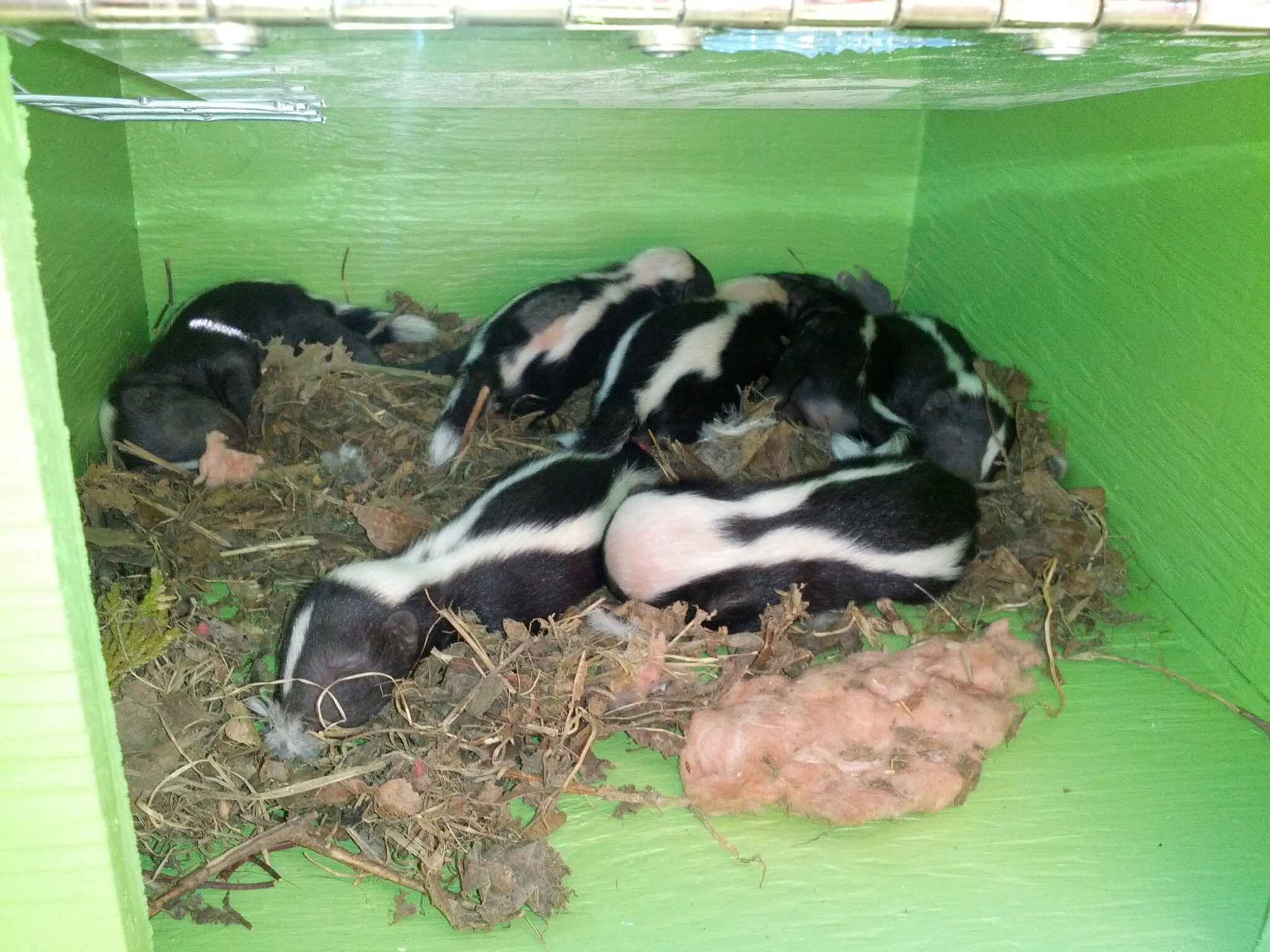
While people mainly know skunks for their intense, odorous defence, skunks are pretty fascinating creatures. According to experts in skunk removal in York, skunks possess many traits beyond the one defence that often sends people fleeing. If you’re ready to learn a bit more about these curious critters, consider the top five behaviours of skunks.
1. Stomping and Hissing
Despite its reputation, a skunk does not immediately resort to spraying people or pets. Most skunks want to avoid confrontation and will try to evade predators or curious people. If the animal cannot escape pursuit or is unwilling to run, it will defend itself.
While the smelly, oily discharge is the ultimate defence, skunks do not back right into it; instead, the animal attempts to scare off potential threats first. A skunk will stomp and hiss before it sprays. If the threat fails to heed the warning, the animal will spray. A skunk can spray up to six times in quick succession, and it can deliver the spray a distance of 10 to 15 feet.
2. Digging
Digging is also a common skunk behaviour. As foragers, skunks seek meals anywhere they can get them. The ground is a plethora of insects, which are a primary food source for skunks.
The animal’s claws are long, strong, and incredibly sharp, allowing it to dig rapidly and catch its prey. Skunks can dig many holes in a single night, and they tend to dig holes that are around three to four inches deep.
3. Sleeping During the Day
Primarily, skunks are nocturnal, meaning they are more active at night and sleep during the day. However, skunks are also crepuscular, meaning they are active at dusk and dawn.
Many people assume that seeing a skunk when the sun is out is a sign of rabies, but it isn’t. The animal will typically wake at dusk and leave its den. Also, it will return to its den sometime after dawn. Therefore, it is possible to see a healthy skunk in daylight.
4. Walking With Its Head Down
Skunks lack visual acuity and depth perception. Essentially, if an object, animate or inanimate, is more than three meters away from the critter, it cannot make it out.
The animal’s sense of smell, however, is impeccable. Because skunks rely on smell, it is not unusual to see the animal walking with its head down.
People searching for how to get rid of skunks may think sneaking up on the animal is a good idea since they have poor eyesight. Unfortunately, the plan will backfire. Skunks have poor eyesight, but that only means they startle easily. Sneaking up on a skunk is an excellent way to get bit, scratched, or sprayed. Leave the removal to the professionals.
5. Sleeping Longer in the Winter
Skunks are known to hunker down in the snow and cold, but that does not mean they hibernate. The animal knows the winter is harsher, so it may eat more in the fall and sleep a little longer when it snows heavily, but it is still active in the winter. In fact, late winter is mating season for skunks. Like people, skunks tend to stay home, in their dens, when the weather is especially cold or harsh.
Skunks are fascinating creatures. While they do possess one of the most pungent defenses in the animal kingdom, spraying is not the animal’s only identifying characteristic.
Still, you do not want a skunk taking up residence on your property. The animal presents a risk to your pets and land. If you suspect you have a skunk or skunk family near your house, contact Skedaddle Humane Wildlife Control and schedule a property visit.

 Loading...







