








BAT REMOVAL PROCESS

Assess and Remove
Our technicians complete a detailed inspection of your home to identify bat entry points, roosting areas, and colony size. Using one-way exclusion devices, we allow bats to leave safely while preventing re-entry. Every plan is tailored to seasonal activity and the structure of your home for a humane, effective solution.

Clear and Clean
Once bats are excluded, we remove guano, contaminated insulation, and debris from affected attic spaces. Bat droppings can create strong odors and health risks, so we thoroughly sanitize and deodorize the area. If needed, we restore insulation to return your attic to a clean, safe, and energy-efficient condition.

Prevent and Protect
The final step is sealing all current and potential bat entry points using durable wildlife exclusion materials. We secure rooflines, vents, soffits, and gaps to prevent future access. This long-term prevention work, backed by over 30 years of experience, helps ensure bats cannot return to your home.
Bats are a protected and ecologically important species, but they can become a serious concern when they enter homes across North Atlanta, Georgia. From neighborhoods like Buckhead and Sandy Springs to growing communities such as Alpharetta and Roswell, bats often seek out warm, dark spaces like attics and roof voids. While they play a valuable role in controlling insect populations, their presence inside a home can create health risks and structural concerns.
At Skedaddle Humane Wildlife Control, we’ve been helping homeowners protect their properties since 1989. With over 30 plus years of experience serving North Atlanta and surrounding Georgia communities, we specialize in humane, long-term bat removal solutions. Our work includes detailed inspections, customized removal plans, attic restoration services, and a lifetime guarantee designed to keep your home protected.
Humane Bat Control That Prioritizes Safety and Prevention
Skedaddle provides humane bat removal through detailed inspections, controlled exclusion methods, and complete home sealing. Our process safely removes bats without harm while ensuring they cannot return. Every service includes a customized plan, attic cleanup when needed, and restoration of contaminated insulation. With over 30 years of experience, we deliver ethical, effective, and long-lasting bat control solutions for homeowners.

How Bat Activity Changes Throughout the Year
Bats follow predictable seasonal patterns influenced by temperature, food availability, and breeding cycles. Understanding these changes helps homeowners identify when risks are highest and take preventative action before colonies establish inside homes.
Spring: Return and Nesting Preparation
In spring, bats return from hibernation or migration and begin searching for safe roosting sites. North Atlanta homes with accessible attics or roof gaps become ideal locations for maternity colonies. During this time, bats are highly active as they prepare for breeding season. Small openings around roofing or vents can quickly become entry points. Early detection in spring is critical to prevent colonies from establishing inside the home for the summer months.
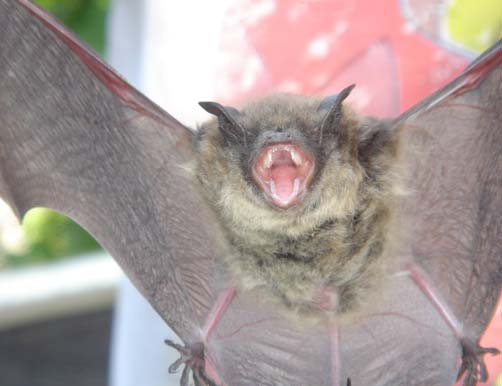
Summer: Maternity Colonies Inside Attics
Summer is the most active season for bats in homes, as maternity colonies form to raise young. Attics provide warm, quiet, and secure environments for roosting. During this time, bats leave at dusk to feed on insects and return before dawn. Homeowners may notice increased noise or activity in attic spaces. Because young bats are present, removal must be timed carefully and handled by professionals to ensure humane and legal exclusion.
Fall: Increased Movement and Preparation to Leave
In the fall, bats begin to prepare for migration or hibernation, depending on the species. Activity around homes often increases as bats feed heavily to build energy reserves. This is one of the best times for professional exclusion work, as young bats are now able to fly. However, improper sealing during active roosting can trap bats inside, making professional assessment essential before any work begins.
Winter: Reduced Activity but Occasional Roosting
During winter, bat activity decreases significantly, though some species may still roost inside structures for warmth. Most bats enter hibernation or migrate, but insulated attic spaces can still attract isolated individuals. While signs may be less noticeable, it is important to inspect homes before spring returns. Winter is often used for preparation work and planning exclusion once bats become active again.
Why North Atlanta Homes Attract Bat Colonies
Many homes contain structural features that make them appealing to bats seeking shelter. Even well-maintained properties can unintentionally provide entry points.
Common vulnerabilities include:
- Gaps in roofing, ridge vents, or soffits
- Unsealed attic vents or exhaust openings
- Chimneys without proper caps or screening
- Aging siding or construction gaps near rooflines
- Warm attic spaces ideal for maternity colonies
- Proximity to wooded areas, parks, or water sources
Homes near areas like Piedmont Park, the Chattahoochee River, or heavily wooded neighborhoods are especially susceptible. Bats are highly skilled at squeezing through extremely small openings, often unnoticed until a colony is already established. Without proper inspection and sealing, these vulnerabilities can lead to long-term infestations.
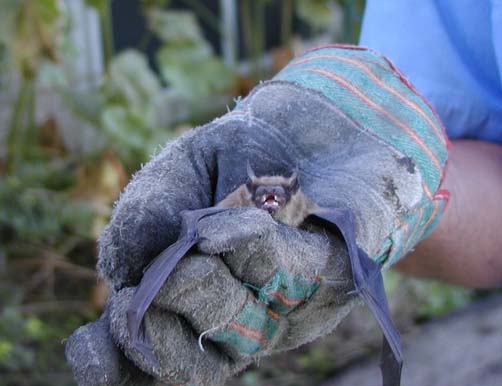

Early Signs of a Bat Infestation in Your Home
Identifying bat activity early can help prevent larger colonies from forming inside your home. Because bats are nocturnal and quiet during the day, signs are often subtle at first.
Common indicators include scratching or fluttering sounds in ceilings or walls at dusk or dawn, along with dark staining near roof entry points. Homeowners may also notice small droppings accumulating outside or near attic access points.
Additional signs include:
- Strong ammonia-like odors from guano buildup
- Grease marks near roofline entry gaps
- Stains on siding or soffits from repeated entry
- Increased insect activity around attic openings
- Bats exiting the home at sunset in groups
Skedaddle’s Step-by-Step Humane Bat Removal Process
Effective bat removal requires precise timing, legal compliance, and a complete exclusion strategy. Skedaddle uses a proven process designed to safely remove bats while preventing their return.
Step 1: Full Home Inspection
Every service begins with a detailed inspection of the property to identify bat entry points, roosting areas, and contamination zones. Our technicians assess roofing, vents, chimneys, and attic spaces. This allows us to fully understand the colony size and behavior. A complete inspection ensures we create a safe, customized plan tailored specifically to the home.
Step 2: Humane Exclusion Devices
We install one-way exclusion devices that allow bats to exit the structure safely but prevent them from re-entering. This method is humane and ensures compliance with wildlife regulations, especially during maternity season. It allows bats to leave naturally without harm while ensuring the colony is fully removed from the home over time.
Step 3: Full Structural Sealing
Once all bats have exited, we seal every potential entry point using durable, wildlife-resistant materials. This includes rooflines, vents, and structural gaps. Proper sealing is essential to ensure bats cannot return. Our goal is to permanently protect the home from future colonies while preserving the structure’s integrity.
Step 4: Cleanup and Attic Restoration
Bat guano can create strong odors and pose health concerns if left untreated. Our team removes contaminated insulation and sanitizes affected areas. When needed, we provide full attic restoration services to restore air quality and insulation performance. This step ensures the home is safe, clean, and fully restored after removal.
Step 5: Final Inspection and Lifetime Guarantee
After completion, we conduct a final inspection to confirm all entry points are sealed and the home is secure. We also provide a lifetime guarantee on our exclusion work. If bats attempt to return through sealed areas, we will address the issue. This ensures long-term protection and homeowner peace of mind.
Risks Associated With Bat Infestations
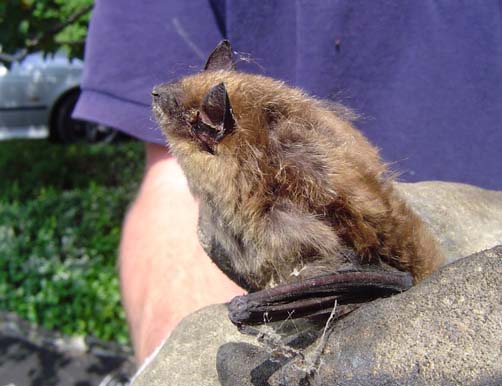
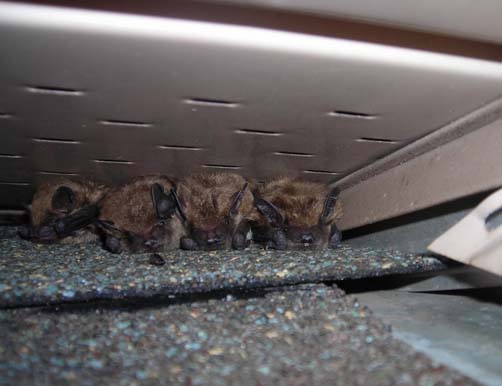
While bats are beneficial outdoors, their presence inside a home can create serious concerns. Accumulated guano can lead to strong odors and potential respiratory risks if left untreated. Over time, droppings can also damage insulation and drywall in attic spaces.
In addition, bat colonies can attract secondary pests such as insects or mites. Structural gaps used by bats may also allow entry for other wildlife. Because colonies grow over time, early professional intervention is essential to reduce long-term damage and maintain a safe living environment.
Protect Your Home with Humane Bat Control
Bat infestations require careful, humane handling to ensure both safety and long-term prevention. With over 30 plus years of experience and a reputation built since 1989, Skedaddle Humane Wildlife Control provides trusted solutions for homeowners throughout North Atlanta, including areas near Buckhead, Sandy Springs, and Roswell.
Most bat removal projects can be completed in one day depending on conditions, and every service includes a customized plan and written quote. Our approach ensures your home is protected while respecting wildlife and legal guidelines.
Contact Skedaddle today to schedule a professional bat inspection and protect your home for good.
Brookhaven Wildlife Control: The Mystery of Bats Hanging Upside Down
Are Bats Dangerous in Summer? Common Myths Homeowners Still Believe
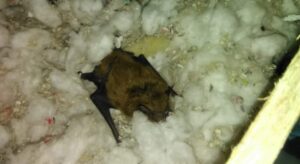
Bats In The Attic: Why DIY Removal Is Not A Good Idea
North Atlanta Bat FAQs: Did You Know?
Yes, bats in an attic can pose health and structural concerns. While they do not typically attack humans, their droppings, known as guano, can create strong odors and may affect indoor air quality over time. Accumulated waste can also damage insulation. Professional removal ensures bats are safely excluded and contaminated areas are properly cleaned and restored for a healthy living environment.
Bats are attracted to warm, quiet, and dark spaces that resemble natural roosting environments. North Atlanta homes often provide ideal conditions through attic spaces, roof gaps, and vent openings. The region’s tree cover and insect population also make it an excellent feeding area. Once bats discover a suitable entry point, they may return to the same roost year after year.
Yes, bats can enter through extremely small openings, sometimes as narrow as half an inch. Gaps in roofing, soffits, and vents are common entry points in North Atlanta homes. Their ability to squeeze through tight spaces makes professional inspection and sealing essential. Even minor structural gaps can lead to a full colony establishing inside an attic if not addressed properly.
The best time for bat removal is typically late summer or early fall when young bats are able to fly and leave the roost. Timing is important to avoid separating mothers from pups during maternity season. Professional wildlife experts carefully assess the situation to ensure removal is both humane and compliant with wildlife protection regulations in Georgia.
Most bat removal projects can be completed in about one day for inspection and device installation, but full exclusion may take several days depending on colony size. After bats exit, sealing and cleanup are completed. Skedaddle provides a customized plan and written quote so homeowners understand the full process, timeline, and steps required for permanent protection.
CALL US TODAY
1.888.592.0387
OR
Request for Services

