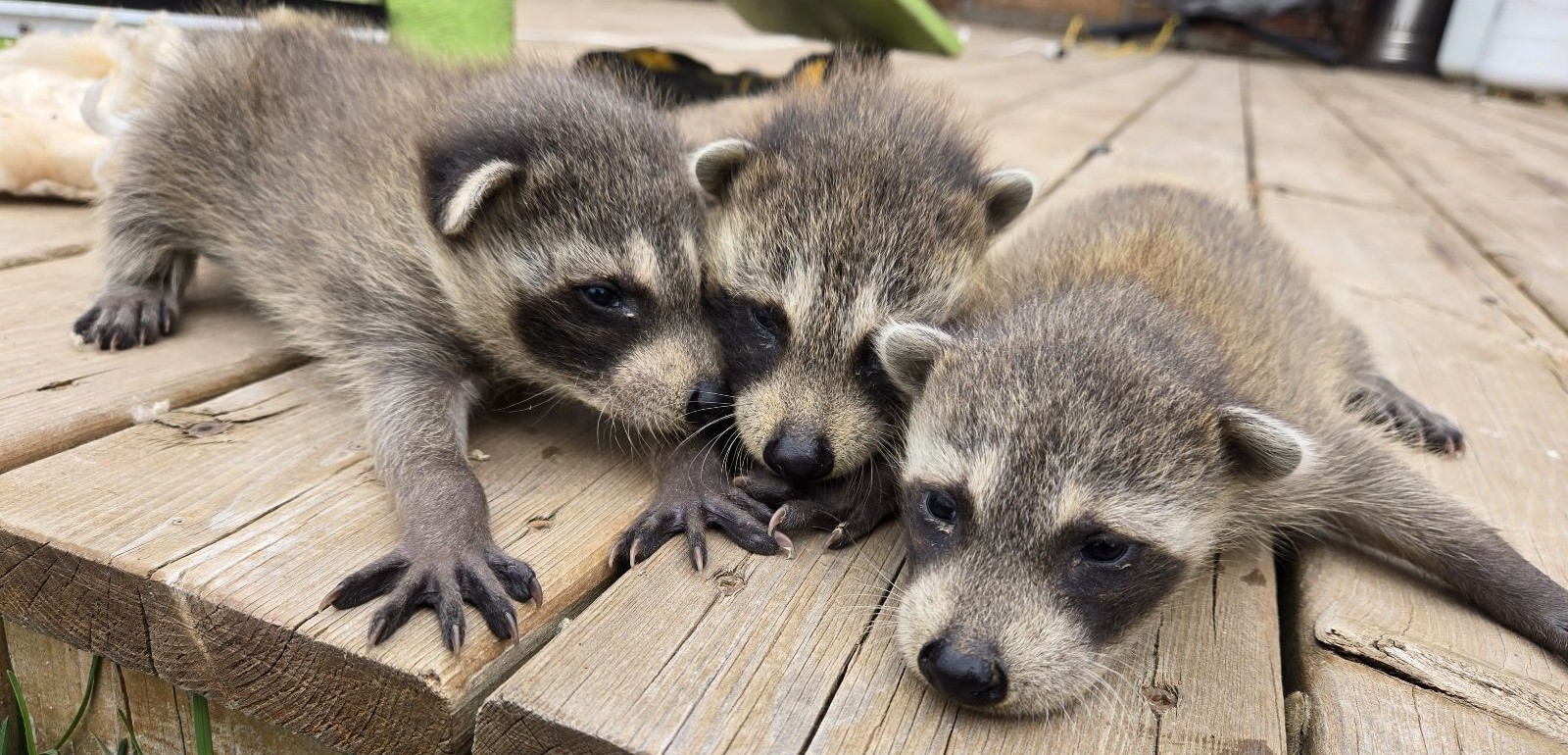
When it comes to keeping your family safe, understanding the risks of rabies in our area is important. Is there a rabies threat in Ottawa? The answer, unfortunately, is yes. Rabies cases have been reported in Ontario, and Ottawa is no exception. While it’s not something you’re likely to encounter daily, the potential still exists, especially if wildlife finds its way into your property. Protecting your family from rabies starts with awareness, prevention, and taking the right steps to keep wildlife outside your home.
Rabies is a very serious, often deadly virus that spreads through saliva, typically via bites or scratches from infected animals. The good news is that rabies is preventable if we take the right precautions. That’s why Ottawa rabies prevention is something we should all consider.
At Skedaddle Humane Wildlife Control in Ottawa, we understand the risks wildlife can pose, and we’re here to help you protect your home and your loved ones. From squirrels and raccoons to bats, ensuring that these creatures are kept outside and away from your family is key to reducing the threat of rabies in Ottawa.
How Common Is Rabies in Ottawa?
Although rabies isn’t as widespread as in past decades, it’s still present in Ontario and Ottawa. Raccoons, bats, and skunks are some of the most common carriers of rabies. A single rabid animal wandering into your neighbourhood can pose a big risk to people, pets, and other animals. While local health authorities closely monitor and work to control outbreaks through vaccination and public awareness, everyone has a part to play in Ottawa rabies prevention.
The good news is that aggressive health measures, including rabies vaccination programs for pets and wildlife, have greatly reduced the overall threat in Ottawa. However, because rabid animals can travel long distances and appear unexpectedly, it’s always wise to stay vigilant. Coming into contact with a rabid animal, even indirectly, can put your family at risk.
What Makes Rabies Dangerous?
Rabies is extremely dangerous because, once symptoms appear in humans or animals, it’s almost always fatal. The virus impacts the nervous system, causing symptoms like confusion, paralysis, and aggression. To avoid these dire outcomes, it’s essential to act quickly in the event of a bite or exposure. Vaccinating your pets and contacting wildlife professionals like our team at Skedaddle if you suspect wildlife activity near your home are key steps to protect your family from rabies.
Signs of Wildlife on Your Property
Wildlife often finds its way into homes while looking for shelter or food, and this is where the risk of rabies can increase. Knowing how to spot these signs is the first step in keeping your home safe. Here are some indicators of wildlife activity:
- Strange noises in your attic, walls, or chimney
- Visible damage to vents, shingles, or other parts of your home exterior
- Tracks, droppings, or animal nesting materials near your property
- Animals like raccoons, squirrels, or bats seen around your home frequently, especially during the day
Seeing these signs doesn’t automatically mean a rabid animal is on your property, but it’s better to err on the side of caution. Rabies prevention starts with proper wildlife control, and at Skedaddle Humane Wildlife Control, we help Ottawa residents remove animals using humane methods like one-way doors. These allow wildlife to leave but prevent them from coming back, helping keep your family safe.
How To Protect Your Home and Family From Rabies
Preventing any chance of contact with wildlife is the best way to protect your family from rabies. By taking a few precautions, you can reduce the likelihood of animals entering your home or yard. Here are some practical steps you can take:
- Seal Entry Points: Even the tiniest opening can be an invitation for wildlife to enter your home. Animals like squirrels or bats only need a small crack to squeeze through. Walk around your home and look for any gaps in windows, vents, or siding and seal them up with durable materials like caulk or mesh. Our team knows exactly where to look and can help ensure your home is fully protected from sneaky intruders.
- Keep Pet Vaccinations Up-To-Date: Rabies is preventable when your pets are vaccinated. Pets that spend time outdoors, even in your backyard, can occasionally come into contact with wildlife. Making sure your dog or cat has its shots means they’ll be protected, even if they have an unexpected encounter. Regular visits to the vet will help keep vaccinations up-to-date and keep your entire household safer.
- Eliminate Attractants: Many animals are drawn to easy food sources and safe places to drink water. Make sure your trash is covered tightly, compost bins are secure, and food isn’t left out where wildlife can get to it. Standing water can also be a magnet for animals, so check for spots around your home like birdbaths or clogged gutters, and empty them regularly to avoid attracting wildlife.
- Monitor Your Yard: Keeping an eye on your property can help you spot the first hints of wildlife activity. Check areas like sheds, attics, or under decks for signs of animals trying to move in, like claw marks or disturbed dirt. Noticing an issue early can make it much easier to handle before wildlife becomes harder to remove.
- Never Approach Wildlife: Wild animals that seem sick, disoriented, or aggressive may be carrying rabies. It’s best to give them space and keep family members or pets away. Animals with rabies can act unpredictably, putting you at risk if you get too close. Instead, contact wildlife professionals like us at Skedaddle to safely manage the situation without putting yourself in harm’s way.
- Trust Skedaddle to Handle Wildlife: Wildlife removal can be risky, but our process makes it safe and effective. Our one-way doors are specially designed to allow animals to exit your home on their own while preventing them from returning. This method is both humane and reliable, ensuring your home stays free of unwanted guests. Leave the hard work to us so you can focus on keeping your family safe.
What To Do If You Encounter a Rabid Animal
If you or someone in your family is bitten by an animal that might have rabies, seek medical help immediately. Wash the wound thoroughly with soap and water, as this can help reduce the risk of infection. Contact Ottawa Public Health or your local health authority to report the incident and determine if post-exposure treatment is needed.
If you suspect there’s a rabid animal on your property, don’t try to remove it yourself. At Skedaddle Humane Wildlife Control, we’re equipped with the expertise to address such situations safely and effectively while ensuring the protection of your home and loved ones.
Stay Ahead of the Threat
Staying aware of the rabies threat in Ottawa and taking proactive steps can go a long way in keeping your family and home safe. Wildlife may be part of our environment, but that doesn’t mean it belongs inside our homes.
The rabies threat in Ottawa is real, but with the right actions, you can protect your family from rabies and keep wildlife safely outdoors. If you’re concerned about Ottawa rabies prevention and need a trusted partner, contact Skedaddle Humane Wildlife Control. Request an estimate today to find out how we can help make your home safe and wildlife-free.

 Loading...







