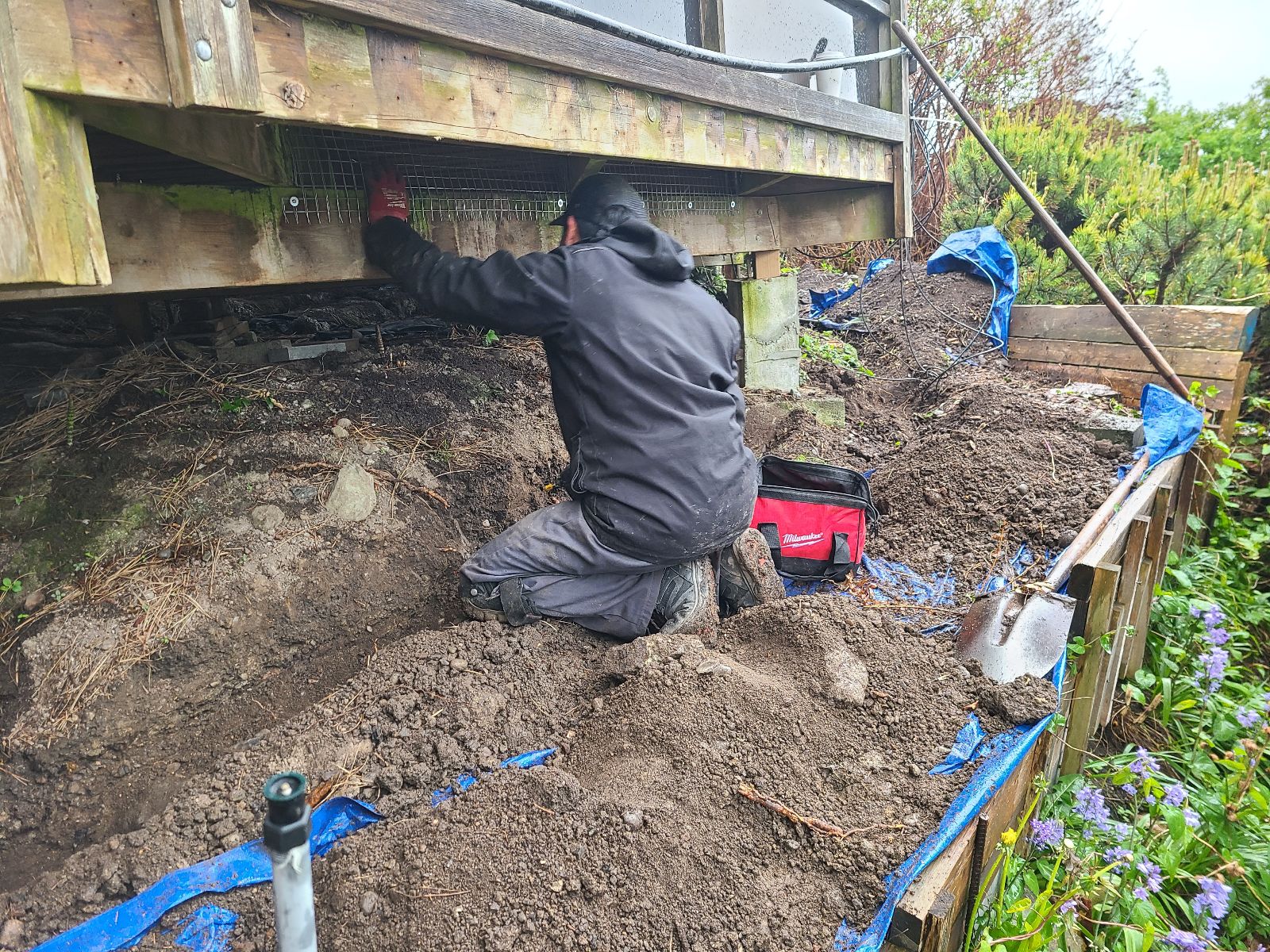
Older homes have character, charm, and history. But they also come with weak spots that make them attractive to wildlife. Loose shingles, worn bricks, and gaps in the roofline often become open doors for animals looking for shelter. In Toronto and other Canadian cities, raccoons take full advantage of these opportunities.
That’s why prevention matters more than anything else. When you focus on raccoon prevention for older homes, you avoid costly repairs, protect your family, and save yourself endless stress. Once animals move in, the damage happens quickly—and the price tag grows. Acting early is the smartest move you can make.
Skedaddle Humane Wildlife Control in Toronto has helped many homeowners secure their historic properties. Over the years, we’ve seen the same pattern: older houses with small problems become big targets. Prevention stops that cycle before it begins.
Prevention Protects Your Home’s Structure
Raccoons are strong. They can pull at loose vents, rip up shingles, or widen a crack into a hole. Once inside, they chew insulation, flatten attic materials, and leave behind waste that soaks into wood and drywall. For older homes, the impact is even worse because materials are often more fragile.
Prevention works like a shield. By addressing weak spots early, you protect your home’s structure and avoid bigger repairs later. When your property is raccoon-proofed before mating season or cold weather, you lower the risk of surprise invasions.
Why this Matters for Homeowners:
- Stop Damage Before It Spreads: A missing vent cover today may not seem like a big deal, but it can quickly turn into a larger issue. Once a raccoon finds that weak spot, it doesn’t take long before it pulls at the edges and turns a small gap into a wide opening. What starts as a tiny repair job can end with soffits collapsing or parts of the roof being torn apart. Prevention stops these problems before they have a chance to grow out of control.
- Save on Repairs: It always costs less to fix a small issue than to repair a major one. Sealing a gap or reinforcing a vent is quick and affordable compared to cleaning an attic filled with waste, chewed wires, or ruined insulation. In older homes, damage tends to spread even faster because many materials are weaker from age. Prevention means you spend a little now to avoid spending a lot later.
- Protect the Value of Historic Homes: Older houses often have special features—like original woodwork, brick chimneys, or detailed trim—that make them unique. Unfortunately, these features can also be fragile and easy for raccoons to damage. Once they are destroyed, they’re costly and sometimes impossible to replace. By raccoon-proofing historic houses, you’re not just keeping wildlife out—you’re preserving the character and value of your home for years to come.
Prevention Keeps Your Family Safe
It’s not only about the house—it’s about the people inside. Raccoons leave droppings and urine that carry bacteria and parasites. Over time, this waste builds up in attics and crawl spaces, where air systems can spread it through the home. Older homes are especially vulnerable because ventilation systems are often outdated.
By focusing on prevention, you keep animals from ever settling in. That means no nests in the attic, no waste piling up, and no risk of health concerns for your family. Prevention keeps the inside of your home safe, clean, and healthy.
Prevention Saves You Stress and Money
It’s easy to underestimate how quickly things can spiral. You might think one animal isn’t a big deal. But one turns into many, and damages pile up fast. By the time most people call for help, insulation is destroyed, electrical wires have chew marks, and odours have spread.
When you prevent entry in the first place, you avoid all of that. You save money on repairs, you sleep easier without scratching noises overhead, and you protect your peace of mind.
Top benefits of prevention:
- Lower Costs: Prevention costs less than cleanup and repairs.
- Peace of Mind: You don’t worry about what’s hiding in your attic.
- Less Disruption: No need to move out or pause your daily life for big fixes.
Prevention Supports Long-Term Wildlife Control
Older homes often face recurring issues because weak spots reopen year after year. Prevention isn’t just about fixing today’s problems—it’s about creating long-term protection.
When professionals seal entry points, reinforce the roofline, and close off hidden gaps, raccoons lose their access. This approach keeps them out not just this season, but in future seasons too. It’s the foundation of raccoon prevention for older homes.
Here’s what long-term prevention delivers:
- Sustainable Results: You solve the problem once, instead of fighting it every year.
- Better for Animals: Humane prevention keeps wildlife outside in their natural habitat.
- Smart Planning: You take control of your home instead of reacting to emergencies.
Why Older Homes Need Prevention the Most
You may wonder why older homes attract more attention than newer builds. The answer comes down to wear and tear. Time creates cracks, gaps, and weakened materials. Even the smallest flaw can serve as an entry point.
Older properties often have large attics, crawl spaces, or additions built over decades. These areas can make perfect nesting spots. Without prevention, raccoon entry points in old homes multiply, and that leads to larger infestations.
Common Entry Points in Older Homes
Knowing where animals break in helps explain why prevention is the key. Professionals often check the same areas again and again in older houses.
Main trouble spots include:
- Rooflines and Soffits: Loose boards or bent edges invite easy access.
- Chimneys and Vents: Gaps without proper covers make ideal entry points.
- Foundations: Cracks in bricks or mortar can turn into tunnels.
- Additions and Porches: Overlaps where old and new sections meet often create gaps.
By sealing these spots, you cut off the easiest routes. That’s why prevention work makes the biggest difference.
Key Reasons Prevention Is the Best Strategy
Let’s step back and look at the big picture. Prevention works better than any other strategy because it addresses the problem at its root.
The core reasons are simple:
- Protect Your Property: You stop physical damage before it starts.
- Protect Your Family: You reduce exposure to health risks.
- Protect Your Wallet: You spend less money long-term.
All of these reasons combine into one clear message: prevention is not optional—it’s essential.
Key Takeaways for Homeowners
It’s easy to see why prevention is the smartest move. Once animals move in, the situation becomes more expensive, stressful, and time-consuming. By acting early, you save yourself all of that.
- Raccoon-proofing historic houses protects your home’s structure and your family’s health.
- Prevention costs less and creates peace of mind.
- Sealing raccoon entry points in old homes keeps wildlife out for the long run.
- Acting early is the key to protecting your investment and avoiding stress.
Prevention Starts With Experts
You can’t control the age of your home, but you can control how well it’s protected. Skedaddle Humane Wildlife Control in Toronto specializes in raccoon prevention for older homes. We know where raccoons get in, how to block them out, and how to keep them from returning.
Raccoon prevention for older homes, raccoon-proofing historic houses, and sealing raccoon entry points in old homes all come down to the same truth: prevention is the key. Request an estimate to learn more. We’re here to help you keep your home safe, sound, and secure.

 Loading...