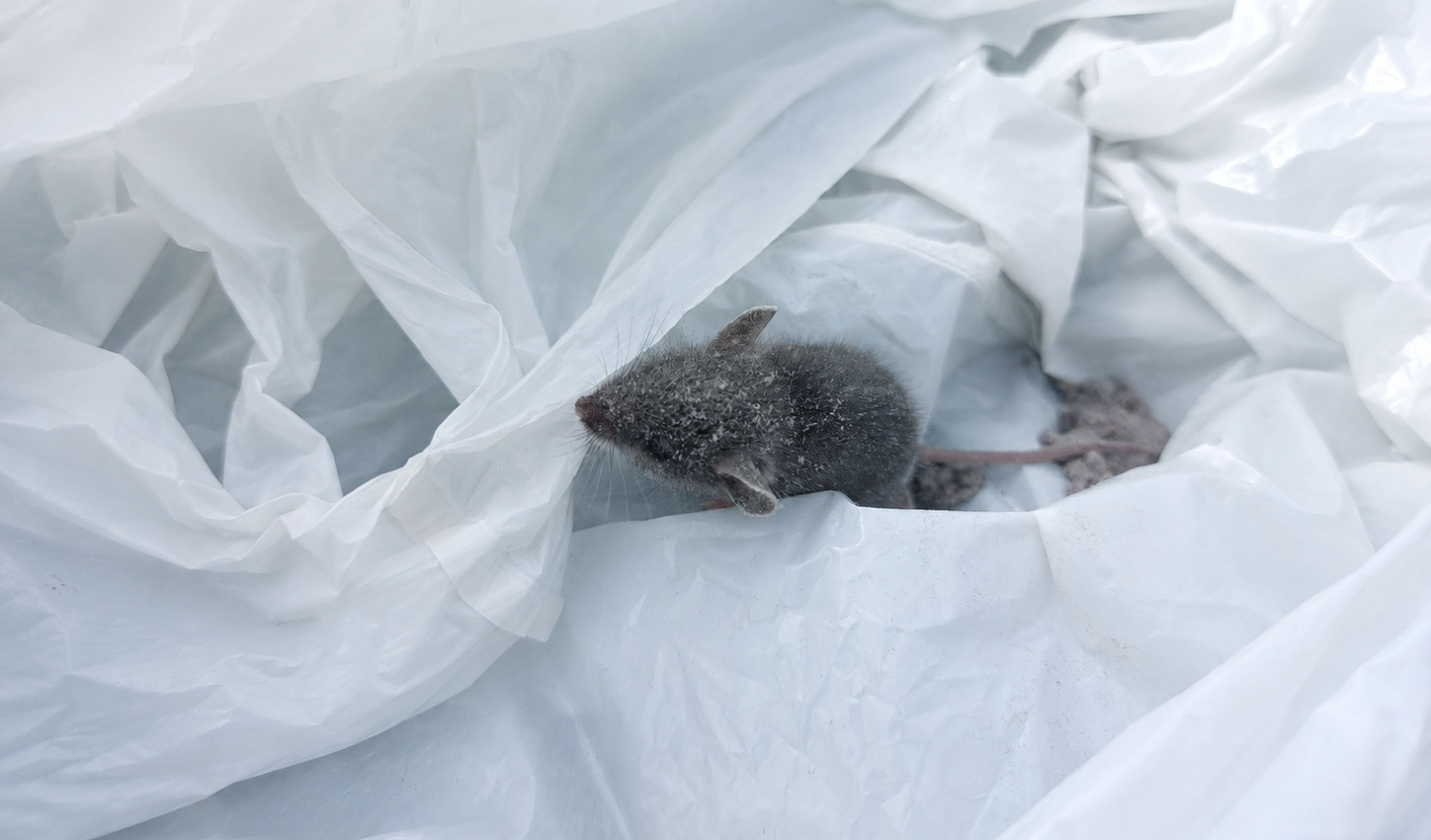
Summer renovations can create entry points for mice. When contractors work on siding, roofs, utility lines, or additions, they often leave small gaps where building materials meet. Mice can slip through an opening the size of a dime, so even tiny gaps in your home’s exterior can become a doorway into your walls, attic, or basement.
You finally booked the summer project you’ve been putting off. New siding, a fresh roof, maybe a room addition or an upgraded air conditioner. The work looks great, but here’s something most homeowners never think about. The same renovations that improve your home can also open up hidden gaps that mice use to get inside.
Mice are tiny, and they don’t need much room. A gap the width of a pencil is plenty. When workers cut into your home’s exterior to add new lines, siding, or rooflines, they sometimes leave behind small spaces where materials don’t sit flush. If those spaces aren’t sealed the right way, mice can crawl straight into your walls, attic, or basement.
In this blog, we’ll walk you through the summer renovations most likely to create entry points for mice. We’ll cover siding, rooflines, utility lines, and the clutter that comes with any big project. We’ll also explain how mice removal and prevention works with our team here at Skedaddle Humane Wildlife Control in Pittsburgh. The goal is simple. We want you to enjoy your upgraded home without sharing it with unwanted guests, and we want to handle the hard part for you.
This guide is for any Pittsburgh homeowner planning a summer project, finishing one up, or wondering why they’re suddenly hearing scratching in the walls. Let’s dig in.
Can Home Repairs Attract Mice?
Yes, home repairs can attract mice. The repairs themselves don’t draw them in, but the gaps and clutter that come with the work do. Any project that opens up your home’s exterior gives these rodents a chance to find a new way inside.
Think about what happens during a typical renovation. Crews drill holes, pull off siding, cut into rooflines, and stack materials around your yard. Each of these steps can create a fresh opening or a cozy hiding spot. These rodents are always looking for shelter, food, and water, and a busy job site offers plenty of all three.
The tricky part is that these openings are easy to miss. A small gap behind new siding or a poorly sealed hole around a pipe might look harmless to you. But to a mouse, it’s an open door. That’s why having a professional check your home after a renovation matters so much. We know exactly where these gaps tend to hide.
How New Siding Creates Gaps Mice Use
New siding makes your home look fresh, but it can leave hidden gaps if it isn’t installed perfectly. Mice love to use these spots to climb straight up into your walls. Here are the most common siding problems we see after summer projects:
- Loose Corner Posts: Corner posts that are not tightly secured can leave long vertical gaps along the edges of your home. These gaps act like highways for mice, providing an easy path into the wall system. Once inside, they can nest and travel freely, causing damage to insulation and wiring. Proper installation and regular inspections are crucial to seal these vulnerable areas effectively.
- Gaps Along the Bottom Edge: The connection between the bottom row of siding and the foundation is another common weak spot. Small spaces here are at ground level, making them one of the first entry points mice will target. These gaps are often overlooked because they are hard to notice without a closer inspection. Taking the time to seal these openings can prevent mice from getting easy access to your home.
- Spaces Behind the Panels: The design of siding often leaves a small gap between the panels and the home’s walls. This space becomes a hidden pocket where mice can move undetected. If the edges of these panels are not properly sealed, small rodents can use these areas to travel around your home. Ensuring that panels are securely fastened and sealed is key to eliminating this hidden vulnerability.
- Worn or Damaged Trim: Old or damaged trim that was not addressed during a renovation can become a significant issue over time. Cracks or pulling away from the siding create new entry points that grow worse as wear continues. These imperfections may seem minor at first but can lead to larger infestations if left unchecked. Replacing or repairing old trim during siding projects helps to close off these potential access points.
When we inspect a home after new siding goes in, we look closely at all of these areas. Sealing them the right way keeps mice from turning your fresh siding into a path indoors.
Why Roof and Soffit Work Leaves Openings
Roof projects are some of the riskiest when it comes to mice. Adding dormers, replacing shingles, or fixing soffits can create gaps high up on your home where you’d never think to look. Mice are great climbers, so these spots are very much in reach.
The trouble usually starts where two materials meet. The place where the soffit connects to the shingles rarely sits perfectly flush. Even a small space left after a roof job can be wide enough for a mouse to squeeze through. Once inside, they often head straight for the attic, which is warm, quiet, and safe.
Soffits and eaves take a beating during roof work, too. If they get bumped, cracked, or loosened, they can leave behind weak spots. We check these high areas carefully because they’re some of the most common ways mice get into an attic after a renovation.
How Utility Lines and Vents Open Doors
Almost every summer upgrade involves drilling holes through your exterior walls. New air conditioning, plumbing, electrical work, and added vents all need a way in. Those holes are necessary, but they can become trouble if they aren’t sealed correctly. Here’s where problems often pop up:
- AC and Refrigerant Lines: New cooling systems require lines that extend through exterior walls to function properly. The holes created for these lines are often sealed with soft materials like caulking. While this might seem sufficient, caulking is easily chewed through by mice, leaving an open route into the home. Over time, weathering can further weaken the seal, making it an even easier entry point for pests.
- Plumbing Penetrations: Upgrades to kitchens, bathrooms, or laundry areas often involve installing new pipes that pass through exterior walls. The spaces around these pipes are not always tightly secured during installation. Mice can squeeze through even small gaps, taking advantage of weak sealing. If left unaddressed, these gaps provide an accessible and consistent pathway for rodents.
- Electrical and Cable Openings: Installing additional wiring or cables for modern conveniences often means small holes are drilled into walls. These openings are sometimes left unsecured or lightly patched, especially when the work is indoors. Small gaps, even ones that seem insignificant, are enough for mice to slip through. Without proper sealing materials, these points can stay exposed and invite unwanted pests.
- New Vents and Exhausts: Adding vents for dryers, bathroom fans, or other exhaust systems often creates larger wall openings. If these vents are not properly screened or capped, pests like mice can easily sneak inside. Over time, loose fittings or shifting materials can widen the gaps around these ducts. Preventing intrusion requires durable screens or covers that fit securely and resist wear.
We seal these openings using sturdy materials built to keep these rodents out. Loose caulking won’t do the job, but the right approach will close these doors for good.
Why Debris Piles Invite Mice
Every renovation leaves a mess. Lumber, leftover materials, and trash often pile up near your home for days or weeks. While that clutter waits to be cleared, it gives mice the perfect place to hide and plan their way inside.
A stack of wood or building supplies close to your foundation acts like a shield. Mice can hide there, safe from predators, while they scout your home for openings. The longer the pile sits, the more comfortable they get. Soon they’re moving back and forth, looking for the gap that lets them in.
Trash and food wrappers left behind by a busy crew make things worse. These scraps draw mice in with the promise of an easy meal. The closer that food sits to your house, the more likely mice are to come looking and stick around once the project wraps up.
Mice Challenges in Pittsburgh Homes
Pittsburgh’s mix of older homes and tree-lined neighborhoods makes mice a year-round concern. From the historic houses in Bloomfield to the hillside homes near Mount Washington, many properties already have small gaps and aging materials. A summer renovation can add even more weak spots to an already vulnerable home.
Older homes are especially tricky. They often have fieldstone or brick foundations, worn weather stripping, and small cracks that mice already know how to use. When you add new work to an older structure, the spots where old and new materials meet can create fresh gaps. We see this often in neighborhoods like Squirrel Hill, Shadyside, and Lawrenceville.
Our team knows these local homes well. We understand how Pittsburgh’s housing styles and changing seasons affect where mice get in. That local knowledge helps us spot the problem areas that others might walk right past.
How We Handle Mice Removal and Prevention
When mice get into your home, the safest move is to call us right away. Do not try to handle droppings, block holes, or disturb nesting spots on your own. Mice can carry harmful bacteria, and the wrong approach can put your family at risk. Let our team take care of it from start to finish.
Here’s how we solve the problem for good:
- Full Inspection: We check your roofline, vents, soffits, foundation, and attic to find every entry point, not just the obvious one. Mice often use more than one way in.
- Humane Removal: We remove mice safely, then install one-way doors that let them leave your home but block them from coming back inside.
- Sealing Entry Points: We close gaps with strong, weather-resistant materials made to last through Pittsburgh’s seasons. This is the step that keeps mice out long term.
- Cleanup and Restoration: We clear out contaminated materials and restore the affected areas, so your home is safe and clean again.
Our work is backed by experience and a focus on doing the job right the first time. You don’t have to lift a finger. We handle the whole process so you can get back to enjoying your newly renovated home.
Frequently Asked Questions
How soon after a renovation should I check for mice?
You should have your home checked soon after the project wraps up. Gaps left during the work can let mice in within days, so an early inspection helps catch problems before they grow. Quick action can save you from larger infestations down the line.
Can mice fit through really small gaps?
Yes. A mouse can squeeze through an opening as small as a dime. That's why even tiny gaps around pipes, vents, or siding can become an entry point. Sealing these gaps properly is key to keeping mice out.
What are one-way doors and how do they work?
One-way doors are special devices we install on entry points. They allow mice to leave your home on their own but prevent them from coming back inside. It's a humane and effective way to clear your home without causing harm to the animals.
Should I seal the gaps myself after a renovation?
We don't recommend it. Sealing the wrong spots can trap mice inside, and improper materials won't hold up over time. Our team uses durable materials and knows exactly where mice get in, so we handle it for you.
Why do older Pittsburgh homes have more mice problems?
Older homes often have aging foundations, worn weather stripping, and small existing cracks. When new renovation work meets these older materials, fresh gaps can form that mice quickly find. The combination of older construction and new gaps makes these homes more prone to issues.
Don’t Let Your Upgrade Turn Into an Invitation
A summer renovation should improve your home, not give mice or other wildlife a new way inside. Openings left behind by work on siding, roofing, utility lines, or even leftover debris can quickly become entry points for unwanted guests. If these gaps aren’t sealed the right way, mice can get inside and create problems in your walls, attic, or basement. Fortunately, you don’t have to handle this alone.
At Skedaddle Humane Wildlife Control in Pittsburgh, we’re here to help. Our skilled team specializes in finding those hidden gaps, safely and humanely removing any wildlife, and sealing your home to ensure the problem doesn’t return. We understand Pittsburgh homes and how renovations often leave small openings that are easy to miss.
Whether you’ve recently completed a summer renovation or you’re hearing strange noises inside your walls, don’t wait for the problem to get worse. Contact Skedaddle today to request an estimate and trust us to protect your home. With our expertise, you can enjoy your upgrades with the peace of mind that your home is safe, secure, and free of mice.

 Loading...







