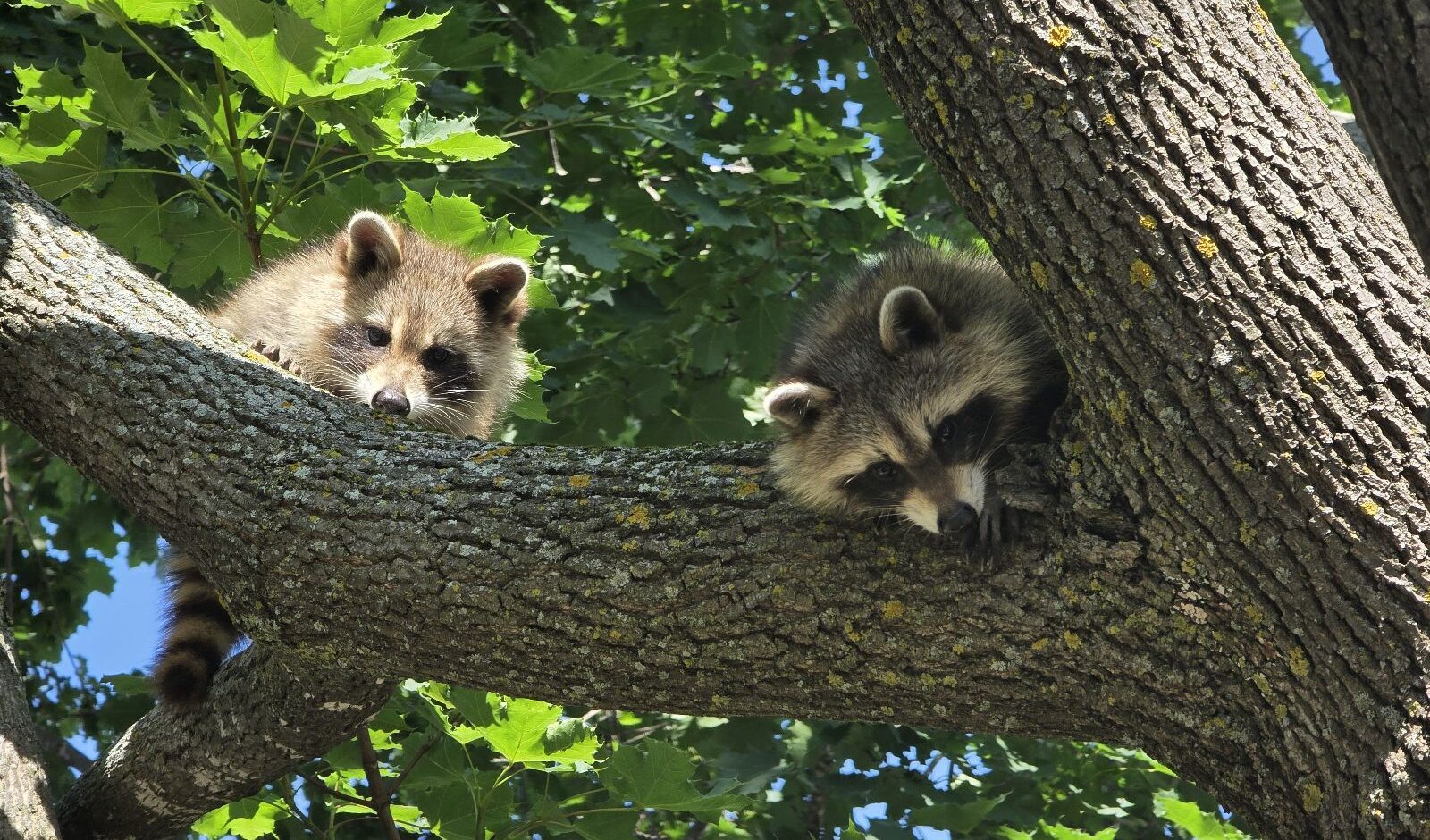
You fire up the grill, set out the food, and enjoy a great evening in your backyard. But when you head inside for the night, you’re not the only one who noticed. Raccoons, skunks, and rats have very good noses, and a summer backyard full of food smells, open bins, and warm hiding spots is exactly what they’re looking for.
Raccoons, skunks, and rats love summer BBQ season because your backyard gives them everything they need in one spot: food, shelter, and warmth. A dirty grill, an open compost bin, a bowl of pet food left on the porch, and the cool space under your deck are all things that pull these animals closer to your home. They are smart, adaptable, and very good at finding meals people didn’t mean to leave out. Once they find a reliable food source on your property, they keep coming back, and they often bring others with them.
In this blog, we walk you through why summer BBQ season brings so much backyard wildlife activity and what our team does when these visitors decide to stay. You don’t have to share your backyard with uninvited guests all summer. At Skedaddle Humane Wildlife Control in Oakville, our team handles wildlife activity around your home safely and humanely so you can get back to enjoying your yard without the worry.
Do BBQs Attract Wildlife?
Yes. A BBQ is one of the strongest attractants in a summer backyard. The smell of grease, cooked meat, and leftover food carries a long way, and raccoons, skunks, and rats can all pick it up from a distance. An uncleaned grill with a full grease trap is essentially a free meal waiting for whoever shows up first after dark.
The problem isn’t just the grill itself. Everything around the BBQ area: food scraps on the patio, drips on the ground, used plates left out, and bags of garbage waiting to go to the bin – all adds to the scent trail that draws wildlife to your yard. The more smells linger after a cookout, the more likely you are to have visitors overnight.
These animals are also quick learners. If they find food in your yard once, they come back looking for it again. A backyard that regularly provides easy meals quickly becomes a spot they visit every night, which is when a passing visitor becomes an ongoing problem.
Patios and BBQs
Your patio and grill are two of the biggest draws in a summer backyard. The smell from a used grill – grease, meat drippings, and burnt food – lingers long after you’ve gone inside, and nocturnal animals like raccoons and rats are active right around the time you’re heading to bed. They can smell a dirty grill from a surprisingly long distance.
Beyond the grill, patios offer something else these animals look for – shelter. The shaded, cool space under a raised deck or patio is a perfect spot to rest during the heat of the day or set up a den. Skunks in particular are known to dig under patio structures and set up long-term homes beneath them, especially when there’s a reliable food source nearby.
Here is what draws wildlife to your patio and BBQ area:
- Uncleaned Grills and Grease Traps: A grill that hasn’t been cleaned after use holds grease, drippings, and food residue that smells strongly to raccoons and rats. They are persistent enough to pry open grill drawers and lids to get to what’s inside. A grill left dirty overnight is one of the most reliable ways to attract unwanted visitors to your patio.
- Cool, Shaded Space Under Decks and Patios: The hollow space under a raised deck gives skunks a cool, hidden spot to spend the day and eventually set up a den. Once a skunk has dug under your deck and settled in, the smell builds up quickly and can seep into your home through air conditioning units and basement windows. Getting them out requires professional exclusion – not something homeowners should attempt on their own.
- Food Scraps and Grease on the Ground: Drips and spills around the BBQ area leave scent on the ground that attracts foraging animals even when the grill is put away. Raccoons and rats follow scent trails along fences, under gates, and through gaps to find where the smell is coming from. A patio that regularly smells like food quickly becomes a regular stop on their nightly route.
Garbage and Compost Bins
Garbage and compost bins are one of the top reasons wildlife activity spikes in summer. Warmer temperatures speed up the breakdown of food waste, which means the smell coming from your bins is much stronger in July and August than it is in February. That strong smell pulls raccoons, skunks, and rats in from a wide area.
Raccoons are especially good at getting into bins. They use their front paws almost like hands, and standard bin lids don’t stop them for long. Once a raccoon has knocked over and emptied a bin, the mess left behind – food scraps spread across the lawn – attracts rats and other animals to the same spot.
Here is how bins become a major problem in summer:
- Overflowing or Unsecured Bins: A bin that is too full to close properly, or one with a lid that doesn’t lock, is easy pickings for raccoons. They tip bins over, pull out bags, and scatter the contents across your yard. The mess left behind draws other animals and creates an ongoing cycle of activity around your bin area.
- Compost Bins Without Proper Covers: Open or loosely covered compost bins smell strongly in warm weather and attract all three of these animals regularly. Raccoons dig through compost looking for food scraps, skunks forage around the base for insects drawn to the material, and rats tunnel into open compost piles to nest and feed. A compost area without a secure lid is one of the most consistent attractants in a summer backyard.
- Bins Placed Near the Home or Entry Points: Bins stored close to your garage, back door, or fence line give wildlife a reason to come right up to your home on a nightly basis. The closer they get to your home while foraging, the more likely they are to find a gap or opening that leads inside. Keeping bins away from the structure and secured with locking lids is one of the most effective ways to reduce activity around your home.
Pet Food
Leaving pet food outside is one of the fastest ways to bring raccoons, skunks, and rats right to your back door. A bowl of kibble sitting on the porch overnight is an easy, high-calorie meal that these animals will come back for night after night once they discover it.
Pet food attracts all three of these animals because it smells strongly and provides a lot of energy with very little effort. Raccoons are bold enough to come right onto a porch or deck to eat from a bowl, and they’re not shy about doing it while you’re sitting nearby. Rats are attracted to the same food sources and will also investigate any bags of pet food stored in a garage or shed.
The problem with pet food as an attractant is that it brings animals very close to your living space. Once raccoons or rats are regularly visiting your back porch, the risk of them finding a way inside your home increases significantly. Our team addresses the full picture during an assessment, not just where the animals are, but what’s drawing them there in the first place.
Cottage Weekends
Ontario cottage country is beautiful in summer, and it’s also full of wildlife that has learned to associate cottages with easy food. When people head up for the weekend and leave garbage out overnight, don’t clean up after outdoor meals, or leave coolers and food bags accessible, they create exactly the conditions that attract raccoons, skunks, and rats to the property.
The bigger problem with cottages is that the wildlife there is often bolder than in urban areas. They’ve had less exposure to people and have often learned that cottages are a reliable food source. A raccoon that finds food on a cottage deck on Friday night will be back on Saturday night and Sunday night after that.
Leaving a cottage unoccupied for stretches of time also creates denning opportunities. Raccoons and skunks will investigate spaces under decks, porches, and sheds during quiet periods. A cottage that sits empty for weeks at a time can come back to an active den under the deck that wasn’t there when you left. Our team can assess and address wildlife activity at cottages and seasonal properties the same way we do at primary residences.
Summer Activity Behaviour
Summer is the busiest time of year for raccoons, skunks, and rats, and each one has its own routine that makes this season the most active. They’re all out foraging, raising their young, and looking for food and shelter at the same time. That combination of factors is exactly why so many homeowners start noticing backyard activity in June, July, and August. Here is what each of these animals is doing in your backyard during summer:
- The Raccoon Routine: Summer is when mother raccoons are most active because they are out every night looking for food to feed their young. They are bolder than usual during this time — bold enough to come right onto your porch, pry open a bin, or push into your garage. A mother raccoon with a litter nearby is one of the most determined animals our team deals with all year. Once she finds a reliable food source on your property, she will be back every single night until the situation is addressed.
- The Skunk Habit: Summer is breeding and kit-rearing season for skunks, which means they are more active and spending more time in residential yards than at any other time of year. When they are not raising their young under your shed or deck, they are out at night digging up lawns for grubs and insects pulled to the surface by regular watering. A well-watered lawn is one of the biggest things drawing them to your property night after night. The holes they leave behind in the grass are a clear sign that they are feeding regularly in your yard.
- Rat Activity at Peak Numbers: Rats are active all year, but summer is when their population grows the fastest because food is easy to find and nesting conditions are ideal. The excess food around patios, open compost bins, and stored pet food gives them everything they need to breed and expand quickly. A small number of rats around your backyard in spring can become a much larger problem by midsummer if nothing is done. Our team assesses the full situation during the inspection so every factor pulling them to your property gets dealt with properly.
How Does Skedaddle Deal with Wildlife Removal and Prevention?
When our team arrives at your property, we start with a full inspection. We assess every area where wildlife activity is happening – the patio, the bins, under the deck, around the garage, and identify what’s drawing them in and how they’re accessing your property. That full picture shapes the removal and prevention plan.
Our exclusion process uses one-way door systems at active entry points, which allow animals to leave a den on their own but stop them from getting back in. Once the animals have vacated, we seal every opening with durable, professional materials they cannot dig or chew through. All cleanup and decontamination of den areas is handled by our team – homeowners should never go near a den site, droppings, or nesting material without proper protective gear.
Oakville’s combination of mature neighbourhoods, green spaces, and active summer social life makes backyard wildlife activity very common during BBQ season. Our team knows the local conditions, the most common entry points in Oakville homes, and the seasonal patterns that drive this activity. That knowledge helps us assess and resolve situations faster and more completely.
Wildlife Challenges in Oakville
Oakville’s mix of established residential streets, ravines, and green corridors creates ideal conditions for raccoons, skunks, and rats to thrive year-round. Summer brings the highest levels of activity, with families of raccoons and skunks raising their young in the very neighbourhoods where people are spending the most time in their backyards.
Older homes in Oakville often have raised decks, detached garages, and garden sheds with open bases that provide easy denning access. Newer properties with patio structures and landscaped yards can also attract activity, especially when regular BBQs and outdoor dining create consistent food smells in the area.
The combination of food availability and denning opportunities in summer makes Oakville backyards a very active place after dark. Our team responds to calls throughout Oakville and the surrounding area, and we understand exactly what drives this seasonal spike in wildlife activity in this part of Ontario.
Frequently Asked Questions
How do I know if raccoons are getting into my bin?
The most obvious sign is a tipped or emptied bin with food scraps scattered around it. You may also notice the lid has been moved or damaged, or find muddy paw prints around the bin area. If your bin is being raided regularly, the activity will likely continue and increase until the attractant is properly managed.
Can skunks get under a concrete patio?
Yes. Skunks can dig under the edges of a concrete patio or along the base of a foundation wall to find a way into the hollow space beneath. Even a small gap is enough of a starting point for them to widen. Once they've established a den under a concrete surface, professional exclusion and sealing is the only reliable way to resolve it.
Are rats in my backyard a sign they're also inside my home?
Not necessarily, but it's a real risk. Rats that are regularly foraging in your yard will investigate any gap or opening they find in your home's exterior, especially if they are finding food close to the structure. A rat problem in the backyard should be taken seriously and assessed by a professional before it becomes a problem inside the home.
Why do raccoons come to my yard even when I clean up after a BBQ?
Raccoons have a very strong sense of smell and can detect food residue that people can't. Grease on the grill, drips on the patio surface, and food smells that have soaked into wood or concrete can all draw them in even after a cleanup. Consistent pressure from a persistent raccoon usually means there is a den nearby as well.
What should I do if I see a skunk on my patio at night?
Stay calm and stay still. Do not approach it, make sudden movements, or let pets out near it. Back away slowly and go inside. Do not try to chase it away or block any entry points yourself. Call our team in the morning for a professional assessment of your property.
Your Backyard Shouldn’t Be a Wildlife Buffet, Call Us Today
A summer evening in your backyard should be relaxing, not something you share with raccoons tipping your bins, skunks digging under your deck, and rats sneaking around your patio. The food smells, open compost, pet food bowls, and warm hiding spots that make your backyard great for you also make it great for them.
The longer wildlife activity goes unaddressed, the more established it becomes. Animals that find reliable food and shelter on your property don’t leave on their own, they come back every night and eventually move in.
Skedaddle Humane Wildlife Control in Oakville handles everything. We inspect your property, identify what’s drawing wildlife in, exclude any animals that have denned on your property using humane one-way door systems, and seal every entry point so they can’t get back in. We also handle all cleanup and decontamination professionally so you don’t have to go near any of it.
Request an estimate today and let our team protect your backyard before BBQ season gets any busier.

 Loading...







