Mouse Removal in Alabama | Skedaddle skip to main content
Skip to main content
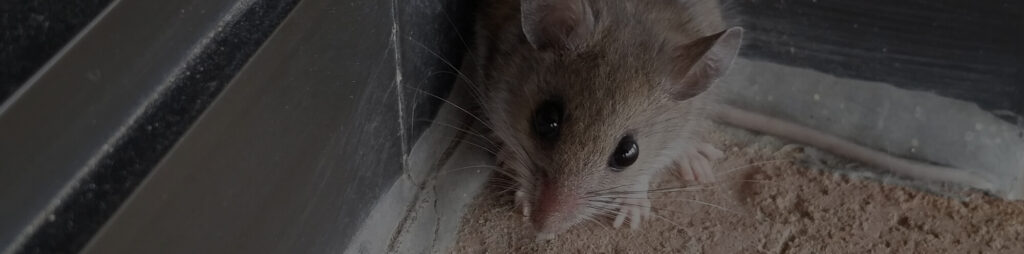
Mouse beside a doorway threshold

Alabama Mouse Removal

Contact Us
659-241-0018

Monday–Friday: 6:30 AM–8:00 PM

Saturday: 7:00 AM–4:00 PMSunday: 9:00 AM–3:00 PM Central Time

Proudly Serving • Birmingham, Mountain Brook, Homewood, Vestavia Hills, Hoover, Trussville, Chelsea, Pelham, Alabaster, Helena, Gardendale
ALABAMA · HUMANE MOUSE REMOVAL

Humane Mouse Removal in Alabama

Small openings deserve a thorough inspection.

Skedaddle provides humane mouse removal for the Birmingham area, beginning with a search for the small exterior openings connected to activity inside. Your mouse-removal plan combines exclusion, entry-point sealing, and recommended cleanup, with insulation work where needed and agreed, so the response addresses how mice enter as well as the spaces they have affected.

  • Birmingham-area service
  • Skedaddle founded 1989
  • Humane removal and prevention

Why homeowners choose Skedaddle

A mouse sighting can leave you watching one corner of a room. The inspection should widen that view to the openings, concealed spaces, and affected materials connected with the activity.

Attention to small exterior gaps

Skedaddle inspects the perimeter from foundation to roof for mouse access, chewing, droppings, and staining. That detailed approach is important when the visible signs are indoors but the route into the home is tucked behind a utility line, vent, or building joint.

A plan for more than the latest sighting

The mouse service combines humane exclusion with exterior sealing and contamination assessment. Ask the technician to connect each part to the findings at your property, rather than treating removal, prevention, and cleanup as unrelated decisions.

Written protection for completed sealing

Skedaddle Birmingham’s lifetime guarantee covers exclusion workmanship and materials. Have the serviced openings and terms explained in your quote, so you know the scope of the protection and do not mistake it for a guarantee against every possible future building defect.

Signs of mice and how they get in

Note where you first noticed the signs and whether they appear in more than one area. Avoid disturbing droppings or nesting material: the CDC advises not sweeping or vacuuming rodent contamination.

Activity assessment

Evidence around food and storage

Droppings, chewed packaging, and sounds in walls or attics are among the signs Skedaddle investigates. Tell the technician whether the evidence is in a kitchen, storage area, garage, or overhead space; the location helps frame the inspection without proving how many mice are present.

Small-opening inspection

Gaps that are easy to overlook

Alabama guidance notes that mice can enter openings as small as a quarter inch. Skedaddle checks utility penetrations, vents, window casings, and gaps between building materials, helping identify access that can be missed when attention stays only on the room where a mouse was seen.

Affected-space assessment

Nesting and contaminated materials

House mice can shred paper, cloth, and other material for nests, while the mouse service also assesses soiled insulation and contamination. Ask which materials and spaces need attention, especially where storage or concealed building areas make the full extent difficult to see.

A mouse sighting deserves a closer look

Share where you saw the mouse and any other signs you have noticed. An inspection can investigate the access routes and affected spaces without relying on an assumed infestation size or a single suspected opening.

Understanding mice in Alabama

  • House mice

Alabama’s rodent guidance describes the house mouse as a small rodent, usually weighing less than an ounce, with small feet and a small head. It is not simply a smaller version of the same inspection problem as a rat; the size of the openings and the way signs appear inside deserve their own assessment.

House mice can use quarter-inch openings, climb, and build nests from shredded household materials. That combination makes small exterior gaps and sheltered indoor spaces relevant even when the home has no obvious large opening or damaged section of roof.

The same guidance says house mice are primarily nocturnal, but a daytime sighting does not necessarily indicate a large population. Neither the time of a sighting nor one set of droppings gives a reliable head count on its own.

For your inspection, focus on the evidence you can describe: where it appeared, what material was affected, and whether it has changed. Ask the technician to explain how those observations relate to the exterior entry points and the areas that need cleanup.

What to expect from a Skedaddle inspection

Skedaddle’s mouse assessment examines exterior access from the foundation to the roof and checks for indoor evidence of occupation. The Birmingham team provides an itemized on-site quote before work begins, so you can review the recommended removal, sealing, and affected-area work before deciding.

  • Activity: Assess sightings, droppings, chewing, and other signs.
  • Access: Identify small gaps and penetrations around the exterior.
  • Affected spaces: Check contamination and materials such as soiled insulation.
  • Work required: Explain exclusion, entry-point protection, and cleanup recommendations.

Ask the technician to distinguish the routes confirmed by the inspection from other vulnerabilities recommended for protection. The written scope should also explain which spaces will be cleaned and whether insulation work is included.

Skedaddle's Three-Step Wildlife Removal Process

Step 1

Assess and Remove

Skedaddle uses the property assessment to identify mouse entry points and choose an exclusion approach. Its service describes one-way devices where mice can leave without returning; ask how the proposed setup relates to the openings and activity found at your home rather than selecting a device before the assessment.

Learn more
Step 2

Clear and Clean

The team clears and decontaminates affected areas, with insulation work where needed and attic restoration according to the assessed condition. Review the included tasks in the quote, and do not sweep or vacuum droppings while awaiting an appropriate cleanup plan, as the CDC advises.

Learn more
Step 3

Prevent and Protect

Skedaddle protects exterior entry points using materials such as heavy-gauge screening and wildlife exclusion sealant. The local lifetime workmanship and materials guarantee applies to that exclusion work, so retain the written scope and ask how any later concern with a serviced opening should be reported.

Learn more

Seasonal activity and removal timing

Cooler weather can make exterior checks especially useful: house mice often enter homes in autumn as nights become colder. But signs already inside deserve attention when you find them, not just during a fall maintenance routine.

SeasonWhat may changeWhat it means for the homeowner
Spring(Mar–May) Seasonal sorting may reveal nests made from shredded paper or cloth.Leave suspected contaminated material undisturbed and ask what cleanup is appropriate.
Summer(Jun–Aug) Utility gaps, vents, and exterior joints remain relevant access points.Include suspected openings in the inspection even if the latest sighting was elsewhere inside.
Fall(Sep–Nov) Colder nights can prompt mice to enter homes.Review exterior vulnerabilities before treating indoor signs as an isolated seasonal nuisance.
Winter(Dec–Feb) Mice in the home may be using small sheltered areas with limited food and shelter.Have current indoor signs assessed rather than assuming the problem will end with the weather.

This is a practical maintenance guide, not a claim that mouse activity follows a fixed Alabama calendar. The inspection findings determine the removal and sealing plan.

A humane approach to mouse removal

Small entry points call for careful building work, not a smaller version of an unrelated wildlife plan. Ask how the proposed removal and cleanup connect to the actual openings and occupied spaces.

Choosing exclusion from the findings

Skedaddle starts with a property assessment and uses a customized humane mouse-removal approach. The useful discussion is which routes are active and how the method addresses them, not an assumption that one opening or one standard setup explains every sighting.

Checking connected entry routes

The mouse assessment follows the building exterior from foundation to roof. Ask how the visible indoor evidence relates to those exterior routes and which other vulnerabilities need protection, rather than requesting a patch only where the last mouse disappeared from view.

Matching cleanup to the affected space

Skedaddle assesses contamination and advises on clearing and insulation work according to severity. The scope should distinguish surface cleanup, contaminated stored material, and any attic work; a mouse sighting alone does not determine that every part of the insulation must be replaced.

Keeping the finished protection understandable

The service uses screening and exclusion sealant to protect entry points, backed locally by the lifetime workmanship and materials guarantee on exclusion. Ask what was sealed and what remains outside the agreed work, and retain those details with your quote.

Address the openings as well as the mice

Request an assessment of the exterior routes, evidence inside, and affected materials. A written plan helps you understand how removal, sealing, and cleanup fit together without guessing how much of the home is involved.

Where this service is currently available

This mouse-removal page serves Birmingham, Mountain Brook, Homewood, Vestavia Hills, Hoover, Trussville, Chelsea, Pelham, Alabaster, Helena, and Gardendale through Skedaddle Birmingham. If your address is in another nearby community, contact the team to confirm availability rather than assuming the state-level page covers all Alabama locations.

For a local inspection, mention whether the signs are in a kitchen, storage area, attic, or another part of the building. Mountain Brook’s wildlife service includes mouse assessment and entry-point protection, with the scope at each home determined by its access and affected spaces.

Frequently asked questions about mouse removal

How much does mouse removal cost?

The price depends on the openings requiring protection, access, materials, and any cleanup or insulation work. Skedaddle Birmingham supplies an itemized on-site quote before work starts, so the cost reflects the property rather than a generic estimate based on the number of sightings.

Can you remove mice the same day I call?

Same-day inspection or completed removal is not guaranteed. Call the Birmingham team for current availability, and ask the technician to explain the removal and sealing sequence after the property’s entry points and activity have been assessed.

How do you remove mice humanely?

Skedaddle’s mouse service uses a poison-free, inspection-led exclusion approach and seals the exterior against re-entry. The technician should explain which methods fit the property and what cleanup is recommended, rather than treat the last sighting as the entire problem.

Which areas do you serve?

Birmingham, Mountain Brook, Homewood, Vestavia Hills, Hoover, Trussville, Chelsea, Pelham, Alabaster, Helena, and Gardendale are the named service communities for this page. For another nearby location, send your address when requesting an inspection so the Birmingham team can confirm availability before an appointment is arranged.

What does the exclusion guarantee cover?

The lifetime guarantee covers exclusion workmanship and materials, including repair if a sealed opening fails. Have the protected openings and written terms explained with your quote, rather than assuming the guarantee covers unrelated future building damage or every service item.

Is cleanup or attic restoration included?

Skedaddle assesses contaminated material and may recommend insulation removal or attic restoration. The agreed scope determines which tasks and spaces are included; ask for that detail instead of assuming every mouse problem requires, or automatically includes, whole-attic replacement.

Does seeing one mouse tell you how many are present?

No reliable count can be made from one sighting alone. Alabama guidance specifically notes that seeing a house mouse in daylight does not necessarily indicate a high population; the inspection should assess the wider evidence and access routes rather than turn a single observation into a number.

How are possible mouse entry points assessed?

Skedaddle examines the exterior from foundation to roof, including utility lines, vents, casings, and building gaps. The detail matters because mice can use quarter-inch openings; ask the technician to connect the identified vulnerabilities with the recommended sealing.

Alabama Wildlife Resources & Guides

Book your mouse inspection

A mouse in a room, chewed packaging, or signs in stored material should lead to questions about the building as well as the animal. Skedaddle checks exterior access, assesses activity and contamination, and explains removal, sealing, and recommended cleanup, including insulation work where needed and agreed. Contact the Birmingham team with your address and observations to start with a clearer picture of the work involved.

menu