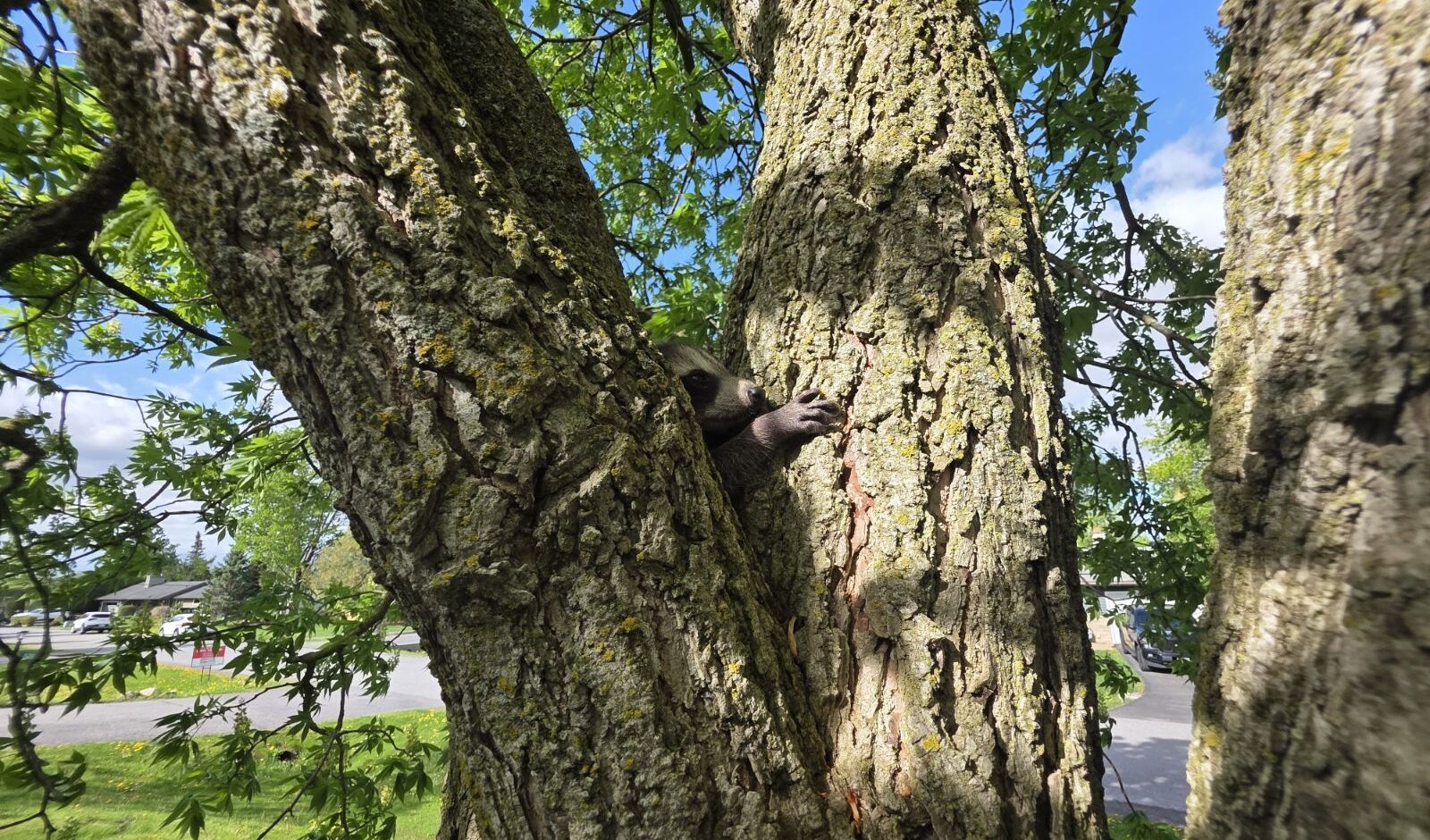
You may live in a busy Kitchener-Waterloo neighbourhood and still see raccoons, squirrels, skunks, mice, foxes, coyotes, deer, birds, or bats near your home. This happens because Waterloo Region’s trails and creek corridors connect rural land, rivers, wooded areas, parks, and city streets. They provide water, food, shelter, and covered paths that help animals move through the region.
You may not see the route from your front window. A creek behind a row of houses may connect to a park, stormwater pond, woodlot, or larger river. From there, fences, trees, gardens, and quiet side yards can lead them closer to decks, sheds, garages, rooflines, and foundations.
Outdoor movement does not always mean something has entered your home. However, repeated tracks, digging, roof damage, droppings, stains, odours, or sounds inside the walls may point to a larger problem. Skedaddle Humane Wildlife Control in Kitchener-Waterloo can inspect the property and determine what is happening without asking you to approach or handle anything. In this blog, we explain how waterways, trails, green spaces, neighbourhood resources, and seasonal changes create travel routes that sometimes lead to local homes.
Why Do Wild Animals Use Creeks and Trails to Travel?
Wild animals use creeks and trails because these spaces create clear paths between water, food, shelter, and larger habitats. Plants along creek banks can hide their movement, while the water supports insects and other food sources. These routes may also help them avoid busy roads and open areas.
A single creek can run through farmland, parks, residential neighbourhoods, and commercial areas. Trails, drainage channels, and wooded strips may connect to that creek and extend the route much farther. Property lines do not stop this movement.
Seeing one outside is not always a reason for alarm. The concern grows when you notice repeated activity around the same deck, roof edge, garage, vent, shed, or foundation opening. A professional assessment can determine whether the animal is simply passing through or has found shelter inside the structure.
Major Waterways Form the Main Travel Network
Waterways form long, dependable routes through Waterloo Region. They provide water and vegetation while connecting several types of land. Smaller branches can guide animals away from a major river and into developed neighbourhoods.
- The Grand River Corridor: The Grand River passes through natural spaces, rural areas, parks, and developed communities. Its banks provide water and covered places where animals can move or search for food. Smaller creeks and planted areas can lead them away from the river. Those connected routes may eventually reach residential streets and yards.
- The Laurel Creek System: Laurel Creek links conservation land with parks, trails, and urban parts of Waterloo. Trails in the conservation area connect with routes in Waterloo and Kitchener, including the Walter Bean Grand River Trail. These links create a wide network instead of one closed natural space. Homes near that network may experience regular activity even when they are surrounded by development.
- Smaller Drainage Channels: Small creeks, culverts, and stormwater channels can continue through neighbourhoods and business areas. Plants along their edges may provide cover where there are few trees or wooded spaces. These routes are easy for homeowners to overlook. Yet they can place raccoons, skunks, mice, and other species close to buildings.
Trails and Green Spaces Bridge Habitat Gaps
One large park does not form the whole travel system. Woodlots, public trails, creek banks, stormwater ponds, and planted spaces work together like links in a chain. Waterloo Region’s Greenlands Network includes corridors and connections between important natural features.
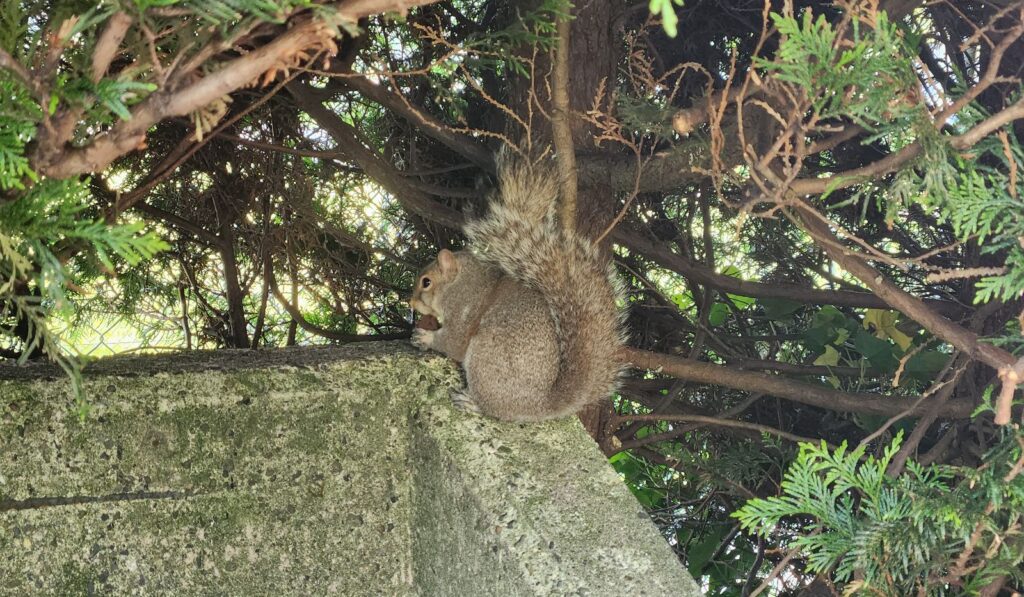
- Woodlots Become Stepping Stones: A small wooded area can provide a place to hide, rest, or search for food. It may sit between two larger natural spaces that would otherwise be separated by roads and buildings. Animals can move through one woodlot before continuing to another. Nearby backyards may become part of that connecting route.
- Community Trails Extend the Path: Many trails follow creeks or pass through parks and conservation areas. Vegetation beside a trail can provide cover after the path becomes quieter. These routes may continue behind fences, homes, schools, and commercial properties. Their public use during the day does not prevent animal movement at night.
- Parks and Stormwater Ponds Add Resources: Ponds and public green spaces provide water, plants, insects, and open ground. They are common in established communities and newer developments. A pond surrounded by streets can still connect to drainage channels and planted corridors. This is why recently built neighbourhoods may also see frequent wildlife activity.
Why Activity Appears in Developed Neighbourhoods
You do not need to live beside a forest to see animals around your property. A home may sit close to a creek, trail, drainage area, or narrow strip of vegetation without seeming close to nature. Much of the movement also occurs after dark, when streets and trails are quieter.
Food and shelter can draw them away from the main corridor. Garbage, compost, birdseed, garden produce, outdoor eating areas, and pet food may create useful stops. A deck, shed, garage, attic, or crawl space may then offer protection from weather and danger.
Adaptable species can follow fences, rooftops, laneways, and quiet streets after leaving a trail or creek. They may use several connected yards rather than staying on one property. Our professional inspection considers this wider pattern instead of focusing only on where something was last seen.
Residential Features Create Useful Detours
A trail or creek may bring animals near your neighbourhood, but local resources give them reasons to leave the main route. One successful feeding visit can lead to repeated trips. While returning, they may also explore the exterior of nearby homes.
- Garbage and Outdoor Food: Food smells may draw raccoons, skunks, and mice farther into residential areas. A dependable source can become part of their regular search each night. Garages, porches, sheds, and decks may then receive more attention. The food source and possible shelter should be considered together.
- Gardens and Birdseed: Spilled seed, fallen fruit, and garden produce may attract more species than you intended. Mice or squirrels may feed there before larger visitors arrive for other food. Repeated activity can create well-used paths through the yard. You should watch from a distance and avoid approaching anything that appears sick, injured, or unusually bold.
- Openings Around the Home: Damaged soffits, loose vents, roof gaps, garage-door openings, and foundation cracks may offer shelter. Animals following a nearby corridor can find these weak areas while exploring. Outdoor movement can then become an indoor problem. At Skedaddle, we can inspect elevated or hidden spaces without asking you to climb or handle anything.
Seasonal Changes Shift Local Travel Routes
Spring often brings more nesting and denning activity. Raccoons, squirrels, birds, and skunks may search for quiet spaces where they can raise their young. Creeks and connected green spaces help them travel between shelter, food, and water.
Summer provides thick plant cover, insects, gardens, and outdoor food sources. Dry weather may make the Grand River, Laurel Creek, ponds, and drainage areas even more important. Activity can spread into nearby yards when water or food is easy to find there.
In fall, dropping temperatures can change what they need. Mice, squirrels, and raccoons may explore garages, attics, roof openings, wall spaces, and other protected areas. Winter does not always stop movement, and indoor noises may reveal an entry that happened several weeks earlier.
Signs That a Travel Route Has Reached the Home
Outdoor movement is a normal part of living near connected green space. However, repeated signs beside a structure may show that the route now includes your property. You can notice these clues from a safe distance without entering hidden areas or touching contaminated material.
- Repeated Tracks or Sightings: Movement along the same fence, side yard, roof edge, or deck may reveal an established path. The direction and time of each visit can provide useful clues. One sighting may be temporary, while a repeating pattern deserves closer attention. Our team can use that information during an inspection.
- Digging and Exterior Damage: Disturbed soil may appear beside decks, sheds, porches, or foundations. You may also notice damaged vents, loose soffits, chewed materials, or widened openings. The visible damage may be only one section of a longer entry route. Our professionals should inspect the connected spaces before repairs begin.
- Sounds Inside the Building: Scratching, gnawing, chirping, or movement may come from an attic, wall, garage, or crawl space. Sound can travel through framing, making the source difficult to locate. Opening a wall or entering a confined space may bring you close to an occupied nest. Skedaddle can trace the sound and check for dependent young.
- Droppings, Stains, and Odours: Waste, dark marks, nesting debris, or strong smells may appear near an entrance or indoor travel path. These signs may also point to contamination in insulation or other hidden materials. You should not sweep, vacuum, or touch droppings. Our technicians can assess and clean the affected area when required.
Trail and Creek Activity Around Kitchener-Waterloo Homes
The Grand River watershed connects much of Waterloo Region. Laurel Creek, the Walter Bean Grand River Trail, community parks, woodlots, stormwater ponds, and smaller drainage routes add more links. According to the Region of Waterloo, its natural network includes corridors between key environmental features.
Established neighbourhoods may have mature trees, older rooflines, aging vents, and gaps that have developed over time. New subdivisions may sit beside stormwater ponds, planted trails, and drainage channels. A newer home can therefore be close to an active route even when the building itself is in good condition.
Local weather can also change movement. Heavy rain or high water may push animals away from creek banks, while drought can draw them closer to dependable water. Snow and cold temperatures can increase interest in protected building spaces. Our inspection looks at both the home and the conditions around it.
When Outdoor Movement Becomes a Property Concern
An animal passing behind your yard does not automatically mean you have an indoor problem. Concern increases when visits continue around a roof, deck, garage, vent, foundation, or shed. Interior sounds, droppings, stains, odours, or damaged materials make an inspection more urgent.
Removing one visible visitor would not explain the route or protect the building. The same creek, trail, or green corridor may bring others through the area later. If food, shelter, or an open entry point remains, the property can continue to attract attention.
A full inspection connects outdoor activity with building access, damage, nesting spaces, and contamination. You should not trap, poison, touch, or attempt to remove the animal yourself. Humane control requires the correct plan for the species, season, and possible presence of young.
Wildlife Removal and Prevention With Skedaddle
Our team begins by inspecting the whole property, not only the place where you last noticed activity. We examine rooflines, soffits, vents, chimneys, decks, garages, foundations, crawl spaces, and possible travel paths. This allows us to connect the outdoor route with any indoor shelter.
We then create a plan based on the species, season, building, and possible presence of young. When appropriate, we install one-way doors that allow wildlife to leave but prevent them from getting back inside. Our approach does not rely on live trapping and relocation.
After removal, we can clean contaminated areas and secure vulnerable openings with durable materials. You will not be asked to climb, enter confined spaces, handle droppings, or remove anything yourself. The goal is to solve the current problem while reducing the risk of another entry.
Frequently Asked Questions
Do creeks bring raccoons close to homes?
Creek banks provide raccoons with water, food, plants, and covered travel space. Connected trails and vegetation may guide them into nearby neighbourhoods. A single outdoor sighting does not prove that one has entered your home. Repeated activity around a roof, deck, garage, or garbage area should be professionally assessed.
Why are animals more active near trails at night?
Many species move at night because trails, roads, and neighbourhoods are quieter. Darkness and thick vegetation also provide cover while they search for food and water. You may notice tracks or damage in the morning without seeing what caused it. Keep your distance if you encounter one and do not block its path.
Can stormwater ponds increase activity near new homes?
Stormwater ponds provide water and support plants, insects, and other food sources. Planted areas around them may connect with trails, drainage channels, woodlots, and yards. These connections allow movement through newer subdivisions. A recently built home can still experience problems if accessible openings provide shelter.
Does seeing tracks mean something is living inside the house?
Tracks only confirm that something travelled through the outdoor area. They do not prove that it entered the building or formed a nest. Tracks leading repeatedly toward one foundation gap, deck, garage, or roof area are more concerning. Indoor sounds, droppings, stains, or damage add stronger signs of entry.
Why so animals keep returning to the same property?
Animals may remember dependable sources of food, water, and shelter. An open building gap can also give them a protected place to rest or raise young. A nearby creek or trail may make the property easy to reach again. Long-term prevention must address both the attraction and the access point.
Who should handle wildlife inside a Kitchener-Waterloo home?
Our trained wildlife professionals should identify the species, find the entry route, and check for young. At Skedaddle, we can complete humane removal, professional cleanup, and exclusion work. You should not touch the animal, nest, droppings, or damaged insulation. Trying to seal an opening before an inspection could leave animals trapped inside.
Keep a Natural Travel Route From Leading Indoors
The Grand River, Laurel Creek, community trails, woodlots, parks, ponds, and drainage channels help connect rural and developed parts of Waterloo Region. These routes provide water, food, vegetation, and shelter. Nearby residential features may then draw animals into yards and closer to buildings.
Outdoor activity does not always mean something has entered your home. Still, repeated sightings, tracks, digging, damaged vents, indoor sounds, droppings, stains, and odours should not be ignored. Do not approach, trap, touch, or clean up after an animal yourself.
At Skedaddle Humane Wildlife Control in Kitchener-Waterloo, we provide detailed inspections, humane removal, professional cleanup, exclusion, and long-term prevention. Our team can determine how the property connects with a nearby travel route and whether an entry has occurred. Contact us to request an estimate and learn more about protecting your home.

 Loading...








