You may notice more birds near your Windsor home or business during certain parts of the year. Windsor sits beside the Detroit River, which connects Lake St. Clair and Lake Erie. This location places the city along an important route used during spring and fall migration.
Large seasonal movements can increase activity around vents, rooflines, ledges, signs, and other raised parts of buildings. Some birds stop only to rest before continuing their trip. Others may find a protected opening and begin roosting or nesting inside the structure.
You should never remove nesting material, close an active opening, or clean droppings yourself. At Skedaddle Humane Wildlife Control in Windsor, we inspect these areas and complete the physical work for you. In this blog, we explain how migration affects local buildings, which signs may point to nesting, and why professional prevention must follow the right timing.
Why Do Birds Migrate to Different Locations?
Birds migrate to find food, suitable weather, resting areas, or safe places to raise their young. These seasonal trips may cover long distances and often follow rivers, shorelines, forests, and other visible land features. The Detroit River helps guide movement through the Windsor area.
Migration does not happen in one non-stop flight. Birds need places to feed and rest along the way. Roofs, ledges, signs, trees, and open spaces near buildings may provide short-term stopping points.
Most migrating birds pass through without causing a problem. However, some may find a warm vent, sheltered roof gap, or quiet ledge that offers more lasting protection. This can lead to nesting or repeat activity around the building.
Why the Detroit River Corridor Increases Seasonal Activity
Windsor’s location beside the Detroit River places homes and commercial buildings close to an important migration route. The river connects Lake St. Clair with Lake Erie and provides a clear path through the region. Shorelines, parks, trees, and green spaces give birds places to find food and rest during long seasonal trips. As a result, local properties may see sudden increases in activity during spring and fall.
- A Natural Route Between Large Lakes: The Detroit River creates a direct water route between Lake St. Clair and Lake Erie. Birds may follow the shoreline because it provides a clear path through the Windsor area. Parks and natural spaces beside the river offer added cover during the journey. Buildings near this corridor may receive more seasonal visits than properties farther away.
- Food and Water Along the Way: Migration requires a great deal of energy, so access to food and water is important. The river, parks, trees, and nearby green spaces provide places where birds can pause and feed. These resources may keep them in the area for hours or several days. Roofs, signs, vents, and ledges close to these spaces can become convenient resting places.
- Places to Rest During Long Trips: Birds do not always complete migration in one long flight. They often stop to rest and recover before continuing their journey. A roof, ledge, commercial sign, or other raised surface may offer a clear view and some protection. Larger groups may gather on the same structure when suitable natural resting places are busy.
- Seasonal Waves of Activity: Spring and fall can bring noticeable changes within a short period. A building that remains quiet for much of the year may suddenly receive repeated visits. Weather, wind, temperature, and available food can affect when each wave arrives. Activity may also change from one year to the next.
A short rise in activity does not always mean that removal is needed. Many migrating birds rest briefly and then continue their trip without entering the structure. The concern grows when repeated use leads to droppings, blocked vents, active nests, or entry into walls and ceilings. A professional assessment can tell the difference between a temporary stop and a developing building problem.
Building Features That Attract Roosting and Nesting
Urban buildings contain many raised, warm, and sheltered spaces. Some of these features can resemble the cliffs, tree cavities, and protected surfaces birds use in nature. A small opening may also lead into a much larger area inside the structure. Once they find reliable shelter, they may return to the same feature during later seasons.
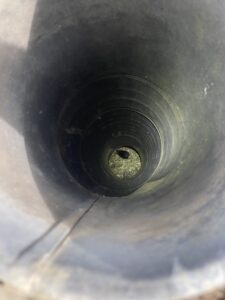
- Open Vents: Bathroom, kitchen, dryer, and attic vents can provide warmth and protection from bad weather. A loose cover, damaged screen, or open edge may allow a bird to enter. The vent can lead to a quiet space inside a wall or ceiling. Nesting material may then reduce airflow or affect how the vent works.
- Rooflines and Eaves: Gaps beneath soffits, fascia, and overhangs create protected spaces along the edge of a building. These areas can shield a nest from rain, wind, and direct sunlight. Activity may remain hidden because the opening sits high above the ground. You might not notice the problem until sounds, waste, or nesting material appear.
- Ledges and Signs: Flat ledges and commercial signs provide raised places where birds can rest. A sheltered surface may also feel protected from people moving below. Repeated use can lead to waste on walls, windows, entrances, and walkways. A regular resting site may later become a nesting area.
- Loading Docks and Covered Entrances: Beams and ceiling corners above loading areas offer shelter from wind and rain. Daily work below does not always prevent birds from settling high above the activity. Nesting material and droppings may fall onto products, equipment, or work areas. A full inspection is needed to find every place being used.
- Parking and Mechanical Areas: Open parking structures contain beams, pipes, corners, and upper levels that provide many places to rest. Rooftop heating and cooling equipment may create similar sheltered areas. Large structures can support activity in several locations at the same time. Addressing only one visible roost may cause the birds to move to another part of the building.
You should not climb onto a roof, reach into a vent, or enter a mechanical area to inspect these spaces. Openings may be high, tight, slippery, or close to electrical equipment. An active nest may also contain eggs or dependent young that cannot be disturbed. Our technicians have the training and equipment needed to inspect the full structure safely.
How Seasonal Activity Can Affect Local Buildings
A few birds resting on a roof for a short time may cause little concern. Problems become more likely when large groups, repeat visitors, or active nests use the same area for longer periods. Waste and nesting material may collect before anyone notices the activity. The effects can spread beyond the original ledge, vent, or roof opening.
- Blocked Vents and Airflow: Twigs, grass, feathers, and other nesting material can fill part of a vent. Reduced airflow may affect a bathroom fan, dryer, kitchen exhaust, or attic system. Material may also sit farther inside the opening than it appears from outside. A professional must check for an active nest before anything is removed.
- Droppings on Building Surfaces: Waste may build up on roofs, ledges, signs, equipment, and walkways. The material can stain surfaces and create slipping concerns near busy entrances. Dry droppings may also release contaminated dust when disturbed. Homeowners, tenants, and workers should never sweep or handle the buildup themselves.
- Damage Around Openings: Repeated nesting activity may affect loose screens, vent covers, soffits, and other weak exterior materials. A small existing gap can become easier to use after regular movement through it. Nesting material may also push against trim or block parts of an opening. The damaged area can then provide access to walls, ceilings, or attic spaces.
- Drainage Problems: Feathers, droppings, and nesting material may collect near gutters, roof drains, and downspouts. Water can back up when these drainage paths become blocked. Standing water may contribute to leaks, stains, or damage to nearby surfaces. Hidden buildup can continue affecting drainage after the main migration period ends.
- Activity Near People: A nest above a doorway, patio, loading dock, or parking entrance places birds close to daily movement. Adults may become defensive when eggs or young are nearby. Waste and nesting material may also fall into areas used by customers, residents, or staff. Noise and repeated flights can make it harder to use the space normally.
The effect can be greater on a large commercial or multi-unit property. Several vents, ledges, signs, and roof areas may be used at the same time. Work completed in only one location may leave the rest of the activity unchanged. A building-wide plan helps address the full pattern instead of treating one visible symptom.
Signs That Activity Has Moved Onto or Into a Building
Birds resting on a roof during migration may leave within a few hours. Repeated evidence around the same opening is more likely to point to roosting or nesting. Some signs can be seen from the ground, while others may be hidden inside walls or vents. You should avoid touching any material or approaching a possible nest.
- Flights to One Opening: You may see birds enter and leave the same vent, soffit gap, or roof opening. Repeated use suggests that the space provides more than a temporary place to rest. Adults may be carrying food or nesting material into the opening. Observe from a safe place on the ground and never block the entrance.
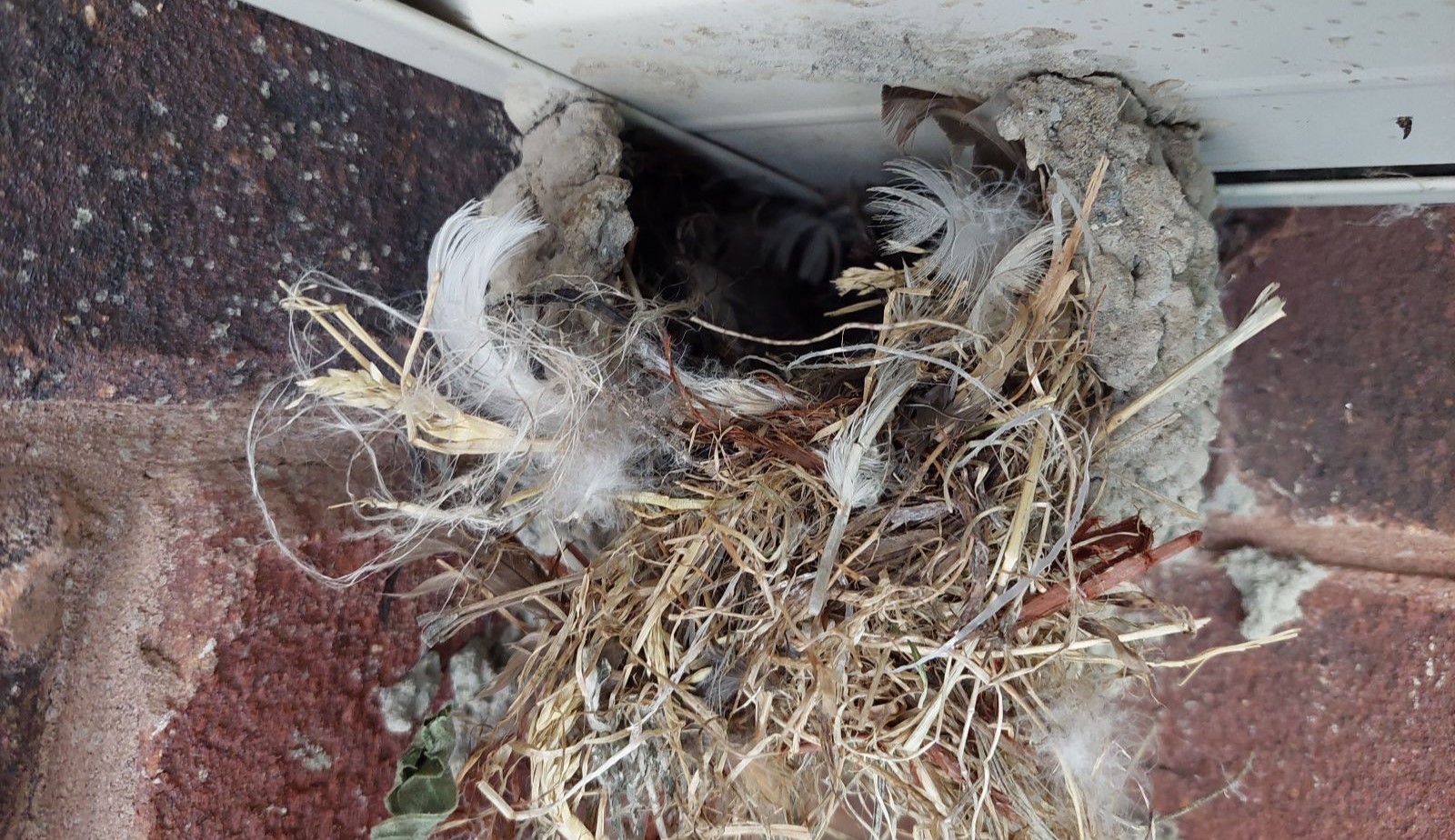
- Visible Nesting Material: Twigs, grass, feathers, or other material may stick out from a vent or eave. What you see outside may be only a small part of a nest extending deeper into the structure. Eggs or young could remain hidden beyond the opening. Never pull the material free or push it back inside.
- Sounds Inside the Structure: Chirping, fluttering, scratching, or movement may come from walls, ceilings, or vents. The sounds may become stronger when adults return to feed their young. Noise can travel through a building, so the nest may not be directly beside the place where you hear it. A professional inspection is needed to locate the source..
- Heavy Dropping Buildup: Concentrated waste beneath one ledge, sign, or roof edge can show repeated use. Dark stains may also appear around an active entry point. The affected area may be larger than it looks from the ground. Professional cleanup may be needed to remove the material without spreading contaminated dust.
- Activity During the Same Season: Some birds return to familiar resting and nesting areas during later migrations. A building that provided shelter before may attract them again the following year. Unchanged vents, ledges, and roof gaps make repeat use more likely. Past activity can therefore help explain a new seasonal pattern.
More than one sign may be present by the time you notice a problem. A nest inside a vent can create chirping, waste, blocked airflow, and repeated flights at the same time. The nest may also contain eggs or dependent young even when the area becomes quiet. Skedaddle can inspect the space and plan the next steps without asking you to disturb the site
Why Commercial Buildings Can Face Larger Problems
Warehouses, plazas, apartment buildings, offices, and industrial sites often have many vents, ledges, signs, and covered areas. Large flat roofs may provide several places to rest. Loading docks and parking structures can also offer shelter from bad weather.
A larger property may develop activity in more than one area. Blocking one empty ledge without checking the rest of the building can move the birds to another suitable feature. Waste and nesting material may then spread across several entrances or work areas.
Commercial properties also need to protect customers, tenants, products, and equipment. A full exterior inspection allows our team to map the activity before recommending prevention. This creates a plan for the whole structure instead of treating one visible spot.
Why Active Nests Must Be Checked Before Exclusion
A nest that looks quiet may still contain eggs or young. Adults often leave to find food and return later. Closing the opening while they are away could trap the young or prevent the parents from returning.
Nest protection depends on the species, nest status, and laws that apply. Many migratory species, their eggs, and active nests receive federal protection under the Migratory Birds Convention Act. Other rules may also apply to species not covered by that law.
You should never remove a nest or seal its entrance without a professional assessment. Skedaddle identifies the activity and determines when humane work can proceed. Prevention begins only after the area can be cleared legally and safely.
Why Migration Season Is Not the Only Time to Watch
Spring and fall often bring the largest waves of movement through Windsor. During these periods, buildings may receive short visits from travelling groups. Some may also find a sheltered opening and stay.
Summer can bring active nesting, eggs, and dependent young. Once a nesting site is in use, removal options may be limited until the young can leave. That makes early professional assessment important.
Winter activity may continue inside protected vents, roof spaces, signs, and commercial structures. A building can provide warmth even after the main migration has passed. Prevention completed at the correct time can protect the site before the next seasonal return.
How Professional Inspection Guides the Right Response
The proper response depends on the location, species, nest status, and building design. Our inspection provides the information needed before removal or prevention begins.
- Exterior Building Review: We examine vents, soffits, rooflines, ledges, signs, loading areas, and drainage features. Our team looks for active openings and nearby weak points. You do not need to climb or approach the nest.
- Activity Assessment: Repeated flights, sounds, waste, and nesting material help show what is happening. The time and season of the activity also provide useful clues. We compare several signs before recommending a plan.
- Nest and Species Check: Different species may have different legal protections and nesting patterns. We determine whether eggs or dependent young are present. This check helps prevent harm and improper exclusion.
- Building-Wide Plan: One building may have several similar vents or ledges. We identify other areas that could be used after removal. This helps stop the activity from shifting a short distance away.
An inspection also shows whether cleanup or repairs are needed. Waste may extend beyond the visible area, while nesting material can sit deep inside a vent. Our team handles these hidden concerns for you.
Bird Removal and Long-Term Prevention with Skedaddle
When birds enter or begin nesting on a building, our professional wildlife team starts with a complete inspection. We examine vents, soffits, rooflines, ledges, signs, loading docks, and nearby interior spaces. Our technicians determine where the activity is happening and whether eggs or young are present. You will not be asked to climb or handle nesting material.
We then create a humane plan that follows the rules for the species and nest. When appropriate, our one-way doors allow wildlife to leave but prevent them from returning. Active nests are handled according to their legal and seasonal needs. Skedaddle does not use live trapping or relocation.
After the space is safely clear, we can remove waste, clean affected areas, and install lasting prevention. Our team may protect vents, close roofline gaps, or add barriers suited to ledges and commercial features. Each solution is designed to preserve needed airflow and drainage. This complete approach helps protect the building before the next seasonal return.
Frequently Asked Questions
When is bird migration season in Windsor?
Spring and fall usually bring the largest seasonal movements through Windsor. The exact timing can change based on species, weather, food, and wind. Activity may rise quickly and then drop again within a short period. Some birds may remain after the main migration ends.
Does seeing birds on a roof mean they are nesting?
No, they may only be resting during a long seasonal trip. A roof provides a high place to pause before continuing. Repeated flights to one gap, visible nesting material, or chirping may suggest a nest. A professional inspection is needed to confirm what is present.
Can birds build nests inside vents?
Yes, open vents can provide warmth, darkness, and protection from weather. Nesting material may sit deep inside the vent instead of near its outer edge. This can reduce airflow and create sounds inside the building. The vent must be checked for eggs or young before removal.
Can an active nest be removed from a building?
Removal depends on the species, nest status, and laws that apply. Many active nests cannot be disturbed while they contain eggs or dependent young. A quiet nest should not be assumed to be empty. Skedaddle can inspect the site and plan work for the correct time.
Should droppings be swept from a ledge?
No, you should not sweep, vacuum, or handle bird droppings. Dry waste can release contaminated dust when disturbed. The affected area may also be larger than it appears from the ground. Our trained professionals can remove the material and clean the surface safely.
Why do birds return to the same building?
A familiar building may have provided safe shelter or a successful nest before. Unchanged vents, ledges, and roof gaps can remain easy to find. Nesting material and waste may also mark the location. Durable prevention can reduce return activity once the site is legally and safely empty.
Prepare Your Building Before the Next Migration
Windsor’s location beside the Detroit River places local buildings near an important migration route. Seasonal movement can increase activity around vents, eaves, rooflines, ledges, signs, loading areas, and parking structures. Most birds pass through, but some may begin roosting or nesting when they find reliable shelter.
You should never disturb a nest, close an active opening, or clean droppings yourself. Eggs or young may remain hidden even when the area seems quiet. Our professional inspection must come before removal, cleanup, or exclusion.
Skedaddle Humane Wildlife Control in Windsor can identify active nests, assess building concerns, complete humane removal at the correct time, and install durable prevention. Our team handles the physical work while accounting for the building and the legal protection of the birds.
Contact us to schedule a professional assessment. You can request an estimate to learn more about bird removal, cleanup, and long-term prevention for your Windsor property.

 Loading...