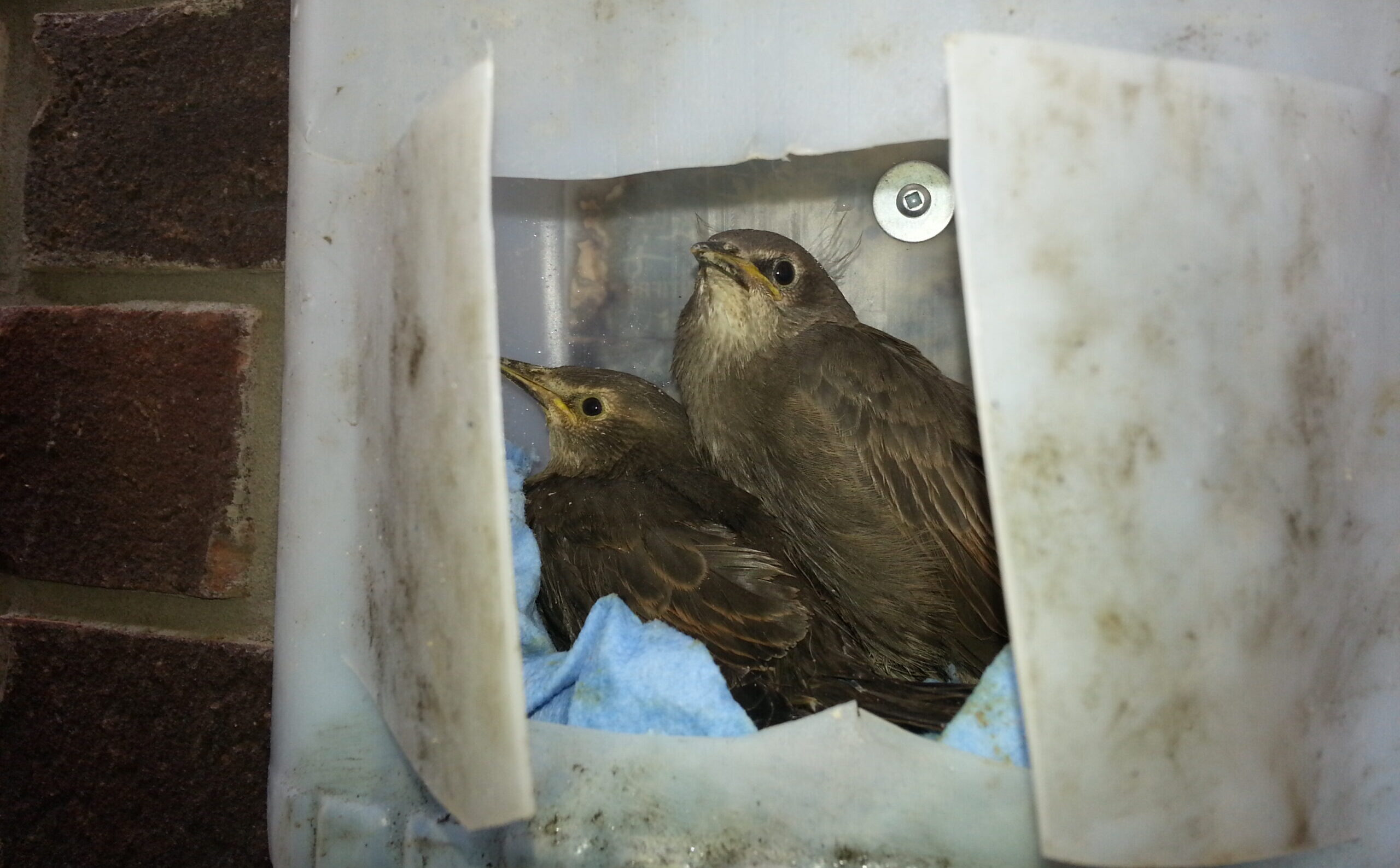
You might wonder when birds move in too close for comfort around your home. During the spring nesting season, birds can become more aggressive as they defend areas they’ve chosen to nest. They might build their nests on or inside parts of your house, including vents, gutters, or even above doorways. Loud chirping, swooping birds, and piles of twigs or droppings near your home are all indicators that birds have claimed your property as their own. These behaviours can be frustrating and may even pose risks to your home’s structure and cleanliness.
It’s important to recognize the signs of birds nesting too close early in the season to manage the situation effectively. Taking swift action can prevent further damage and reduce the stress of having wildlife intrude on your space. At Skedaddle Humane Wildlife Control in Windsor, we specialize in safely and humanely removing wildlife, including birds, from your property.
Our professional team is here to take care of the problem for you so that you don’t have to. This blog will help you identify when birds have moved in too close and explain how our trusted methods can help resolve the issue without causing harm to the animals or your home.
What smell do nesting birds hate?
You might be looking for simple scents to keep birds away from your home. Birds generally hate strong smells like peppermint, citronella, garlic, and cayenne pepper. You will often hear that these strong scents confuse their senses and make areas less appealing for nesting.
You should know, however, that scents alone will not stop a determined bird from building a nest. They are highly motivated to protect their young and will often ignore smells if the nesting spot is warm and safe. You will get much better results by having our professionals secure your home properly. We provide lasting solutions that do not rely on temporary odours to keep animals away.
Direct Aggression and Defense
Birds can display aggressive or defensive behaviours when they feel their territory or their young are threatened. These actions, while instinctive, can sometimes pose risks to both humans and property. Understanding the patterns and triggers of such behaviours is essential in determining the best course of action. Below are some common examples of direct aggression and defensive responses displayed by birds:
- Dive-Bombing: You will likely duck when a bird suddenly swoops right at your head. Certain birds will fly aggressively toward you to scare you away from their eggs. You might even hear a loud swooshing sound as they pass closely by your ears. They use this scary tactic to protect their babies from any perceived threats.
- Persistent Scolding: You can hear a bird scolding you with loud, raspy shrieks. You will notice these sounds are much more intense than their everyday singing. They repeat these sharp calls constantly when you step into their claimed territory. You are hearing their alarm system telling you to back away immediately.
- Acting Injured: You might see a bird dragging its wing on the ground as if it is hurt. They put on this fake injury performance to distract you from their nearby nest. You are supposed to follow the “injured” parent away from the hidden babies. They will miraculously fly away once you are far enough from the nesting area.
High-Traffic Nesting Clues
When birds build their nests in areas with significant human or animal activity, they often develop unique behaviours to protect their young. Recognizing these behaviours can help us coexist more harmoniously with these feathered neighbours. From vocal warnings to elaborate distractions, birds have evolved clever tactics to defend their nests. Here are some common signs to look for in high-traffic nesting areas:
- Repeated Trips to One Spot: You will see birds carrying twigs, dry grass, and mud to the same location. You might notice them flying into a specific vent, soffit, or corner of your roof over and over. They work tirelessly all day to build a sturdy home for their upcoming eggs. You can easily spot this heavy traffic if you watch your roofline for a few minutes.
- Increased Activity Around Homes: You might notice way more birds fluttering around your dryer vents and doorways than usual. They love to use the heat from your home to keep their babies warm during cool spring nights. You will find them squeezing into very tiny gaps that you might not even know exist. They view the structural flaws in your house as the perfect, ready-made shelter.
- Droppings and Debris: You will find fresh piles of bird droppings covering your porches, window ledges, or outdoor light fixtures. You might also see loose twigs and dry grass scattered directly below these messy spots. They push excess nesting material out of the way as they build, which lands right on your property. You are dealing with an active nest located directly above the mess.
- Flushing from Underfoot: You might get startled when a bird suddenly bursts out from a low bush right next to you. They hide deep in the shrubs until you get too close, forcing them to flee in a panic. You will experience this sudden flushing behaviour when you walk near hidden ground or low-branch nests. They wait until the last possible second before flying away to keep the nest location a secret.
Early Warning Signs
When encountering active bird nests, it is important to recognize the subtle signs that indicate you are near one. Birds employ a variety of behaviours to protect their nests and eggs, often blending into their surroundings or using distracting tactics to lead potential threats away. Being aware of these cues not only ensures the safety of the birds but also helps minimize disturbances to their habitat. Below are some key warning signs to watch for when near nesting areas:
- Increased Morning and Dusk Activity: You will hear and see a lot of commotion right at dawn and just as the sun sets. You might hear them scratching or chirping actively near your roofline during these specific times. They use these cooler parts of the day to gather materials and establish their territory. You should take note of where they congregate during these busy hours.
- Testing Locations: You might find just a few small twigs or a bit of mud on a window ledge. You will see these small piles before a complete nest is ever built. They are testing out the spot to see if it provides enough shelter from the wind and rain. You are seeing the very first steps of their spring nesting plan.
- Constant Chattering: You will hear birds communicating loudly with each other from the same spot every day. They chatter back and forth to coordinate their nest-building efforts. You might notice the sounds echoing from inside your walls or vents, making them sound very close. They use these constant vocalizations to claim the space from other animals.
Windsor Area Wildlife Challenges
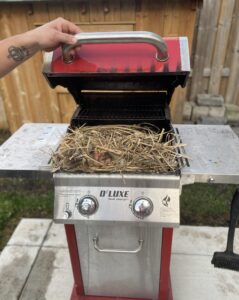 Birds and other wildlife often start searching for safe places to nest as soon as the warmer weather arrives. Your home may seem like the perfect spot for them, especially if it has small openings or older materials that are easy to get into. Spaces like vents, soffits, and even tiny cracks in the foundation can provide just the access they need. Once they find their way in, it can be very difficult to get them out.
These animals are simply looking for a warm and protected place to raise their young, but unfortunately, their presence can lead to damage inside your home. Nests can block vents, chew marks can harm structures, and droppings can create health concerns for your family. Wildlife intrusion isn’t just inconvenient—it can become costly if left unresolved. That’s why it’s important to address these issues early in the season.
We understand the challenges that local homeowners face when it comes to wildlife prevention. Our team has the knowledge and experience to identify potential entry points and secure your house so that animals stay outside where they belong. With the right approach, you can enjoy spring in Windsor without worrying about uninvited guests moving into your home.
Professional Bird Prevention
Keeping birds out of your home starts with a thorough inspection. Our professional wildlife team carefully examines your entire property to find every gap, hole, and weak spot that birds might use to get inside. Common entry points include vents, soffits, and even small cracks around windows or doors. Identifying these areas is the first step to effectively preventing bird problems before they start.
Once we find all the potential entry points, we install durable, chew-proof screens and covers to keep birds and other animals out. These materials are designed to stand up to wear and tear without needing frequent replacements. Our methods focus on long-lasting protection, so you don’t have to worry about birds or other wildlife finding a way into your home again. We ensure that every solution is both strong and effective.
Our team takes care of wildlife humanely and responsibly. During the prevention process, we use specialized one-way doors that allow any birds inside your home to leave safely. Once outside, they won’t be able to get back in. We never use harmful traps or methods that could injure animals. By focusing on humane techniques, we protect both your home and the local wildlife. You can trust our proven methods to seal your home tightly and prevent future wildlife problems.
Frequently Asked Questions
Why do birds swoop at my head?
Birds swoop when they feel their nest is being threatened. You may be walking too close to eggs or newly hatched babies without realizing it. This behaviour is meant to scare you away, not to attack you directly. Keeping your distance and avoiding the area will usually stop the swooping.
Are bird droppings dangerous to my health?
Yes, bird droppings can pose a health risk if they are disturbed. When droppings dry out, they can release dust that may be harmful to breathe in. This dust can carry bacteria, fungi, and parasites that affect your health. It is always safest to have our professionals handle cleanup and sanitation.
Can birds damage my house?
Birds can cause more damage than most people expect. They often build nests in vents, which can block airflow and create fire hazards. Their droppings are acidic and can slowly damage surfaces like wood, metal, and paint. Over time, this can lead to costly repairs if the issue is not addressed.
Will birds return to the same nest next year?
Many birds will return to a place where they successfully nested before. If your home provides a safe and quiet space, they are likely to come back. Even if the exact nest is gone, they may rebuild in the same spot. Proper sealing and prevention are the best ways to stop repeat nesting.
When is the best time to wildlife-proof my home?
The best time to wildlife-proof your home is before nesting season begins in early spring. You can also take action after young birds have left the nest. This timing helps avoid disturbing active nests and keeps everything safe. Our professional inspections ensure your home is protected properly in any season.
Got Bird Nests? Reclaim Your Home This Spring
You do not have to share your living space with noisy, messy wildlife this season. Birds can cause big problems when they make their homes in your vents or rooflines. They bring noise, mess, and even health risks to your family. Knowing the warning signs, like aggressive birds flying too close or piles of sticks and debris near your porch, is the first step to protecting your home.
Skedaddle Humane Wildlife Control in Windsor is here to help. Our experienced team will take care of the problem safely and respectfully, making sure the birds and their nests are removed in a humane way. We take pride in providing a clean and effective solution so you can focus on enjoying your home without worrying about unwanted wildlife.
Don’t wait for the problem to get worse. Contact us today to request an estimate and see how we can protect your home this season. With Skedaddle, you can feel confident that the job will be done right, giving you peace of mind and a safe, quiet home for you and your family.

 Loading...