Lifetime Guarantee
On workmanship and materials.
Skedaddle Colorado North. Thoughtful wildlife care and practical protection for your home.
A flutter in a vent or scratching behind a wall can leave you wondering how much of your home is affected. We provide humane wildlife removal in Evans, identifying the animal and the openings it is using before explaining the solution. Our fall inspections cover occupied building spaces, sheltered outdoor areas and accessible parts of solar-equipped properties. We handle birds, mice, raccoons, bats, rats, squirrels and skunks, bringing removal, exclusion repairs and cleanup together so you can move forward with a clear plan.
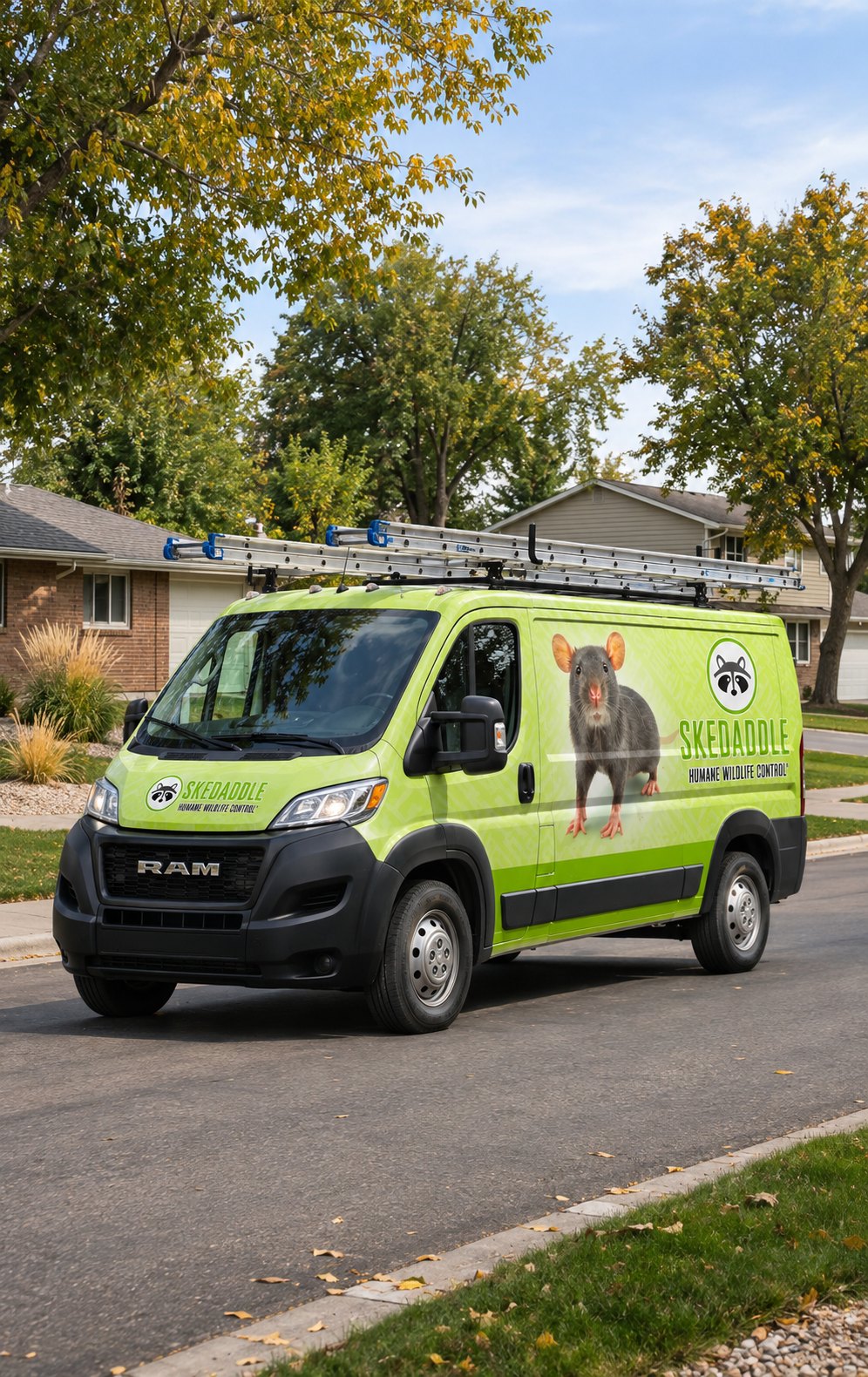
We look at the wildlife and the building together. That helps us explain not just what is making the noise, but how removal, repairs and cleanup can address the problem at your home.
We follow the signs at your Evans property rather than making assumptions from a sound alone. The inspection connects the affected space with accessible entry points, whether the concern begins at a vent, garage edge or attic. We explain what we can confirm, where access is limited and which work the findings support. That gives you a practical basis for the quote, with recommendations tied to the building instead of a generic package selected before the animal is identified.
Our technicians bring training in wildlife biology, home repair, decontamination and restoration to the same assessment. We consider how removal affects the timing of repairs and which materials need attention afterward. At an Evans home with solar panels, we also identify where the plan may need coordination with a qualified solar professional. We explain the proposed work and its sequence so you understand how the services fit together, including any equipment-related work outside the wildlife-removal scope.
Our exclusion work comes with a lifetime guarantee on all workmanship and materials. We explain the applicable terms and identify the repairs included at your Evans property before service begins. Once the work is complete, you have a record of the protected openings and a team to contact if a completed repair needs attention. We also make clear when a different concern elsewhere on the building requires its own assessment, keeping the guarantee connected to the work described in your scope.

Co-Owner and Operator of Skedaddle Northern Colorado and Skedaddle Southern Wyoming
Rowina Aldrich is the Co-Owner and Operator of Skedaddle Humane Wildlife Control in Northern Colorado and Southern Wyoming, where she oversees the day-to-day operations of the business. Originally from South Africa, Rowina worked as a military nurse before spending time living in different parts of the world with her family. In 2021, she and her family moved to Colorado, where they found a community that shares their appreciation for nature and the outdoors. Rowina quickly came to appreciate how strongly her Colorado community supports locally owned and operated businesses, and she wanted to contribute to that community by offering a valuable service of her own. Alongside her longtime friend and fellow Co-Owner, Steve Crossman, she saw an opportunity to bring that same sense of personal service and community connection to their own business. Drawn to Skedaddle's humane approach to wildlife control, Rowina was inspired to provide homeowners with dependable solutions while building a business rooted in the values she admires in her community. Today, she is focused on supporting her team, building lasting relationships with homeowners and providing the quality of service that local families have come to value.

Co-Owner and Operator of Skedaddle Northern Colorado and Skedaddle Southern Wyoming
Steve Crossman is the Co-Owner and Operator of Skedaddle Humane Wildlife Control in Northern Colorado and Southern Wyoming. Born in Minneapolis, Minnesota, and raised in Cedar Falls, Iowa, Steve now calls Colorado home. After studying at the University of Iowa and Chicago-Kent College of Law, Steve built a career spanning over 25 years in sales, marketing and business leadership, serving in executive positions in both large corporations and small businesses. A lifelong outdoor enthusiast, he enjoys camping, fishing, hiking and exploring, sharing his passion for nature and wildlife with his two sons who followed in his footsteps to earn the rank of Eagle Scout. That shared appreciation for the outdoors played an important role in his decision to join Skedaddle, where he saw an opportunity to bring a different approach to wildlife control to his community. While homeowners had options for dealing with unwanted wildlife, Steve recognized the need for services that combined humane removal with the expertise, quality workmanship and long-term solutions needed to prevent animals from returning. He wanted to bring Skedaddle's approach to Colorado, providing homeowners with a higher standard of wildlife control. For Steve, Skedaddle brings together his family's love of wildlife and his years of business experience, giving them the opportunity to work together while making a difference at home. Alongside his longtime friend and fellow Co-Owner, Rowina Aldrich, Steve is proud to bring humane wildlife services to the Colorado community they both call home.
Lead Technician, Skedaddle Northern Colorado and Skedaddle Southern Wyoming
Everett Crossman is the Lead Technician for Skedaddle Humane Wildlife Control, serving Northern and Southern Wyoming. Originally from Chicago, Illinois, Everett and his family have made Loveland, Colorado, their home. His passion for wildlife and the outdoors began at a young age through his involvement in scouting, where he earned the rank of Eagle Scout. This early appreciation for nature led him to study Wildlife Biology and Natural Resources at Colorado State University and pursue professional opportunities working with state parks. Everett brings his knowledge of wildlife and experience working in natural environments to his work at Skedaddle. As Lead Technician, he enjoys sharing his expertise with fellow technicians, helping them develop their skills and providing guidance as they take on new challenges in the field. His passion for wildlife is reflected in his commitment to providing long-term solutions that protect homeowners' properties while respecting every species of wildlife. He takes pride in knowing that his work allows him to support his team's growth while making a positive difference for homeowners and wildlife in the community he calls home.

Wildlife Technician, Skedaddle Northern Colorado and Skedaddle Southern Wyoming
Originally from Fort Scott, Kansas, Albert Bohn brings a background in military service and wildlife conservation to his role as a Wildlife Technician with Skedaddle Humane Wildlife Control in Northern Colorado and Southern Wyoming. Albert spent four years serving in the United States Army as a Medical Laboratory Technician, where he conducted medical research. Following his military service, he pursued his passion for wildlife at Colorado State University, studying Fish, Wildlife, and Conservation Biology. Now calling Fort Collins, Colorado, home, Albert continues his commitment to serving others through his work at Skedaddle, putting his education and experience to use while helping homeowners in his community. His lifelong appreciation for wildlife and belief that animals deserve to be treated with care and respect align closely with Skedaddle's humane approach. For Albert, the most rewarding part of his work is helping homeowners find lasting solutions to wildlife problems while ensuring the animals are treated humanely.
Everett Crossman shows Evans homeowners the hands-on side of humane wildlife control, from sealing openings around the roof to removing affected attic insulation, and how preventative repairs and cleanup help address the problem and protect your home.

Our seven wildlife services address different animals, access routes and occupied spaces. We assess the species and structure before recommending removal, cleanup and exclusion, including accessible areas around solar installations where relevant. Any panel handling, solar electrical repairs or equipment maintenance requires an agreed scope and appropriately qualified specialist coordination; it is not automatically included in wildlife removal.
For pigeons or other birds around an Evans rooftop array, we inspect the accessible shelter beneath the panels and any nearby building openings. Pigeons stay loyal to their nest sites, so a gap under the panels that has been used once is likely to be used again. Their nests can block airflow under the panels and their droppings can harm the glass, so we confirm the species and check for eggs or dependent young before planning the work. If the activity is inside a vent instead, we assess that route and the materials involved. Our recommendation connects removal, nesting-debris cleanup and screening, timed around occupancy and applicable protections.
Mouse activity at your Evans home prompts a closer look at accessible garage seals, utility openings and the affected indoor spaces. We identify the routes involved and explain how removal, cleanup and exclusion repairs work together. With solar equipment, mice may chew wiring insulation and create nests around system components, making accessible cable routes relevant to the assessment. We also evaluate contaminated materials because infected rodent urine, droppings or saliva can present a hantavirus exposure risk, without assuming every infestation carries disease. Our fall service plan addresses the findings rather than sealing openings simply because the weather is turning colder.
Our Evans raccoon inspection establishes where the animal is sheltering and how it reaches that space. We assess accessible chimney, roof or ground-level entrances, check for dependent young and explain the humane removal sequence. Around a solar-equipped roof, raccoons seeking shelter may disturb panels and cause physical damage, so the array can add a coordination requirement to the job. We distinguish the building repairs from any solar equipment needing specialist assessment. Cleanup and attic-restoration recommendations follow the condition of the affected materials, keeping the scope connected to the occupied space and its access.
When bat activity is suspected at an Evans home, we assess the roost and its entrance before recommending exclusion. Solar work matters because installations can block roost access or change conditions beneath roof materials, not because every bat sighting indicates panel or wiring damage. We explain how occupancy, dependent young and weather affect the sequence, including coordination with planned roof work. White-nose syndrome has been confirmed in Colorado bats, but its fungus does not infect people or pets. Our service concerns humane exclusion, building protection and cleanup rather than disease testing or treatment.
We investigate suspected rats at an Evans property by following the evidence between accessible shelter and the building entrance. The assessment may involve a garage, outbuilding, foundation opening or relevant roof route rather than only the place where activity was first noticed. Where solar panels are present, rats can nest beneath arrays and chew wiring, so those accessible spaces can inform the plan too. We explain the removal method, recommended exclusion repairs and cleanup of affected materials. The occupied space is assessed before an entrance is secured, with equipment-related concerns identified separately for a qualified solar professional.
For squirrel activity above an Evans ceiling, we look for the connection between the roof exterior and the occupied space inside. Squirrels can chew wiring beneath solar panels, so an accessible array may need attention alongside the attic entrance. We check for dependent young, assess nesting material and explain how humane removal will be followed by the agreed protection of building openings. If insulation or other materials have been affected, we describe the cleanup or restoration recommended. The plan separates wildlife repairs from solar equipment requiring specialist work, helping coordinate the services without assuming every task belongs in the same scope.
For skunk activity around an Evans deck, shed or garage, we inspect the occupied shelter and the entrance used to reach it. Skunks can den beneath sheds, garages and foundations, so ground-level access guides the assessment. At a solar-equipped property, we consider accessible shelter around a ground-mounted installation where relevant instead of assuming damage to rooftop panels. We check for dependent young and explain humane removal before planning a barrier for the serviced entrance. Any affected materials inform the cleanup recommendation, giving you a plan that connects the den, removal sequence and repairs needed for that part of the property.
We can identify the wildlife and investigate its access during the inspection. Tell us what you have noticed, and our Evans service team will explain the findings and recommended next steps without you having to check a roof or confined space yourself.
We arrange wildlife inspections throughout Evans, a Weld County city directly south of Greeley, including the neighborhoods and subdivisions below. Their names are identified in the city’s parks and neighborhood information; these examples help describe local coverage without limiting service to the listed areas.
We use the inspection to turn the activity you have noticed into a clear scope of work. The visit connects identification, access and affected materials with the recommended services.
The quote explains why each recommended service belongs in the plan. We distinguish targeted cleanup from a larger restoration so you can understand the work without treating every wildlife problem as the same job.
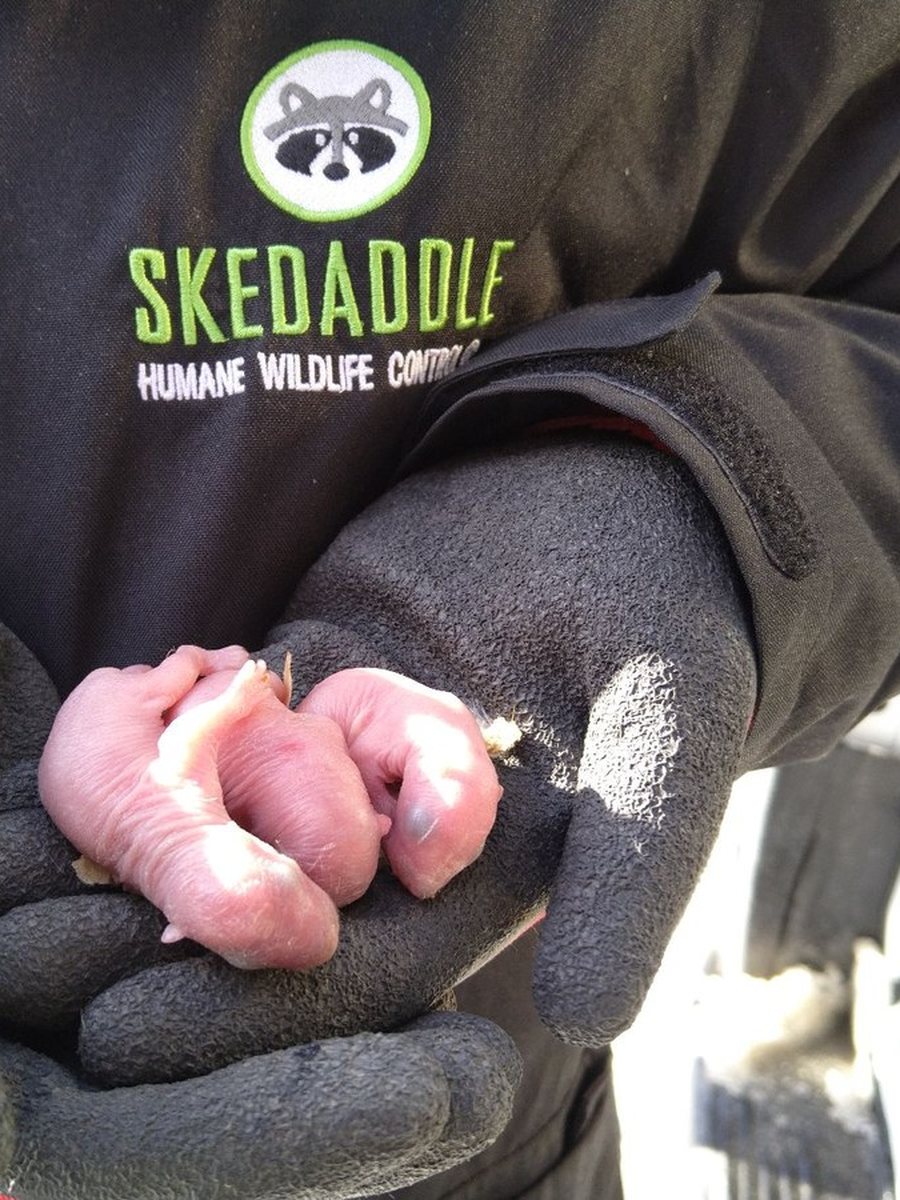

We inspect the accessible areas of your Evans property to identify the animal and understand the occupied space. The assessment establishes its entrance and any conditions that affect removal, including dependent young, active nests or roosts. We explain the humane method suited to the structure and how any work around solar equipment fits into the proposed sequence.
Learn more
We assess the materials and surfaces affected by wildlife before recommending cleanup. The agreed scope may include nesting-debris removal, cleaning and decontamination, or replacement of contaminated attic insulation. We explain whether localized work is appropriate or a larger restoration is warranted, keeping the recommendation tied to what the inspection shows at your Evans home.
Learn more
We complete the specified exclusion repairs once the occupied space is ready to be secured. Durable materials are selected for the structure and opening, with the completed work documented so you know which access points have been protected. We explain the applicable terms of our lifetime guarantee on all workmanship and materials and the follow-up available for those repairs.
Learn moreWe consider the season when planning wildlife work, then check the conditions at the property. Occupancy, dependent young and access determine the appropriate sequence rather than the calendar alone.
| Season | Wildlife focus | Our service focus |
|---|---|---|
| Spring (March–May) |
Occupied dens and nesting spaces | We check for dependent young and active nests before selecting methods and scheduling exclusion repairs. |
| Summer (June–August) |
Roofline roosts, vents and sheltered spaces beneath arrays | We assess species, occupancy and access, accounting for young and conditions at the structure. |
| Fall (September–November) |
Entry routes into garages, walls and attics | We connect removal with appropriate opening repairs and cleanup as the weather turns colder. |
| Winter (December–February) |
Indoor activity and weather-sensitive access | We investigate the occupied areas and explain which parts of the plan can proceed under current conditions. |
Quarterly focus: October–December 2026: For Evans, our focus is on resolving wildlife activity and protecting the identified openings as fall transitions into winter. We assess relevant vents, garage edges, utility gaps and roof entrances, including accessible shelter around solar-equipped properties. We also explain cleanup and attic-restoration needs where materials have been affected. The work is sequenced around occupancy and weather rather than a fixed deadline for sealing every opening.
We connect humane removal with the care of affected spaces and the repairs that protect them afterward. Your Evans service plan explains those parts together, so you understand more than how the immediate noise will be addressed.
We select the method after identifying the animal and assessing the structure. A bird occupying a vent at an Ashcroft Heights home and a skunk beneath a shed call for different equipment and access plans. Hands-on methods, specialized equipment and one-way devices can each have a role where appropriate. We explain the recommendation and the conditions that affect timing, keeping the method tied to the animal rather than treating one device as the answer to every call.
We assess dependent young as part of understanding an occupied space, even when only an adult has been seen. Where appropriate, our family-reunification approach includes careful retrieval and a heated reunion box so the mother can recover her young. At an Evans attic or sheltered den site, those findings guide the sequence of removal and repairs. We account for the family before deciding the entrance is ready to close.
We examine affected materials before recommending how much cleanup is needed. Nesting debris, localized contamination and damaged insulation can require different responses, from targeted treatment to more extensive attic restoration. We identify the spaces involved and describe the agreed work in your quote. An issue at a vent or beneath a deck does not automatically mean the entire attic needs restoration; the recommendation follows the condition of the property.
We provide a lifetime guarantee on all workmanship and materials and explain the applicable terms before completing the agreed exclusion work. Your service record identifies the repairs made at the Evans property, giving you a clear reference for the protected openings. If a completed exclusion point needs attention, our team explains the follow-up process. A separate wildlife concern elsewhere on the building may need its own assessment rather than being treated as part of the original repair.
We inspect the property and prepare a quote based on the animal, access conditions and work recommended. Removal, exclusion repairs and any cleanup or attic restoration are explained as parts of that scope. The work at an occupied vent can differ from an affected attic or a den beneath a structure, so we establish the findings before setting out the proposed services and costs.
We schedule appointments according to availability and do not guarantee same-day completion. The inspection determines the species, occupied space and appropriate sequence, including any timing affected by dependent young, active nests or weather. We explain what can proceed and whether another visit is needed. An inspection appointment starts the assessment; it does not establish that every part of the work can be completed immediately.
We assess the roost, dependent young and weather before recommending a time for bat exclusion at your Evans home. The Colorado Bat Working Group recommends considering autumn work after maternity colonies disperse, but a fall date alone does not establish that sealing can proceed. We explain the appropriate sequence and any coordination needed with planned roof or solar work.
Yes. We serve Evans beyond the listed examples, which include Ashcroft Heights, Tuscany, Grapevine Hollow, Hunter’s Reserve, Ridge at the Prairie View and Sundown. We confirm the address and appointment availability when scheduling. The inspection then establishes the animal and services needed at your property. The neighborhood list helps describe coverage but does not limit our service to those names.
We check the animal and occupied space before deciding on the removal method or sealing an opening. Dependent young, eggs and roost occupancy can affect the appropriate sequence and timing. We explain those findings and account for the applicable protections in the plan. The same assessment principle applies to vents and solar-equipped roofs as to attics and sheltered spaces beneath structures.
We identify the wildlife, including pigeons that nest in the gap under the panels, and inspect accessible areas around the installation before recommending removal, cleanup and access protection. Occupancy, the layout and any dependent young inform the approach. We explain the proposed scope and confirm any specialist coordination required. Solar electrical repairs, panel handling and equipment maintenance are not automatically included in wildlife service; those needs are assessed separately with an appropriately qualified professional.
We provide a lifetime guarantee on all workmanship and materials. Your written scope identifies the exclusion repairs included at the Evans property, and we explain the applicable terms before beginning. If a completed exclusion point needs attention, our team explains the next steps. A separate opening or new concern elsewhere on the property may need its own inspection and recommendation.
We assess the affected materials and recommend cleanup based on their condition. The agreed work may include nesting-debris removal, cleaning, decontamination or replacement of contaminated attic insulation. We explain when targeted work is appropriate and when a larger restoration is warranted. Wildlife activity in one part of the property does not automatically mean the attic needs to be restored.
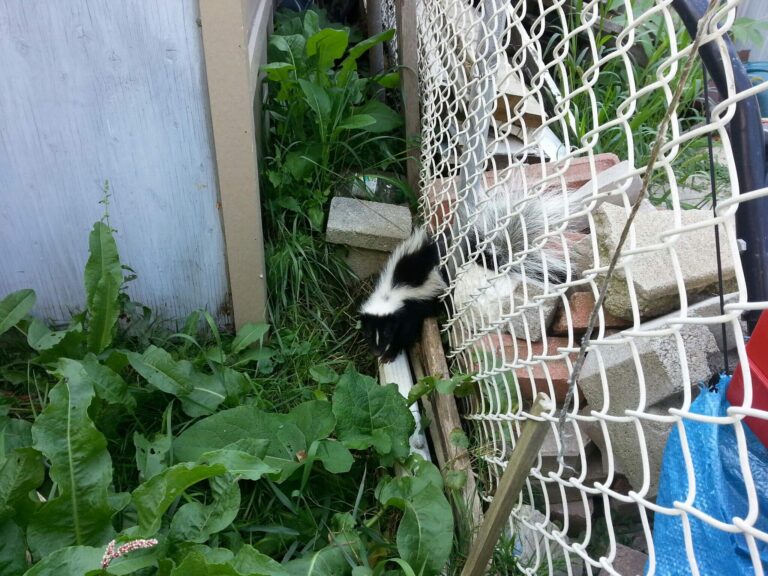
Skunks are generally non-aggressive animals that prefer to be left alone. Unfortunately, if a skunk takes up residence on your property, it increases the…
Read article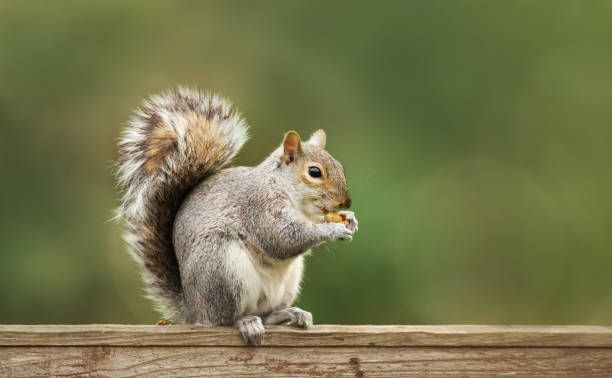
Squirrels are cute, playful creatures that are frequently seen in our neighborhoods throughout the summer months. You probably enjoy seeing the animals frolic in…
Read article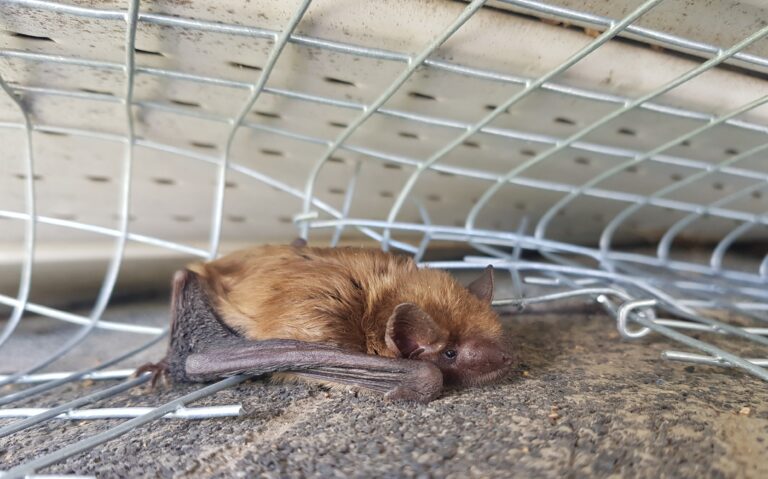
Having bats in your home can be a disconcerting experience. Roosting animals are often loud and destructive. They also expose you and your family…
Read article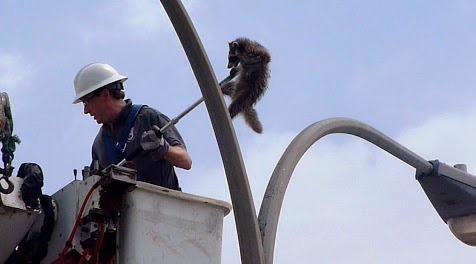
If you hear a scampering, scraping sound in your attic, basement or even in your living area, you may have a wild visitor in…
Read articleWhether you hear activity at a Tuscany vent, notice pigeons around a rooftop array or find signs of wildlife near the garage, we can investigate and explain the next steps. Our Evans service brings humane removal together with exclusion repairs, cleanup and attic restoration where needed. Call our Colorado North team to arrange an inspection and get a plan that helps you feel more comfortable at home this fall.
 menu