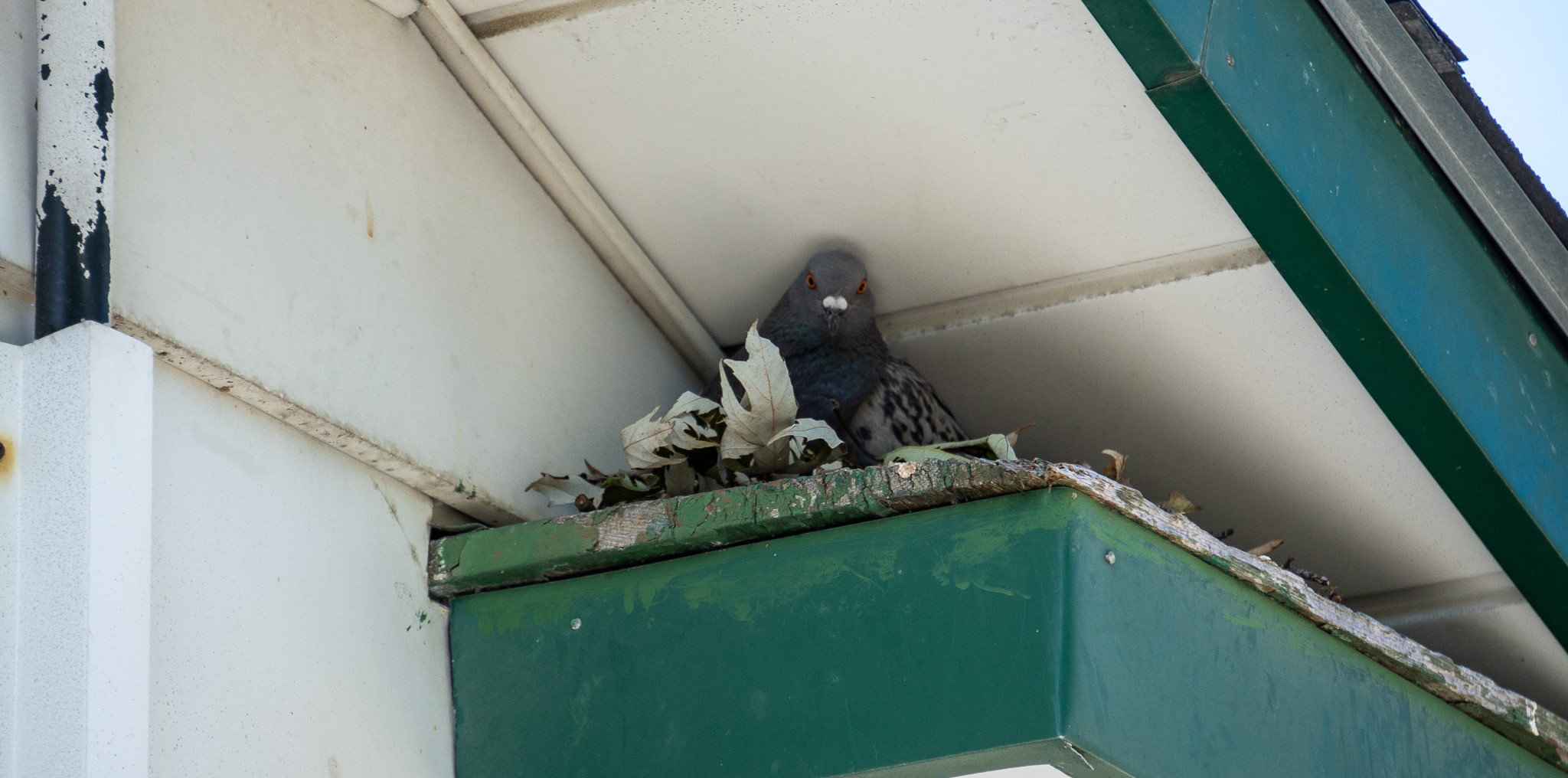
You may expect bird activity around your home to end once fall migration begins. However, some birds remain in Baltimore through the colder months, while others stop in the area during their journey. Open vents and chimneys can provide warmth, shelter, and protection from bad weather.
Bathroom vents, dryer vents, kitchen exhausts, attic vents, and chimney flues may all attract attention. Nesting material inside these openings can block airflow, trap moisture, and prevent smoke or warm air from leaving. Waste and debris may also affect the duct, chimney, and nearby building materials.
At Skedaddle Humane Wildlife Control in Baltimore, we inspect these openings before adding any form of protection. You should never reach into a vent, remove nesting material, climb onto the roof, or cover an active opening yourself. In this blog, we explain why vents and chimneys still need protection during fall migration and how professional service protects your home.
How Can Birds Be Kept Out of Exhaust Vents?
The safest way to keep birds out of exhaust vents is to have professionals install durable protection made for the opening. The vent cover must allow air to leave while preventing access from outside. A damaged or poorly fitted cover may not provide lasting protection.
The vent must be inspected before a cover or screen is installed. An active nest, adult, eggs, or dependent young may remain deep inside the duct. Covering the opening too soon could trap them or prevent an adult from returning to the nest.
You should not reach into the duct or pull nesting material through the exterior opening. Our technicians first determine whether the vent is occupied and whether removal can happen safely. Protection is added only after the full system has been cleared.
Fall Activity Does Not End When Migration Begins
Fall migration does not mean every bird leaves Baltimore at the same time. Some species pass through the area, while others remain active throughout the colder months. Those staying behind may search for warm and protected places as outdoor temperatures fall.
Vents, chimneys, roof edges, soffits, and sheltered ledges can provide temporary resting areas. An open vent may also lead into a warm duct, wall, or attic. A chimney can look like a protected hollow when viewed from above.
A location that worked in an earlier season may attract repeat activity. Old nesting material, waste, and familiar shelter can make the same opening useful again. Baltimore homeowners may therefore notice activity during fall even when many groups are moving south. Skedaddle notes that not all birds leave Baltimore during fall and that those remaining begin looking for shelter.
Exhaust Vents Can Become Blocked From Inside
An exhaust vent must move warm, damp, or stale air out of your home. Nesting material can reduce that airflow even when the outside cover still looks open. The blockage may sit deep inside the duct and remain hidden from the ground.
- Bathroom Exhaust Vents: Grass, twigs, feathers, and other material can stop damp bathroom air from leaving. Moisture may then remain in the duct or collect around the surrounding ceiling. The fan may sound different or move less air than usual. You should not pull visible material from the opening because an active nest may extend farther inside.
- Dryer Vents: A dryer vent carries warm air and lint out of the home. Nesting material can limit that flow and allow heat to build inside the system. The dryer may take longer to complete a cycle or feel hotter than expected. It should remain off until a professional checks the duct and confirms that it is clear.
- Kitchen Exhaust Vents: Warm air and food smells can draw attention to a kitchen exhaust opening. A nest inside the duct may interfere with the system’s ability to remove heat, steam, and odors. Material can be packed deeper than the section visible from outside. Our technicians inspect the complete route before removing anything.
- Attic and Roof Vents: Damaged covers or loose screens may provide access to a larger attic or roof space. Activity may begin at the vent before spreading to insulation, rafters, or nearby wall cavities. You might hear scratching or movement above the ceiling. A professional must determine whether the vent is only an entrance or contains the nest itself.
- Damaged Vent Covers: Plastic covers can crack, warp, or pull away from the wall after years of weather exposure. A cover may look secure from below while a gap remains along its top or side. Birds can use these weak edges to enter the duct. Replacing the visible cover without checking the inside could trap occupants.
A blocked vent must be examined as a complete system. Clearing only the material near the opening may leave part of the nest, waste, or dependent young deeper inside. The correct protective cover can be chosen after airflow is restored.
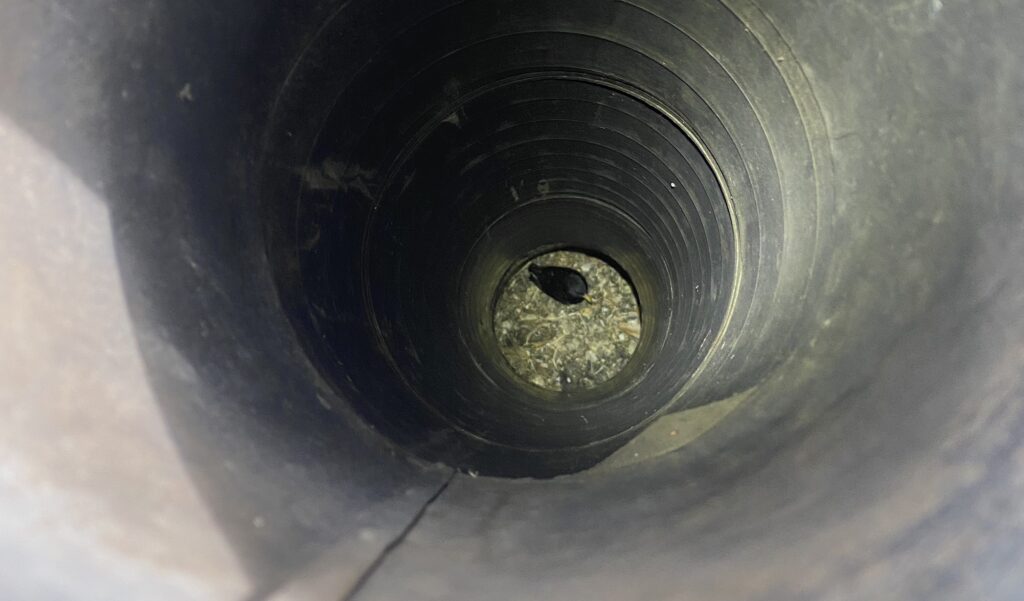
Chimney Nests Can Create Serious Safety Concerns
An open chimney may look like a dark, protected hollow from above. A nest can form near the top, deeper in the flue, or close to the damper. Its exact location must be confirmed before the chimney is used or capped.
- Blocked Smoke Flow: Twigs, grass, feathers, and other debris can reduce the space available for smoke to leave. A partial blockage may still allow some movement, which can make the problem hard to notice. Smoke may then move slowly or enter the living space. The fireplace should remain unused until the full flue has been checked.
- Trapped Combustion Gases: A blocked flue may interfere with the safe release of gases created by a fireplace or connected heating system. You may not be able to see the blockage from below. Removing material near the damper does not prove that the upper flue is clear. A professional must inspect the complete chimney.
- Dry Nesting Material: Dry grass, twigs, and feathers can create a fire concern when placed near heat or sparks. Starting a fire will not safely force occupants to leave. It may instead ignite the material or send smoke back into the home. The nest must be assessed and removed through a safe process.
- Moisture Inside the Flue: A nest may collect rain and hold damp material against masonry. That moisture can lead to odors, stains, or damage within the chimney. Debris may also remain wet long after the outside surface has dried. Professional cleaning can address material that cannot be reached from the fireplace.
- Activity Near the Damper: Chirping, scratching, or fluttering near the fireplace may come from the damper or from higher inside the flue. Sound can travel through the chimney and make the nest seem closer than it is. You should never look up the flue or reach past the damper. Our technicians can locate the occupied area without forcing a close encounter.
A chimney cap should only be installed after the flue is confirmed empty. Closing an occupied chimney may trap adults or dependent young. The new protection must also allow smoke and gases to leave normally.
Waste and Nesting Material Can Affect the Building
The concern does not always end when the occupants leave. Droppings, feathers, food remains, and nesting material may remain inside the vent or chimney. These materials can affect airflow and damage nearby surfaces over time.
- Dropping Buildup: Waste may collect inside ducts, around exterior openings, on roofs, or near chimney ledges. The buildup can spread onto insulation and other hidden surfaces. Dry material may release particles when disturbed. You should never touch, sweep, or vacuum it.
- Odors Entering the Home: Damp nesting material and waste may create strong smells inside a duct or flue. These odors can travel through vents, fireplaces, walls, and ceilings. The smell may continue after the opening becomes quiet. Professional cleaning may be needed to remove the source rather than cover the odor.
- Moisture Damage: A nest can hold rain and humidity against wood, metal, masonry, or insulation. Damp areas may develop stains or begin to break down. Moisture trapped inside a vent can also move toward the interior ceiling or wall. Removing the nest allows the surrounding system to be checked for damage.
- Damaged Exterior Materials: Repeated entry may affect screens, vent covers, flashing, mortar, or loose roof materials. An existing weak point can become easier to use over time. The damage may remain hidden behind the cover or roof edge. Our team checks the opening and the materials around it before installing protection.
Our professional cleanup may still be needed after the activity stops. The system must also be checked for airflow, moisture, and structural damage. Prevention works best when the old nest and the reason for entry are both addressed.
Signs a Vent or Chimney May Be Occupied
Activity may remain hidden until several signs appear around the same opening. One clue can have another cause, but a repeated pattern deserves attention. You can observe these signs from a safe place without climbing or opening the system.
- Repeated Flights to One Opening: Birds may enter and leave the same exhaust vent, roof vent, or chimney several times a day. Regular movement suggests that the opening provides shelter rather than a brief resting place. The activity may become easier to see when an adult is bringing food to dependent young. Do not stand directly beside the entrance.
- Visible Nesting Material: Twigs, grass, feathers, or other material may stick out from a vent cover or chimney top. What you see may be only a small part of a nest that reaches deeper inside. Pulling on one piece can disturb the full structure. It may also separate an adult from eggs or young.
- Chirping or Fluttering Sounds: Sounds may travel through a duct, wall, ceiling, or fireplace. Chirping can become stronger when young are present and waiting to be fed. Fluttering may occur when an adult enters or leaves a tight opening. Noise alone cannot show how deep the occupied area extends.
- Reduced Airflow: A bathroom, dryer, or kitchen vent may stop moving air as well as it did before. The fan may sound strained, or damp air may remain in the room. A nest does not need to block the entire duct to affect performance. You should not pull material from the system to test the airflow.
- Droppings and Stains: Waste may appear on siding, roof surfaces, windowsills, or the ground beneath an opening. Dark marks may also form around a vent that receives repeated use. These signs can help our technicians identify the active route. Homeowners should not touch or clean the material.
A quiet period does not prove that the space is empty. Adults may leave to feed while eggs or dependent young remain inside. Our professional inspection is needed before the opening is cleared or covered.
Active Nests Require Careful Timing
An active nest cannot simply be pulled out or covered. Eggs or dependent young may be hidden farther inside the vent or chimney than the visible material suggests. Removing only the outer section could leave them trapped.
The species must also be identified before work begins. Federal law protects many native migratory species, and the U.S. Fish and Wildlife Service states that permits generally are not issued for active nest removal unless the work is necessary to address human health or safety. Timing and removal methods must therefore be chosen carefully. U.S. Fish and Wildlife Service guidance supports waiting until protected active nests are no longer in use when no urgent safety issue exists.
Our team plans the work around the species, season, nest location, and building system. Prevention can begin once the occupants have safely left and the opening has been cleared. This protects the birds while allowing the vent or chimney to work properly again.
Baltimore Buildings Offer Many Sheltered Openings
Baltimore’s fall weather, migration routes, mature neighborhoods, and closely spaced buildings support seasonal bird activity. Rowhouses and older properties may contain masonry chimneys, roof vents, exterior exhausts, ledges, and shared rooflines. Each feature can provide shelter as temperatures fall.
Older vent covers and chimney caps may become loose or damaged after years of sun, wind, and rain. Newer homes may also contain gaps around ducts, flashing, and roof joints. A small exterior opening can lead to a larger protected space.
A full roofline assessment is important because the opening where activity appears may connect with another part of the building. The nest may sit inside a duct, chimney, soffit, or wall space. Our technicians trace the full route before creating a removal and prevention plan.
How Skedaddle Clears Openings and Restores Safe Airflow
A blocked vent or chimney requires more than pulling out the material you can see. Our professional wildlife team inspects the exterior opening, connected duct or flue, roofline, and nearby interior areas. We determine whether the space contains an active nest, dependent young, or old debris. This helps us choose the right timing and removal process.
Our plan depends on the species, season, and type of opening involved. When appropriate, one-way doors allow birds to leave while preventing them from getting back inside. We do not use live trapping or relocation. Active nests are handled with care so adults and dependent young are not separated or trapped.
After the space is empty, our technicians remove affected material and check that normal airflow has returned. We then install durable protection suited to the vent or chimney without blocking its proper function. You do not need to climb, handle droppings, or reach inside a duct or flue.
Frequently Asked Questions
Can birds build nests inside dryer vents?
Yes, a dryer vent can provide warmth and protection from bad weather. Nesting material may block airflow and combine with lint and heat inside the duct. The dryer may become hot or take longer to dry clothing. It should remain off until a professional confirms that the vent is clear.
Why are birds still near vents during fall?
Some birds remain in Baltimore through the colder months, while others stop during migration. Warm air, height, and protection from rain can make vents useful places to rest. Old nesting material may also draw activity back to a familiar opening. Repeated entry suggests more than a brief visit.
Can a chimney be used if chirping is heard inside?
No, the chimney should not be used while chirping or movement is heard. The sound may come from an active nest with eggs or dependent young. Starting a fire could expose the occupants and your home to smoke or heat. Our team inspects the flue before the fireplace is used.
Can an old nest be left inside a vent?
An old nest may continue to block airflow, trap moisture, and create odors. It can also make the opening attractive during a later season. A professional must confirm that the nest is inactive before removing it. The duct and cover should then be checked for damage.
Should homeowners clean droppings near a vent or chimney?
No, homeowners should not touch, sweep, or vacuum droppings. Dry waste may release harmful particles when disturbed. Material may also extend inside the duct, chimney, or insulation. Our trained technicians can remove it and clean the affected area safely.
Protect Every Opening Before Cold Weather Arrives
Vents and chimneys remain useful to birds during fall because they provide warmth, height, and shelter from bad weather. Nesting material can block airflow, hold moisture, trap smoke or heat, and leave waste inside the structure. An opening may also attract repeat activity when old debris remains behind.
You should never remove a nest, reach into a vent, look inside a chimney, or clean droppings yourself. Do not use an affected appliance or light a fireplace while activity is suspected. An adult, eggs, or dependent young may remain inside even when the opening seems quiet.
At Skedaddle Humane Wildlife Control in Baltimore, we inspect the full system before beginning removal or prevention. Our professional team can clear affected areas, clean contaminated material, restore airflow, and install durable protection. You do not need to complete dangerous roof or chimney work. Contact us to schedule a professional assessment or request an estimate to learn more about protecting your home.

 Loading...








