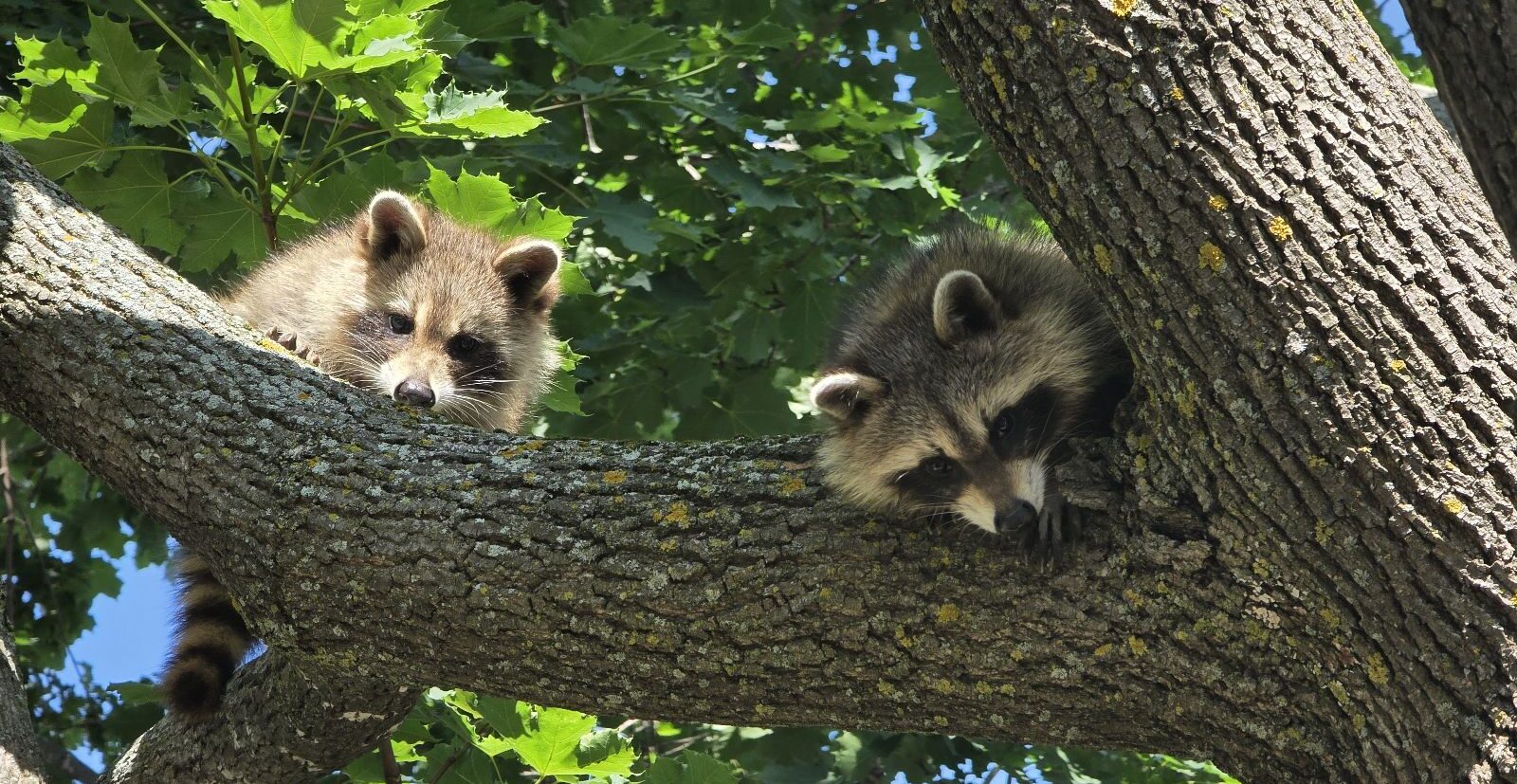
You may see a raccoon cross your backyard once and never see it again. When one returns night after night, however, your property is likely providing reliable food, water, shelter, or a safe travel route. One successful visit can teach it that your yard is worth checking again. Over time, your property may become a regular stop during its nightly search.
Garbage, compost, outdoor food, fallen fruit, standing water, and lawn grubs can all support repeat visits. A deck, shed, chimney, or attic may also provide shelter close to these resources. The visitor could live on your property, but it may also travel from a den several yards away. Watching where it enters and leaves from inside your home may help reveal whether it is passing through or staying nearby.
At Skedaddle Humane Wildlife Control in Okanagan, we inspect the entire property to find out what is supporting the activity. Our team looks at food sources, water, travel routes, possible den sites, damage, and signs that dependent young may be present. You should not feed, follow, approach, corner, or attempt to remove these animals. In this blog, we explain why raccoons keep visiting the same backyard and when the pattern may point to a larger problem.
Is It Normal to See a Raccoon in My Yard at Night?
Yes, it can be normal to see a raccoon in your yard at night. They are usually active after dark and may cross several properties while searching for food, water, or shelter. One brief visit does not always mean there is a den nearby.
Repeated activity deserves more attention. If the visitor follows the same route or stops at the same part of your yard each night, it has likely found something useful. Digging, waste, damage, or movement toward one opening can provide more clues.
You should watch from inside rather than following it through the yard. Do not search beneath a structure or try to find the den yourself. A professional inspection can determine whether the visitor is only passing through or living on the property.
1. Unsecured Garbage and Compost Provide Regular Meals
A dependable food source is one of the strongest reasons for repeat visits. Raccoons can remember places where they found an easy meal. If food remains available, the same yard may become part of a regular nighttime route.
- Loose Garbage Bin Lids: A lid that is open, damaged, or easy to move can provide access to several food smells. One successful visit may lead to another attempt the following night. Scratches, tipped bins, and scattered waste can show that the area is being checked regularly.
- Overflowing Waste: An overfilled bin may not close all the way. Bags left beside it can also place food within easy reach. Strong odours may carry beyond the property and guide a visitor toward the storage area.
- Accessible Compost: Fruit, vegetables, and other food waste can create a steady supply. The pile may remain attractive even when you cannot see fresh food from above. Tracks or digging around the container can point to repeated activity.
- Spills Around Collection Areas: Small scraps can remain after bins are emptied or moved. These leftovers may keep the area useful even when the container itself is closed. A nightly visitor may continue checking the spot because food was available there before.
A raccoon may visit the garbage area without living in your yard. However, a den beneath a nearby deck or shed would make each trip shorter. Our technicians assess both the food source and the possible shelter around it.
2. Outdoor Food Bowls Can Create a Familiar Stop
Food and water placed outdoors can become part of a regular route. A bowl does not need to be full when the visitor arrives. Small scraps and lingering smells may still make the location worth checking.
Repeated access can create a predictable schedule. If food is placed outside around the same time each day, a raccoon may learn when to return. It may visit quickly, eat what is available, and then leave the property.
The direction it travels after feeding may provide useful information during an inspection. Movement toward a deck, shed, chimney, or roof opening may suggest shelter close to the home. Our team looks at the full pattern rather than focusing only on the bowl.
3. Feeders and Fallen Fruit Create Easy Feeding Areas
Food does not need to be placed out for raccoons to attract them. Seed, fruit, and garden produce can fall to the ground without being noticed. These easy meals may keep a visitor returning to the same part of the yard.
- Spilled Seed: Seed can collect on the ground beneath a feeder. It may remain available after dark, when the yard is quiet. A steady supply can encourage the same visitor to search the area night after night.
- Fruit Beneath Trees: Fallen or overripe fruit can produce a strong smell. Okanagan yards with mature fruit trees may provide food over a long period. A productive tree can become one stop along a larger nighttime route.
- Garden Produce: Ripe or damaged produce may be easy to reach at ground level. Plants can be pushed aside or damaged during a feeding visit. Tracks and repeated disturbance may appear around the same garden bed.
- Food Hidden By Landscaping: Fruit and seed may collect beneath shrubs, decks, or thick plants. These covered areas can feel safer than open parts of the yard. A visitor may spend more time feeding when nearby landscaping provides cover.
Food may be carried away instead of eaten where it was found. This can make it difficult to connect the feeding area with a nearby den. Our professional assessment considers where the food begins and where the visitor goes next.
4. Water Sources Give Them Another Reason to Return
A dependable source of water can be as useful as food. Ponds, outdoor dishes, birdbaths, irrigation, and low spots that collect rain may all provide a place to drink. This can attract repeat visits even when no obvious food is present.
Water near shrubs, fences, or another covered route may feel safer to approach. You may notice tracks in damp soil or wet prints leading away from the area. The same path may be used each time the visitor enters and leaves.
Dry Okanagan weather can make a regular water source more important during warmer periods. In fall, irrigation and standing water may continue to support visits before freezing weather begins. Our technicians include water sources when assessing why a yard remains attractive.
5. Decks, Sheds, Chimneys, and Roof Spaces May Provide Shelter
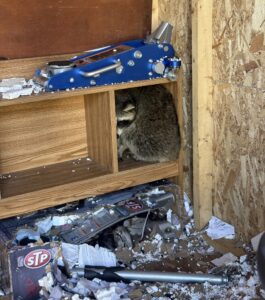 Some raccoons visit only to feed, while others may be living on the property. A protected den makes it easy to return to the same yard each night. Activity around one opening can help separate simple travel from possible occupation.
- Spaces Beneath Decks: Low decks provide darkness and shelter from wind and rain. An opening along the edge may lead to a much larger cavity beneath the boards. Fresh soil, tracks, odours, or sounds can suggest that the space is active.
- Areas Under Sheds: Raised floors and loose skirting may provide access to a quiet den. Soft soil can also make it easier to dig beneath the structure. You should never reach underneath or block a suspected entrance.
- Open Chimneys: An uncapped chimney can provide a sheltered space above the home. Sounds, odours, or debris near the fireplace may point to activity inside. A chimney cap should not be installed until a professional confirms that the shaft is empty.
- Attics and Roof Openings: Damaged soffits, fascia, vents, and roof intersections can provide access to an attic. Repeated climbing or movement toward one roof area may mean the visitor is entering the home. Our technicians inspect the full roofline to locate active and potential openings.
A quiet entrance does not prove that the den is empty. An adult may rest during the day or leave after dark to find food. Dependent young may remain hidden while their mother travels through the neighbourhood.
6. Lawn Grubs and Insects Reward Nighttime Digging
A lawn can provide food beneath the surface. Raccoons may return when digging in one area produces an easy meal. The damage can become more noticeable after several nights of activity.
- Small Holes in the Lawn: Shallow holes may appear as they search below the surface. The openings can be spread across one section of grass or concentrated near an edge. Fresh damage after a quiet night may suggest a repeat visit.
- Rolled or Lifted Sod: Loose turf may be pulled back to reach food below it. Larger sections can become damaged when the same area is searched more than once. The lawn may look undisturbed one evening and torn up the next morning.
- Soft or Wet Ground: Damp soil may make digging easier. Irrigated areas can remain soft during dry periods in the Okanagan. A visitor that finds food there may return while the ground remains easy to search.
- Repeated Visits to One Patch: One part of the lawn may provide more food than another. The raccoon can remember that successful location and check it again. Continued digging may mean the yard has become a regular feeding stop.
Lawn damage does not show where the visitor lives. It may leave after feeding and travel to another property. Our inspection looks for paths that connect the damaged area with possible shelter.
7. Familiar Routes Keep the Yard on Their Map
Raccoons remember locations where they have found food, water, or shelter. One useful visit can place your property on a route that passes through several neighbourhood yards. The path may remain active as long as it continues to provide a reward.
Fences, trees, drainage areas, rooftops, and protected edges can guide movement. A visitor may enter through the same corner and leave along the same fence each night. Familiar smells around feeding or denning areas may also help it recognize the location.
Removing one visible attraction may not reveal every reason for the visits. The yard could still provide water, shelter, or a safe path to another property. Our technicians examine the whole route instead of stopping where the raccoon was first seen.
Why Okanagan Backyards Support Repeat Activity
The Okanagan includes lakes, vineyards, orchards, parks, wooded areas, and growing residential neighbourhoods. These connected spaces allow raccoons to move between natural cover and backyards. A home can receive regular visits even when it is located in a busy community.
Fruit trees, gardens, irrigation, decks, sheds, and rooflines may place several useful resources close together. Dry summers can make water sources valuable, while cooler fall nights increase the need for protected shelter. Properties near open space may also sit along established travel routes.
Our Skedaddle Humane Wildlife Control team in Okanagan serves Kelowna, West Kelowna, Vernon, Penticton, Summerland, and nearby communities. We understand how local landscapes and seasonal changes affect backyard activity. That knowledge helps us identify why the visits continue.
Raccoon Removal and Prevention with Skedaddle
Our professional wildlife team inspects the yard, roofline, attic, chimney, deck, shed, garbage area, and possible travel routes. We locate active entrances and determine whether the visitor is feeding, passing through, or living on the property. We also check for dependent young before choosing a removal plan.
Our humane process is based on the structure, season, and family situation. When appropriate, our one-way doors allow raccoons to leave but prevent them from returning through the same opening. We do not use live trapping and relocation.
Once the occupied space is empty, our team cleans affected areas and secures vulnerable openings with durable materials. We address the active problem, contamination, damage, and structural weakness that allowed entry. You do not need to approach the den or complete any of this work yourself.
Frequently Asked Questions
Does seeing one raccoon mean there is a den nearby?
No, one nighttime sighting may only mean a raccoon is passing through. It could be travelling between food, water, and shelter located across several properties. Repeated movement toward the same deck, shed, chimney, or roof opening makes a nearby den more likely.
Why does it follow the same route every night?
Raccoons can remember places where they previously found useful resources. Fences, trees, roof edges, and covered paths may create a safe route through the area. They may continue following that path as long as it leads to food, water, or shelter.
What signs suggest it is living on the property?
Fresh digging, tracks, waste, odours, sounds, and repeated movement toward one opening may point to a den. Several signs around the same structure provide stronger evidence than one brief sighting. You should not approach, enter, or block the suspected shelter.
Should droppings be cleaned from the yard or attic?
Raccoon waste should be handled by our trained professionals. Homeowners should not touch, sweep, or vacuum contaminated material because disturbing it can create health concerns. Our technicians have the equipment and methods needed to remove waste and sanitize affected areas.
Can a den opening be closed right away?
No opening should be closed until a professional confirms that the space is empty. An adult or dependent young may remain inside even when the entrance appears quiet. Humane removal must take place before permanent exclusion work begins.
Stop a Nightly Visit From Becoming a Denning Problem
Garbage, compost, outdoor food, fallen fruit, water, lawn grubs, shelter, and familiar routes can all bring raccoons back to the same backyard. One may only visit to feed before leaving for another property. However, repeated movement toward a deck, shed, chimney, or roof opening can point to a den closer to your home. Fresh digging, tracks, waste, damage, or nighttime sounds can provide more evidence of ongoing activity.
You should not feed, follow, corner, or try to remove these animals. Never reach into a hidden space or close a suspected entrance before it has been professionally inspected. An adult or dependent young may still be inside, even when the area seems quiet. Closing the opening too soon can trap the family or force them into another part of the structure.
Skedaddle Humane Wildlife Control in Okanagan can identify why the visits continue and whether the visitor is living on your property. Our professional team can complete humane removal, clean affected areas, repair damage, and secure vulnerable openings. We handle every stage, so you do not need to approach a den or perform risky work. Contact us to schedule an assessment or request an estimate to learn more about long-term prevention for your property.

 Loading...








