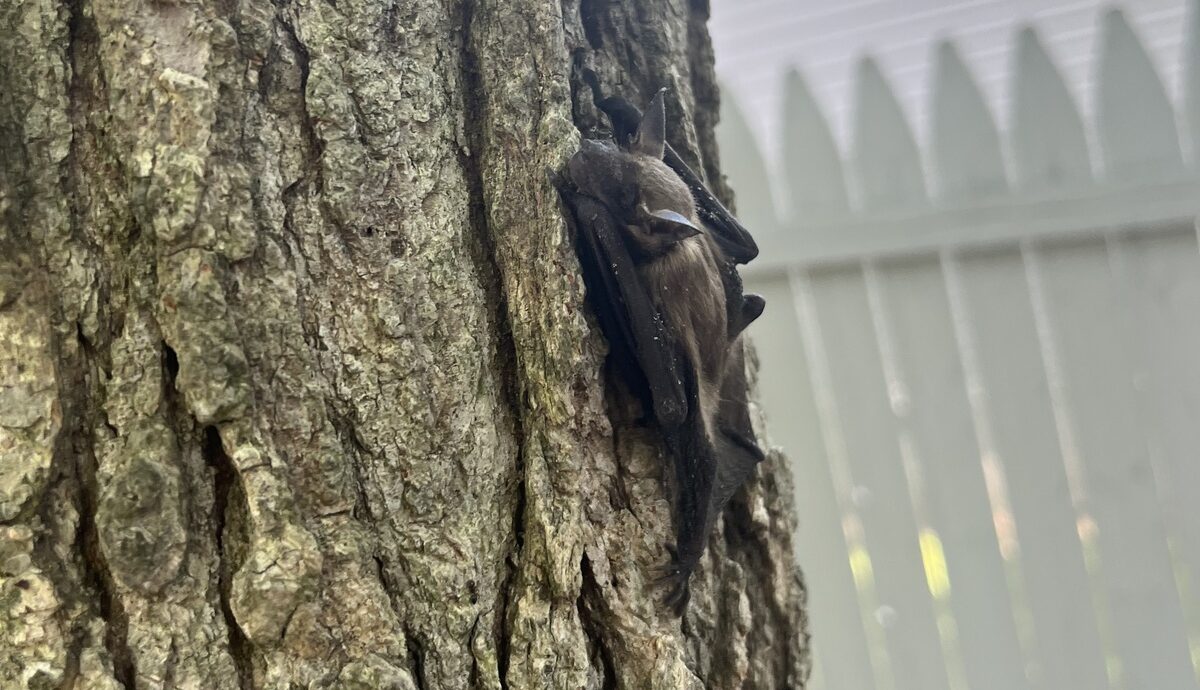
You may notice signs of bat activity when they leave the same attic vent or return to one gap each evening. Droppings below the opening or dark marks around its edges may offer more clues. These signs need a professional check, but one bat flying past your roof does not mean anything is living inside.
The key is whether they are using an opening in the building. That gap may lead into the attic or a sheltered space behind the vent cover. Scratching and squeaks can help guide an inspection, but sounds alone cannot tell you what is there or how many are present. A quiet evening also does not prove that the space is empty.
At Skedaddle Humane Wildlife Control in Baltimore, we check the vent and nearby spaces for signs of use. You should not climb, enter the attic, touch droppings, or block the opening. Our team checks for young and chooses the right time for humane removal. We explain what repeat evening visits and other clues may mean, and how we can help protect your home.
How Do You Know if Bats Are Living in Your Attic?
Determining if bats occupy an attic requires assessing entry points and physical evidence. Frequent entry or exit around vents suggests potential access, though roosts may exist behind covers or roof gaps rather than the main attic. A comprehensive inspection must examine all connected areas to confirm occupancy, as quiet conditions or lack of interior signs do not guarantee a space is empty.
Evening Movement Matters When It Connects With an Opening
Evening activity provides useful context, but departures do not follow one exact schedule. Weather, season, and conditions at the roost can affect when movement occurs. Tell us about patterns noticed during normal use of the property rather than approaching the vent to carry out your own inspection.
- Departures From One Vent Edge: Repeated movement directly out of a specific gap provides stronger evidence of building use than flight nearby. The opening may connect with shelter beyond outside view. It does not establish how many occupants remain inside or how far the occupied area extends. Our team assesses the route and relevant spaces before choosing a response.
- Returns to the Same Opening: Landing at an edge and disappearing into a gap is different from passing the roofline. Several sightings of that pattern can help focus the inspection. You may still be unable to see whether the route leads into the attic or another sheltered area. We establish the connection rather than assuming its destination.
- Flight Without Visible Entry: Circling or passing near the roof may involve ordinary outdoor feeding or travel. Shadows and flight patterns alone are not reliable tools for identifying an occupant or locating a roost. The visitor may continue beyond your property without entering the home. Our assessment looks for evidence connecting the movement with the structure.
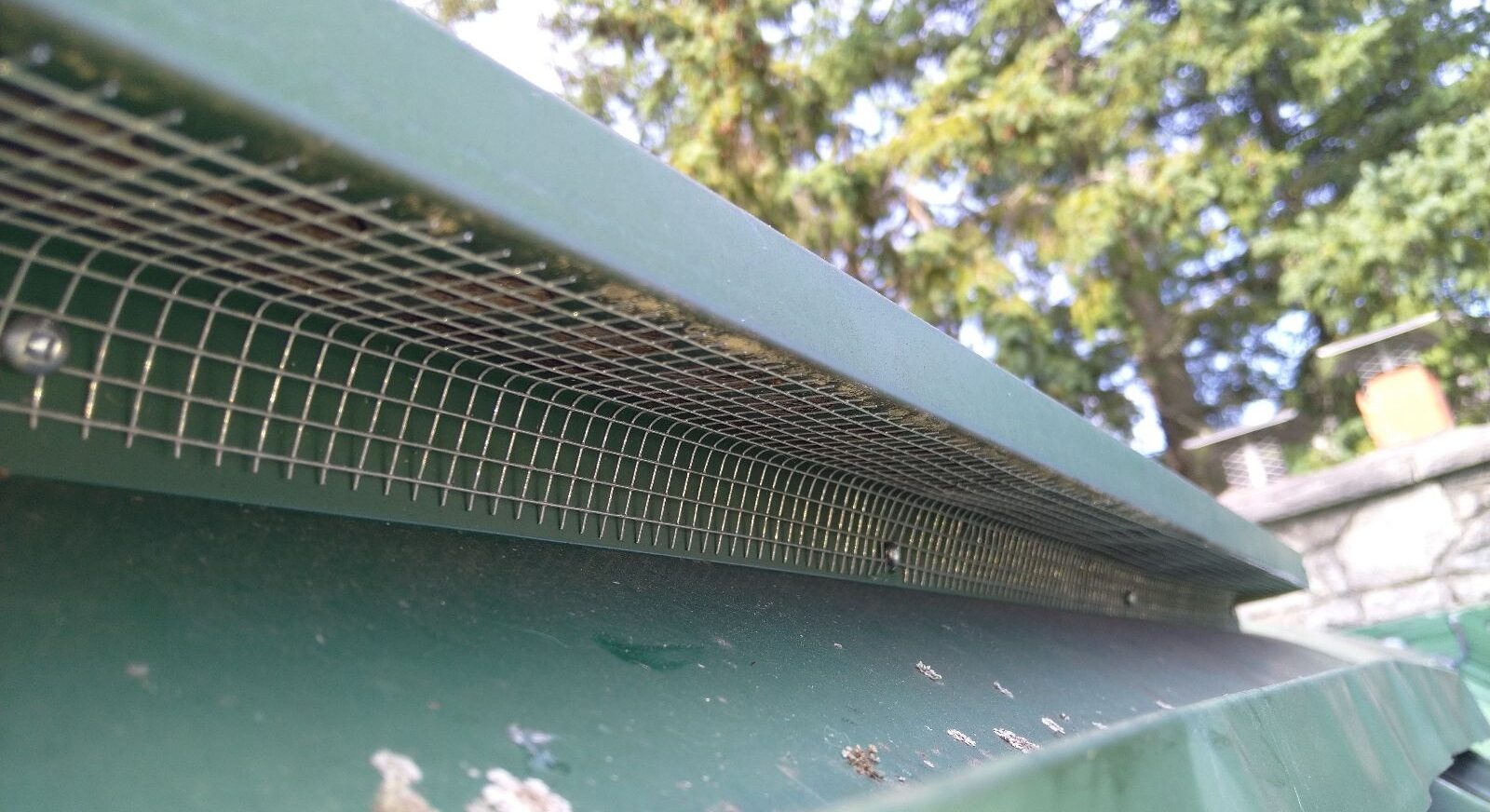
Vent Edges May Conceal Access Behind an Intact Cover
A gap may sit around the vent frame, beneath an edge, or beside nearby roof materials. The main cover can look intact while access remains available along its boundary. These details may be difficult to see from normal ground-level use.
The opening also may be vulnerable without currently being used. Whether it provides suitable access depends on its shape, location, and connection with sheltered space. One fixed gap measurement cannot explain every building or species.
Our professionals assess the complete feature and its surroundings. You should not probe the opening, remove a cover, or shine lights inside to investigate. Close inspection helps us establish access without disturbing an occupied space.
Exterior Clues Need Careful Interpretation
Marks, waste, and sounds can support evidence of vent use, but each has limits. Old signs may remain after activity changes, and similar-looking marks can have another source. Our team compares the findings without asking you to handle material or perform cleanup tests.
- Droppings Below the Vent: Waste on a ledge, siding, or nearby ground may guide attention toward a possible route. Its appearance alone does not confirm the source or show when it was left. The material may also sit beneath an exterior shelter rather than an attic entrance. Leave it untouched while our professionals assess the connection and cleanup needs.
- Dark Marks Around a Gap: Repeated contact near an opening may leave smudges on surrounding materials. Dirt, moisture, and weathering can produce similar dark marks. A stain therefore does not prove current occupancy or identify the occupant by itself. We compare its location with movement and other evidence found nearby.
- Damaged or Displaced Components: Loose screening or a shifted edge may create access around the vent. That damage should not automatically be attributed to bats, which do not chew openings to gain entry. Building wear or earlier damage may have left the route available. Our team assesses the condition and whether the gap connects with occupied space.
- Scratching, Fluttering, or Squeaks: Quiet sounds may come from the vent area, attic, or another roof-edge space. Framing can carry noise and change its apparent location. The sound cannot reliably establish species, numbers, or the presence of dependent young. We use it to guide the inspection alongside physical findings.
Shelter Behind a Vent Is Not Always the Main Attic
Some vent arrangements leave sheltered gaps outside the main roof space. Others connect with attic or wall areas behind the exterior opening. The building’s design determines where access can lead.
A visible entrance does not show the full occupied area. A roost, meaning a place used for resting or raising young, may sit farther inside than expected. Activity at one edge therefore cannot establish which materials have been affected.
Our team checks the route before recommending removal, cleanup, or closure. We explain whether the findings involve an exterior shelter or indoor occupancy. A vent visit should not automatically be described as a large attic colony.
Quiet Periods Can Hide Continued Use
Occupants may rest quietly or move at times when nobody notices. Seasonal conditions can also reduce the amount of visible activity. A quiet opening does not establish that the connected space is empty.
One evening without departures is not enough to confirm vacancy. Evidence can also remain after use ends, making the opposite assumption unreliable too. Current occupancy needs assessment rather than a conclusion from silence or old marks.
Our team compares movement with physical findings and relevant conditions. You do not need to plug the gap, add tracking powder, or disturb the space to test departure. We handle the assessment and explain what can be confirmed.
A Professional Inspection Establishes More Than Identity
Our inspection connects the reported activity with the opening and relevant sheltered spaces. It helps establish what work is needed and when that work can appropriately proceed. We also explain any uncertainty caused by limited access or incomplete evidence.
- The Entrance and Connected Space: We assess vent gaps, nearby roof joints, and other possible routes. The aim is to establish whether access leads into the attic or another sheltered area. Some connections may not be fully visible without further assessment. Our team explains those limits rather than promising a complete view of every hidden space.
- Current Occupancy: Movement, marks, and waste are compared to determine whether a route appears active. A damaged opening may require protection even if no current use is confirmed. Likewise, old evidence does not provide an exact picture of present occupancy. We avoid population claims that the findings cannot support.
- Young and Seasonal Conditions: The plan must account for whether all occupants can leave independently. Dependent young or periods of reduced activity affect how exclusion can proceed. One adult departure does not establish that the space is clear. Our team considers these needs before choosing the timing and method.
- Cleanup and Building Needs: We assess affected material and the vent’s intended function. Professional cleanup depends on what is found rather than the sighting alone. Roofing or ventilation concerns may also require the appropriate qualified specialist. You should leave waste and building components untouched while those needs are assessed.
Identification Should Never Involve Contact
You should not touch or capture an occupant, handle droppings, or enter the attic to confirm identity. Appearance cannot reliably establish health status. Waste also should not be crushed, swept, or moved as an identification test.
An occupant found inside a living area needs a different response from an outdoor vent sighting. One indoor encounter does not prove a colony, but it warrants prompt professional guidance. Contact local public-health or animal-control officials about handling and possible testing rather than releasing it yourself.
Seek prompt medical and public-health advice when contact may have occurred. This includes sleeping-room encounters or situations involving someone unable to reliably report contact. Maryland health guidance calls for assessment when exposure cannot reasonably be ruled out; our building inspection does not replace that advice.
Exclusion Timing Must Fit the Occupants and Maryland Requirements
Finding an entrance does not automatically mean it can be closed immediately. Occupancy, seasonal conditions, and Maryland requirements affect the appropriate response. Our team checks the applicable authorization and timing before exclusion work begins.
- Flightless Young Must Be Accounted For: An adult leaving the roost does not mean every occupant can follow. Young may remain unable to fly and depend on adults returning to care for them. Exclusion must not separate them from that care. Our assessment establishes those needs before a one-way device or permanent closure is used.
- Reduced Activity Does Not Confirm Clearance: Cold-weather inactivity or hibernation may affect movement, depending on the occupants and location. A quiet roost can remain occupied even when no departures are noticed. The plan must consider whether the occupants can leave under the conditions present. We do not treat silence as confirmation that the route can be sealed.
- Authorization Depends on the Situation: Maryland has specific requirements for bat exclusion, including conditions affecting work during the active colony period. The rules should not be reduced to a blanket claim that all summer work is prohibited. Species, colony conditions, and young may affect the authorization needed. Our team checks the applicable requirements rather than using dates from another state.
Baltimore Vent Designs Need Individual Protection
Baltimore-area homes use different gable, roof, and soffit ventilation arrangements. The opening visible from outside may serve a different purpose from one on a neighboring property. Its design and connection need assessment before protection is selected.
Exclusion must preserve the intended airflow and account for surrounding materials. An exhaust outlet may require a different approach from an attic vent. One type of screening is not suitable for every feature.
Our team considers the building findings alongside Maryland timing requirements. Age, neighborhood, or the season alone does not establish occupancy. The plan follows the actual vent, access route, and occupants involved.
Assess the Vent and Protect the Home With Skedaddle
Our professional wildlife team assesses suspected entrances, occupied spaces, and the timing needed for bat removal and exclusion. We compare observations with physical evidence before recommending work. The findings establish whether the concern involves attic use or another sheltered area.
Where appropriate, our one-way doors or suitable exclusion devices allow wildlife to leave but prevent re-entry. Young, inactive occupants, and applicable Maryland requirements must be accounted for first. Permanent closure follows confirmation that the relevant space is clear.
Our team assesses professional cleanup needs and protects vulnerable access with durable materials. The vent’s intended function remains part of the plan. At Skedaddle Humane Wildlife Control in Baltimore, we explain how each part of the work addresses the property findings.
Frequently Asked Questions
Does circling near a vent prove it is an entrance?
No, nearby flight may be unrelated to building use. A visitor could be feeding or travelling past the roof. Direct entry or exit provides a stronger clue, especially when supported by physical evidence. Our team checks the connection before confirming occupancy.
Can the vent look intact while a gap remains beside it?
Yes, access may occur around the frame or an adjacent roof joint. The main cover may remain in place while an edge leaves an opening. Its appearance from below does not establish that the complete feature is secure. Our professionals assess the surrounding area.
Does the absence of droppings rule out occupancy?
No, waste may remain hidden or collect somewhere else. An occupied space may show few visible signs from the ground. The absence of one clue does not establish an empty attic. Our inspection compares several findings and relevant activity.
Can exclusion begin as soon as the opening is identified?
Not automatically, because identifying the route is only one part of the plan. Occupancy, dependent young, seasonal conditions, and applicable requirements must be assessed. Some situations may need different timing or authorization. Our team explains the appropriate process before work proceeds.
Confirm the Activity Before Closing the Vent Gap
You may recognize possible bat activity through repeated use of an opening, exterior clues, and evidence in connected spaces. Flight near the roof or a dark mark alone cannot confirm attic occupancy. The route’s destination and current use need professional assessment.
You should not climb, enter hidden areas, touch occupants or waste, or cover a suspected entrance. A quiet evening does not establish vacancy or rule out dependent young. Possible contact needs prompt medical and public-health guidance. Our property inspection addresses access and occupancy while those professionals assess exposure concerns.
At Skedaddle Humane Wildlife Control in Baltimore, we explain what the findings support and plan humane exclusion at an appropriate time. Our team handles professional cleanup where needed and secures relevant routes while preserving ventilation. The response follows confirmed conditions rather than one sighting at the cover. Contact us to schedule a professional assessment or request an estimate to learn more

 Loading...








