You should have nearby storage, affected materials, current activity, and entry points checked after finding mouse damage in holiday decorations. Our professionals look beyond the first shredded box to assess what happened and how access occurred. Chewed fabric or nesting material may reveal a feeding or resting area. However, those signs alone do not establish whether mice are still inside.
Late-November decorating often brings boxes out of garages and basements for the first time in months. A damaged stocking or pile of shredded paper can turn that familiar task into an unwelcome surprise. The date you discover the damage does not tell you when it happened. One affected container also does not reveal the full extent of the problem.
At Skedaddle Humane Wildlife Control in Pickerington, we complete the inspection and explain what we find. You should leave droppings, damaged boxes, and nesting material undisturbed and contact our team. Our checklist covers nearby storage, cleanup needs, and routes into the building. We also explain why stronger containers help protect decorations but cannot replace humane removal and entry-point protection.
How Long Do Mouse Droppings Stay Infectious?
There is no single waiting period in the CDC cleanup guidance that makes mouse droppings safe to handle. The CDC advises precautions around droppings and nesting material and warns against sweeping or vacuuming them. Leave affected decorations undisturbed and contact our team for professional assessment and cleanup.
The Damaged Box Is the Starting Point
Finding mice in holiday decorations can raise questions about everything stored nearby. The first damaged item may show where activity occurred without revealing the entrance or nesting area. Our inspection compares several signs rather than drawing conclusions from one torn box. Three types of damage help guide that assessment.
- Shredded Boxes and Packing Material: Torn cardboard, tissue, and packing paper may suggest that stored materials have been used for nesting. Similar damage can also come from handling, moisture, or years of storage. Our team compares the torn edges with droppings, gnaw marks, and other nearby evidence. This helps us assess whether the box was damaged during storage or used as part of a sheltered resting area.
- Chewed Fabric and Soft Decorations: Stockings, fabric ornaments, and soft holiday displays may provide material that can be pulled apart. Chewing may leave holes, loose threads, or missing sections that were not present when the items were packed. Damage and contamination are separate concerns, so an item may need assessment even if it appears mostly intact. We explain the findings without assuming every affected decoration can be cleaned or restored.
- Nesting Material Inside Containers: A suspected mouse nest in storage bins may contain shredded paper, fabric, or other gathered material. Its presence shows that the space deserves closer assessment, but it does not prove current occupancy. An older nest may remain after use ends, while young may stay hidden in an occupied one. Our team checks the evidence before deciding what removal and cleanup are needed.
Nearby Storage Needs a Wider Inspection
You may find damage in one container while nearby boxes appear untouched. That difference does not establish where activity began or how far it extends. Concealed spaces around shelving and walls can connect several storage areas. Our professionals assess those connections without asking you to unpack more boxes or move affected items.
- Neighboring Boxes and Shelves: Droppings, gnaw marks, or disturbed packing material may appear around other containers on the same shelf. These signs can help show whether the damaged box sits along a travel route. The number of affected boxes does not reliably reveal the number of occupants or the length of activity. We compare the findings across the relevant storage area before defining the scope of work.
- Garage Storage Areas: Signs of mice in a garage in Pickerington may appear beside shelving, near wall edges, or around stored materials. The garage may provide shelter, access to another part of the home, or both. A nest inside one box does not establish whether activity stays within that space. Our team assesses nearby openings and concealed areas to understand how the storage location connects with the building.
- Basement Storage Spaces: Mice in basement storage may use gaps near framing, pipes, or other services to reach sheltered areas. Evidence beside a holiday box may therefore connect with activity beyond the shelf where it was found. The basement may contain an exterior entrance or simply form part of an indoor route. We assess those possibilities rather than treating the damaged container as the entire problem.
Cleanup Needs Depend on the Affected Materials
Professional mouse droppings cleanup starts with assessing the affected area and the materials involved. A hard plastic surface may require different work from fabric, cardboard, or insulation. The amount visible on top of a box may not show everything underneath or nearby. Our team explains the cleanup needs without asking you to touch, shake, or sort affected items.
- Hard Surfaces and Containers: A storage bin may look sound while waste or nesting material remains around its lid, contents, or base. Its condition does not establish whether nearby shelves or surfaces are also affected. Our professionals assess the container and its surroundings before recommending cleanup. That review helps separate damage to the bin itself from contamination around the storage area.
- Fabric, Cardboard, and Other Porous Items: Soft or absorbent materials can need different decisions from hard surfaces. Their condition, the type of damage, and the extent of soiling affect what work is suitable. We do not promise that every decoration can be restored or that surface cleaning will address every concern. Our team explains which items and materials need further attention based on what is found.
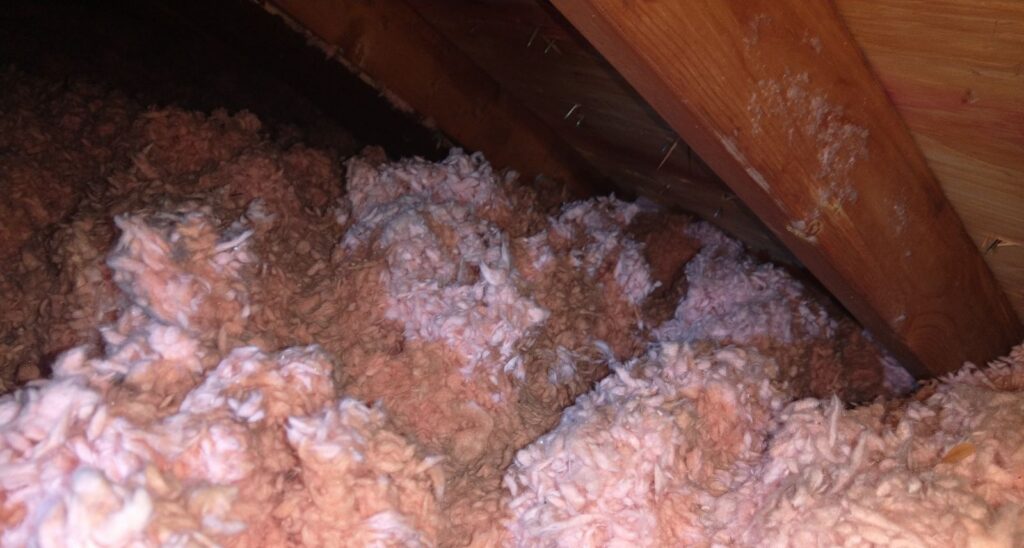
- Surrounding Shelves and Building Materials: Activity may leave evidence outside the container, including on shelves, nearby surfaces, or affected insulation. The cleanup area therefore may extend beyond the box you first opened. However, one discovery does not automatically mean that the whole garage or basement needs restoration. We assess the extent of the problem and recommend work suited to the affected sections.
Entry Routes Must Be Checked Before Permanent Closure
Removing a damaged box does not address how entry occurred. The route may begin outdoors and continue through concealed spaces before reaching the decorations. Our team checks current occupancy before planning mouse entry point sealing. This helps us protect the building without leaving occupants enclosed inside.
- Exterior Gaps and Door Edges: Accessible gaps near garage-door edges, foundations, or other building connections may provide entry. Their location and condition help guide the inspection, but a visible opening does not prove active use. We compare exterior weaknesses with evidence in the storage area. The prevention plan then addresses the relevant openings rather than every gap being treated as the confirmed entrance.
- Pipe, Cable, and Interior Connections: Spaces around services may connect garages, basements, walls, and other concealed areas. An opening near a storage shelf may be part of that route rather than the entrance from outdoors. Closing the indoor gap alone may leave the original access point available. Our team assesses the connections and flags service damage that needs another qualified professional.
- Current Occupancy and Dependent Young: Quiet storage areas can still contain resting occupants or dependent young. Old-looking waste and an empty-looking entrance do not confirm that the space is clear. Our removal plan accounts for those unable to leave on their own. Permanent protection follows the checks needed to establish that removal is complete.
Stronger Storage Does Not Replace Building Protection
Sound containers with secure lids can help protect decorations during storage. Their value depends on the material, condition, and how well they close. A damaged corner or poorly fitting lid may leave access to the contents. Even a stronger container cannot establish whether the surrounding room is occupied.
They may continue using shelter behind shelving, within wall spaces, or elsewhere in the building. Protecting one box does not remove occupants from those areas. It also does not close a gap along the garage perimeter or around a service line. Storage protection and building protection therefore address different parts of the problem.
You may want to replace a damaged box and get back to decorating as soon as possible. Our assessment helps establish whether cleanup, removal, or both are needed before affected items return to use. We also explain which openings require protection to reduce the chance of another discovery next season. The goal is to address the access behind the damage, rather than only the item where it became visible.
Holiday Storage Concerns in Pickerington Homes
Late-November unpacking in Pickerington and Violet Township can reveal damage that has remained hidden for months. Holiday boxes often sit untouched between seasons, making changes easy to miss. Finding a nest while decorating does not show whether it was built recently or earlier in the year. Our inspection helps put the discovery into context before work is planned.
Homes across Fairfield County and Central Ohio have varied garage and basement layouts. Some storage shelves sit near exterior walls, while others are beside utility connections or enclosed rooms. The age of the property does not establish whether accessible openings exist. Our Pickerington team assesses the actual construction and evidence at your home.
The same property-specific approach matters in Canal Winchester, Reynoldsburg, and Blacklick. A newer garage may have a gap around a service line, while another home has access near an older door edge. Location alone cannot reveal the route or the extent of activity. Our Reynoldsburg service page provides more information about professional assessment and prevention in that community.
Protect the Decorations and Close the Access with Skedaddle
At Skedaddle Humane Wildlife Control in Pickerington, our professional wildlife team assesses damaged storage, connected spaces, and current activity. We check for dependent young and compare indoor evidence with relevant exterior openings. These findings guide humane mouse removal in Pickerington, OH, when it is needed. You receive a clear explanation of the work we recommend and the reasons behind it.
Where suitable, our one-way doors allow mice to leave while preventing them from getting back inside. Our plan accounts for young and any occupants that cannot use an exit independently. We check that the removal process is complete before permanently securing the relevant openings. This keeps the work focused on humane removal and lasting protection.
Our team handles professional cleanup and sanitation of affected areas, with restoration where needed. We also protect identified entry points and flag separate electrical or building repair concerns. Our mouse-removal service combines inspection, removal, cleanup, and exclusion. We explain the scope without promising that every damaged decoration can be restored.
Frequently Asked Questions
Does one damaged box mean every decoration is affected?
No, one damaged box does not establish the condition of all your stored decorations. Nearby items may be unaffected, or evidence may extend beyond what you first noticed. Opening more containers yourself can disturb materials before the area has been assessed. Our team checks the surrounding storage and explains which sections need attention.
Does a nest mean mice are still inside?
No, nesting material can remain after a space is no longer used. It can also sit within an occupied area where movement is difficult to see. The nest’s appearance alone does not establish its age or whether young are present. We compare it with other evidence before planning removal or closure.
Can chewed holiday lights still be used?
Chewed or visibly damaged holiday-light cords should not be plugged in. Missing insulation or damaged connections need separate attention from waste cleanup. Our team can identify visible concerns during the inspection, but we do not certify electrical decorations as safe. Electrical safety decisions should be left to a qualified professional.
Does a clean-looking plastic bin rule out activity?
No, a clean-looking bin does not rule out activity around the lid, contents, or nearby storage. The outside may appear untouched while evidence sits beneath or behind it. Likewise, signs near one bin do not prove that its contents have been affected. Our assessment considers the container and the surrounding area together.
Unpack the Holidays With a Clear Plan
You should have damaged decorations, nearby storage, current activity, and entry routes assessed before handling affected materials. One shredded box may reveal only part of the problem. It does not establish when the damage occurred or whether the space remains occupied. Our inspection helps answer those questions and define the work needed.
You should leave droppings, nesting material, and affected items undisturbed and contact our team. There is no need to move boxes into living areas or collect samples to get answers. A quiet garage or basement does not confirm that every occupant has left. We check the relevant spaces before completing removal or permanent protection.
At Skedaddle Humane Wildlife Control in Pickerington, we explain what our assessment shows. Our team handles humane removal when needed, professional cleanup, and protection of identified entry points. We also flag concerns that require another qualified professional. Contact us to schedule a professional assessment or request an estimate to learn more.

 Loading...