You may have a skunk digging under your porch if fresh soil appears beside an opening and the same spot sees repeated activity. They may dig to reach a sheltered resting place or search for food nearby. However, disturbed soil alone does not prove that they live beneath the structure. A few shallow holes in the yard can mean something different from a passage under the porch edge.
The key is whether the activity connects with the space underneath. Repeated entry and exit provide stronger clues than a single sighting beside the steps. A smell or scratching sound can add information, but neither reveals every occupant. Our inspection helps separate a passing visit from regular shelter use.
At Skedaddle Humane Wildlife Control in Pittsburgh, we assess the opening and surrounding evidence for you. You should keep your distance, leave affected materials untouched, and avoid covering a suspected entrance. We explain the digging patterns, signs of repeated use, and reasons an occupancy check matters. Our team handles the inspection, humane removal, and prevention work.
How Do You Know If a Skunk Is Living Under Your Porch?
Repeated entry, fresh soil, and supporting evidence suggest a skunk may be under your porch. A single sighting or empty gap doesn’t confirm current occupancy, nor does a lingering odor. A professional inspection evaluates hidden sheltered spaces, multiple connecting openings, and potential dependent young inside before establishing a safe removal plan.
Sheltered Space Makes the Porch Worth Investigating
A ground-level porch can offer cover without requiring a long climb or a large opening. Depending on its construction, the area beneath it may provide shelter from weather and daily disturbance. Exposed soil can also make it possible to dig beneath an edge that appears closed. Three features help explain why these spaces may attract attention.
- Protection From Weather: A solid porch above can reduce direct exposure to rain, wind, and sun. The covered space may provide a more sheltered resting area than an open part of the yard. However, drainage and construction affect whether the ground underneath stays dry. We assess those conditions rather than assuming every porch offers suitable shelter.
- A Quiet Resting Place: The space beneath a porch may receive little direct disturbance, even when people regularly use the surface above. Enclosed corners can offer cover during daytime resting hours. This helps explain why activity underneath may go unnoticed until an opening or sound draws attention. Our team checks how the space is being used and whether evidence points to regular occupancy.
- Accessible Soil and Existing Gaps: A gap beneath skirting or along the porch edge may provide a starting point for digging. Loose soil can allow them to enlarge access beneath the structure. They may use an existing weakness rather than create an entirely new entrance. We assess both the opening and the surrounding edge when planning protection.
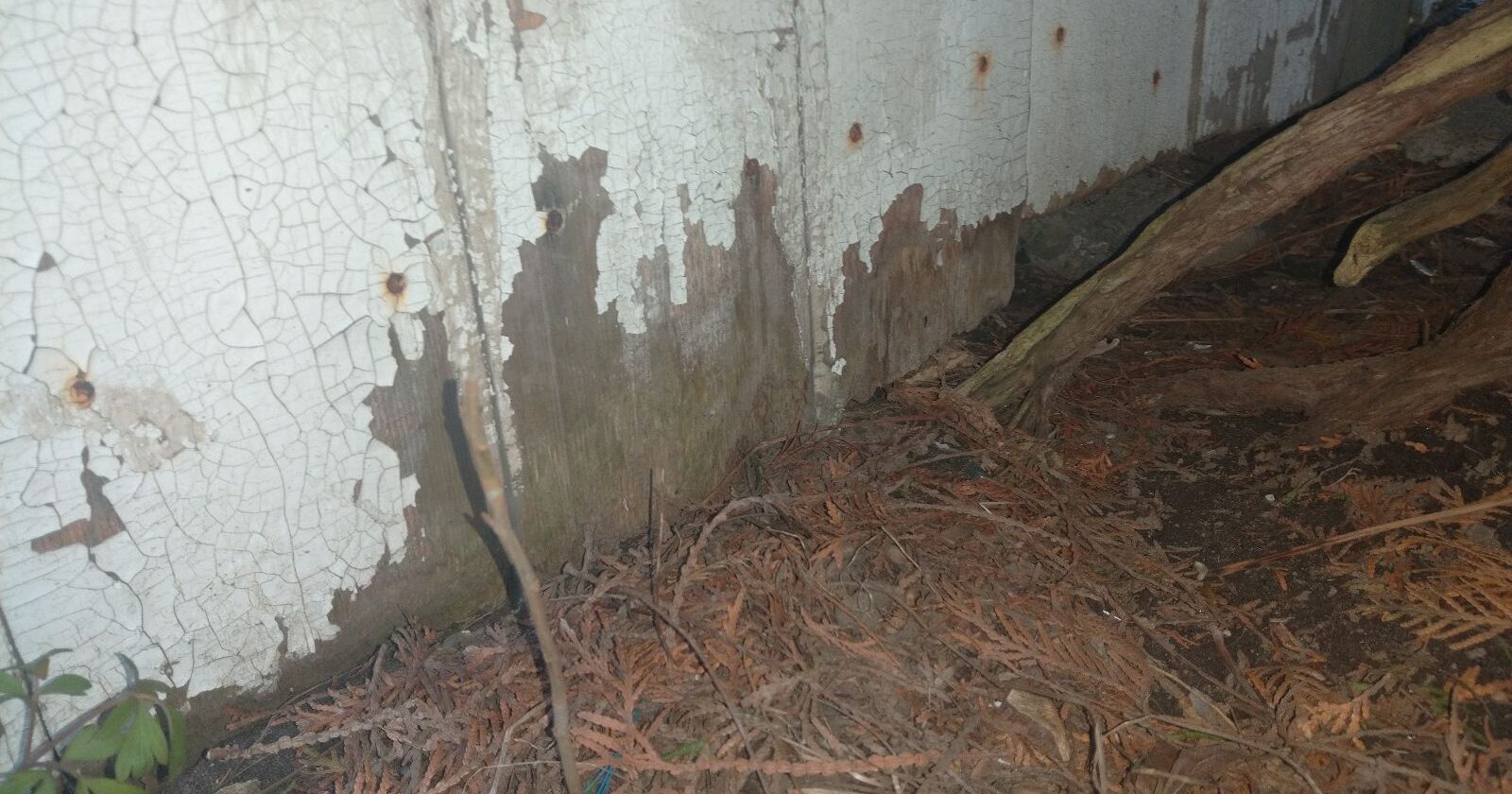
Digging for Food Looks Different From Digging for Shelter
You may notice several disturbed patches near the porch without finding an entrance beneath it. Surface digging can reflect a search for food in the soil rather than an attempt to establish shelter. A deeper opening under the edge raises a different question because it may lead to an enclosed space. The pattern, location, and signs of continued use help our team assess the difference.
- Shallow Holes Around the Yard: Small, scattered holes may come from searching for food near the soil surface. They can appear beside a porch simply because that area is part of a feeding route. Their presence does not prove that the space underneath is occupied. We compare the disturbed ground with nearby openings and other evidence before drawing a conclusion.
- An Opening Beneath the Porch Edge: A passage extending below the edge may provide access to shelter rather than just food near the surface. Its shape and size depend on the soil, available space, and how it has been used. A neat or rounded entrance is not enough to identify the occupant with certainty. Our inspection establishes whether the opening connects with current activity beneath the porch.
- Fresh Soil and Repeated Disturbance: Newly displaced soil may suggest recent digging, especially when changes keep appearing at the same spot. It can show that an opening is being created, enlarged, or maintained. Still, fresh soil alone does not establish the number present or whether young are inside. We consider these changes alongside evidence of entry, exit, and shelter use.
Repeated Patterns Matter More Than One Visit
You may already have noticed activity from a window or another safe location. Those observations can help our team understand when and where movement occurs without anyone approaching the opening. Repeated use of one gap is more useful than a sighting elsewhere in the yard. We compare what you have seen with the physical evidence found during our inspection.
- Returns to the Same Opening: Repeated passage into or out of a gap suggests that it serves a purpose beyond a brief walk through the yard. The important detail is whether they actually enter the space or simply move beside it. Returning to the area does not reveal how many occupants may be underneath. Our team assesses the route and checks the connected space before recommending work.
- Sounds From Beneath the Porch: Recurring rustling or scratching may suggest movement under the floorboards. Sound can travel through porch materials, making the source seem closer or farther away than it is. A louder sound does not necessarily mean several occupants or a large occupied area. We use the timing and location as clues, then compare them with the inspection findings.
- Tracks and Lingering Odor: Tracks near an opening may help show where movement has occurred. A lingering smell can also draw attention to the area, but it may remain after a passing encounter. Neither clue alone confirms an occupied den or shows whether dependent young are present. You should leave affected areas untouched and let our professionals assess the evidence.
A Quiet Opening Still Needs an Occupancy Check
A porch entrance may look quiet while the space behind it remains occupied. An adult could be away temporarily, or a resting area could sit beyond the visible gap. Covering the opening before checking those possibilities can leave occupants enclosed underneath. We assess activity and the connected space before planning permanent closure.
- An Adult May Be Away: They may leave shelter to search for food and return later. Seeing an empty entrance during that time does not mean the shelter has been abandoned. A short period without visible movement cannot establish that everyone has left. Our team considers the pattern of use and inspection evidence before securing access.
- Dependent Young May Remain: Young may stay hidden while an adult leaves the space. They may be unable to follow an exit route or move away independently. This makes checking for them an important part of a humane removal plan. We account for dependent young before using exclusion methods or completing permanent protection.
- Other Openings May Connect: The most noticeable hole may be one of several ways into the space. Another gap could sit along a different porch edge or beside the steps. Addressing one opening without assessing the others may leave access available. Our team examines the relevant perimeter so protection matches the routes found at your property.
Skunk Issues Beneath Pittsburgh Porches
Pittsburgh homes have many porch styles, from raised wood structures to enclosed bases and porches added during later renovations. Each design creates different conditions near the ground. Exposed soil, loose skirting, and gaps beside steps can affect whether the area underneath is accessible. The age of the porch alone does not establish whether a skunk is using it.
Seasonal changes can also affect how these spaces are used. As temperatures fall, sheltered resting areas may become more appealing, while other times of year require care around dependent young. An unheated porch is not automatically warm, and a covered area is not always dry. The roof above, ground slope, and drainage all help determine the conditions underneath.
You may notice digging after wet weather or smell something near the steps without knowing the cause. Our team assesses those clues alongside the porch layout and evidence of repeated use. We also distinguish access concerns from drainage or structural problems that need separate attention. If the inspection reveals a concern outside our work, we explain when another qualified professional is needed.
Clear the Space and Protect the Porch with Skedaddle
At Skedaddle Humane Wildlife Control in Pittsburgh, our professional wildlife team begins by assessing the entrance and the space it serves. We compare signs of repeated use with the conditions beneath the porch and check for dependent young. That information guides whether removal is needed and which approach suits the situation. You receive a clear explanation of our findings and the work we recommend.
Where suitable, our one-way doors allow skunks to leave while preventing them from re-entering. Our plan accounts for young and any occupants that cannot use an exit on their own. We check that the removal process is complete before permanently securing the relevant access points. This keeps the work focused on humane removal rather than simply covering an occupied opening.
Our team handles professional cleanup of affected waste or nesting materials where needed, so you do not have to touch them. We also protect the relevant porch perimeter, including below-ground screening where the design and conditions call for it. If drainage or structural concerns require separate repairs, we explain those needs. Assessment, removal, cleanup, and exclusion work together to address the access and reduce the chance of recurring activity.
Frequently Asked Questions
Does a strong smell mean there is an occupied den?
No, a strong smell does not prove that a skunk is currently living beneath the porch. Odor may linger after a passing encounter or come from somewhere nearby. Its strength also does not tell you how many occupants may be present. Our team compares the smell with signs of entry, digging, and other evidence before deciding what it means.
Does digging mean the porch structure is damaged?
No, disturbed soil does not automatically mean that the porch supports or other materials are damaged. The concern depends on where the digging occurs and how the structure meets the ground. An opening beneath the edge requires assessment, but its appearance alone cannot establish the condition of the porch. We identify visible concerns and explain when a qualified building professional should examine them.
Can activity happen outside the nighttime hours?
Yes, although nighttime activity is common, movement can also occur at other times. A daytime sighting alone does not establish why they are there or whether they use the porch for shelter. The useful detail is how that sighting connects with the opening and other evidence. Our team assesses the full pattern rather than identifying occupancy from the clock alone.
Will closing one opening prevent every return?
Not necessarily, because another accessible gap or diggable edge may remain around the porch. The visible entrance may lead to a space that can also be reached from another side. Permanent protection should follow an occupancy check and an assessment of the relevant perimeter. We plan the work around the access found rather than assuming one closure addresses every route.
Get a Clear Answer Before Closing the Gap
You may have a skunk digging beneath the porch, but disturbed soil alone does not show whether the space is occupied. Shallow feeding holes can mean something different from a passage under the edge. Repeated entry and exit provide stronger clues than one sighting nearby. A smell or scratching sound adds information without revealing every occupant.
You should keep your distance and leave openings, waste, and affected materials untouched. A quiet entrance does not confirm that everyone has left. Dependent young may remain hidden while an adult is away. Our inspection helps establish what is happening before removal or permanent protection begins.
At Skedaddle Humane Wildlife Control in Pittsburgh, we assess the space and explain the findings. Our team plans humane removal when needed, handles professional cleanup, and protects the relevant access points. We also identify concerns that need another qualified professional. Contact us to schedule a professional assessment or request an estimate to learn more.

 Loading...