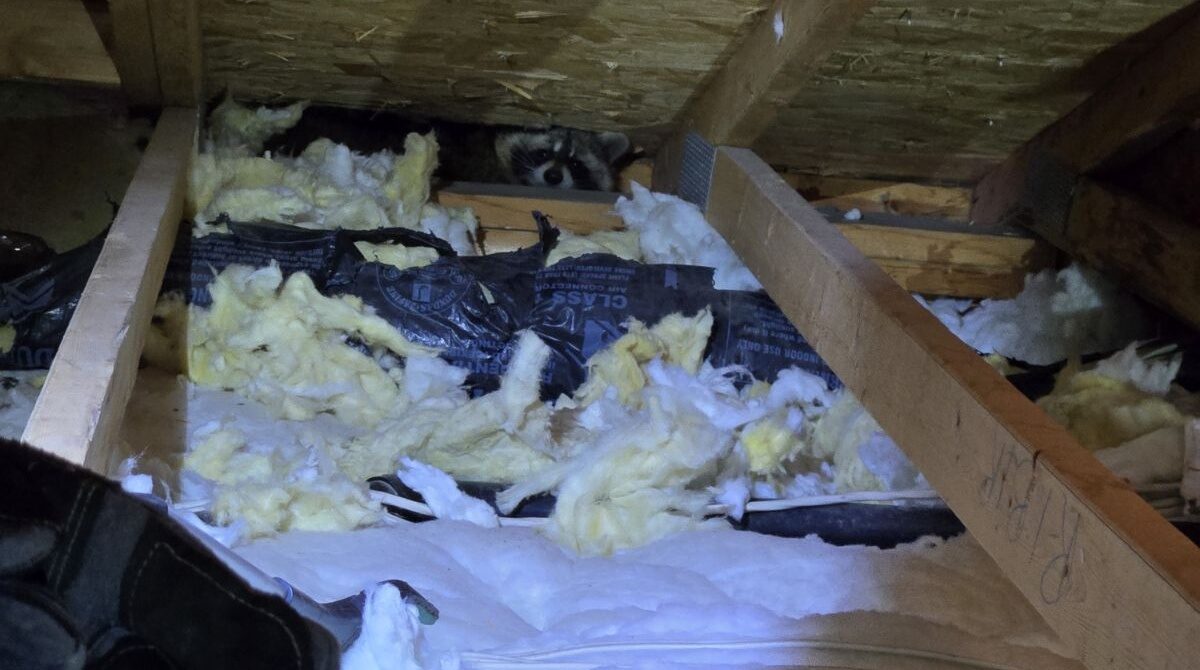
You may notice wildlife near your crawl space in November because cooler nights make sheltered resting places more useful. A space beneath the house can offer protection from wind and rain, especially when an opening makes it easy to reach. Some crawl spaces also receive warmth from the building, though that varies from home to home.
Warmth alone does not explain every visit or prove that anything has moved inside. Quiet conditions, suitable resting areas, and nearby food may also support activity. Moisture, damaged vents, and gaps around service lines raise separate questions that need to be assessed together.
At Skedaddle Humane Wildlife Control in Baltimore, we inspect access routes and the evidence of occupancy before planning work. You should not enter the crawl space, touch waste, disturb insulation, or seal a suspected entrance. We explain why these areas receive attention, which perimeter signs matter, and how our team handles removal and prevention while identifying building concerns that may need another professional.
What Attracts Animals to a Crawl Space?
A crawl space becomes attractive to wildlife when it offers accessible shelter, protection from cold weather, and minimal human disturbance. Nearby food and water sources may further encourage activity, but entry depends on existing openings, such as damaged vents or gaps near service lines. Our inspection team thoroughly evaluates these physical conditions to determine whether a crawl space is currently occupied or simply vulnerable to entry.
Cooler Nights Can Make Sheltered Areas More Useful
November can bring cooler nights and weather that makes exposed resting places less useful. A crawl space may provide protection without matching the temperature of a living room. Our team considers its actual condition and access rather than treating the space beneath every house as a heated winter shelter.
- Cover From Wind and Rain: Foundation walls and the floor above can reduce exposure to wind and wet weather. That protection varies with openings, drainage, and the building’s design. Drafts or water may still reach parts of the space. We assess which areas offer shelter and whether evidence shows they are being used.
- Possible Warmth From the Home: Some crawl spaces may be warmer because of their position within the building or nearby heating systems. Others are vented, unheated, or exposed enough to remain cool. Warmth should therefore be assessed rather than assumed from the space’s location. Our inspection considers building conditions alongside evidence of occupancy.
- A Resting Place Between Feeding Trips: A sheltered area may be used for rest while food is found somewhere else. An occupant can leave and return without appearing in the rooms above. You might notice movement on some nights and hear nothing during other periods. Our team accounts for that pattern before deciding whether the space is empty.
Low Disturbance Can Allow Activity to Remain Hidden
Crawl spaces often receive little routine attention compared with kitchens, garages, or living areas. Occupants may rest or travel there without being seen indoors. A quiet space can remain in use even when the household notices few signs.
Sheltered corners and available material may provide resting or nesting opportunities. Insulation can be disturbed in some occupied areas, but its presence does not mean damage has occurred. The extent needs assessment rather than an assumption about the whole crawl space.
Our team checks relevant areas without asking you to enter. We compare physical evidence with sounds and perimeter findings. A lack of visible movement in living rooms does not establish that the space beneath them is clear.
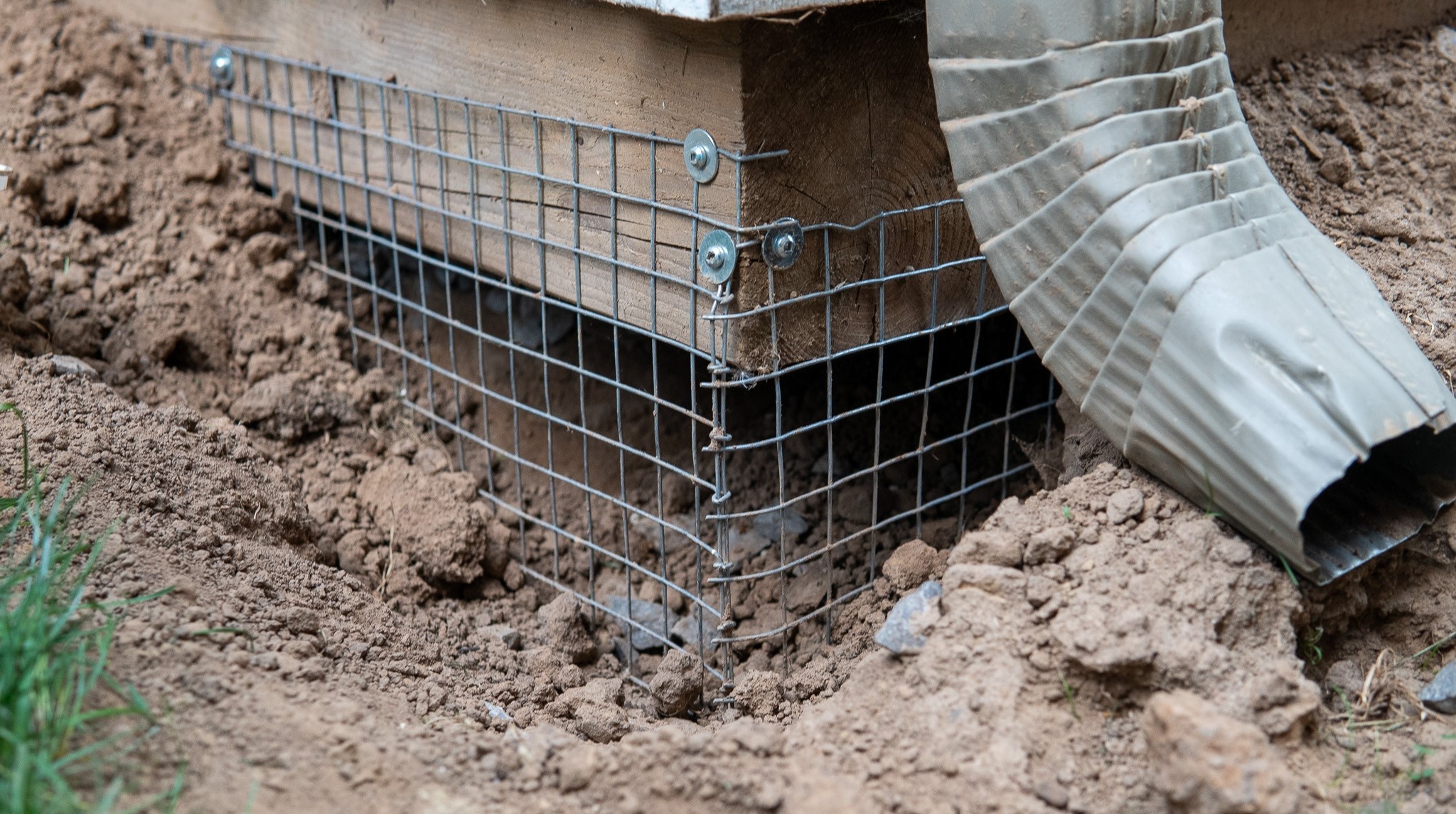
Available Gaps Turn Shelter Into Reachable Space
Shelter becomes available only when an occupant can reach it. Damaged vents, loose doors, and gaps beside service lines may connect the yard with spaces beneath the house. Our team distinguishes confirmed entrances from other weaknesses that may need protection.
- Damaged Crawl-Space Vents: Missing covers, broken components, or displaced screening can leave an opening into the space. The damage may be old or caused by building wear rather than current activity. Vent protection must also preserve the intended function of the feature. We assess occupancy and the appropriate exclusion approach before work begins.
- Loose Access Doors: An access panel may appear closed while gaps remain around its frame. Shifted edges or weak attachment points can leave a route available. The surrounding materials may need attention as well as the cover itself. Our professionals inspect the complete area rather than judging security from the door’s position.
- Openings Around Service Lines: Pipes, cables, and HVAC lines pass through openings that may leave space beside them. The service can remain intact while the surrounding gap provides access. Its connection with the interior determines whether it is a usable route. You should not disturb the lines or pack material around them before professional assessment.
- Foundation and Siding Transitions: Gaps may occur where different building materials meet or where wear has developed. Not every crack is large enough or connected in a way that allows entry. Some openings may lead only behind an exterior surface rather than into the crawl space. Our team checks the connection and evidence before recommending protection.
Moisture Needs Assessment Alongside Wildlife Activity
Humidity, standing water, and leaking pipes are different conditions that can affect a crawl space. They do not automatically explain why an occupant entered or prove that the area is used for shelter. Our assessment separates evidence of occupancy from moisture concerns requiring other repair expertise.
- Accessible Water Where Present: Some occupants may use water if it is available in or near the space. Humid air alone should not be described as a dependable drinking source. Standing water may also make parts of the area less suitable for resting. We assess the actual conditions instead of assuming the crawl space supplies water through winter.
- Repeated Wetting Around Building Materials: Ongoing moisture exposure can affect wood and supporting materials over time. Weakened sections may worsen an existing gap or leave a cover less secure. One wet period does not establish the cause or extent of deterioration. Our team identifies visible concerns and explains when plumbing, drainage, or structural assessment is needed.
- Dampness Does Not Confirm a Den: A damp crawl space may have no wildlife occupancy at all. Likewise, an occupied section may be relatively dry compared with the rest of the area. Moisture and shelter use must therefore be established as separate findings. We compare the evidence before deciding which work addresses each concern.
Food and Cover Outside Can Support Repeat Visits
Accessible garbage, outdoor food, and sheltered yard edges may give visitors reasons to return near the house. Those conditions can place activity close to a crawl-space opening. They do not prove that the opening is used.
Feeding and resting may happen in different locations. A visitor beside the building could be passing through or searching for food without entering. Another occupant may shelter beneath the house and feed elsewhere.
Our team considers these conditions alongside physical access evidence. We explain how they may contribute to the wider pattern without blaming one food source for every problem. Changing an outdoor condition does not confirm that an occupied building is empty.
Perimeter Signs Help Guide the Inspection
You may notice clues while walking to a door or using the yard normally. Tracks, disturbed covers, waste, and sounds provide useful information, but each has limits. Our team checks how those findings connect with openings and spaces inside the building.
- Tracks or Disturbed Soil: Prints and fresh digging near the foundation can guide attention toward an area needing assessment. They may reflect passing movement or feeding rather than entry. Soil conditions and weather also affect what remains visible. We assess whether the route connects with an opening and other evidence of use.
- Shifted Covers and Damaged Edges: A displaced access door or torn screen may leave the crawl space vulnerable. Chewed or pulled materials deserve attention, though wear and weather can contribute too. Damage alone does not establish which occupant is present or whether the space remains active. Our team checks the cause, connection, and occupancy evidence.
- Waste or Material Near an Opening: Droppings, loose insulation, or gathered debris may support evidence of activity. Their appearance alone cannot establish when they were left or identify every source. You should not touch or move them to investigate further. Our professionals assess the affected area and explain any cleanup needs.
- Sounds or Odors Near the Floor: Scratching or movement beneath a room may point toward activity below it. Framing can carry sound, so the loudest spot may not contain the entrance or resting area. An unexplained odor also does not identify the occupant by itself. We compare these observations with physical findings across relevant spaces.
A Crawl Space May Be Shelter or Part of a Larger Route
Activity beneath the floor may involve travel rather than a resting place directly below the noisy room. Connected framing or service openings can allow movement toward another part of the building. The layout determines which routes are possible.
Some crawl spaces connect with basements, additions, garages, or wall areas. Others are more separate from the rest of the structure. It should not be assumed that every space beneath a home leads into every room above it.
Our inspection follows the connections supported by the evidence. The first visible gap or sound provides a starting point, not the full answer. You should leave hidden areas untouched while our team establishes how they are being used.
Quiet November Activity Still Needs an Occupancy Check
Resting, weather changes, or unnoticed movement can create quiet periods. A route may receive little activity while the space remains occupied. Silence does not confirm departure or establish that an opening can be closed.
Our team accounts for all occupants, including dependent young if present. The season alone cannot rule out young or guarantee that everyone can leave independently. One visible departure also does not establish clearance of the connected areas.
Permanent closure follows the appropriate removal process when occupancy is confirmed. We assess the route and explain the timing of the work. You do not need to plug openings, place tracking powders, or perform departure tests yourself.
Baltimore Buildings Require Different Crawl-Space Plans
Not every Baltimore house has a crawl space. Detached homes, additions, and other buildings may have different foundation layouts and access arrangements. The design affects which areas deserve assessment.
November weather can make protected shelter useful without turning every space beneath a home into a heated den. Older materials and previous repairs may create different vulnerabilities from those found on a newer property. Age alone does not establish entry.
Our Baltimore team assesses the individual building, occupancy evidence, and prevention needs. The findings guide removal and protection rather than a general assumption about the neighborhood. We explain what is confirmed and what may require further assessment.
Protect the Crawl Space with Skedaddle’s Professional Team
Our professional wildlife team assesses perimeter openings, connected spaces, and evidence of occupancy. We identify the activity before choosing the removal approach. The plan follows the property findings rather than one sound or track.
Where suitable, our one-way doors allow wildlife to leave but prevent re-entry. Dependent young and occupants unable to exit independently must be accounted for first. Permanent protection follows confirmation that the relevant space is clear.
Our team assesses professional cleanup and sanitation needs, then secures vulnerable routes with durable exclusion. Moisture, plumbing, or structural concerns may need the appropriate qualified professional. At Skedaddle Humane Wildlife Control in Baltimore, we explain how each part of the response addresses the findings.
Frequently Asked Questions
Does a crawl space have to be heated to offer shelter?
No, cover from wind and rain can be useful even when the space is cool. Its suitability depends on exposure, drainage, and available resting areas. Access also needs to be considered before occupancy is assumed. Our team assesses the actual conditions at the property.
Does dampness mean wildlife is already inside?
No, moisture can come from separate building-related causes. Plumbing leaks, drainage concerns, or other conditions may need assessment. Dampness alone does not establish occupancy or explain an entry route. We compare moisture findings with physical evidence of activity.
Do tracks beside a vent prove entry?
No, tracks may show movement near the building without continuing through the vent. The visitor could be passing, feeding, or investigating the area. Other signs are needed to establish use of the opening. Our team checks the connection with the interior.
Will activity stop when November ends?
The calendar does not determine when occupants leave a useful shelter. Open routes and suitable conditions may support continued use into winter. Quiet periods also cannot confirm that the space is empty. Our assessment establishes occupancy before permanent closure.
Check the Space Before Winter Shelter Becomes Ongoing Use
You may see wildlife investigate a crawl space in November because it offers protection from weather, possible warmth, and quiet resting areas. Accessible openings can make those conditions available. However, a warm-looking vent, damp ground, or one track does not establish that the space is occupied.
Several findings need to be compared before decisions are made. You should not enter the crawl space, touch waste or insulation, disturb service lines, or seal a suspected entrance. A quiet period does not confirm that every occupant has left. Our team assesses access, occupancy, and relevant building concerns before work begins.
At Skedaddle Humane Wildlife Control in Baltimore, we explain what the inspection shows and which response is appropriate. We provide humane removal when needed, professional cleanup, and exclusion suited to the property. We also identify repair concerns requiring other professional expertise. Contact us to schedule a professional assessment or request an estimate to learn more.

 Loading...