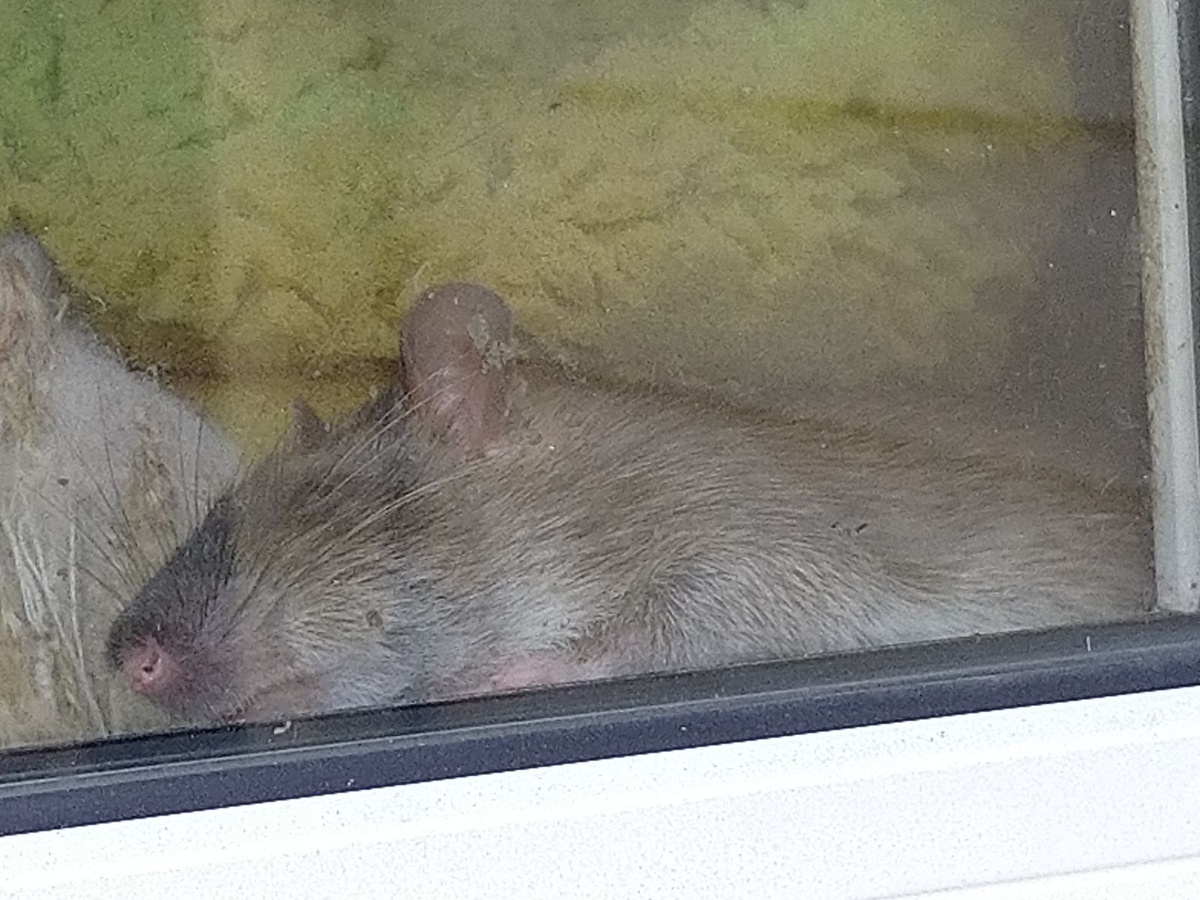
You may find signs upstairs and downstairs because mice can travel through hidden spaces inside your home. Wall cavities, gaps around pipes and cables, and spaces between floors can connect different rooms. These routes let them move without crossing an open hallway or staircase. That is why you may hear scratching above one room but find damaged packaging somewhere else.
The room where you notice activity may not be where they entered or built a nest. They may rest in one sheltered space and travel elsewhere for food. Signs on two floors do not prove that there are two separate nests. The building’s layout helps explain how those areas connect.
At Skedaddle Humane Wildlife Control in Pittsburgh, we inspect those connections and look for the route into your home. You should leave hidden spaces, waste, and suspected openings untouched and call our team. We explain how movement happens, which signs matter, and why inspection comes before removal or sealing. Our goal is to address the access that allows activity to continue.
How Do Mice Move Between Floors in a House?
Mice travel between floors by utilizing wall cavities, gaps around utilities, and spaces between floor supports. Excellent climbers capable of squeezing through tiny openings, they easily navigate concealed structural pathways. Although wood framing can create obstacles, utility gaps often connect these hidden areas. Consequently, scratching heard in one room may stem from activity near an entry point located elsewhere in your home.
Hidden Wall and Floor Spaces Provide Cover
You may hear movement on more than one floor because hidden building spaces can connect different parts of the house. These spaces provide cover, allowing mice to travel without crossing a hallway or entering the middle of a room. Their route depends on the openings in the framing and any barriers between levels. Our team examines these connections to establish where activity is occurring and how the spaces are being used.
- Wall Cavities: Wall cavities are the hollow spaces behind drywall and between the wood supports called studs. Openings at the top or bottom may connect them with ceiling spaces, floors, or nearby utility routes. Where those connections are accessible, these animals may climb between levels without appearing in a room. We assess the evidence around those openings rather than assuming every wall provides a clear path through the house.
- Spaces Between Floors: The supports beneath an upstairs floor leave spaces that may also contain plumbing, wiring, and ductwork. Accessible sections can provide sideways routes above the ceiling of the room below. This means scratching over the kitchen could come from movement toward another part of the house. Our inspection helps separate the place where you hear activity from the entrance, travel route, or resting area.
- Small Connecting Gaps: A narrow gap around framing or a service opening may link spaces that otherwise appear separate. Because of their small size, mice may continue through openings that are easy to overlook. Several connected gaps can allow movement between a basement, wall cavity, and upper floor without a visible sighting. Our team checks those connections so the plan addresses the route rather than just one room.
Pipes and Cables Can Link Different Levels
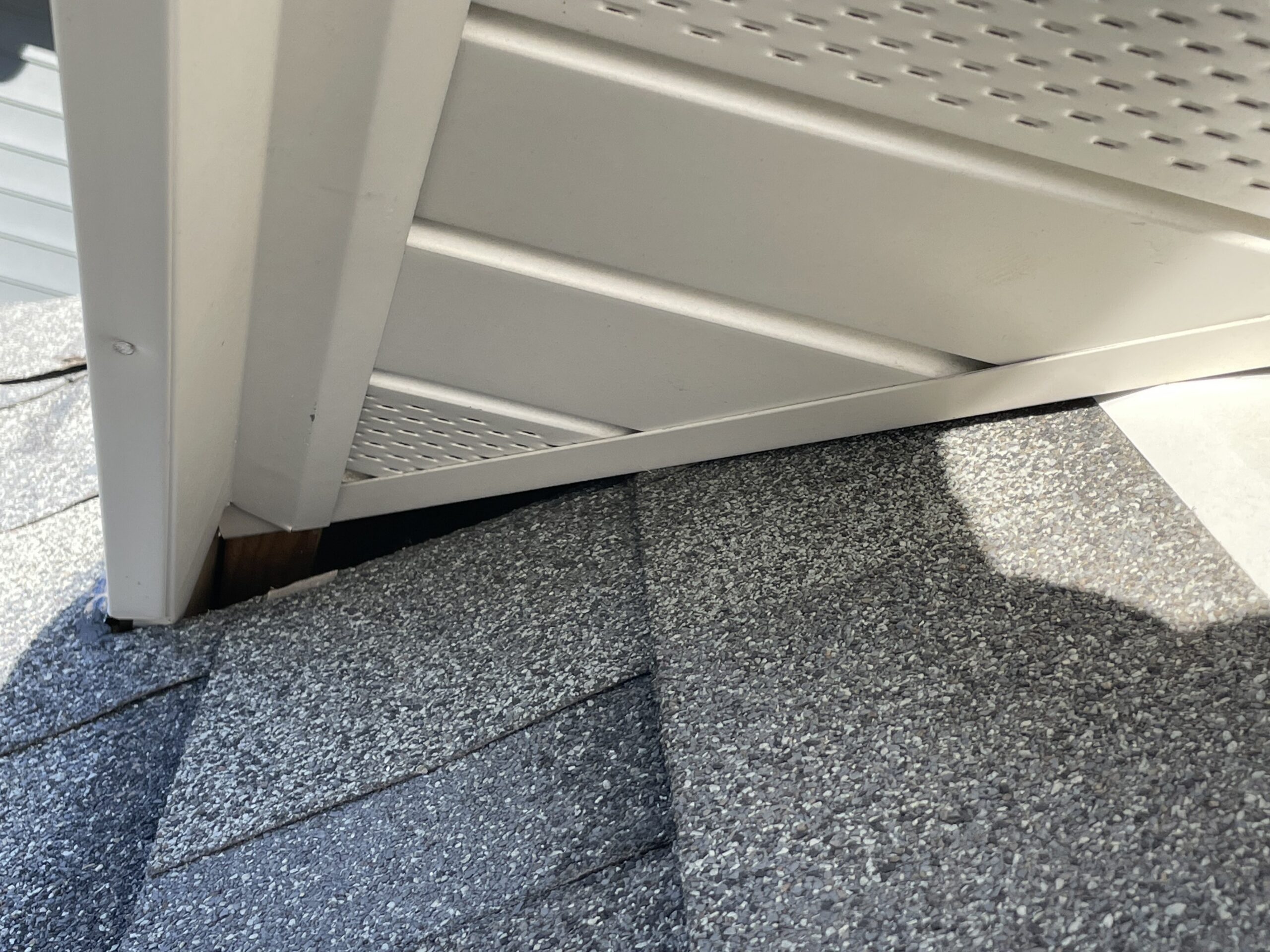
Pipes and cables often pass through several parts of a home to serve kitchens, bathrooms, and other rooms. The spaces around these services may connect wall cavities with areas beneath floors or above ceilings. An opening beside a pipe can provide a travel route even when the pipe itself is in good condition. We examine how these services pass through the building and where accessible gaps remain.
- Plumbing Openings: Plumbing lines may run from the basement toward bathrooms, kitchens, and laundry areas on upper floors. Holes made for those pipes can leave space around the edges, creating access to concealed areas. Activity near a plumbing line usually calls for an assessment of the surrounding gap rather than an assumption that movement is happening inside the pipe. Our team checks those openings and compares them with evidence elsewhere in the home.
- Cable and Wiring Openings: Electrical and communication cables pass through holes in framing as they connect rooms and levels. When space remains around those holes, it may provide access between hidden building cavities. Marks or damage near wiring need professional attention because appearance alone does not establish the condition of the cable. We assess the access route and explain when a qualified electrician should examine affected wiring.
- Utility Shafts: A utility shaft is an enclosed space that carries pipes, ducts, or other services through a building. Depending on its design, accessible openings may connect several floors or nearby wall cavities. Barriers can interrupt these routes, so a shaft does not always provide a clear passage from bottom to top. Our team checks the layout and signs of use before deciding which areas require protection.
Covered Routes Reduce Visible Sightings
You may find signs of activity without seeing mice cross a room because they often travel along sheltered edges and through concealed spaces. A route behind a cabinet or inside a wall offers more cover than an open floor. Their small size allows them to use accessible gaps, while climbing ability can help them reach areas above ground level. These features explain how movement can occur throughout a home with few visible sightings.
Activity often happens at night when rooms are quiet and fewer people are moving around. You may hear brief scratching or scurrying, followed by silence as they move farther along the route. Building materials can also soften sounds, making activity harder to notice in some rooms. A quiet day or night does not establish that the home is clear.
They may leave a concealed route briefly to reach food, then return to a sheltered space. Damaged packaging in a kitchen may therefore appear far from the place where they rest or nest. Signs on different floors can reflect connected travel rather than separate problems in each room. Our team compares the findings across your home to assess that pattern and locate relevant access points.
Kitchens, Ceilings, and Basements Offer Different Clues
You may notice damaged packaging in the kitchen, scratching overhead, or evidence near a basement wall. Each sign can reveal where activity has occurred without showing the full route through the home. The location of a sound or dropping does not automatically identify an entrance or nest. We compare evidence from different areas before planning removal, cleanup, and prevention.
- Kitchen Signs: Damaged food packaging, droppings, and dark marks near cabinet edges may suggest feeding or travel activity. These signs can appear where a hidden route opens into an accessible food area. They do not establish whether a nest sits behind the cabinet, inside a wall, or on another floor. You should leave waste and affected materials untouched while our professionals assess the surrounding spaces.
- Ceiling Signs: Repeated scratching, light tapping, or scurrying may point to movement in a concealed space overhead. Sound can travel through framing, so the loudest spot may be some distance from the source. Stains and unusual odors also deserve assessment, but they may come from moisture or other building concerns. Our team compares what you hear with physical evidence instead of identifying the cause from sound alone.
- Basement Signs: Droppings, gnaw marks, or disturbed materials near foundation edges and service openings may help reveal access. These locations can connect an exterior entrance with routes leading into walls or upper floors. However, a visible gap does not prove that it is currently being used or that it provides the only entrance. We compare basement findings with evidence throughout the relevant parts of the house.
A Full Inspection Comes Before Sealing
You may want a visible opening closed quickly, but our team first needs to establish how it connects with current activity. An indoor gap may be part of a travel route while a separate opening allows entry from outside. Closing the wrong area too soon can leave occupants inside or allow access to continue elsewhere. We assess the relevant spaces before planning humane removal and permanent protection.
- Find the Exterior Entrance: An opening behind a cabinet is different from a gap that leads into the house from outdoors. Securing the cabinet area alone may leave the original exterior entrance available. These animals may then continue using hidden spaces or reach another room through a different connection. Our team examines relevant exterior areas alongside indoor evidence to locate the access that needs attention.
- Check Connected Spaces: A quiet opening does not confirm that every occupant has left the space behind it. Resting areas may sit farther along a wall or floor cavity than the visible gap suggests. Our assessment considers ongoing activity, nesting evidence, and dependent young that cannot leave on their own. We use those findings to plan removal before completing permanent closure.
- Plan Suitable Protection: Protection must suit the opening, surrounding materials, and services passing through the area. Work around vents, pipes, and cables must preserve their proper function rather than simply cover every visible gap. Our team selects an approach based on the access found and identifies damage that needs another qualified professional. This helps address entry while accounting for the building’s repair and maintenance needs.
Pittsburgh homes have varied layouts, including older houses, row homes, and properties expanded through additions. Changes to plumbing, wiring, or room layouts can create connections that differ from the original design. A route serving one part of the home may pass through concealed spaces beside another room or floor. Our team builds the inspection and prevention plan around those details rather than relying on the home’s age alone.
Mice Issues in Pittsburgh Homes
You may notice scratching above a kitchen, damaged packaging upstairs, or droppings near a basement wall. In Pittsburgh homes, these signs may connect through hidden spaces around pipes, cables, and floor supports. Older houses may have gaps where materials have shifted or services have been replaced. Newer homes can also have openings that allow access, so age alone does not explain the problem.
Row homes and houses with additions can have layouts that make hidden movement harder to trace. A pipe serving an upstairs bathroom may pass through spaces near a downstairs kitchen or basement. However, nearby rooms do not always share an open route, and a shared wall does not prove movement between properties. Our team checks the building’s actual connections before deciding which areas need attention.
As cooler weather arrives in Pittsburgh, sheltered indoor spaces may offer protection from outdoor conditions. Once inside, these animals may travel between a quiet nesting area and places where food is available. You may find signs on several floors without seeing them cross a room or staircase. We assess those signs together to locate access, check occupied spaces, and plan work suited to your home.
Close the Hidden Routes with Skedaddle
At Skedaddle Humane Wildlife Control in Pittsburgh, we assess more than the room where you first notice activity. Our professional wildlife team examines relevant exterior openings and connected indoor spaces to understand how movement is happening. We look for evidence of nesting, ongoing activity, and dependent young before choosing a removal approach. You receive a clear explanation of our findings and the work needed to address them.
Where suitable, we install our one-way doors to allow mice to leave while preventing them from re-entering. Our removal plan accounts for dependent young and any occupants that cannot use an exit on their own. We check that the removal process is complete before permanently securing the relevant openings. This helps us address access without leaving occupants enclosed inside walls or floor spaces.
Our team also handles professional cleanup of affected waste and nesting materials where needed, so you do not have to touch them. We protect identified entry points with materials suited to the surrounding structure and building services. If we find damaged wiring, plumbing, or other concerns outside our work, we explain when another qualified professional is needed. Inspection, humane removal, cleanup, and exclusion work together to reduce the chance of recurring activity.
Frequently Asked Questions
Does activity on two floors mean there are two nests?
No, signs on two floors do not prove that there are two separate nests. They may use one sheltered resting place and travel through hidden spaces to reach food on another level. Droppings or damaged packaging show where activity has occurred, but they do not reveal every occupied area. Our team compares evidence across the home to assess nesting locations and the routes connecting them.
Can a newer home have hidden travel routes?
Yes, newer homes can have accessible gaps around pipes, cables, and other building services. Openings left during construction or later installation work may connect walls with spaces between floors. A newer appearance does not tell you whether those concealed connections are secure. We inspect the relevant openings and explain which areas show activity or need protection.
Do quiet nights mean the home is clear?
No, a few quiet nights do not confirm that every occupant has left. Movement may happen farther from the room where you usually hear it, or sound may be muffled by building materials. They may also remain in a resting area without making noise you can hear. Our team checks activity and occupied spaces before completing permanent closure.
Does an upstairs sighting reveal the entrance?
Not necessarily, because an upstairs sighting may occur far from the opening into your home. They can use accessible wall spaces and utility gaps to travel from another level. The room where you see them may be a feeding area or part of a travel route rather than the entrance. We compare indoor evidence with exterior openings to establish how access is occurring.
Stop Hidden Movement at the Source
You may notice signs on several floors because hidden wall spaces, utility openings, and floor cavities connect parts of your home. These routes can allow movement without frequent sightings. A kitchen clue or ceiling sound shows only part of the picture. It does not reveal every entrance, resting place, or occupied space.
You should leave waste, hidden spaces, and suspected routes untouched and contact our team. Closing an opening before an activity check may leave occupants inside. A quiet night does not confirm that the home is clear. Inspection helps us plan removal and protection around what is actually happening.
At Skedaddle Humane Wildlife Control in Pittsburgh, we assess the connected areas and explain our findings. Our team handles humane removal, professional cleanup where needed, and protection of identified entry points. We also flag repair concerns that need another qualified professional. Contact us to schedule a professional assessment or request an estimate to learn more.

 Loading...