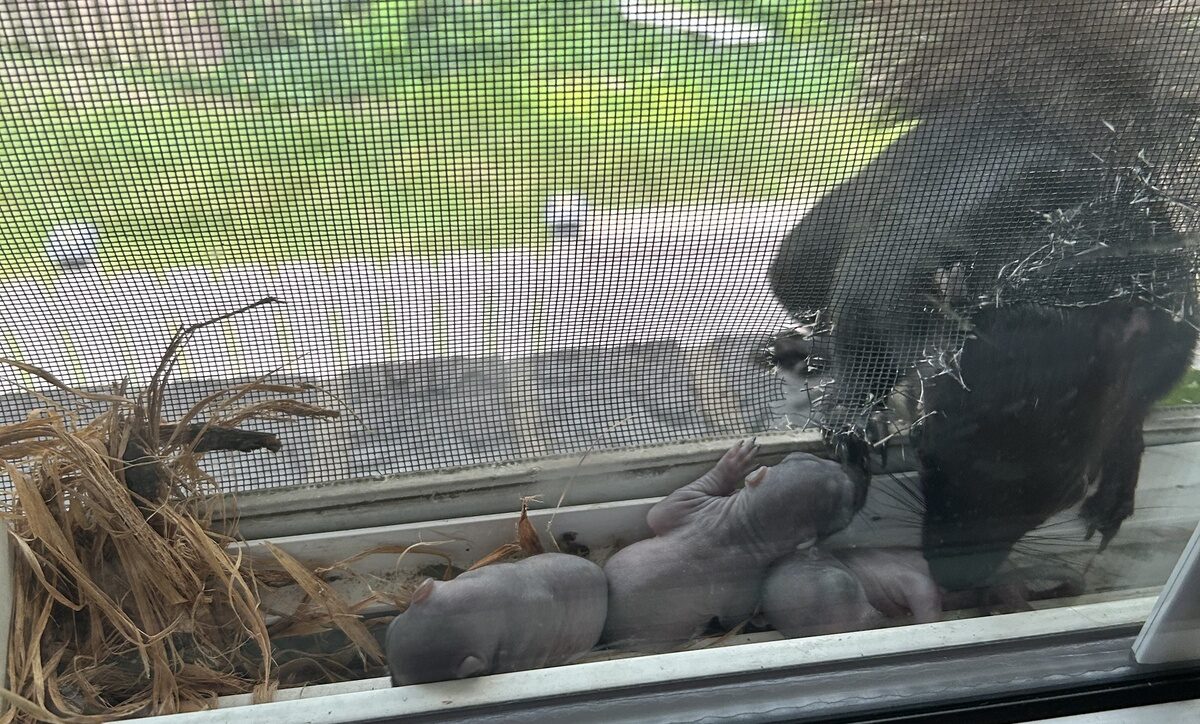
You may hear squirrel activity from the attic, a wall space, or a connected area because framing can carry sound away from its source. Running above the ceiling may point toward movement in the roof space. Scratching beside a wall can guide the inspection, but neither sound confirms where an occupant is resting or nesting.
The timing and pattern of the noise provide useful clues. Morning movement across several rooms raises different questions from scratching that seems fixed beside one wall. Even so, volume cannot establish how many occupants are present, and chewing sounds cannot reveal which material is being damaged.
At Skedaddle Humane Wildlife Control in Columbus, Ohio, we compare what you hear with entry routes and physical evidence. You should not enter the attic, open a wall, disturb insulation, or seal a suspected entrance. We explain how sound can travel, which observations help our team, and why the full property needs assessment before removal and prevention work begins.
What Time of Day Are Squirrels Active in an Attic?
Squirrels are usually active during daylight, especially in the morning and late afternoon, though schedules vary. Weather, household noise, and quiet periods affect when movement is heard, meaning timing alone cannot confirm nesting locations. Skedaddle Humane Wildlife Control compares reported sound patterns with physical evidence and entry points to guide thorough inspections rather than relying solely on the clock.
The Clock Provides Context, Not a Diagnosis
You may hear movement most clearly when the house is quiet, even if activity also happens at other times. The pattern can help us decide which spaces and routes deserve attention. Tell us what you notice during normal use of your home without approaching a suspected opening.
- Movement Near the Start of the Day: Scurrying heard as the household wakes may involve movement through the roof space or departure from shelter. The sound can seem louder because the rooms below are still quiet. It does not establish whether a nest sits above that room or whether the route continues elsewhere. Our team compares the timing with physical evidence and exterior access.
- Sounds During Quiet Afternoon Periods: Intermittent scratching or running may become noticeable during a quieter part of the afternoon. Some movement may involve travelling, gathering material, or returning to shelter. You cannot determine which activity is happening from timing alone. We assess the relevant spaces rather than assuming every afternoon sound marks a return to a nest.
- Changes in the Usual Pattern: Weather or disturbance may change activity and which parts of the building are used. A sound outside the expected pattern should be assessed rather than dismissed. The change may also reflect how easily noise reaches your living areas. Our team considers the full pattern alongside the evidence found at the property.
Overhead Movement Can Point Toward the Roof Space
Movement that seems to cross the ceiling can help focus an attic inspection. However, the roof space may connect several rooms, and sounds can travel beyond the place where movement occurs. We assess those connections before deciding whether the noisy area contains shelter or simply a travel route.
- Scurrying Across Several Ceiling Areas: Shifting sounds may suggest movement through connected parts of the roof space. One occupant can travel far enough to be heard in more than one room. That pattern does not establish that several are present or that every room has a nest above it. Our team checks the route and evidence of how the spaces are used.
- Scratching Near the Ceiling Edge: Sounds near an overhang may guide attention toward a roof-edge connection. The entrance could still be on another part of the roofline. Framing can carry movement toward the room where you hear it most clearly. We assess the opening and connected areas rather than assuming the source sits directly above the wall.
- Rustling or Light Tapping: Movement near insulation or gathered nesting material may create softer sounds than running across a hard surface. Light tapping can also be difficult to identify from the room below. It should not automatically be described as nuts rolling or nest building. Our professionals assess the physical evidence where accessible to establish the likely source.
Wall-Side Scratching Does Not Prove a Nest Behind the Surface
A wall may contain a travel route, resting space, or sound carried from the attic above. The apparent location gives us a starting point without confirming what sits immediately behind the surface. Our inspection compares the sound with the building’s layout and available evidence.
- Movement That Seems to Travel Up or Down: Scratching may seem to move vertically beside a wall. That can guide assessment of nearby connections, but the sound’s direction may be distorted by framing. You cannot map the exact route by listening from one room. Our team checks how the wall area connects with the roof and other relevant spaces.
- Repeated Noise in One Spot: A fixed sound location may reflect a resting area or a place where movement is heard especially clearly. It does not automatically prove a nest or a trapped occupant. Repetition also cannot establish whether the same individual causes every sound. We assess access and occupancy before deciding what the location means.
- Sounds Near Vents or Room Corners: Roof-edge, ceiling, and wall connections may bring sound toward a vent or corner. Noise beside a vent does not prove that anything is inside its duct. The source may be in a nearby cavity or above the room. Our team assesses the feature and connected spaces without asking you to remove covers or wall material.
One Sound Can Be Heard in Several Rooms
Framing connects different parts of a home and can transmit movement across room boundaries. A sound generated near one roof edge may be heard beside another wall. Insulation and wall finishes can soften or change it along the way.
The loudest room may therefore be some distance from the entrance. Moving closer to a wall does not establish that the source is immediately behind it. Sound may reach that surface more clearly than other parts of the room.
Our team compares observations across the building rather than focusing only on the loudest spot. We assess the physical connections and evidence where accessible. You should not tap, drill, cut, or remove materials to locate the source yourself.
Noise Cannot Establish Numbers or Damage
One squirrel moving across hard surfaces may sound larger or more numerous than expected. Steps and scratching can carry through framing and seem spread across a room. Volume is not a reliable way to count occupants.
Chewing sounds also do not identify the material being damaged. They cannot confirm wiring damage, structural weakness, or the amount of disturbed insulation. Those concerns need physical assessment rather than an assumption based on noise.
Our team checks accessible materials and explains what the findings show. If an electrical or structural concern is identified, another qualified professional may need to assess it. You should leave affected areas untouched rather than entering to investigate the sound.
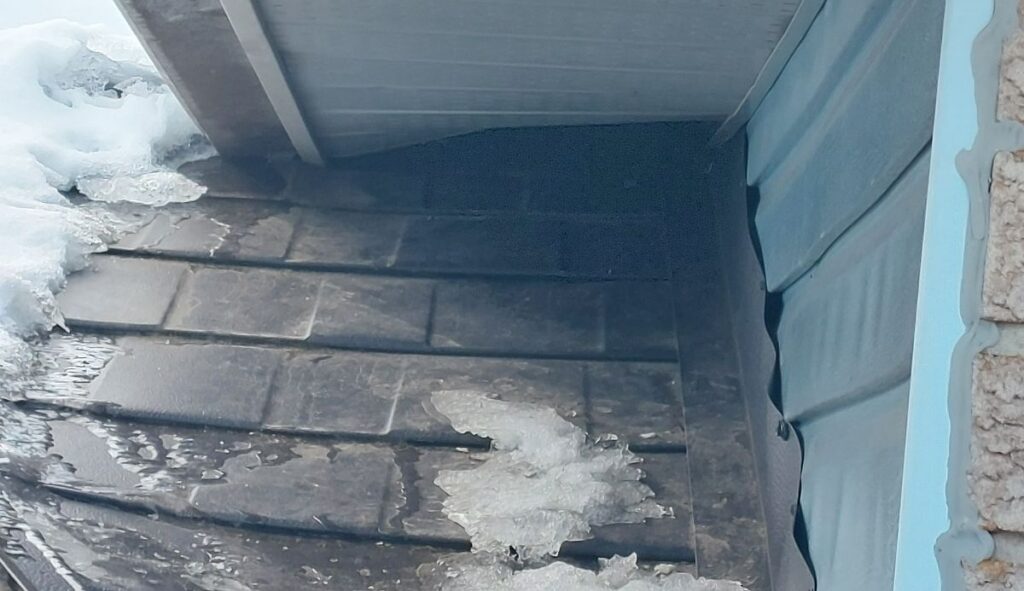
The Entry Route May Be on Another Part of the Roof
Damaged vents, loose soffits, fascia gaps, and roof transitions may provide access. The soffit forms the underside of a roof overhang, while fascia runs along its outer edge. Their condition and connection with the interior determine whether a gap can be used.
An entrance may lead to attic or wall spaces beyond the first room where noise is heard. The layout varies between homes, especially where additions or changing roof heights create other connections. Not every opening leads to the same kind of sheltered area.
Our team compares suspected entrances with evidence of use. A visible gap may need protection without currently being active. You should not climb or cover it based only on where the sound seems to originate.
Resting, Travelling, and Nesting Need Different Assessment
Repeated movement can reflect travel between feeding and shelter. A route may pass above a room without containing the main resting place. The first sound you notice may reveal only one part of the activity.
Quiet periods can occur while occupants rest or use another area. Dependent young may also remain hidden while an adult leaves. Neither silence nor one visible departure confirms that the building is empty.
Our removal plan follows the confirmed use of the space. We assess access, nesting evidence, and the occupants’ ability to leave before exclusion begins. Wall noise during a particular season should not be treated as proof of a hidden litter.
A Full Inspection Connects the Clues
Our team uses your sound report as a starting point for the property assessment. Physical evidence helps establish the likely occupant, entry routes, and affected areas. The findings guide removal and prevention rather than a guess based on timing or volume.
- Exterior Routes and Openings: We assess roofline gaps and signs that a route has been used. Damage may be active, old, or unrelated to the reported noise. Nearby vulnerabilities may also need attention even if they are not current entrances. Our team checks beyond the most obvious opening and explains the distinction.
- Relevant Interior Connections: Attic, roof-edge, and wall connections may help explain where sound travels. We assess accessible areas and compare their evidence with exterior findings. Some spaces may have access limits that require further assessment. The plan does not assume that opening a wall is necessary simply because scratching is heard beside it.
- Nesting Evidence and Dependent Young: Gathered material and signs of sheltered use may help locate an occupied resting or nesting area. Its condition needs assessment before conclusions are drawn. Dependent young must be accounted for because they may be unable to leave independently. Our team checks these needs before choosing the humane removal approach.
- Damage, Cleanup, and Exclusion Needs: Waste, disturbed insulation, and visible chewing damage may require professional attention. The extent varies, so not every occupied attic needs the same restoration work. Our team explains which materials are affected and what protection is appropriate. You should leave all handling, cleanup, and installation work to our professionals.
Columbus Home Layouts Can Change Where Noise Seems to Start
Columbus homes have varied rooflines, additions, and attached garages. Those features can create different connections between attic and wall areas. The layout affects both access and how sound reaches living spaces.
Nearby trees may provide context for roof activity without proving indoor entry. Older and newer properties can both have vulnerable openings or remain secure. Age alone does not establish the cause of scratching.
Our team assesses the individual building and the evidence found there. We connect your observations with relevant entry points and occupied spaces. The plan follows the actual property rather than a general assumption about its neighborhood or style.
Trace the Activity and Protect the Home With Skedaddle
Our professional wildlife team assesses sound patterns, entry routes, occupied spaces, and affected materials. We establish the findings before squirrel removal begins. Dependent young and other occupancy needs are part of that assessment.
Where suitable, our one-way doors allow wildlife to leave but prevent re-entry. Occupants unable to reach or use the exit independently require an appropriate approach. We confirm that the relevant space is clear before completing permanent exclusion.
Our team assesses professional cleanup, sanitation, and restoration needs where materials are affected. We then secure relevant access points with durable protection. At Skedaddle Humane Wildlife Control in Columbus, Ohio, we explain how the work addresses both indoor activity and the routes that made it possible.
Frequently Asked Questions
Can attic movement sound like scratching inside a wall?
Yes, framing and connected roof spaces can carry sound toward a wall. The movement may seem closer to that surface than it actually is. Insulation and wall finishes can also change what you hear. Our inspection compares the apparent location with physical evidence.
Does scratching in one place mean an occupant is trapped?
No, repeated scratching at one spot does not prove an occupant is trapped. The area may be used for resting or travel, or sound may carry clearly there. Access and occupancy need assessment before that conclusion is made. Our team checks the relevant spaces and available routes.
Does a quiet week mean the space is empty?
No, activity may shift or occur at times when nobody hears it. Resting occupants can also remain quiet for long stretches. A lack of sound does not rule out dependent young or use of another route. Our team assesses occupancy before permanent closure.
Should an opening beside the noisy room be sealed first?
No, the opening’s connection and current use must be established. The actual entrance may sit elsewhere, or occupants may remain beyond the visible gap. Sealing it too soon could interfere with the removal plan. Permanent protection follows assessment and appropriate clearance.
Find the Source Before Closing the Route
You may hear movement from an attic, wall space, or connected area because sound travels through the building. Timing and apparent location provide useful clues, but they cannot establish the source with certainty. Volume also cannot reveal occupant numbers or confirm damage to specific materials.
Repeated scratching or scurrying deserves professional assessment rather than a guess from the room below. You should not enter hidden spaces, open walls, touch affected materials, or seal suspected entrances. A quiet opening does not confirm that all occupants have left. Our team checks the occupied area and relevant access routes before removal and permanent closure.
At Skedaddle Humane Wildlife Control in Columbus, Ohio, we compare your observations with the property findings. We provide humane removal when needed, professional cleanup, and exclusion suited to the building. The plan addresses confirmed activity and relevant vulnerabilities rather than only the loudest room. Contact us to schedule a professional assessment or request an estimate to learn more.

 Loading...








