Birmingham Wildlife Removal
PROUDLY SERVING •
Birmingham, Mountain Brook, Homewood, Vestavia Hills, Hoover, Trussville, Chelsea, Pelham, Alabaster, Helena, Gardendale



Skedaddle Birmingham — humane, permanent wildlife exclusion across central Alabama
No traps. No poison. Permanent exclusion.
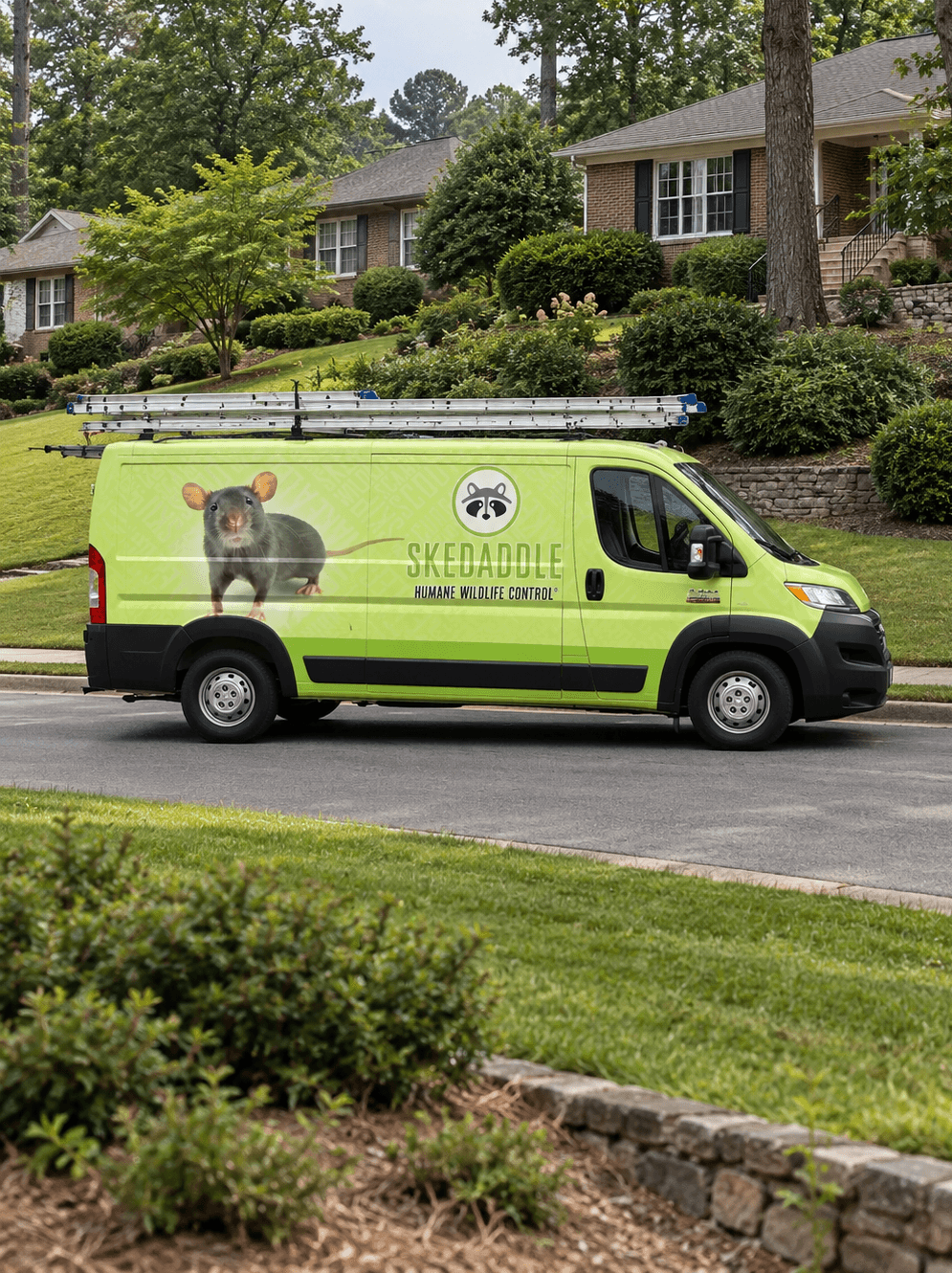
Skedaddle Humane Wildlife Control handles humane wildlife removal across the Birmingham metro with one local team. Every job is exclusion-based: animals are removed alive, every entry point is sealed with heavy-gauge material, and that seal carries a lifetime guarantee on all workmanship and materials. Attics that housed wildlife are decontaminated and restored as part of the work. Every job begins with a full interior, exterior, attic and roofline inspection and an itemized quote on site.
At A Glance
Service area: Birmingham core plus Mountain Brook, Homewood, Vestavia Hills, Hoover, Trussville and area.
Species handled: Raccoons, squirrels, bats, rats, mice, skunks and birds.
Inspection: Full interior, exterior, attic and roofline assessment before any quote.
Method: Live removal, one-way doors where appropriate, permanent sealing.
Cleanup: Droppings and nesting material removed, attic decontaminated, soiled insulation replaced where needed.
Guarantee: Lifetime guarantee on all workmanship and materials.
Why Homeowners Choose Skedaddle Birmingham
A statewide territory that opens in Jones Valley
Skedaddle was founded in 1989 by Bill Dowd and has grown across Canada and the United States since. The city sits in Jones Valley, flanked by parallel ridges at the tail end of the Appalachians, drained by Village Creek and Valley Creek toward the Black Warrior River, with the Cahaba River basin beyond Shades Valley to the south. Crews work the full range of housing that terrain holds: pre-war construction closer in, mature-canopy homes Over the Mountain, and new subdivisions on cleared land.
Technicians trained on regulated practice
Field crews follow written internal protocols covering roof safety, attic entry, one-way door placement where appropriate, and material selection. On bats, Skedaddle follows Alabama Cooperative Extension System guidance, which recommends exclusion only outside the April-through-August pupping season so flightless pups are not sealed inside. Wildlife damage control in Alabama also requires a permit: under Alabama Administrative Code Rule 220-2-.27, any business engaged in wildlife damage control must obtain one from the Department before taking, capturing or killing wildlife.
A guarantee that outlasts the invoice
Sealing is where the lasting value of the job sits, so that is what the warranty covers. Every entry point closed by a Skedaddle crew carries a lifetime guarantee on all workmanship and materials. If a sealed opening fails, a crew returns and repairs it. That standard is why the inspection documents every gap in the building before a price is written.
Meet the Team Behind Birmingham's Wildlife Removal

Cody Dennis
Regional Operations Manager
Cody Dennis is the Operations Manager at Skedaddle Humane Wildlife Control, where he oversees daily operations and supports field teams. With a background in operations, customer service, roofing, and maintenance, Cody brings valuable experience in team coordination, problem-solving, and customer relations. Cody's passion for wildlife and his interest in working with animals make his role at Skedaddle particularly rewarding. He takes a hands-on approach to leadership, working closely with his team to deliver effective, humane wildlife solutions. Cody is committed to building strong customer relationships, supporting his team, and ensuring that every job is completed with professionalism and care.
The Mission Behind Skedaddle: Since 1989
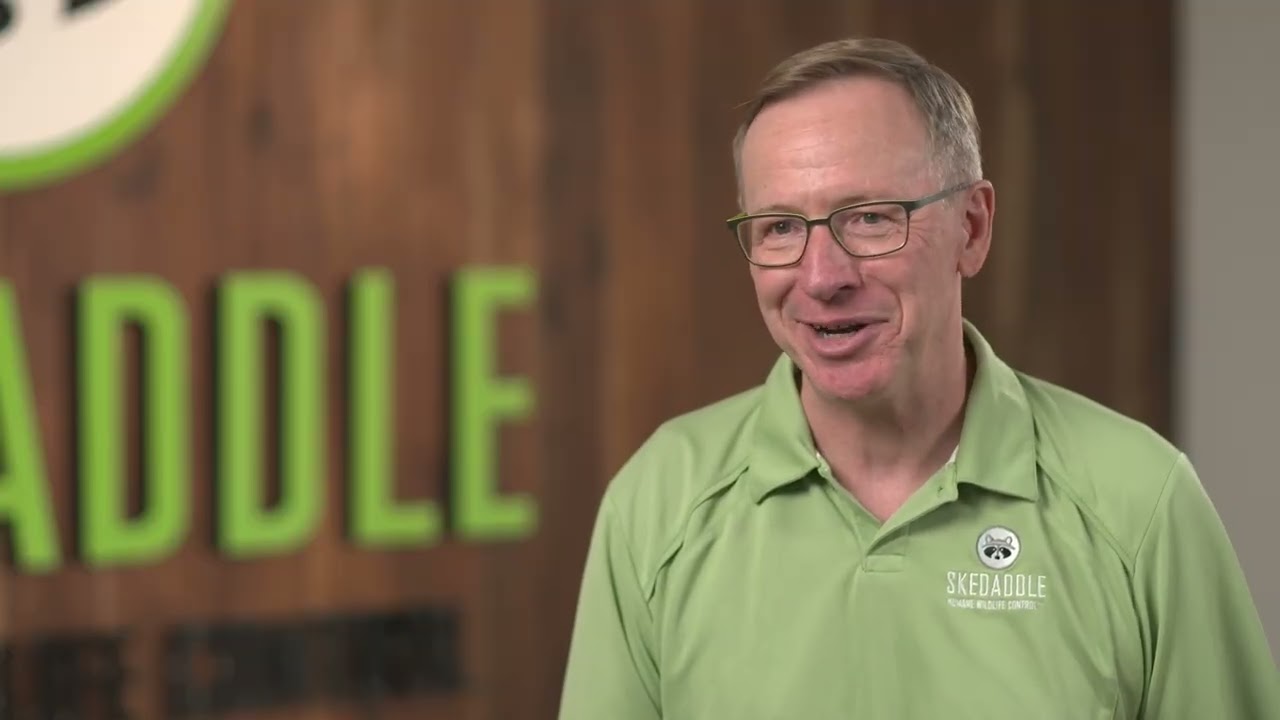
Founder Bill Dowd on why "trap and relocate" fails the homeowner and the animal — and the biology-based method Skedaddle built instead.
Wildlife Control in Birmingham
Mature tree canopy and mild winters keep wildlife close to Birmingham houses all year. Raccoons pry at rooflines and chimneys, squirrels and roof rats travel branches and utility lines to the roof, bats slip through half-inch gaps at vents and loose shingles, and mice and Norway rats work the gaps at foundations and service penetrations. Once inside, they gnaw wiring, soil insulation and, in the case of bats and birds, leave droppings that carry a histoplasmosis risk. Every job pairs live removal with permanent sealing, backed by a lifetime guarantee on all workmanship and materials.

Raccoon Removal
Raccoons will force their way in when they have to. Alabama's nuisance guidance notes they tear off shingles or fascia boards to reach an attic or wall space, and need only a 4-inch gap. In Mountain Brook, Vestavia Hills and Homewood, mature canopy puts them at the rooflines of older homes. In newer subdivisions they den under decks, sheds and porches, and closer in they raid garbage. An uncapped chimney stands in for a hollow tree as a spring natal den, and most litters arrive in April or May. Rabies and raccoon roundworm make droppings a hazard. Raccoon removal in Alabama explains how mothers and young are handled.
Raccoon removal in Alabama
Squirrel Removal
Three species turn up in Birmingham attics: the eastern gray squirrel, the fox squirrel and the southern flying squirrel. Gray and fox squirrels make the daytime noise, while flying squirrels are active after dark, so night-time scratching often gets blamed on rats. Alabama Extension notes gray squirrels breed in February and March and again in July and August, with young in the nest for 10 to 12 weeks, so one attic can stay occupied for months. Once inside they gnaw wiring, pipes and rafters, and damage shows at siding, soffit, fascia and ridge vents. Squirrel removal in Alabama covers the exclusion sequence.
Squirrel removal in Alabama
Bat Removal
Sixteen bat species live in Alabama. Openings as small as half an inch will do, including exposed chimneys, loose shingles, torn vent screens and broken siding, and the older brick and masonry homes of the city core and Homewood offer plenty of them. Timing governs the work: Skedaddle follows Alabama Cooperative Extension System guidance and excludes bats only outside the April-through-August pupping season. Only a small share of bats carry rabies, but Extension advises seeking medical care if a bat is found in a room where someone has slept. Guano carries a histoplasmosis risk, which is why cleanup is part of the job. Bat removal in Alabama explains the window.
Bat removal in Alabama
Rat Removal
Roof rats are the Southern problem, and they behave nothing like their northern cousins. Extension describes them as more aerial than Norway rats, found in trees, vine-covered fences and attics, and entering from the roof or along utility lines, which is exactly what canopy-adjacent rooflines here offer. Norway rats do the opposite, burrowing under foundations and slabs. Mild winters keep both active year-round, and rats spread disease, destroy property and bite, so sealing has to hold up to sustained gnawing. Rat removal in Alabama sets out the plan.
Rat removal in Alabama
Mouse Removal
Mice get in through openings of a quarter inch, so utility penetrations, dryer vents and the sill plate where foundation meets framing are all viable doors, and older, closely built housing offers more of them. The National Pest Management Association places mice among the rodents moving into homes between October and February, which makes fall the time to find the gaps. Sealing and cleanup are done together rather than as separate visits. Mouse removal in Alabama covers both.
Mouse removal in Alabama
Skunk Removal
Skunk trouble is mostly a smell. Alabama's nuisance guidance notes that skunk damage to buildings is odor rather than structural, and that the odor can work into carpets, furniture and clothing and reach rooms several floors away. Skunks den under decks and porches, getting in through foundation openings, and dig three-to-four-inch cone-shaped holes across lawns while hunting grubs, usually stopping after about three weeks. A skunk sprays accurately to roughly ten feet, which is why the work relies on barriers rather than handling. Skunk removal in Alabama explains the method.
Skunk removal in Alabama
Bird Removal
Pigeons, European starlings and house sparrows nest in dryer and bathroom exhaust vents, behind soffits and under rooftop equipment. All three sit outside Migratory Bird Treaty Act protection, so exclusion is straightforward where native species are not involved. A blocked vent is a moisture problem, not just a noise complaint, and the assembly usually needs replacing rather than clearing. Bird removal in Alabama covers nest removal and screened vent replacement.
Bird removal in AlabamaHearing something in the attic or walls?
A single inspection names the animal, finds every way it got in, and puts an itemized quote for removal and permanent sealing in your hands before any work starts. Our Birmingham technicians handle the job from first visit to final seal, with no traps, no poison and no guesswork.
Birmingham Wildlife Calendar
Central Alabama runs on a humid subtropical cycle with a mild winter: the average January low sits around 33°F, and the state sees roughly 35 days a year below freezing. Very little wildlife goes truly dormant, so the year is a series of shifts in pressure rather than an on-and-off season.
| Season | Most active | What homeowners notice |
|---|---|---|
| Spring (Mar–May) | Raccoon litters, squirrel young, bats rearing pups | Chimney and attic noise, daytime sightings, movement overhead |
| Summer (Jun–Aug) | Bat pupping season, second squirrel litter, skunks foraging | Bats indoors, cone-shaped holes in the lawn, daytime squirrel activity |
| Fall (Sep–Nov) | Rodent entry begins, squirrels seeking dens, bat exclusion reopens | Gnawed openings, scratching overhead at night, droppings in cupboards |
| Winter (Dec–Feb) | Rats and mice indoors, raccoon denning, skunk breeding | Sounds in walls, damaged insulation, kitchen and crawl-space sightings |
Regulatory note: Alabama Cooperative Extension System guidance recommends bat exclusion only outside the April-through-August pupping season, and under Alabama Administrative Code Rule 220-2-.27, live-caught animals may not be relocated across a county line or a major river drainage. Both shape scheduling.
This quarter in Birmingham — fall 2026: Book roofline, soffit and vent inspections now so sealing is finished before rodent entry picks up. With pupping season over, bat exclusion is available again. Clear gutters and trim branches back from the roofline.
Suburbs and Neighborhoods Birmingham Serves
The territory runs from Gardendale and Fultondale in the north, through Birmingham and Jones Valley, over Red Mountain into the Over the Mountain communities, and out east and south to Trussville, Chelsea and Helena. Every community is served on the same schedule by the same crews.
Distance is not what decides how a job is scoped. Building age and construction type are. A 1920s bungalow in Homewood, a 1960s split-level in Vestavia Hills and a new build in Chelsea fail in different places, so the inspection follows the building rather than a checklist: soffit returns and fascia on older rooflines, ridge and gable vents on newer ones, foundation penetrations and crawl-space access on both.
Suburb Pages
Mountain Brook · Homewood · Vestavia Hills · Hoover · Trussville · Chelsea · Pelham · Alabaster · Helena · Gardendale · Irondale · Center Point · Fultondale · Clay · Pinson · Tarrant · Bessemer · Fairfield · Hueytown · Pleasant Grove · Midfield
Serving your neighborhood
Our Birmingham technicians cover the whole metro, from Gardendale and Fultondale in the north through Mountain Brook, Homewood and Vestavia Hills to Hoover, Chelsea and Helena in the south.
Skedaddle's Three-Step Wildlife Removal Process

Assess And Remove
We begin with a detailed inspection of your home to identify the wildlife, locate active entry points, and assess the extent of the problem. Our technicians then use proven, species-appropriate methods to remove animals safely and humanely.
Learn more
Clear And Clean
After the animals are removed, we clean and decontaminate affected areas, removing nesting materials, droppings, and other traces left behind. When needed, we also address damaged insulation and help restore the space to a clean, healthy condition.
Learn more
Prevent And Protect
Finally, we identify vulnerable areas and seal confirmed or potential entry points to help prevent wildlife from returning. Our durable exclusion work carries a lifetime guarantee on all workmanship and materials.
Learn moreHow Skedaddle Handles Wildlife Responsibly
One-way doors and exclusion, not lethal removal
Wildlife is removed alive. A one-way door, used where the species and the entry point make it appropriate, lets an animal leave under its own power and blocks it from coming back, which avoids the stress and injury risk that trapping carries. The permanent fix is the seal, not the removal, so crews close every opening before sign-off.
Reuniting mothers with young whenever possible
Spring and late-summer removals usually involve dependent young: raccoon litters in April and May, squirrel young that stay in the nest 10 to 12 weeks, bat pups through the summer. Crews hand-retrieve the young, place them in a heated reunion box near the original entry, and let the mother move them to an alternate den herself.
Decontamination and attic restoration
Wildlife and rodents leave droppings, urine, parasites and soiled insulation behind, and bat guano and bird droppings carry a histoplasmosis risk. Skedaddle removes contaminated material, cleans and disinfects the space, and replaces insulation where required so the attic returns to its original thermal performance.
The lifetime guarantee behind the seal
The warranty is a lifetime guarantee on all workmanship and materials. That is the standard the inspection is built to meet, and the reason crews document every opening before quoting.
Ready to book?
Every sealed opening carries a lifetime guarantee on all workmanship and materials. Book an inspection and we'll identify what you're dealing with before any work begins.
Skedaddle Birmingham: Service Area and Contact
Serving Birmingham and the surrounding territory.
Saturday: 7:00 AM–4:00 PM
Sunday: 9:00 AM–3:00 PM
Frequently asked questions about Birmingham wildlife removal
What wildlife does Skedaddle remove?
Seven species: raccoons, squirrels, bats, rats, mice, skunks and birds. Every removal is paired with permanent sealing of the openings the animal used to get in, and with cleanup of whatever it left behind, so the problem ends with the visit rather than returning next season.
How much does wildlife removal cost?
There is no flat price, and no honest quote can be given over the phone. Cost depends on the species, how many entry points need sealing, how much material that takes, and whether decontamination or insulation replacement is needed. A technician provides an itemized written quote on site before any work starts.
Can bats be removed from my home in the summer?
Not by exclusion. Alabama Cooperative Extension System guidance recommends using one-way doors and funnels only outside the April-through-August pupping season, because adults leave flightless pups in the roost while they feed and sealing the opening would trap them inside. Crews can keep bats out of living space and plan the exclusion during that window, then complete the sealing once pupping season ends.
How quickly can a technician get to my property?
You are given a scheduled arrival window when you book. How soon that window falls depends on crew scheduling and the time of year, and fall is busy because rodents are moving indoors. Call to check current availability rather than assuming a timeframe. Skedaddle Birmingham's hours are Monday to Friday, 6:30 AM to 8:00 PM; Saturday, 7:00 AM to 4:00 PM; and Sunday, 9:00 AM to 3:00 PM.
What does the lifetime guarantee actually cover?
It is a lifetime guarantee on all workmanship and materials. If a sealed entry point fails, a crew returns to repair it. The guarantee applies to the exclusion work, which is why the inspection documents every opening in the building before the quote is written, not after.
Do you relocate animals far away from my property?
No, and Alabama rules limit it. Under Rule 220-2-.27, live-caught animals may not be relocated across a county line or a major river drainage. Skedaddle's method makes distance beside the point: because every entry point is permanently sealed, an evicted animal has no way back in.
Do you clean up after the animals are removed?
Yes, Skedaddle offers cleanup and restoration services when needed. When necessary, droppings, urine, nesting materials and parasites can be removed, affected spaces can be cleaned and disinfected, and soiled attic insulation can be replaced. This matters beyond tidiness: bat guano and bird droppings can pose a histoplasmosis risk, while restoring attic insulation can help improve the attic's thermal performance.
Birmingham Wildlife Resources & Guides
-
 Raccoons
How Skedaddle Safely and Humanely Snares Raccoons
If you hear a scampering, scraping sound in your attic, basement or even in your living area, you may have a wild visitor in…
Read article -
 Squirrels
Where do Squirrels Take Tree Nuts?
Squirrels are cute, playful creatures that are frequently seen in our neighborhoods throughout the summer months. You probably enjoy seeing the animals frolic in…
Read article -
 Bats
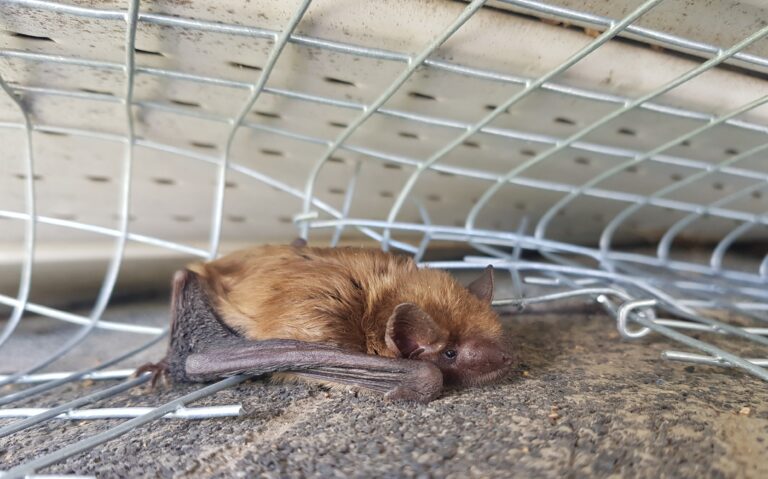
How are Bats Removed?
Having bats in your home can be a disconcerting experience. Roosting animals are often loud and destructive. They also expose you and your family…
Read article -
 Rats
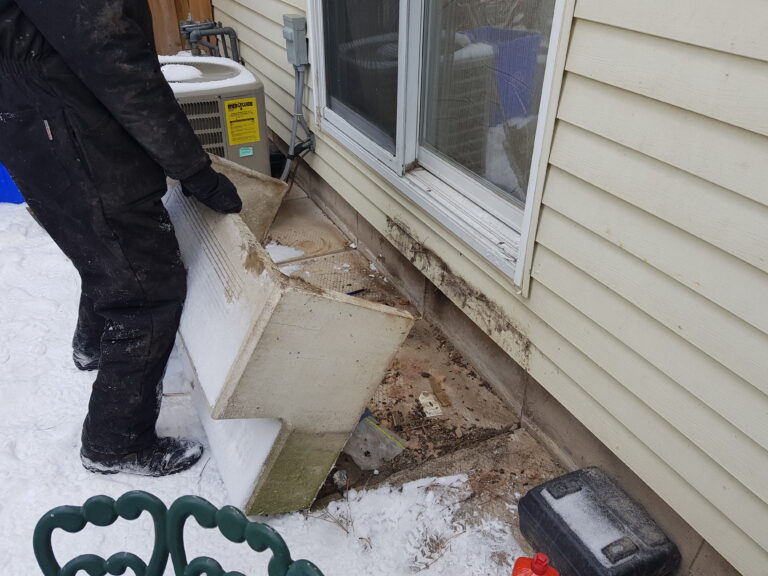
Rats Aren’t Always Front and Centre
Rats have plagued our existence for centuries. As long as there have been cities, there have been rats living in them. They have made…
Read article -
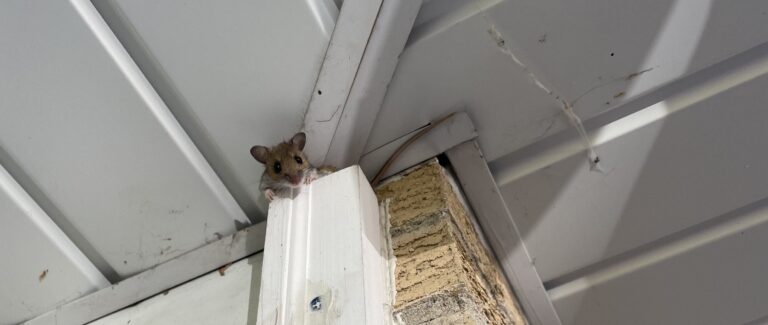 Mice
Where Are the Mice in My Home? 3 Ways To Find Unwanted Rodent Guests Quickly
Over the past few weeks, you've noticed tiny droppings along the walls, holes chewed in pantry boxes, and the sound of skittering and scratching…
Read article -
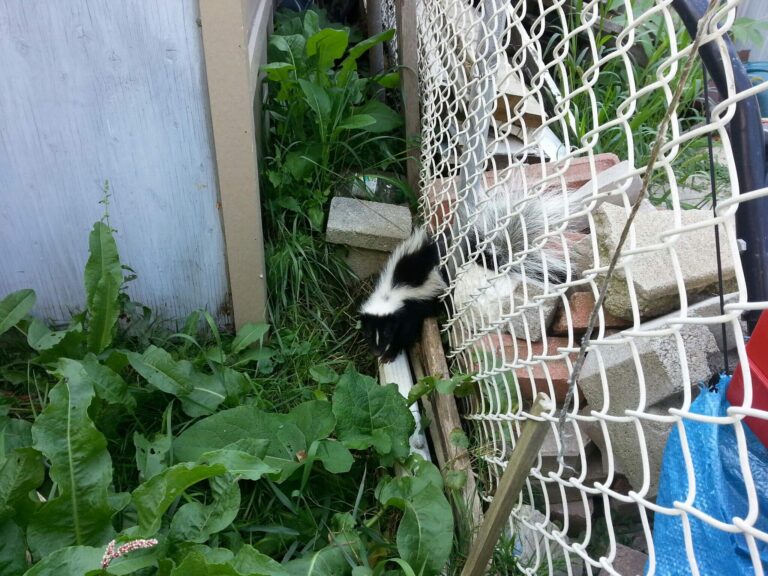 Skunks
3 Reasons Why Professional Skunk Removal is Important
Skunks are generally non-aggressive animals that prefer to be left alone. Unfortunately, if a skunk takes up residence on your property, it increases the…
Read article -
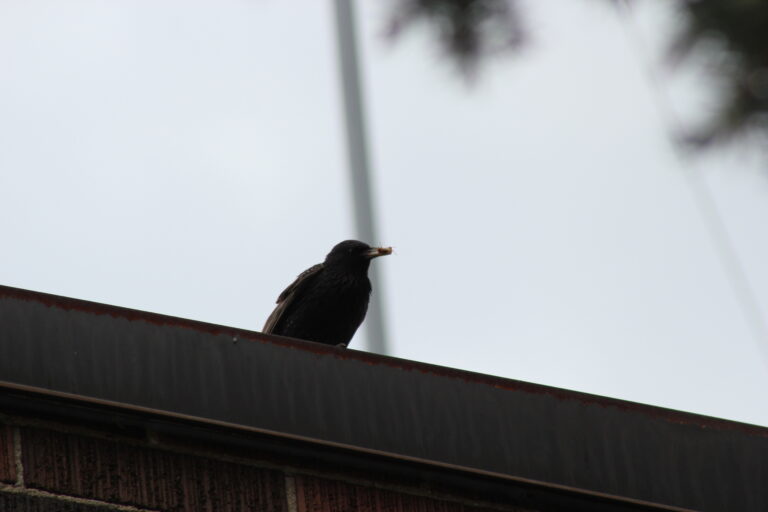 Birds
Bird Watching Tips During Winter!
For birdwatchers, winter often means less time looking for their favourite feathered friends, and more time patiently waiting for their return. Many different species…
Read article
Book your inspection today
If you are hearing scratching above the bedroom ceiling, finding droppings behind the kitchen cupboards, noticing bats at dusk near the roofline, or smelling skunk under the deck, the next step is the same: a full inspection before anyone quotes a price. A technician confirms the species, finds every opening in the building, and writes an itemized plan on site. Removal is humane, and the sealing carries a lifetime guarantee on all workmanship and materials.
