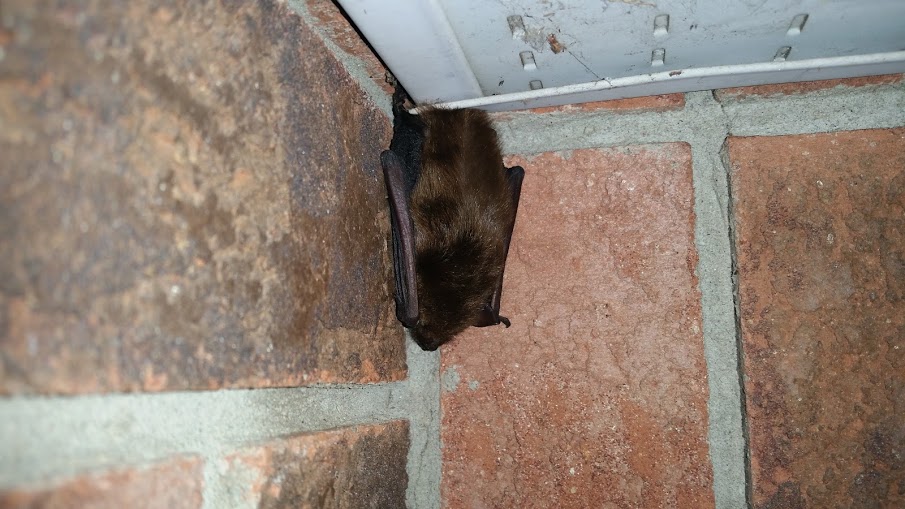
You sealed the gap. You checked the attic. You thought the problem was solved. And then, the following summer, they’re back. If bats have shown up in your home more than once, it’s not bad luck; it’s behavior. These animals are built to return to the same roosting spots year after year, and without the right exclusion work in place, your home will stay on their list.
Bats return to the same home every year because of something called site fidelity – a strong instinct to go back to a place where they’ve successfully roosted before. Your attic or wall cavity gave them exactly what they needed: warmth, shelter, protection from predators, and a stable place to raise their young. They remember it, and they come back. Their offspring learn the same location and return to it as well, which is why the problem tends to get bigger rather than smaller over time.
At Skedaddle Humane Wildlife Control in Columbus, we deal with repeat bat situations every season. In this blog, we explain exactly why these animals keep coming back, what makes your home such a reliable target, and how our team removes them and seals every entry point so that this is the last time you deal with this problem.
What Do Bats Hate the Most in the House?
Bats dislike disturbance, light, and strong airflow, but none of those things are reliable or legal ways to remove them from your home. The only effective and legal solution is professional exclusion: allowing them to leave through one-way devices and then permanently sealing every entry point so they can’t get back in. Anything short of that is temporary, and these animals will find their way back.
In Ohio, bats are protected under state and federal wildlife regulations, which means you cannot harm them, destroy an active roost, or remove them during maternity season when young are present. Attempts to use lights, fans, or other deterrents inside an active roost often just push them deeper into the structure rather than out of it. The result is more damage and a harder removal job.
Our team at Skedaddle handles bat exclusion in full compliance with Ohio regulations. We assess the roost, identify the maternity season status, install one-way exclusion devices at the active entry points, and seal every gap on the exterior once the colony has left. You should never attempt to handle these animals or disturb an active roost. Call our team and let us manage the process the right way.
Extreme Site Fidelity: Why They Always Come Back
Bats have a strong habit of returning to places where they have lived before. If they find a safe place to rest and raise their young, they remember it for years. This behavior is called site fidelity, and it is one of the main reasons these animals return to the same home every season. Unless every entry point is sealed, they will often keep trying to get back inside.
- Bats Remember Safe Roosts: These animals have an excellent memory for places where they have stayed safely before. Once they find a warm, quiet attic or roof space, they add it to their mental map. Instead of looking for a new home each year, they often return to the same spot.
- Mother Bats Return to Raise Their Young: Female bats are especially likely to return to the same place where they gave birth. These spaces, called maternity roosts, provide a safe place for young bats to grow. If bats raised pups in your attic last year, the same group may try to return when the next breeding season begins.
- The Colony Can Grow Every Year: Young bats born in your attic often remember that location as a safe home. As they get older, they may come back and join the colony. Without professional exclusion and permanent sealing of every entry point, the number of bats can continue to grow from one season to the next.
Ideal Microclimates: Why Your Attic Is Perfect for Them
Bats are very specific about the conditions they roost in, and your attic checks every box. During summer, an attic heats up significantly during the day, which creates the warm microclimate these animals need to raise their young. Bat pups can’t regulate their own body temperature when they’re born, which means a warm, stable roosting environment isn’t just comfortable, it’s essential for the pups’ survival.
The temperature stability of your attic is part of what makes it so attractive compared to natural roosting sites like tree cavities or rock crevices. Natural sites are exposed to weather fluctuations that attics simply aren’t. A colony that has found a warm, dry, stable attic space will return to it every year rather than risk an outdoor roost that may not offer the same conditions.
Columbus summers provide exactly the heat levels these animals look for in a maternity roost. Attics in the city’s older neighborhoods, where insulation levels may be lower and heat builds up faster, are among the most consistently attractive roosting environments our team finds during inspections. The warmer the attic gets during the day, the more reliably it will be targeted as a maternity site season after season.
Lingering Scent Pheromones: The Invisible Invitation
Even after bats leave for the winter, they leave something behind that brings them back: scent. These animals produce pheromones that mark their roosting sites, and those scent markers stay in the attic, wall cavity, or soffit long after the colony has gone. When they return in spring, they follow those scent trails back to the same location as reliably as a map.
This is one of the most important and overlooked reasons why bat problems repeat. A homeowner who seals the entry point without cleaning and treating the roosting area may stop the colony from getting back in, but the scent signal remains inside the structure. That signal keeps attracting new scouts to the exterior of the home, and they’ll keep testing the roofline for a way in until they find one.
Our team addresses this as part of the full removal and cleanup process. After the colony has exited and every entry point has been sealed, we clean and treat the roosting area to neutralize the pheromone signals left behind. Removing those signals is a critical step in making sure the same spot doesn’t keep pulling them back year after year.
Protection From Predators: Safety Is the Main Draw
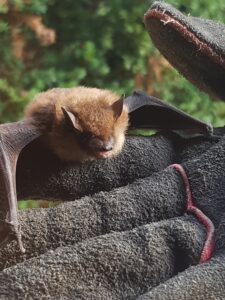
Your attic gives bats something that very few natural roosting sites can offer: complete protection from predators. Hawks, owls, and other animals that prey on bats can’t reach a colony that’s roosting inside a sealed attic space. For a mother raising pups that can’t yet fly, that level of protection is exactly what she’s looking for when she chooses a maternity site.
Natural roosting spots like tree cavities and rock crevices offer some protection, but they’re still exposed to predators in ways that an enclosed attic simply isn’t. A colony that has raised pups successfully in your attic with no predator pressure, stable temperatures, and reliable shelter has every reason to come back. The risk-reward calculation strongly favors returning to a proven, safe site over searching for a new one.
This protective instinct is also part of why these animals are so persistent about finding their way back in after an entry point has been patched. They know the roost is safe, and they’ll test every surface of your roofline looking for another way in. This is why our exclusion process covers every gap on the exterior, not just the main entry, using materials that hold up against persistent searching from the outside.
Tiny Gaps and Unsealed Entry Points
Bats can squeeze through a gap as small as a centimeter about the width of a finger. That means the exclusion work has to be extremely thorough. A single missed gap anywhere on the roofline is enough for an experienced colony to find its way back in, especially when they’re motivated by site fidelity and scent signals pulling them toward the same location year after year.
Here’s what our team checks and seals during a bat exclusion inspection in Columbus:
- Gaps Where the Roofline Meets the Siding or Soffit: Where two exterior surfaces meet and have shifted or aged, small gaps often open up that are invisible from the ground but perfectly accessible to a bat. Our team gets up to roof level during every inspection to check these areas properly. Every gap found is sealed with materials sized and secured to prevent re-entry through even the smallest opening.
- Damaged or Missing Vent Covers: Ridge vents, gable vents, and exhaust vent covers that have cracked, warped, or pulled away from the frame are among the most common entry points our team finds on Columbus homes. A gap in a vent cover that looks small from the ground is often large enough for a bat to push through. Our team replaces all compromised covers with properly fitted alternatives that don’t leave accessible gaps around the edges.
- Gaps Around Chimneys, Pipes, and Flashing: Where chimneys, plumbing stacks, and flashing meet the roofline, small gaps frequently exist around the seals. These gaps are easy to miss during a visual inspection from the ground but are exactly the kind of opening these animals find and use. Our team checks every flashing seal and chimney junction during the inspection and addresses every gap found as part of the full exclusion process.
The Presence of Unsealed Entry Points
Even a very small gap can be enough for a bat to get inside your home. These animals can squeeze through openings that many people would never notice. Once they find a safe place, they often return year after year. Sealing these gaps before they move in is one of the best ways to prevent a problem.
- Small Gaps Around the Roofline: These animals often enter through tiny gaps near the roof, soffits, fascia, or flashing. These openings may not look big enough, but bats only need a small space to fit through. Our professional inspection can find these hidden entry points before they become a bigger problem.
- Damaged Vents and Loose Building Materials: Loose vent covers, cracked siding, and worn roofing materials can all create easy access for bats. Strong winds, heavy rain, and normal wear can make these openings larger over time. Regular inspections help catch these problems before wildlife moves inside.
- Unsealed Repairs and Older Homes: Homes that have older repairs or areas that were never fully sealed are more likely to attract bats. Small cracks can form as a house settles, creating new places for wildlife to enter. Our professional wildlife control includes sealing every possible entry point to help keep these animals out for good.
Bat Removal and Prevention with Skedaddle
When we arrive at your Columbus home, we start with a full inspection of the outside. We check the roof, vents, soffits, chimney, and other areas where they may be getting in. Our team finds every entry point and checks if there are baby bats inside. We also make sure the work follows Ohio’s bat protection laws.
Next, we install one-way doors over the active entry points. These let these animals fly out but stop them from getting back inside. After every bat has left, we seal all entry points with strong, long-lasting materials. We also clean and treat the roosting area to remove scents that could attract bats back.
Our team safely removes droppings and any damaged insulation. Bat waste can be unsafe, so it should never be cleaned without the right training and equipment. If you hear scratching or squeaking in your attic or see bats flying near your roof at dusk, stay out of the area. Call Skedaddle, and we’ll take care of the problem safely.
Bat Challenges in Columbus
Columbus has warm, humid summers that are perfect for bats. Most activity happens from late spring through early fall. Little brown bats and big brown bats are the two species most often found in Columbus homes. During maternity season, usually from May through July, these bats are protected by Ohio law while they are raising their young.
Many homes in Columbus have places where bats can get inside. Older homes may have worn roofs, loose vents, or small gaps that have been there for years. Even newer homes can have tiny openings around vents or the roof. These animals only need a small space to get inside.
Hot summer attics make great homes for bats. They provide a warm, safe place for mother bats to raise their pups. Our team has helped homeowners across Columbus with bat problems for many years. We know where they like to enter homes and how to keep them from coming back.
Frequently Asked Questions
When is it legal to remove bats from my home in Ohio?
In Ohio, bats cannot be excluded during maternity season, which typically runs from May through July. During this period, pups are present in the roost and cannot yet fly, which means exclusion would trap them inside. Our team assesses the timing of every situation carefully and schedules exclusion work in compliance with state regulations.
How long does a bat exclusion take?
The inspection and installation of one-way exclusion devices can usually be completed in a single visit. The exclusion itself takes several days as the colony exits on its own through the one-way devices. Sealing and cleanup follow once our team has confirmed the roost is empty. The full timeline depends on the size of the colony and the number of entry points involved.
Can bats cause damage to my attic?
Yes. Over time, droppings accumulate in the roosting area and can damage insulation, create strong odors, and pose health risks from airborne spores. The longer a colony has been using the roost, the more significant the accumulation tends to be. Our team assesses the full extent of the damage during the inspection and handles all cleanup and restoration work.
How do I know if bats are in my attic?
The most common signs are seeing them fly out from your roofline at dusk, hearing high-pitched squeaking or scratching sounds in the attic during the evening, noticing a strong ammonia-like odor coming from the attic or walls, or finding small dark droppings near potential entry points on the exterior. If you notice any of these signs, call our team right away.
Do bats in the attic pose a health risk to my family?
Yes. Droppings can contain a fungus that releases airborne spores when disturbed, which can cause respiratory illness if inhaled. Bats can also carry rabies, though transmission to humans is rare. The roosting area should not be entered or disturbed without proper protective equipment, our team handles all inspection and cleanup safely.
If They Keep Coming Back, It’s Time to Close the Door for Good
Bats don’t return to your home by accident. They come back because your home provided everything they needed. It was warm, safe, and easy to get into. And every year the exclusion work isn’t done properly, the colony gets a little bigger and the problem gets a little harder to resolve.
Most Columbus homeowners have dealt with the same bat situation two or three times before they call us. By then, the droppings have built up, the scent signals are strong, and the entry points have been used so many times they’re well-worn. The sooner the full exclusion process is completed, the less damage there is to deal with.
At Skedaddle Humane Wildlife Control in Columbus, we handle everything from the first inspection to the final seal. Our team identifies every entry point, installs one-way exclusion devices, cleans and treats the roosting area, and seals your home permanently with materials that hold up long-term. You don’t need to do a thing except call us. Request an estimate today and let our team make sure this is the last season they come back.

 Loading...