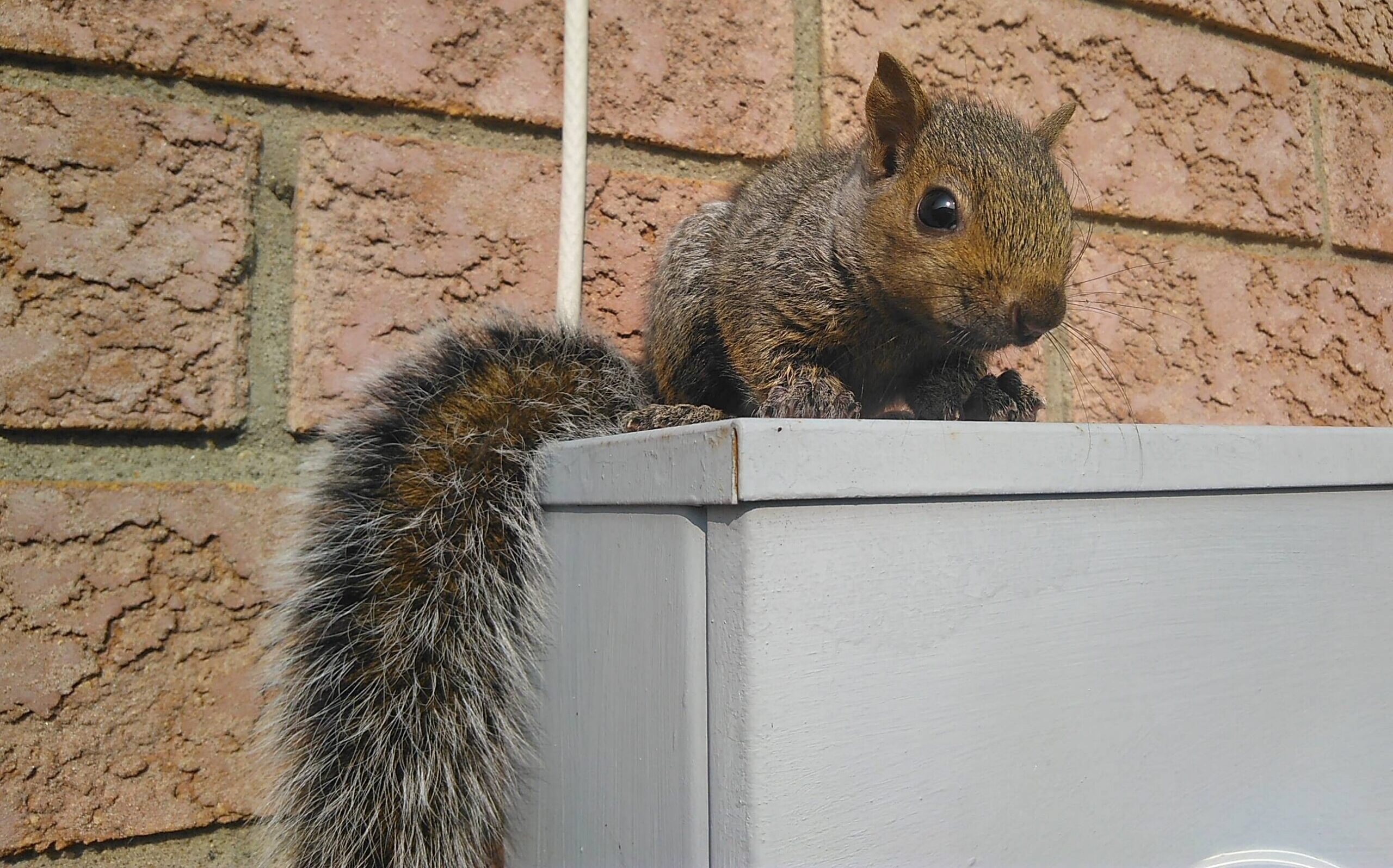
You hear a gnawing sound coming from somewhere in the walls. It stops, then starts again. You check the kitchen, the basement, the garage — nothing. Then you notice a chunk missing from the wood trim around your roofline, and a small hole that definitely was not there last week. That is not random damage. That is a squirrel doing what it does every single day, whether it is inside your home or not.
Squirrels never stop chewing because their front teeth never stop growing. These teeth, called incisors, grow continuously throughout their lives — up to six inches per year. If they do not keep those teeth worn down by chewing, the teeth become too long and the animal can no longer eat. Chewing is not just a habit. It is a biological need that drives everything they do, every single day.
At Skedaddle Humane Wildlife Control in Columbus, we see the damage this constant chewing causes inside and outside homes across the city every season. In this blog, you will learn exactly why these animals chew so much, what they are targeting on and inside your home, and why calling our team early is the best way to stop the damage before it gets serious.
Why Are Squirrels Always Chewing?
Squirrels chew constantly because their incisors never stop growing. Unlike human teeth, these front teeth grow throughout the animal’s entire life. If they do not wear them down by chewing on hard surfaces, the teeth can grow so long that the animal cannot close its mouth properly or eat at all. Chewing is not optional for them — it is how they survive.
Beyond keeping their teeth in check, chewing also helps them access food, build nests, and create entry points into structures. Every surface they encounter is a potential target — wood, plastic, aluminum, rubber, and even electrical wiring. The material does not matter much to them. What matters is that it gives their teeth something to work against. That drive does not slow down in winter, does not take a break during summer, and does not stop just because the surface they are chewing happens to be part of your home.
This is what makes a squirrel problem different from many other wildlife situations. Even after they have found a way inside, the chewing continues. Entry points get larger. Wiring gets damaged. Structural wood gets weakened. The longer the situation goes unaddressed, the more of your home becomes a target. Our team at Skedaddle has seen what a few weeks of unchecked chewing can do inside an attic, and it is never a small problem by the time most homeowners call.
Keep Their Growing Front Teeth Filed Down
Squirrels are born with incisors that never stop growing, and chewing is the only way they keep those teeth at a usable length. Without something hard to chew on every day, their teeth would grow too long to use. Here is what drives that constant need to gnaw:
- Their Teeth Grow Up to Six Inches Every Year: That is a significant amount of growth that has to be managed constantly through chewing. If the teeth are not worn down regularly, they curve and grow in a direction that makes it impossible for the animal to eat. The harder the surface, the more effective it is at filing the teeth down quickly. Wood, bone, bark, and unfortunately the structural components of your home all serve that purpose equally well from their perspective.
- Chewing Is a Daily Biological Requirement: This is not something they choose to do when they are bored or looking for food. It is a physical need that has to be met every single day to keep them healthy. An animal that cannot find something hard enough to chew on will seek it out aggressively. That drive is part of why these animals are so persistent about getting into structures and why they keep chewing long after they have gained access to your attic or walls.
- Hard Surfaces Inside Your Home Are Prime Targets: Wood beams, roof decking, fascia boards, plastic pipe, and electrical wiring all provide the resistance these animals need to keep their teeth filed. Once they are inside your home, every hard surface becomes a potential chewing target. They are not doing damage on purpose — they are simply meeting a biological need. But the result is the same either way, and it adds up fast the longer the situation goes without professional attention.
Prevent Starvation
Chewing is also how squirrels get to their food. Many of the things they eat are protected by hard shells, tough bark, or are stored inside places that require breaking through a surface to access. Without the ability to chew through hard material, they could not feed themselves at all. That connection between chewing and eating is another reason the behavior never slows down.
In fall and winter, squirrels cache food by burying it or storing it in hidden spots inside structures. Getting to that stored food later in the season often requires chewing through whatever is in the way — insulation, wood, plastic containers, and anything else that sits between them and what they stored. That seasonal caching behavior drives a significant amount of chewing activity inside attics and wall voids during the colder months.
When natural food sources run low, during drought, a hard winter, or after a poor nut season, these animals push further into structures in search of anything they can get to. A home with accessible food in the pantry, pet food in the garage, or seeds stored near the roofline becomes a target. The more pressure they feel from limited outdoor food sources, the more aggressively they chew through whatever stands between them and a meal inside your home.
Build Nests
Squirrels also chew to gather nesting material and create sheltered spaces for their young. A warm, enclosed attic is an ideal nesting spot, and chewing is how they shape it to fit their needs. Here is what that looks like inside your home:
- They Chew Through Insulation to Build Nesting Spots: Fiberglass and foam insulation are easy for these animals to shred and reshape into nesting material. They pull it apart, compact it, and build a warm nest inside the void it creates. That process destroys the insulation’s ability to do its job and leaves large sections of your attic without proper thermal protection. A single nesting pair can damage a significant area of insulation in a short amount of time.
- They Chew Entry Points Wider to Move in and Out Freely: Once they find a way into your attic, they often chew the entry point larger so they can move in and out more easily. A small gap in the soffit or a damaged vent cover becomes a much larger opening after a few days of chewing around the edges. That widened opening also lets in water, cold air, and other wildlife looking for the same kind of shelter. What started as a small vulnerability becomes a significant breach in your home’s exterior.
- Nesting Activity Increases Chewing Throughout the Structure: When a female is preparing to give birth, chewing activity inside the attic increases significantly. She is gathering material, shaping the nest, and creating a secure space for her young. That heightened activity means more surfaces get chewed, more insulation gets disturbed, and more of the attic gets impacted in a short period of time. By the time the young are born and growing, the damage to the nesting area is often extensive.
How It Affects Your Home
The chewing does not stay in one spot. It spreads through every accessible part of your home’s structure, and the damage it causes touches multiple systems at once. Here is what our team commonly finds when we inspect a home with an active squirrel problem:
- Structural Damage: Wood beams, roof decking, and framing lumber are all targets for constant gnawing. Over time, that chewing weakens the structural integrity of the areas squirrels occupy. Repeated chewing in the same area can compromise load-bearing components that are expensive and difficult to repair. The longer the activity continues, the deeper and more widespread the structural damage becomes.
- Electrical Damage: Squirrels chew through electrical wiring without any awareness of the risk it creates. Stripped and exposed wires inside a wall or attic are a serious hazard. Our team regularly finds chewed wiring during attic inspections, and in many cases the homeowner had no idea the damage existed until we pointed it out. Electrical damage caused by chewing is one of the most dangerous and costly consequences of an active infestation.
- Water Damage: Chewed entry points along the roofline let water into areas of your home that are not designed to handle moisture. A gap in the fascia or soffit that gets widened through chewing allows rain to get into the attic, where it soaks insulation and saturates wood over time. That moisture leads to rot, mold, and long-term structural deterioration that goes well beyond the original entry point.
- Fire Hazards: Chewed electrical wiring is one of the leading causes of house fires linked to wildlife activity. When the protective coating is stripped from a wire, the exposed conductor can arc against surrounding material and ignite. Dry insulation and wood shavings from chewing activity make the attic environment even more combustible. This is one of the most serious risks associated with an active infestation and one of the strongest reasons not to delay calling our team.
- Roof Damage: Fascia boards, roof vents, shingles, and flashing are all vulnerable to chewing along the roofline. Once these materials are compromised, the roof’s ability to keep water out is reduced. Chewed fascia exposes the wood beneath to moisture and accelerates rot. Damaged vents create open gaps that invite more wildlife and more water into the structure. Roof repairs caused by chewing damage can be significant, especially when the damage has been building over multiple seasons.
- Insulation Damage: Shredded and compacted insulation no longer performs the way it was designed to. Chewing and nesting activity destroys the structure of the material, reducing its ability to regulate your home’s temperature. Contaminated insulation from droppings and urine also poses health risks and often needs to be fully replaced rather than simply repaired. The cost of insulation replacement in an attic that has had an active infestation for more than one season adds up quickly.
Squirrel Problems in Columbus, Ohio
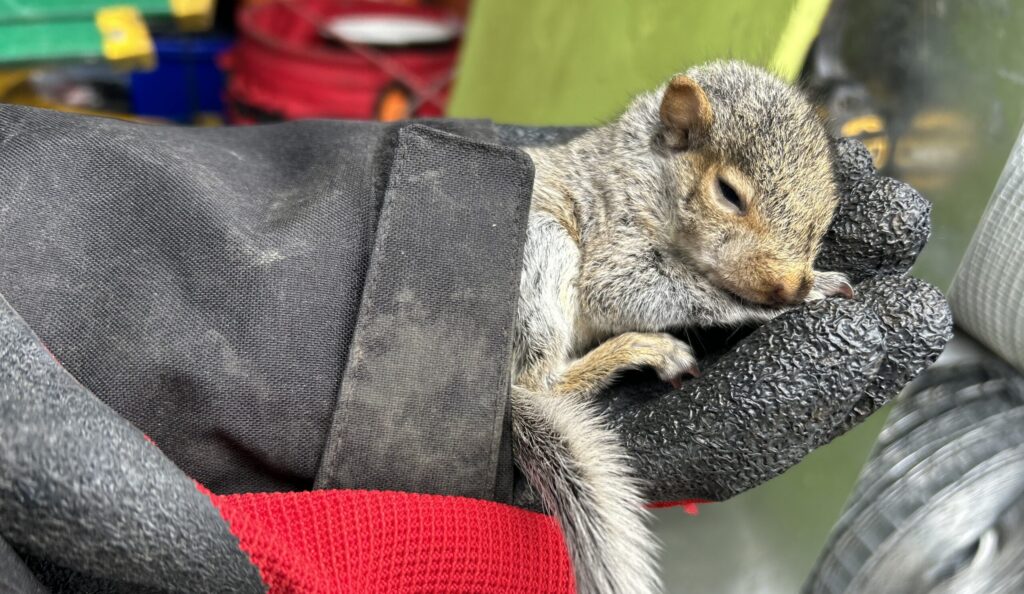
Columbus has a large and active squirrel population, and the city’s mix of mature trees and older residential neighborhoods creates ideal conditions for these animals to move between the outdoors and the structures around them. Homes with large trees close to the roofline are especially vulnerable — overhanging branches give direct roof access, and once they are on the roof, finding a weak spot to chew through does not take long.
The city’s older housing stock presents a particular challenge. Aging fascia boards, worn vent covers, and deteriorating soffits give these animals easy starting points that do not require much chewing to breach. Our team works across Columbus neighborhoods every season and consistently finds that homes with deferred exterior maintenance are targeted more frequently and more aggressively than homes with well-maintained rooflines.
Fall is the most active season for chewing and entry in Columbus. As temperatures drop, these animals look for warm, insulated spaces to nest and cache food for winter. Attics become prime targets during this period, and chewing activity on the exterior of homes increases significantly from September through November. By the time winter arrives, an animal that found its way in during fall is fully settled and actively chewing throughout the structure.
Squirrel Removal and Prevention with Skedaddle
When you call our team at Skedaddle, we start with a full inspection of your roofline, attic, and exterior. We look for every active entry point, check for signs of nesting, and assess the full extent of the chewing damage before any work begins. That complete picture is what lets us address the situation properly rather than just patching the most obvious spot and leaving the rest unresolved.
Once we know what we are dealing with, we install one-way doors at the active entry points. These let squirrels exit on their own but prevent them from getting back in. After the attic is clear, we seal every opening with materials that hold up against future chewing attempts. Homeowners should never try to seal entry points on their own — if animals are still inside, blocking the exit makes the situation significantly worse and more dangerous.
Cleanup and prevention finish the job. Our team removes damaged insulation, treats contaminated areas, and secures the roofline conditions that made the home a target in the first place. You do not need to get on the roof, handle any materials, or figure out where they are getting in.
Frequently Asked Questions
How do I know if a squirrel is chewing inside my home?
The most common signs are scratching or gnawing sounds coming from the attic or walls, visible chew marks on wood trim or soffits along the roofline, and small entry holes that were not there before. You may also notice increased activity on your roof in the early morning or late afternoon.
Can squirrels chew through brick or concrete?
No. These animals cannot chew through masonry or concrete. However, they can chew through wood, plastic, aluminum, rubber, and drywall with ease. They often target the joints and seams where different materials meet, where gaps already exist or where the material is thinner and easier to work through.
How fast can a squirrel cause serious damage inside an attic?
Damage can accumulate quickly. In a matter of weeks, chewing activity can compromise insulation, wiring, and wood in the nesting area. Over a full season, the damage can be extensive enough to require significant repairs to insulation, wiring, and structural components. The sooner our team gets in to assess the situation, the less damage there is to deal with.
Do squirrels chew more in certain seasons?
Yes. Chewing activity increases in fall as these animals prepare for winter by nesting and caching food. Spring also brings a spike in activity when females are preparing nesting areas for their young. That said, chewing never fully stops — it is a year-round behavior driven by biology, not season.
Why do squirrels chew on electrical wiring specifically?
They do not target wiring because it is wiring — they chew it because it is there and it gives their teeth something to work against. The insulation coating on wires is similar in texture to materials they encounter in the wild. They have no awareness of the hazard it creates, which is what makes chewed wiring such a serious and often hidden danger inside an attic.
Can the entry points squirrels create let in other wildlife?
Yes. A gap that has been chewed open along the roofline is an open invitation for other animals looking for the same kind of shelter. Mice, bats, and other wildlife can use the same entry points. This is one of the reasons our team seals every opening after removal — leaving any gap in place creates ongoing vulnerability for your home.
The Chewing Won’t Stop on Its Own — Call Skedaddle Today
Squirrels are not going to stop. The chewing is biological, constant, and it does not slow down just because winter arrives or because you have tried to block one entry point. Every day the situation goes unaddressed is another day of damage building up inside your walls, attic, and roofline.
Chewed wiring, ruined insulation, and widened entry points do not fix themselves. The longer these animals are inside your home, the more surfaces they work through and the more expensive the repairs become. What looks like a small problem from the outside is often much worse once our team gets into the attic and sees the full extent of the damage.
The good news is that you do not have to deal with any of it yourself. Our team at Skedaddle Humane Wildlife Control in Columbus knows exactly where to look, what to look for, and how to get the job done safely and completely. We find every entry point, clear the space, and seal your home so they cannot get back in. You do not need to figure any of this out on your own. Request an estimate today and let our team stop the damage before it goes any further.

 Loading...