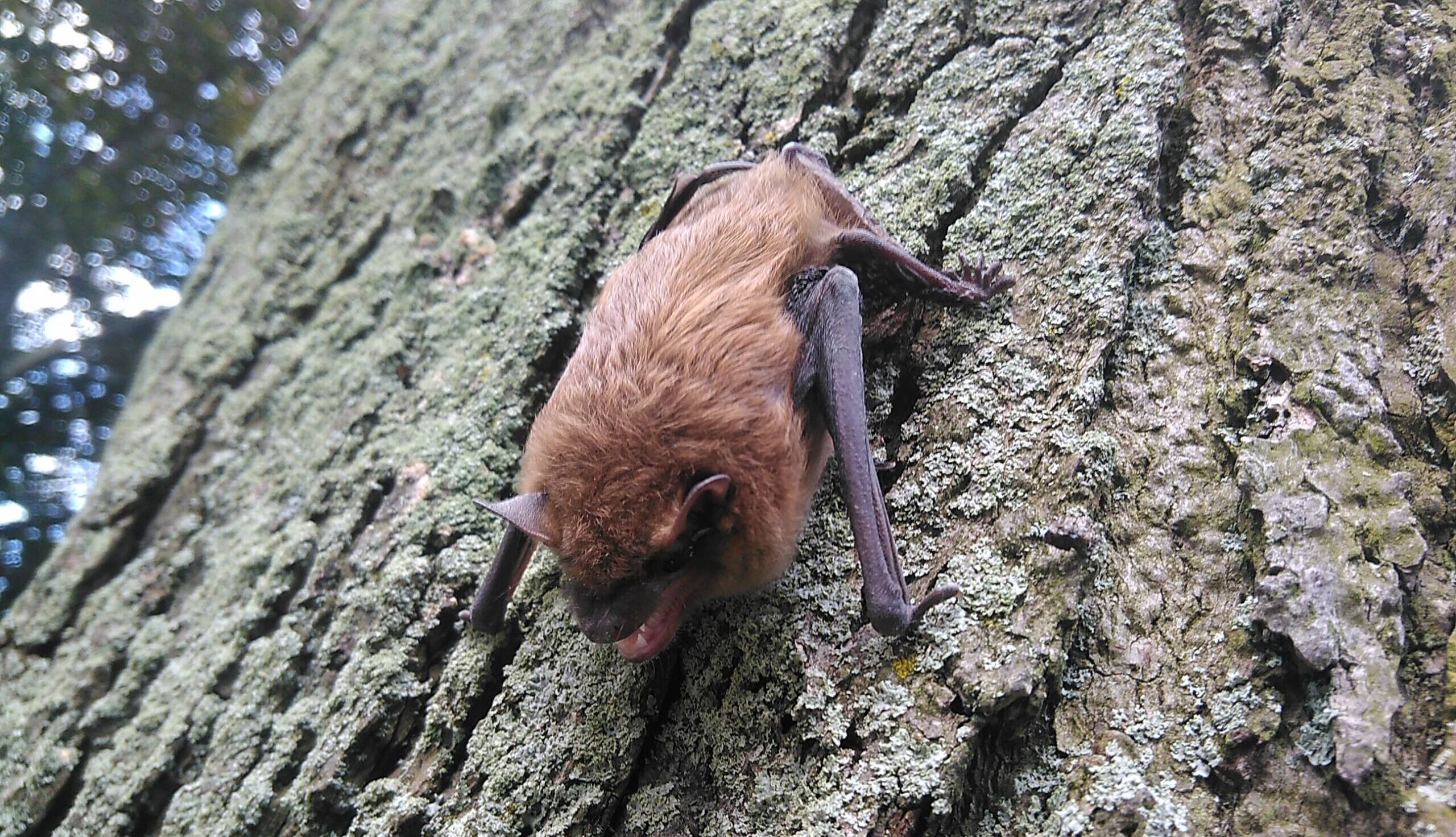
As the sun sets over Denver, it’s not unusual to see tiny silhouettes darting through the evening sky. A recent Colorado Public Radio story explored this familiar sight, following bats over the Baker neighborhood and asking a question many homeowners have probably never considered: where do these bats spend the day? The answer may be closer than you think. While bats naturally roost in trees, caves, and rocky crevices, urban environments also offer plenty of shelter, including attics, rooflines, eaves, and small gaps around homes.
As summer winds down and cooler nights begin arriving across the Denver area, bat behavior starts to change. Some species begin preparing for migration, while others focus on building fat reserves before winter. For homeowners, this seasonal transition is also an excellent time to understand what bat activity around their property might mean. Knowing when bats are simply passing through, when they may be using your home as a roost, and why humane exclusion matters can help protect both your home and these valuable insect-eating mammals.
Do Bats Return to the Same Place Every Night?
Yes, many bats are surprisingly loyal to their roosts. During the summer, bats often return to the same shelter night after night after feeding, especially when raising their young. If a home provides the warmth, protection, and quiet they need, they may continue using the same attic, roofline, or wall cavity until seasonal changes prompt them to disperse or seek winter habitat.
Denver’s Hidden Urban Bat Population
Seeing bats swoop across the evening sky is a familiar sight during Denver’s warmer months, but where they go once the sun comes up is often a mystery. A recent Colorado Public Radio story explored this very question, following bat activity over the Baker neighborhood and highlighting that many urban bats spend their days tucked away in places people rarely notice. While bridges and natural crevices provide shelter, attics, rooflines, and small gaps in buildings can also serve as daytime roosts.
Denver offers an ideal environment for bats to thrive. The South Platte River, neighborhood parks, mature trees, and green spaces attract a steady supply of flying insects, providing reliable feeding opportunities after sunset. As bats travel between these feeding areas and their daytime roosts, they may fly over homes every evening without homeowners realizing they are nearby.
One of the species commonly found throughout the Denver area is the big brown bat. Well adapted to city life, these bats readily take advantage of buildings that provide warmth and protection. Narrow gaps beneath roof edges, behind fascia boards, or inside attics can offer the stable conditions they seek, particularly during the summer months when females gather in maternity colonies to raise their pups.
Because bats are nocturnal and exceptionally quiet while roosting, homeowners may never realize they are sharing their property with wildlife until they notice signs of activity. Repeated sightings at dusk, droppings beneath a section of the roofline, or the occasional bat appearing indoors can all indicate that a nearby roost deserves closer attention. Understanding why bats are drawn to Denver neighborhoods is the first step toward protecting your home while allowing these beneficial animals to continue playing their important role in the local ecosystem.
Why Denver Homes Make Ideal Bat Roosts
From a bat’s perspective, many Denver homes offer everything needed for a safe and comfortable place to rest. Homes provide shelter from predators, stable temperatures, and small, protected spaces where bats can remain hidden throughout the day. During summer, these conditions are especially important for female bats raising their young.
Research has shown that big brown bats often prefer warmer structures for maternity roosts. Heat naturally collects beneath the roof, creating an environment that helps young bats develop more quickly before they are ready to fly on their own.
Many homeowners are surprised by just how little space a bat needs to enter a building. Small construction gaps can provide access to quiet areas that are rarely disturbed.
Common places bats may enter include:
- Gaps beneath roof edges
- Openings around soffits
- Loose or damaged fascia boards
- Spaces behind siding
- Worn or loose flashing
- Unscreened roof and attic vents
- Chimneys without properly fitted caps
- Gaps around shutters and trim
Once inside, bats are usually looking for secluded locations where they can roost undisturbed. These spaces are often difficult for homeowners to inspect safely, allowing colonies to remain unnoticed for weeks or even months.
Fortunately, bats don’t chew new holes or damage building materials to get inside. Instead, they take advantage of existing openings that develop as homes naturally age. Identifying and professionally sealing these vulnerable areas after humane exclusion helps prevent bats from returning while protecting both your home and the local bat population.
What Happens to Denver’s Bats When Temperatures Begin to Drop?
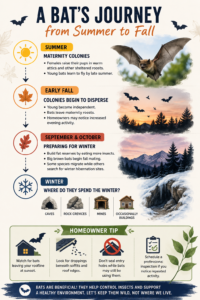
As summer transitions into fall, bat behavior begins to shift. While homeowners may still see bats flying at dusk throughout September, many are preparing for the changing seasons rather than settling into a home for the winter. Exactly what happens next depends on the species.
Some Species Begin Seasonal Migration
Not all bats remain in the same area year-round. Some species migrate to regions with milder winter conditions or move to locations that offer suitable places to spend the colder months. During this time, bats may briefly stop to rest beneath eaves, porch overhangs, gutters, or other sheltered structures before continuing their journey.
Maternity Colonies Start to Disperse
Throughout the summer, female bats gather in maternity colonies to raise their pups. By early fall, the young are generally capable of flying and feeding on their own. As a result, these colonies begin to break apart, and individual bats spread out in search of their next seasonal roost.
This change in behavior is one reason fall is often considered a more appropriate time to begin planning humane exclusion work. However, it’s still important to confirm that every bat has safely left before permanently sealing entry points.
Fall Is an Important Mating Season
For many Colorado bats, autumn is also mating season. Big brown bats, one of the species commonly found around Denver homes, typically mate in the fall before entering winter dormancy. Although fertilization doesn’t occur until spring, this seasonal behavior is an important part of their annual life cycle.
Building Fat Reserves Before Winter
As insect populations remain plentiful in late summer and early fall, bats spend much of their time feeding. They build up fat reserves that will help sustain them through migration or periods of winter hibernation when insects become scarce.
This increased feeding activity is why homeowners may notice more bats flying overhead shortly after sunset during early fall.
Why You May See Bats Resting Around Your Home
Finding a bat hanging beneath your roofline or porch doesn’t automatically mean it has moved into your attic. During migration and seasonal travel, bats sometimes stop in sheltered locations to rest before continuing on.
At the same time, repeated activity around the same part of your home may indicate something more permanent. Knowing the difference between a temporary visitor and an established roost is key to deciding whether professional bat removal is needed.
Is It Just One Bat or a Colony?
Spotting a single bat outside your home isn’t always cause for concern. Bats regularly travel long distances while hunting insects and may briefly rest on buildings before moving on. In many cases, a lone bat seen one evening is simply passing through.
However, repeated activity around the same area of your home can tell a different story. If bats are consistently using your property as a roost, there are often subtle signs that become more noticeable over time.
Some of the most common indicators of an established bat roost include:
- Bats emerging from the same opening shortly after sunset
- Small droppings collecting beneath part of the roofline
- Rustling or squeaking sounds coming from the attic or walls
- Brown or dark staining around an exterior gap
- Multiple bats seen leaving the home over several evenings
- Bats appearing inside your living space more than once
- Regular activity around soffits, fascia boards, vents, or chimney flashing
Because bats usually leave to feed around dusk, one of the best ways to identify an active roost is by observing the home as the sun goes down. Watching where bats consistently emerge helps determine which openings are being used and whether more than one access point exists.
This step is an important part of the humane removal process. Bats can use multiple entry and exit points, and overlooking even one opening can reduce the effectiveness of an exclusion. A thorough exterior inspection, combined with careful dusk observations, allows wildlife professionals to develop a removal plan that lets bats leave safely while preventing them from returning.
If you’re unsure whether you’re dealing with an occasional visitor or a colony living in your home, it’s best to have the property professionally inspected. Identifying the situation early can help prevent a small problem from becoming a much larger one as the seasons change.
Why You Should Never Seal Bat Entry Points Too Soon
It might seem logical to seal a hole as soon as you discover where bats are getting into your home. In reality, doing so can make the situation much worse.
If bats are still actively using an opening, sealing it can trap them inside. Unable to leave through their usual exit, they may search for another way out, sometimes ending up in living areas such as bedrooms, hallways, or basements.
Timing also matters. Throughout the summer, young bats depend on their mothers and may not yet be able to fly. While September is generally when maternity colonies begin to disperse, every situation is different. Before any repairs are made, it’s important to confirm that all bats can safely leave the structure.
Humane bat exclusion focuses on solving the problem without harming wildlife or creating new issues inside the home. Rather than trapping bats, trained wildlife technicians allow them to exit naturally while preventing them from getting back inside.
At Skedaddle, our humane bat removal process includes:
- Conducting a thorough inspection of the roofline, attic, vents, siding, and chimney
- Identifying every active and potential entry point
- Installing one-way exclusion devices that allow bats to leave safely
- Confirming the colony has fully exited the home
- Sealing vulnerable openings to prevent future access
- Cleaning and restoring areas affected by bat droppings when necessary
This approach not only protects bats, which play an important role in Colorado’s ecosystem, but also provides homeowners with a long-term solution. By addressing both the animals and the conditions that allowed them inside, humane exclusion helps reduce the chances of bats returning in future seasons.
What Should You Do If a Bat Gets Into Your Bedroom?
Finding a bat inside your bedroom can be alarming, but it’s important to stay calm. In most cases, the bat is simply trying to find a way back outside and is not behaving aggressively. Avoid chasing it or attempting to catch it with your bare hands.
If there is any possibility that a person or pet had direct contact with the bat, or if someone was sleeping, a young child was present, or contact cannot be confidently ruled out, contact your local public health department as soon as possible. In Colorado, bats are one of the primary wildlife species associated with rabies, so any potential exposure should be taken seriously and evaluated by medical professionals.
Once any health concerns have been addressed, the next question is how the bat got inside. A single bat in a bedroom may have accidentally entered through an open door or window, but it can also indicate an opening that allows bats access to your home.
A professional inspection can help determine whether the bat was an isolated visitor or whether a colony is roosting elsewhere on the property. By identifying entry points and signs of ongoing activity, humane wildlife specialists can recommend the safest and most effective solution for both your family and the bats.
What Bat Droppings Can Reveal About Hidden Activity
Bat droppings, also known as guano, can provide important clues about whether bats are regularly using your home. While you may not see the animals themselves during the day, small piles of droppings beneath an entry point or along part of the roofline can indicate repeated activity.
Fresh guano is often found beneath areas where bats regularly enter and exit. Larger accumulations may suggest that bats have been roosting in the same location for an extended period, especially in attics or wall cavities that are rarely disturbed.
Signs that bat droppings may point to an active roost include:
- Small, dark droppings collecting beneath roof edges or soffits
- Guano accumulating near attic vents or chimney flashing
- Droppings appearing in the same location over multiple days
- A noticeable odor in enclosed attic spaces
- Staining around nearby entry points
Although Colorado has not experienced documented histoplasmosis outbreaks linked to bat guano, accumulated droppings should still be handled with care. Sweeping or vacuuming dried guano can stir dust into the air, increasing the risk of exposure to harmful particles.
Instead of attempting to clean large accumulations yourself, it’s best to have affected areas professionally assessed and restored after the bats have been humanely excluded. Proper cleanup removes waste safely, helps eliminate lingering odors, and restores the attic or other affected spaces to a clean, healthy condition.
Why Bats Deserve Protection, Even When They Don’t Belong in Your Home
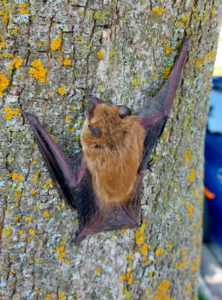 Bats often get an unfair reputation, but they’re one of Colorado’s most beneficial wildlife species. Every night, they consume large numbers of flying insects, helping reduce populations of mosquitoes, moths, beetles, and other pests that are common throughout the Denver area.
This natural pest control benefits homeowners, gardens, parks, and local ecosystems. Without bats, insect populations could grow much more quickly during the warmer months, creating greater challenges for both people and agriculture.
While bats provide valuable environmental benefits, that doesn’t mean they belong inside your home. A colony roosting in an attic or wall cavity can lead to accumulating droppings, unpleasant odors, and repeated encounters as bats enter and leave the structure.
That’s why humane bat removal is so important. Rather than harming bats, humane exclusion allows them to safely leave the building while preventing them from returning. This approach protects your home without disrupting the important role bats play in the environment.
At Skedaddle Humane Wildlife Control, our goal is to create a lasting solution that benefits everyone involved. By removing bats safely, sealing entry points, and helping homeowners prevent future access, we protect your property while allowing these remarkable animals to continue thriving where they belong, outdoors.
Your Fall Bat Prevention Checklist
As summer comes to an end, early fall is one of the best times to inspect your home for signs of bat activity. Cooler weather often brings changes in bat behavior, making it easier to identify potential entry points before winter arrives. The key is to focus on prevention without sealing openings that bats may still be actively using.
Use this checklist to help prepare your home for the season:
- Observe your roofline around sunset to see if bats are emerging from the same location.
- Watch for repeated bat activity over several evenings rather than drawing conclusions from a single sighting.
- Inspect soffits, fascia boards, roof intersections, and chimney flashing for gaps or damage.
- Check that attic, roof, and gable vents are fitted with secure, undamaged covers.
- Repair loose siding, deteriorated trim, and other exterior damage that could create access points.
- Look for bat droppings beneath roof edges, around vents, or near other exterior openings.
- Avoid sealing any suspected entry point until you’ve confirmed bats are no longer using it.
- Arrange a professional inspection if you notice repeated indoor bat sightings or signs of an established roost.
Taking a proactive approach in the fall can help prevent bats from returning to your home in future seasons. By identifying vulnerabilities early and addressing them with humane exclusion methods, homeowners can protect their property while ensuring bats continue to play their valuable role in Denver’s ecosystem.
Frequently Asked Questions
When do bats leave attics in Denver?
The timing depends on the species and the purpose of the roost. Summer maternity colonies generally begin dispersing in late summer or early fall after young bats can fly independently. However, some bats may continue using buildings seasonally, making a professional inspection the best way to determine whether they have fully left.
Do all Colorado bats migrate for the winter?
No. Some Colorado bat species migrate to warmer areas or different seasonal habitats, while others remain in the state and hibernate in caves, mines, rock crevices, or occasionally buildings. Their winter behavior varies by species, which is why every bat situation should be evaluated individually.
Can bats stay in my attic all winter?
While many bats spend the winter in natural hibernation sites, some may remain inside buildings if conditions are suitable. If bats are using your attic, it's important to have the situation professionally assessed rather than assuming they will leave on their own.
How can I tell if bats are living in my house?
Repeated bat sightings around the same area at dusk, droppings beneath rooflines, rustling noises in walls or attics, and brown staining around exterior openings can all indicate an active roost. A professional inspection can confirm whether bats are regularly using your home.
Is it safe to remove bats myself?
No. Attempting to remove or exclude bats without proper knowledge can trap them inside your home or result in unnecessary contact. Humane bat removal requires careful timing, a thorough inspection, and exclusion methods that allow bats to leave safely before entry points are permanently sealed.
Protect Your Home Before Fall Bat Activity Peaks
As Denver’s summer gives way to cooler fall nights, bat activity naturally begins to change. While some bats are preparing to migrate and others are getting ready for winter, this seasonal transition also makes it an ideal time for homeowners to identify potential roosts and address vulnerable areas around their property. Acting early can help prevent a small issue from becoming a larger one.
If you’ve noticed bats flying around your home at dusk, found droppings beneath your roofline, or discovered a bat indoors, don’t rush to seal the first opening you find. A professional inspection can determine whether bats are still using your home and ensure they are removed safely and humanely.
Contact Skedaddle Humane Wildlife Control in Denver today to schedule a professional bat inspection. Our experienced team specializes in humane bat removal, thorough home assessments, and long-term prevention solutions that protect both your home and Colorado’s valuable bat populations.

 Loading...







