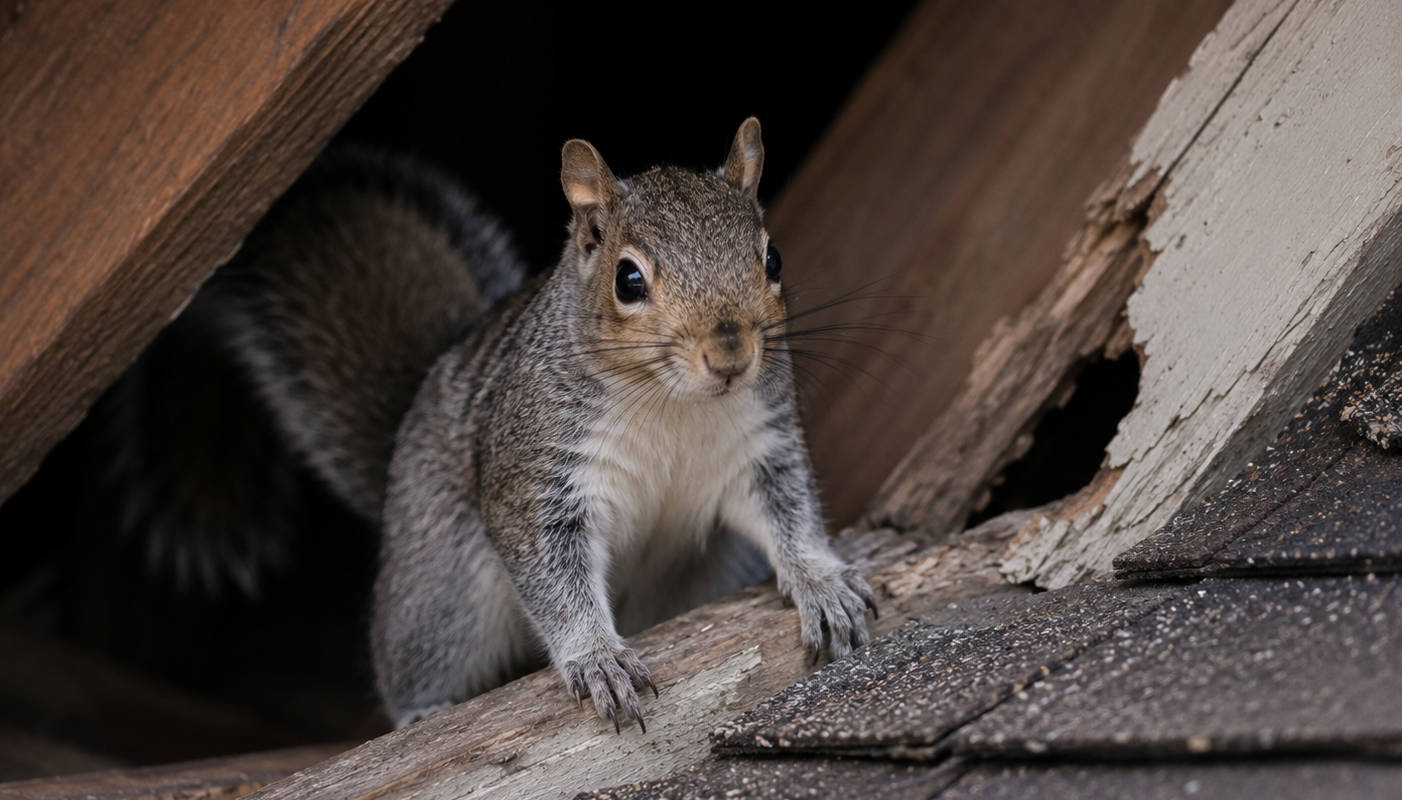
Changing weather is shifting when wildlife moves toward homes and it’s happening at times of year that most homeowners don’t expect. In February 2026, Columbus-area wildlife control businesses saw a jump in calls as temperatures changed and mating season started earlier than usual. You can read more here: Spectrum News 1 — Wildlife Calls Climb. If you’ve been waiting for a traditional “wildlife season” to think about this, that window no longer works the way it used to.
You might think raccoons, squirrels, and mice are mostly a fall problem. But warm spells in winter and early spring can get these animals moving toward homes well before most people are ready for it. A warm week in February is enough to set things in motion and if your home has gaps in the roofline, soffits, or foundation, these animals will find them fast.
At Skedaddle Humane Wildlife Control in Hilliard, we respond to wildlife calls all year long and the timing of those calls is changing. In this blog, we walk you through what the signs of activity sound like, why weather changes matter, and what our team does to protect your home no matter what time of year the problem shows up.
When Should I Call Wildlife Control?
You should call wildlife control as soon as you notice any sign that something may be living in or around your home. You don’t need to see an animal directly. Scratching sounds in the walls, droppings near baseboards, chew marks on wood or wiring, or a smell you can’t explain are all good enough reasons to call. The sooner you reach out, the easier the problem is to fix.
Many homeowners wait too long because they’re not sure the signs are serious enough to act on. But these problems don’t go away on their own — they grow. What starts as one animal exploring your attic can become a family with young in just a few weeks, especially during mating season. Calling early keeps things simple. Waiting makes it harder and more expensive to fix.
There’s also no wrong time of year to call. Wildlife activity used to follow a clear seasonal pattern: fall entry, winter shelter, spring exit. That pattern is changing. Warm spells in winter and early spring are now causing activity at times most people wouldn’t expect, which is exactly what Columbus-area businesses reported in February 2026. If something doesn’t seem right in your home, trust that feeling and call our team.
Scratching, Rolling, and Chewing Sounds
The sounds animals make inside your home are often the first clue that something is there. Here’s what different sounds tend to mean and why none of them should be ignored:
- Scratching Sounds in Walls or the Ceiling: Light, repeated scratching, especially at night, is a common sign of mice moving through wall cavities. Louder, more irregular scratching near the attic or roofline often points to squirrels or raccoons. These sounds start faint but tend to get louder and more frequent as the population grows or as the animals get more comfortable in the space.
- Rolling or Thumping Sounds Overhead: A rolling sound in the attic, like something being moved across the floor, is a very common sign of squirrels. They store food in attic spaces and move things around as they forage and nest. Heavier thumping sounds point to raccoons, which are larger and noisier when they move. If you hear thumping at night, raccoons are the most likely cause.
- Chewing and Gnawing Sounds: Chewing sounds near walls, baseboards, or utility areas mean something is actively gnawing on wiring, wood, or insulation. This is one of the most serious sounds to hear, it usually means damage is happening right now inside your walls. Chewed electrical wiring is a fire risk that can’t be seen without an inspection. Call our team right away if you hear chewing near electrical areas.
- Sounds at Unexpected Times of Day: Squirrels are active during the day, so daytime sounds in the attic or along the roofline often point to them. Raccoons and mice are mostly active at night. If you’re hearing sounds at a time that seems off or in a spot that doesn’t make sense, don’t dismiss it. Take it seriously and call us.
Why Warm Spells Lead to Increased Activity
Animals that slow down in winter don’t go fully dormant and a warm spell is all it takes to get them moving again. Raccoons are very responsive to temperature changes. A stretch of warmer days in January or February can kick off mating behavior, send them out looking for food, and push them toward homes as they search for a safe place to raise their young. This is exactly what Columbus-area wildlife control businesses saw in February 2026.
Squirrels don’t hibernate at all. They stay active through winter, moving between food caches and nesting spots. A warm spell makes them even more active and more likely to explore new areas, including gaps along rooflines and soffits they may have passed by during colder weeks. More warm days also means more hours of activity, which makes encounters more likely.
Mice are active year-round inside a heated home, but warm spells can push new animals toward your property from the outside. When outdoor temperatures rise enough, mice that were sheltering in burrows or outbuildings start moving and if your home has any gaps, some of them will find a way in. The point is simple: there’s no safe season when wildlife pressure on your home drops to zero. Warm or cold, the risk is always there.
How Animals Use Attics and Chimneys for Shelter
Attics and chimneys are two of the most common shelter spots for wildlife in residential homes. Here’s what that looks like for the animals most active in the Hilliard area:
- Raccoons in Attics: Raccoons look for warm, dark, sheltered spaces to raise their young and your attic is a perfect fit. They get in through gaps in the soffit, damaged roofline sections, and any opening big enough to squeeze through. Once inside, a female raccoon will stay through the birth and early weeks of her young. Raccoons in attics cause real damage to insulation and can get aggressive if they feel their young are at risk.
- Squirrels in Attics: Squirrels can enter attics through a hole the size of a golf ball. They nest in insulation, chew on wood and wiring, and can move through wall cavities to reach other areas of the home. Squirrel activity in an attic is loudest in the morning when they’re most active. They can set up a nest very quickly after finding a way in.
- Birds in Chimneys: Chimney swifts and other birds use uncapped chimneys as nesting spots. Once a nest is built inside a chimney, you can hear the young birds clearly in the rooms below and the nest can block airflow and create a fire hazard if the chimney gets used. A chimney cap installed by our team is the best way to stop birds from nesting inside.
- Mice in Wall Cavities: Mice move through wall cavities and build nests inside insulation. They can reach any area of the home through gaps around pipes, wiring, and structural openings. A mouse nest inside a wall is warm, sheltered, and rarely disturbed, which makes it a great breeding spot. The population can grow a lot before you hear or see obvious signs.
Why an Opening Should Not Be Sealed Until the Home Has Been Inspected
If you find a gap or entry point on your home, do not seal it before our team has checked what’s on the other side. Here’s why that matters:
- Animals May Already Be Inside: If these animals are already using an opening to get in and out, sealing it traps them inside. A trapped animal will push deeper into the home looking for another way out – sometimes ending up in your living spaces. Any young inside the nest get sealed in without food or a way to leave. This makes the situation much worse than what you started with.
- You Could Miss the Full Picture: One visible gap is rarely the only entry point. These animals often use several openings at the same time. Sealing one without finding the others just redirects them to a different route. Our inspection covers the full exterior, not just what’s easy to see, so every entry point gets found and dealt with at the same time.
- The Right Order Matters: Our process always follows the same steps: inspect first, confirm what’s inside and whether young are present, remove the animals using one-way door systems, then seal every entry point once the space is confirmed clear. Skipping any part of that, especially the inspection, creates problems that cost more time and money to fix.
The Importance of Checking for Mothers and Babies Before Exclusion
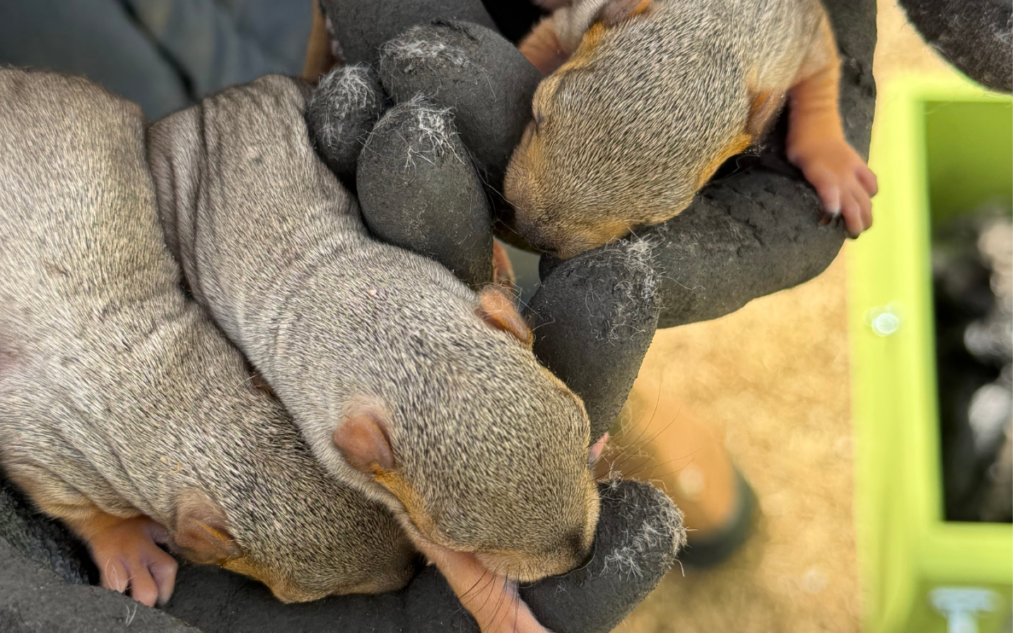
Mating season is one of the most important factors in wildlife timing and changing weather is affecting when it starts. When a warm spell triggers early mating activity, females may be raising young earlier in the year than expected. Starting exclusion work without checking for young is one of the most common ways a wildlife job goes wrong.
A mother raccoon, squirrel, or bird that has young in your attic or chimney is not going to leave willingly. If exclusion devices go in while young are still inside and can’t move on their own, the mother will work very hard to find another way back in, causing more damage along the way. Young that can’t follow her out face a very bad outcome, which also leads to serious odor problems inside the home.
Our team checks for young before any exclusion work starts. We look carefully at the attic, chimney, or nesting area to confirm what’s there and how old any young animals are before we make a plan. The timing of our work is based on what we find, not a fixed schedule. This is the only way to handle the situation properly without creating a second problem that’s harder to fix than the first.
Wildlife Intrusions in Hilliard
Hilliard’s mix of suburban neighborhoods, mature trees, and open space along the Scioto River makes it a busy area for wildlife year-round. Raccoons, squirrels, and mice are all common in the area, and the times when they’re most active around homes are shifting with the weather. Homeowners in Hilliard are seeing activity in February and March more often now – times that used to feel well outside the normal wildlife season.
Older homes in Hilliard’s established neighborhoods tend to have more natural gap points. Aging soffits, worn roofline materials, and old seals around utility lines are all common. Newer homes on the edges of the community sit closer to the open land these animals use, which increases the pressure on those properties during busy activity periods. Whether your home is older or newer, the risk is real and the signs are worth paying attention to.
Columbus’s broader pattern of increased wildlife calls during temperature changes applies directly to Hilliard. When the weather warms up unexpectedly, animals in the surrounding green spaces and along the Scioto corridor start moving and the homes along their path see the most activity. Staying ahead of that means not waiting for an obvious problem before calling our team.
Wildlife Removal and Prevention with Skedaddle
When wildlife has made its way into your home, or when you’re hearing sounds that suggest something might be there. Call our team at Skedaddle Humane Wildlife Control right away. We start with a full inspection of your property, covering every area where these animals are likely to enter or shelter. That means chimneys, roof vents, soffits, foundations, and attics, not just the spot where you first noticed something. Each of these areas needs a trained eye to check properly, which is why a professional inspection is always the first step.
We use one-way door systems that let animals leave on their own without being able to get back in. This approach works without trapping, relocating, or using poison and it gives us time to confirm the space is fully clear before we seal the entry points for good. We never seal an opening until we’ve confirmed no animals remain inside and no young are present in a nesting area. Getting that order right is what makes the difference between a lasting fix and a temporary one.
Prevention is the final step. After removal and exclusion are done, we deal with the conditions on your property that made it easy to get into. Worn vent covers, overhanging branches, gaps in the foundation, and anything else that could bring the same problem back next season. Our goal is to leave your home fully protected no matter what the weather does. We take care of all of it so you don’t have to deal with any part of it yourself.
Frequently Asked Questions
Is there a safe time of year when I don't need to worry about wildlife getting in?
Not anymore. Changing weather is causing activity at times that used to feel low-risk, including winter warm spells. The safest approach is to have your home inspected and protected year-round rather than waiting for a traditional season.
What's the difference between a wildlife problem and just a noise in the house?
A house settling makes occasional, irregular sounds, usually creaking or popping. Scratching, rolling, thumping, and chewing are not sounds a house makes on its own. If the sounds happen at the same time every day or in the same spot, something is almost certainly living in your home.
Can animals in my attic cause a fire?
Yes. Squirrels and mice chew through electrical wiring as part of their normal behavior. Chewed wiring inside walls and attics is a hidden fire hazard that can't be seen without an inspection. If you hear chewing near walls or electrical areas, call our team right away.
How do I know if there are babies involved?
You may hear higher-pitched squeaking or chirping from the nesting area. You may also notice that the adult animal keeps trying to get back into a sealed spot, which often means young are present. Our team checks nesting areas carefully before any exclusion work begins.
Do I need a wildlife inspection even if I haven't seen or heard anything?
If it's been more than a year since your home was inspected, or if you've had storm damage or roofline work done recently, an inspection is a good idea. Entry points can open up gradually without making any obvious noise.
What happens if an animal gets into my living space from the attic?
Keep everyone away from it and call our team right away. Do not try to chase it, corner it, or handle it. A stressed animal may bite if approached. Our team responds quickly and handles containment and removal safely.
Don’t Wait for Wildlife Season, It Could Already Be Here
Changing weather means wildlife is no longer following the schedule most homeowners expect. A warm week in February can trigger mating activity, push animals toward your home, and send them looking for gaps in your roofline or foundation – well before spring shows up. If you’re hearing sounds in your walls, attic, or chimney at any time of year, that’s your signal to call.
The sooner you act, the easier the situation is to resolve. Waiting to see if it gets worse just gives these animals more time to settle in and start causing damage. You don’t have to figure out what’s there or deal with any part of the removal yourself.
Our team at Skedaddle Humane Wildlife Control in Hilliard is ready to help. We’ll inspect your home, find out what’s there, and take care of everything from removal to exclusion. Contact us today to request an estimate and make sure your home is protected no matter what the weather does next.

 Loading...







