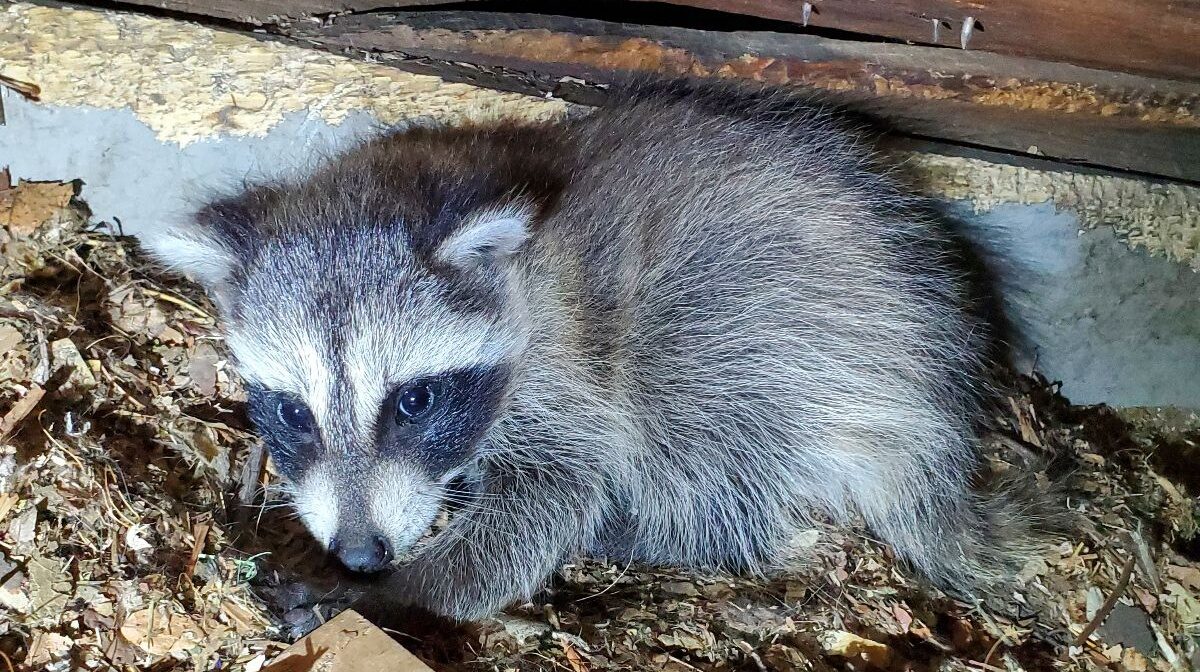
You may notice more activity beneath your deck in November because raccoons are exploring places that offer cover from cooler, wetter weather. Accessible crawl spaces and sheltered deck corners can provide somewhere to rest between feeding trips. Quiet conditions, nearby food, and existing openings can make these areas worth investigating.
One visit does not mean a den has been established beneath your home. These animals may be passing through, searching for food, or testing a possible resting place. Repeated movement near the same opening, damaged skirting, or sounds beneath the floor deserve closer attention.
At Skedaddle Humane Wildlife Control in Coquitlam, we inspect these spaces to learn how they are being used before securing access. You should not crawl beneath the deck, handle waste, or block a suspected entrance. We explain what draws them to these areas, which signs may point to regular use, and how our professional team handles removal and prevention.
Do Raccoons Live Under Decks in the Winter?
Raccoons may live under decks in winter if protected from weather and disturbance. While they don’t hibernate, cold snaps reduce their activity, making occupied spaces appear quiet. A single sighting doesn’t confirm a den, as raccoons may just be passing through. Professional technicians inspect access points and surrounding evidence to determine if removal is needed.
November Weather Makes Covered Resting Places More Useful
November can change how useful a resting place feels, especially when rain and cooler nights become more common. A covered space may offer protection without being warm or completely enclosed. We assess the actual conditions beneath the structure rather than assuming every deck provides a dry winter den.
- Cover From Rain: A protected section beneath a deck may offer relief from rainfall, particularly where another surface provides overhead cover. However, gaps between boards can still allow water to enter, and poor drainage may leave the ground wet. The driest area may be a small corner rather than the whole space. Our team considers drainage and cover when assessing why a location receives attention.
- Less Exposure to Wind: Walls, enclosed sides, and nearby structures may reduce wind beneath part of a deck. This can make a sheltered corner more useful than an open resting place elsewhere in the yard. It does not mean the area is fully weatherproof or as warm as the house. We examine the layout to understand what protection the space actually offers.
- Rest Between Feeding Trips: A suitable resting place can become useful even when food is found somewhere else. They may leave to feed and return to the same sheltered area later. You could notice movement on some evenings but hear nothing during colder stretches. Our inspection accounts for those quiet periods before deciding whether the space is empty.
Accessible Edges Give Them a Starting Point
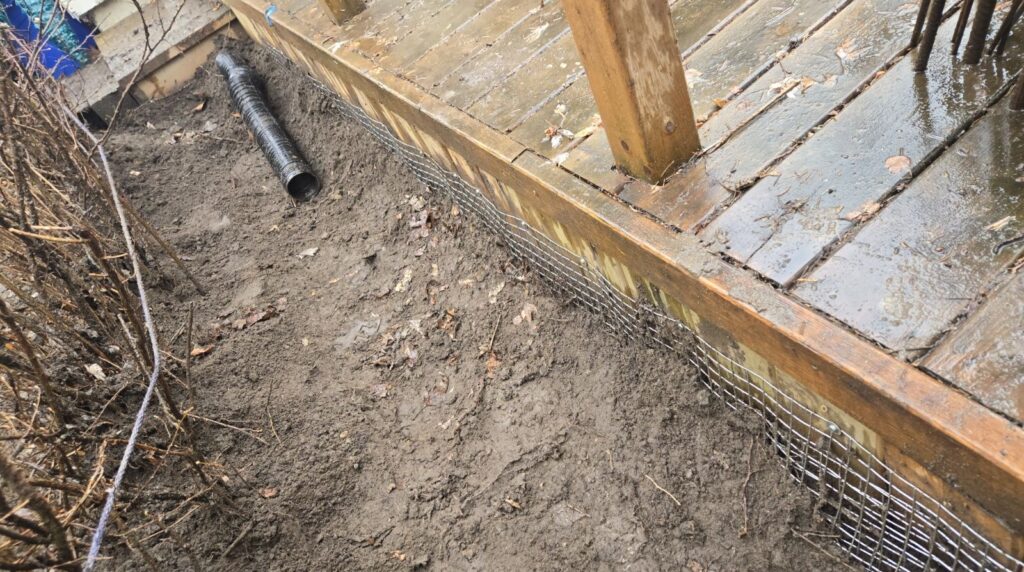
Shelter alone does not explain every visit, because the space must also be reachable. Loose panels, damaged covers, and gaps beside steps can provide access without a large, obvious hole. Our team checks how each opening developed and whether it leads beneath an outdoor structure or inside the building.
- Loose Lattice and Damaged Skirting: Decorative lattice may hide the space beneath a deck without making it secure against entry. Broken sections, loose edges, or missing fasteners can leave an opening that receives repeated attention. Weather and age may contribute to the damage before wildlife uses it. We assess both the access point and the surrounding material when planning prevention.
- Openings Around Crawl-Space Access: A loose access cover or damaged vent may provide a route into an enclosed crawl space. This is different from resting beneath an outdoor deck because the opening leads into part of the building. Nearby insulation or other materials may become affected if the space is occupied. Our team checks the connection and the evidence inside before recommending closure.
- Gaps Beside Steps and Deck Supports: Openings can sit where steps, supports, walls, and ground surfaces meet. Some are difficult to see from the parts of the yard you normally use. A visible gap may also lead farther beneath the structure than expected. You should leave close inspection to our team rather than crawling underneath to find where it ends.
Quiet Spaces Can Become Familiar Stops
A deck that receives less use in late autumn may provide a quieter place to rest. Outdoor furniture, enclosed corners, and the shape of the structure can also limit visibility. A visitor may investigate these conditions without immediately settling there.
If the location remains useful, it may become part of a regular route. They can return to a familiar sheltered spot after feeding elsewhere. Repeated visits suggest ongoing interest, but they do not prove that the same occupant stays there every day.
Our team considers how the space is used rather than relying on the number of sightings alone. We check whether there is evidence of resting, regular entry, or movement towards the home. This distinction helps us choose a response suited to the property.
Nearby Food Can Encourage Return Visits
Accessible garbage, outdoor food, spilled seed, and remaining fallen fruit can give raccoons another reason to visit a yard. A sheltered area nearby may then receive attention during those trips. Food and cover can work together, though neither confirms a den by itself.
Feeding and resting may happen in different locations. A visitor near the garbage could shelter off the property, while an occupant beneath a deck may travel elsewhere to eat. The first place you see movement may therefore reveal only part of the pattern.
Our assessment considers available food alongside access and shelter. We explain which conditions may support continued visits and how they relate to the building. If waste or nesting material is present, you should leave the affected area untouched for professional assessment.
Repeated Signs Matter More Than One Sighting
You may notice the same opening receiving attention before you ever hear movement beneath the floor. Several signs together can help show whether the activity is more than a brief yard visit. Our team compares sightings, sounds, damage, and other evidence rather than treating one clue as a complete answer.
- Movement Beneath the Same Structure: Repeated sightings entering or leaving one area deserve closer assessment than a single crossing through the yard. The route may lead to a resting place, another exit, or an opening beside the house. You can tell us what you noticed from normal use of the property without approaching the entrance. We inspect where the route leads and how it connects with nearby spaces.
- Scratching or Thumping Below Floors: Heavy movement or scratching may be heard beneath a deck or above an enclosed crawl space. The sound can seem closer or farther away because framing carries noise through the structure. Timing helps guide the investigation, but it does not confirm the occupant or exact location. We compare the noise with physical evidence before drawing a conclusion.
- Shifted Panels or Damaged Materials: Torn skirting, moved covers, and disturbed edges may show that an opening has received attention. These changes can also result from weather, loose fasteners, or general building wear. A damaged panel alone does not tell you when entry occurred or whether the space remains occupied. Our team assesses the cause and checks the areas beyond the visible damage.
- Waste or Unexplained Odours: Accumulated waste or an unusual odour near the structure can indicate a problem needing assessment. Neither sign identifies the occupant or proves that a resting place sits directly beside it. You should not handle waste or enter the space to locate the source. We assess the affected area and explain any professional cleanup needed.
A Deck Shelter and a Crawl-Space Entry Are Different Problems
The area beneath an outdoor deck may offer shelter without providing access to the home. A foundation wall can separate that space from the building interior. Our team checks for openings rather than assuming the two areas are connected.
An enclosed crawl space is part of the building and may contain insulation, pipes, wiring, or other services. Its temperature and moisture levels depend on the design and condition of the home. It should not automatically be described as warm, dry, or connected to every room above it.
The occupied space affects both removal and prevention work. A deck perimeter may need a different exclusion plan from a damaged crawl-space cover. We inspect the full route so the work addresses the actual access rather than only the place where activity was first noticed.
Coquitlam’s Wet Fall Adds Context to the Inspection
Coquitlam’s cooler, wet autumn conditions can make protected resting places useful in November. Rain may affect exposed shelter, while some covered property areas remain more comfortable. The amount of protection varies with drainage, overhead cover, and the surrounding structure.
Homes near wooded areas, parks, and greenways may sit close to established travel routes. Fences and yard edges can connect those routes with residential properties. A deck or crawl-space opening may be encountered during normal movement through the area.
Local surroundings help guide our inspection, but they do not prove occupancy. Our Coquitlam team assesses access beneath structures and around crawl-space openings alongside other property evidence. We build the plan around what is happening at the home, rather than its location alone.
Resolve Shelter Use with Skedaddle’s Professional Team
Our professional wildlife team starts with an inspection of the deck, crawl-space openings, and nearby building connections. We establish whether the signs involve passing visits or occupied shelter. That assessment guides the raccoon removal and prevention plan.
Where suitable, our one-way doors allow wildlife to leave but prevent re-entry. We account for any occupants unable to exit independently before relying on that approach. The space must be confirmed clear before permanent exclusion is completed.
Our team also assesses contaminated materials for professional cleanup. Durable screening or other exclusion work may be used to secure ground-level access, depending on the structure. We explain what needs attention so you do not have to enter the space or handle affected materials.
Occupancy Must Be Confirmed Before Access Is Secured
A quiet opening can still lead to an occupied resting place, especially when colder weather reduces movement. Closing the route too early could trap an occupant or block access before removal is complete. Our professional team checks the space and relevant entrances before permanent exclusion begins.
- Assess the Space Behind the Opening: A resting area may sit well beyond the entrance and remain hidden from outside. Looking at the gap alone cannot confirm whether the whole space is empty. Our team inspects accessible areas and chooses suitable methods for spaces that are harder to assess. We use the findings to plan removal before the route is secured.
- Compare Evidence Over Time: Signs of movement and regular use help us assess whether an opening remains active. One quiet period is not enough to confirm departure, particularly during colder weather. We consider the condition of the entrance alongside evidence found beneath the structure or inside the crawl space. You do not need to place objects, powders, or other materials at the opening.
- Check Every Relevant Route: The most visible entrance may be only one way into the sheltered space. Another opening could connect with the yard or lead towards the building. Our team checks these routes and accounts for all occupants, including dependent young if present. Permanent closure follows an assessment of the space, not simply the departure of one visible individual.
Frequently Asked Questions
Does one November sighting mean a den is present?
No, a single sighting may show exploration or movement through the yard. The visitor could be searching for food without resting on the property. Repeated use of one opening provides more useful information, especially when other signs appear. Our team checks the space before confirming shelter use.
Can they remain beneath a deck without making much noise?
Yes, resting occupants may remain quiet for long periods. Activity may also occur when the household is asleep or away. The materials above the space can affect how easily movement is heard. Silence alone cannot confirm that the area is empty.
Are all crawl spaces warmer than the outdoors?
No, conditions vary with the building’s design, insulation, and exposure. Some crawl spaces offer protection from wind and rain without being heated. Moisture can also make parts of the space less suitable for resting. We assess the actual conditions instead of assuming that every enclosed area provides warmth.
Will they leave once the rain stops?
Improved weather does not guarantee that a useful resting place will be abandoned. They may continue returning if access and shelter remain available. Quiet days after a storm do not prove that the space is clear. Our team assesses occupancy before securing the entrance.
Have the Space Checked Before Winter Use Continues
You may notice November visits because covered areas offer relief from rain, wind, and cooler weather. Quiet resting places, accessible openings, and nearby food can make decks and crawl spaces worth exploring. However, one sighting does not prove that a den has been established.
Repeated movement near the same entrance, damaged materials, sounds beneath floors, or waste deserve professional attention. You should not enter the space, touch affected materials, or block a suspected route. A resting occupant may remain hidden even when the opening looks quiet. Inspection must come before removal, cleanup, or permanent closure.
At Skedaddle Humane Wildlife Control in Coquitlam, we assess the structure and explain what the evidence shows. Our team completes humane removal when needed, handles professional cleanup, and secures vulnerable access points. We base the work on the occupied space and its connections with the property. Contact us to schedule a professional assessment or request an estimate to learn more.

 Loading...








