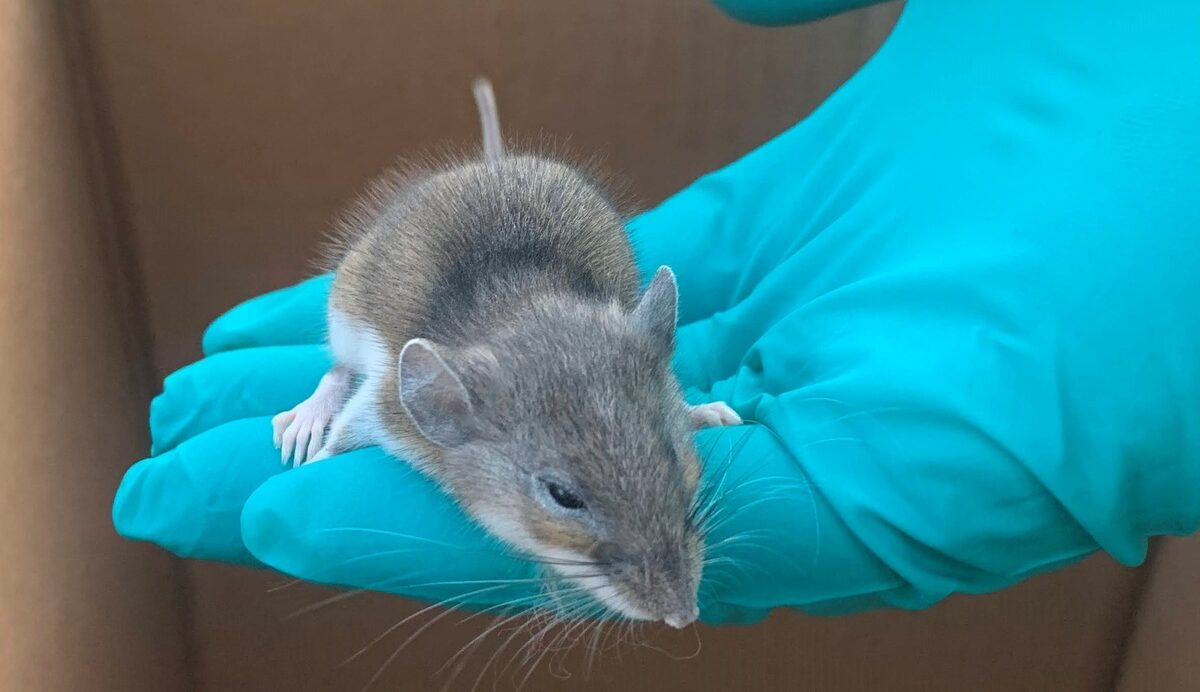
You have caught a few mice, moved the pet food into a sealed container, and checked behind the refrigerator. Then another mouse appears, or scratching returns to the basement ceiling. It can feel as though you are starting over every few days.
For Madison homeowners, November is a useful time to look beyond individual encounters. The questions are not just how to remove mice, but how they are getting inside and what contamination remains afterward.
A complete response connects humane removal with exclusion, safe cleanup, and assessment of damaged materials. Each step addresses a different part of the problem.
Why do I keep getting mice after trapping?
Traps can capture mice already inside, but they do not close the openings that allow entry. Continued activity may involve remaining mice, additional arrivals, or overlooked access routes. Wisconsin DHS recommends checking for gaps inside and outside the home and sealing them to prevent entry. Cleanup must also address waste left behind.
Why Do Mice Move Indoors in Late Fall?
Cold weather does not mean mouse activity stops. Texas A&M AgriLife Extension notes that house mice do not hibernate. Its rodent guidance explains how food and shelter influence their use of buildings.
November preparations provide a practical opportunity to notice concerns. Bringing storage bins indoors, putting away garden equipment, or organizing the garage may reveal damaged packaging or an opening previously hidden by belongings.
A seasonal sighting does not establish when mice first entered. Activity may be recent, or evidence may have remained concealed until something was moved.
Whether you own an older home near the isthmus or a newer property elsewhere in the city, focus on the building’s actual condition. Construction age alone cannot tell you whether exterior openings are available.
Start with observations you can make safely. Those details help guide a professional assessment without requiring you to dismantle walls or disturb insulation.
What Signs Suggest Mice Are Using Walls, Basements, or Attics?
A mouse seen in the kitchen may be the first obvious concern, but an inspection should consider more than that room. Wisconsin DHS recommends looking for evidence of rodents and checking for openings throughout the home.
Observations worth reporting include:
- Droppings near stored belongings or wall edges.
- Gnawed packaging and damaged boxes.
- Shredded material gathered in sheltered locations.
- Recurring scratching or rustling.
- Sightings in garages, basements, or living areas.
These clues need interpretation. Scratching alone cannot identify the animal responsible, and one sighting cannot establish how many mice are present.
Record the location, date, and frequency of what you notice. Photograph accessible evidence without moving suspected nests or handling waste.
If you are unsure whether the animal was a mouse or rat, our guide to mice versus rats in Madison offers additional context. Identification should support an inspection rather than depend on one brief glimpse.
Why Isn’t Trapping Enough to Prevent Recurring Activity?
Catching mice and preventing entry are different tasks. A trap does not repair a worn garage-door seal or close an opening around a pipe.
Continued activity can have several explanations. Mice may remain in concealed spaces, additional animals may be entering, or part of the access problem may have been overlooked. An assessment helps distinguish those possibilities.
Housekeeping also serves a separate purpose. Securing food and organizing storage can reduce available resources and make evidence easier to spot. These habits support exclusion without replacing it.
Our article on making your home less attractive to mice explores practical prevention habits.
Before permanently sealing a suspected active opening, have occupancy and access assessed. Removal and repairs need to be coordinated so animals are not left inside.
The goal is to address current activity and the routes that could allow it to continue, followed by cleanup, decontamination, and assessment of restoration needs.
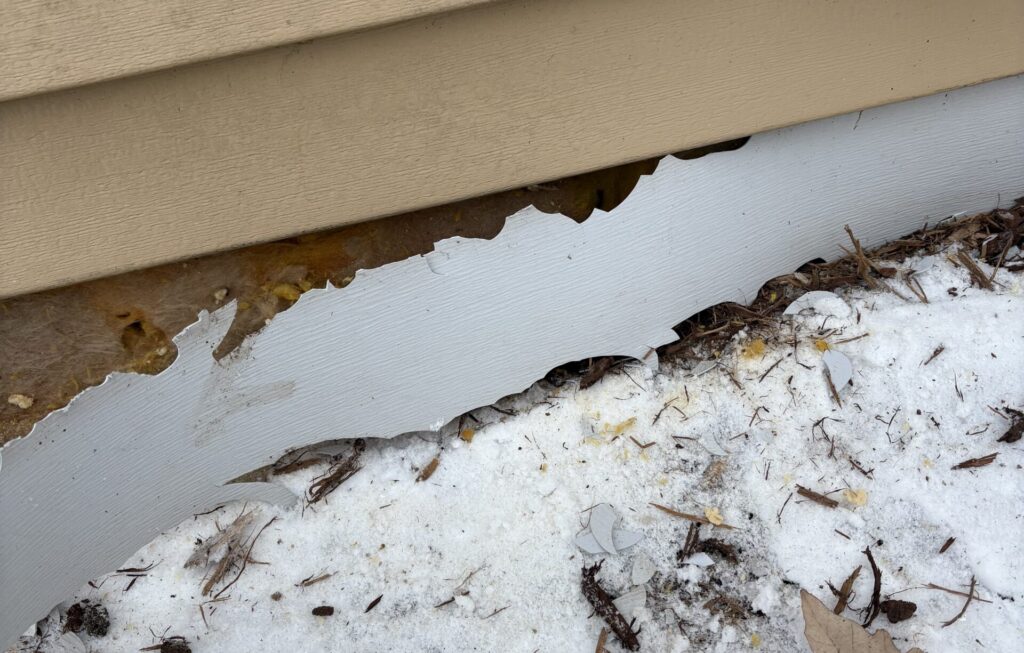
Where Should You Check for Entry Points in Madison Homes?
Begin with a ground-level walk around the accessible exterior. Wisconsin DHS advises checking for gaps both inside and outside the home and sealing openings to prevent rodent entry.
Pay attention to:
- Foundation and sill transitions: Look for visible separation where the foundation meets the wall above.
- Utility penetrations: Observe gaps around pipes, cables, and service installations.
- Garage doors: Check bottom seals, lower corners, and side weatherstripping.
- Exterior doors and basement windows: Note deteriorated surrounds or incomplete closing.
- Roof-to-wall connections: Photograph visible damage from the ground and leave elevated inspection to professionals.
A visible gap is a concern to evaluate, rather than proof that mice are using it. Some routes may also be hidden behind finishes or stored materials.
Inside, an opening beneath a sink may connect to a wall cavity while a separate exterior gap provides entry from outdoors.
Repairs must suit the opening and preserve ventilation, drainage, and utility functions. Avoid disturbing service connections or filling spaces without understanding their purpose.
Are Mouse Droppings a Health Risk?
Rodent waste needs appropriate precautions. Wisconsin DHS identifies deer mice and white-footed mice among rodents associated with hantavirus and explains that infection can occur through exposure to infected rodents’ urine, droppings, and saliva.
This does not mean every mouse is infected. Nor can the appearance of droppings establish infection. The useful response is to avoid unnecessary contact and arrange appropriate cleanup.
Keep children and pets away from affected areas. Do not handle suspected nesting material simply to see what is underneath it.
If you become ill after possible rodent exposure, tell your healthcare provider about that exposure. Questions about a particular situation can also be directed to the local health department.
The Wisconsin DHS hantavirus guidance provides health information without requiring homeowners to diagnose the species or disease themselves.
What Do Safe Cleanup, Exclusion, and Restoration Actually Involve?
Effective mouse removal in Madison, WI should account for the animals, their access, and the affected areas. At Skedaddle Humane Wildlife Control, the inspection findings guide the proposed work.
Inspection, Humane Removal, and Exclusion
An assessment considers reported activity, accessible interior spaces, and exterior openings. Humane removal must be coordinated with repairs to identified entrances.
Suitable materials depend on the surrounding construction and the function of the opening. The plan should also explain follow-up recommendations and maintenance that supports prevention.
Skedaddle offers a “lifetime guarantee on all workmanship and materials used to seal your home for life.” Your technician can explain the applicable terms and covered sealing work.
Safe Cleanup and Decontamination
Mouse droppings cleanup involves more than collecting visible pellets. CDC guidance covers urine, nesting materials, dead rodents, and affected surfaces.
Its precautions include:
- Ventilating the space before cleaning.
- Wearing rubber or plastic gloves.
- Avoiding sweeping or vacuuming untreated waste.
- Thoroughly wetting waste with an appropriate disinfectant.
- Observing the specified contact time before removal.
- Disinfecting affected hard surfaces and washing hands afterward.
Follow the complete CDC cleanup instructions, including material-specific disposal guidance. Heavy infestations require additional precautions and appropriate professional assistance.
Damaged Materials and Attic Restoration
Cleaning a hard surface is different from addressing contaminated insulation. CDC guidance identifies contaminated exposed insulation as material requiring removal.
An assessment should establish what is affected and explain the restoration needed. One mouse sighting does not automatically mean all attic insulation requires replacement.
Ask what the proposed scope includes and who will complete any specialist work. The process should finish with appropriate cleanup, decontamination, and attic restoration based on the findings.
Frequently Asked Questions
Do mice hibernate in Wisconsin?
House mice do not hibernate, so winter should not be treated as a period when indoor activity will automatically stop. Species and conditions matter, but recurring evidence deserves assessment regardless of the season. Waiting for warmer weather does not address an available entrance.
Why do I still have mice after setting traps?
Capturing mice does not establish that all indoor activity has ended or that exterior entrances are closed. Remaining animals, additional entry, or overlooked routes may explain continued signs. An inspection can assess those possibilities and coordinate removal with exclusion, cleanup, decontamination, and restoration.
Are deer mice dangerous in Wisconsin?
Deer mice are among rodents associated with hantavirus, according to Wisconsin DHS. That does not establish that a particular animal is infected. Avoid handling mice or disturbing waste, and follow public-health precautions when affected areas need cleaning.
How do I clean up mouse droppings safely?
Follow the CDC’s full instructions for ventilation, protective equipment, disinfectant use, waste removal, and handwashing. Avoid sweeping or vacuuming untreated waste. The approach also depends on the surface and extent of contamination, with additional precautions needed for heavy infestations.
Do I need to replace attic insulation after mice?
Not every sighting means insulation replacement is necessary. An assessment should determine whether insulation is contaminated or damaged and identify the affected area. Ask for an explanation of the recommended restoration and confirmation of which services are included in your proposed scope.
Does Skedaddle guarantee its mouse exclusion work?
Skedaddle provides a “lifetime guarantee on all workmanship and materials used to seal your home for life.” Your technician can explain its terms and identify the covered repairs. Keep the written scope and guarantee details with your service records.
How Can You Book a Madison Mouse Inspection?
If you keep finding evidence after trapping, investigate the wider problem. Document the signs, check accessible exterior areas, and have suspected active entrances assessed before attempting permanent repairs.
Contact Skedaddle Humane Wildlife Control serving Madison to discuss concerns at your home, including properties in Middleton, Fitchburg, and Verona. Our team can assess activity and access, then explain a humane removal and exclusion plan that addresses cleanup, decontamination, and appropriate attic restoration.

 Loading...