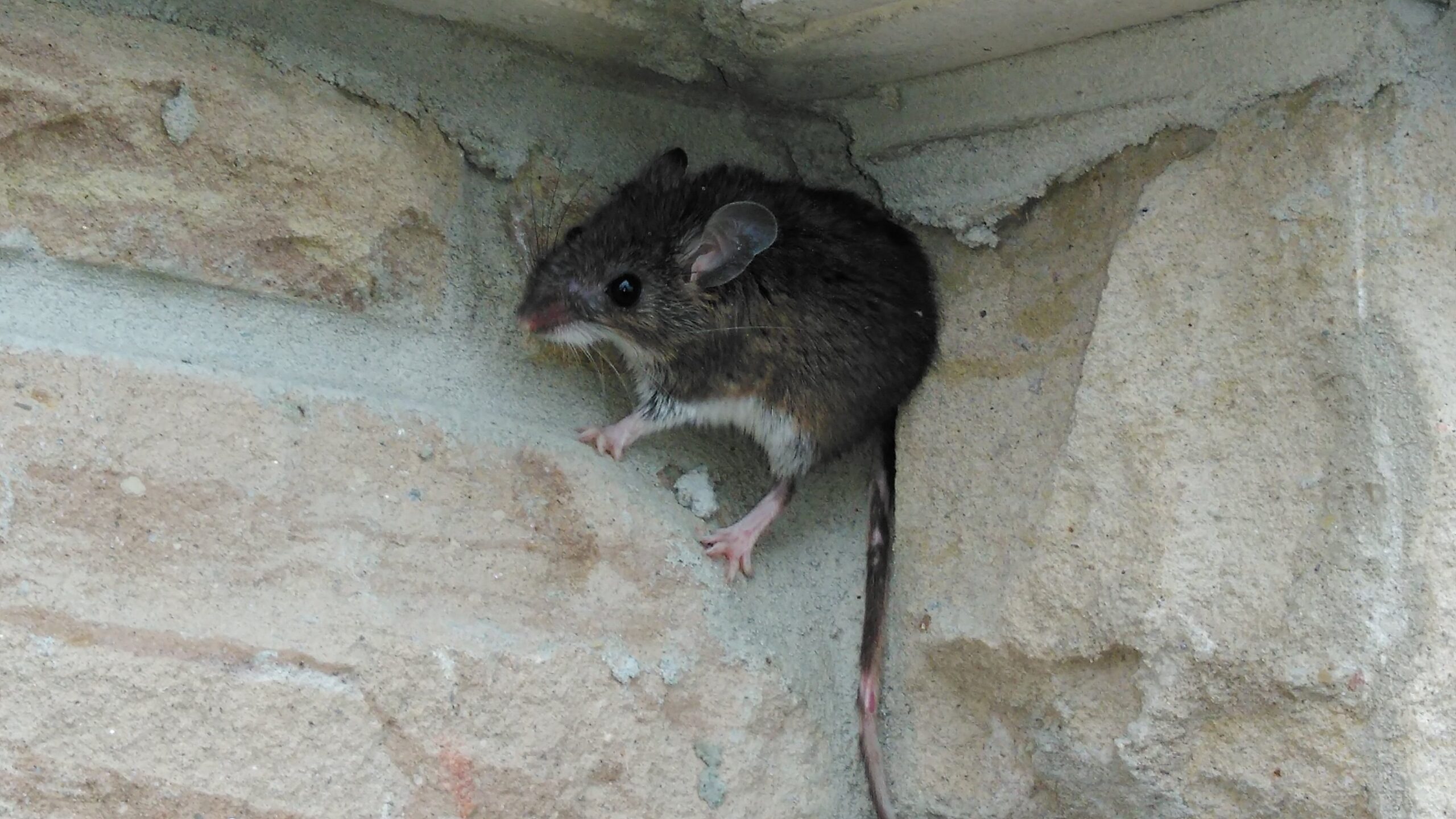
You head into the garage for winter boots and notice shredded cardboard beside a storage bin. Later, faint scratching interrupts a quiet evening indoors. As November brings colder nights, small discoveries like these can leave homeowners wondering how mice found their way inside.
For households in Bridlewood, Kanata Lakes, Morgan’s Grant, and across the surrounding neighbourhoods, late fall is a useful time to check the building exterior. A worn door seal or overlooked utility opening can be easy to miss until signs appear indoors.
The priority is understanding both the activity and the access. Removing mice addresses the animals already present, while appropriate exclusion helps prevent others from using the same entrances.
How are mice getting into my Kanata home?
Mice may enter through gaps around utilities, garage doors, foundations, vents, and roof edges. Health Canada says mice can squeeze through cracks as small as a dime, while deer mice may enter buildings near fields and woodlands in fall. A professional inspection helps identify active entrances and plan appropriate exclusion.
Why Do Mice Move Indoors in Late Fall?
November is an important time to pay attention to mouse prevention, although activity can occur in other seasons. Health Canada notes that deer mice may invade buildings near fields and woodlands in fall. It also identifies house mice as common in urban areas. An indoor sighting therefore does not automatically mean a deer mouse has entered.
Consider your property’s surroundings and condition. A home backing onto green space may warrant attention along its exterior, but a house surrounded by other homes can also have accessible openings. The building itself needs assessment.
Seasonal chores offer opportunities to notice concerns. Moving garden equipment, putting away outdoor furniture, or unpacking winter supplies may expose damaged boxes or gaps previously hidden by storage.
Whether you live in Hazeldean, Kanata South, or Kanata North, use those discoveries as a reason to investigate. The goal is to identify access before unexplained signs become a recurring problem.
What Signs Suggest Mice Are Already Inside?
A mouse crossing the floor is an obvious clue. Other concerns may appear in areas you visit less frequently, including garage shelving, basement storage, and the backs of cupboards.
Look for:
- Droppings along walls or near stored belongings.
- Gnawed food packaging or cardboard.
- Shredded paper or fabric gathered in sheltered areas.
- Recurring scratching or rustling.
- Damage around possible openings.
Health Canada identifies droppings, gnawing, and damage to stored materials among the concerns associated with rodents. However, a sound alone cannot identify the animal responsible or locate its entrance.
Record where and when you notice evidence. Photographs taken without disturbing the area can help explain your concerns during an inspection.
Avoid sweeping or vacuuming suspected rodent waste. Federal guidance warns that this can release contaminated particles into the air. Keep children and pets away while you determine the appropriate cleanup approach.
Which Six Entry Points Should You Check First?
Start with a ground-level walk around your home. These visual checks can reveal maintenance concerns, but they cannot establish whether an opening is occupied or confirm that every entrance has been found.
Dryer Vents and Their Surroundings
Inspect the exterior cover and the surrounding wall. Look for broken components or gaps around the duct penetration.
Visual check: Does the cover appear intact, with no obvious opening around its perimeter?
Dryer exhaust must remain unobstructed. Do not plug the outlet or add screening that could collect lint. Have damaged components assessed for an appropriate repair.
Sill Plates and Foundation Transitions
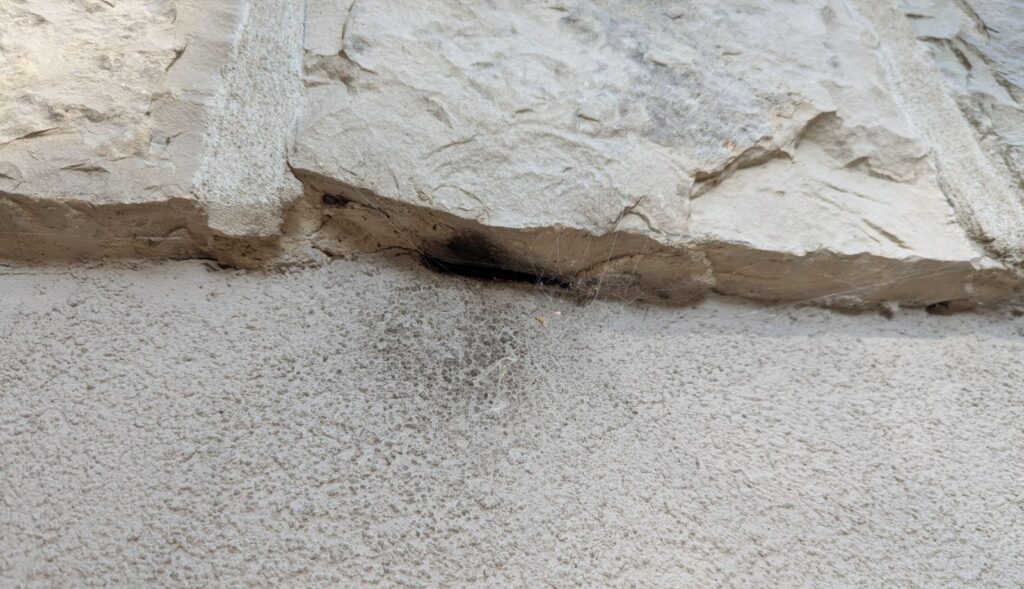
The sill plate is a framing component at the top of the foundation. From outside, focus on accessible areas where the foundation meets the wall finish.
Visual check: Are there visible gaps, deteriorated joints, or damaged materials along that transition?
Some openings may be concealed by siding or other finishes. Leave dismantling and concealed inspection to professionals.
Gas-Line and Other Utility Openings
Pipes, cables, and other services pass through the exterior in several locations. Check for unfinished or deteriorated material around those penetrations.
Visual check: Can you see an open space around a pipe or cable?
Photograph concerns without moving connections. Gas and electrical components require qualified tradespeople where service work is needed.
Garage-Door Seals
Look along the bottom edge, lower corners, and sides while the door is closed.
Visual check: Is the weatherstripping intact, and does the door close fully against the surrounding surfaces?
Ontario recommends fixing poorly fitting doors and avoiding leaving garage doors open. Review daily habits as well as the condition of the seals.
Foundation Cracks and Basement Openings
Check accessible foundation surfaces, basement-window surrounds, and adjoining exterior finishes.
Visual check: Is there a visible opening or deteriorated joint that needs assessment?
A surface crack is not automatically an animal entrance. The depth, connection, and surrounding construction matter.
Roofline Gaps
Observe soffits, fascia, roof intersections, and vent surrounds from the ground.
Visual check: Are panels loose, covers damaged, or materials visibly separated?
Leave elevated inspection to trained professionals. A thorough assessment may need to consider areas beyond the openings visible during your walk.
Why Don’t Traps Alone Solve a Mouse Problem?
A trap does not repair a gap beneath a garage door or secure an opening around a utility line. Even when animals are captured, unresolved entrances remain a separate concern.
This is why removal, housekeeping, and exclusion each have a role. Secure food storage reduces accessible resources. Organizing belongings makes evidence easier to notice. Exclusion addresses access through the building exterior.
Our article on what homeowners miss during DIY mouse removal explores why the wider situation deserves attention.
Have suspected active entrances assessed before permanently closing them. Ontario specifically advises taking care not to seal animals inside when addressing building openings.
An inspection helps coordinate those steps so repairs address the relevant routes without overlooking current occupancy.
What Health and Property Concerns Deserve Attention?
Mouse activity deserves a calm, practical response. Health Canada identifies food contamination and damage to materials, including insulation and wiring, as concerns associated with rodents. Visible wiring damage should be assessed by a qualified electrician.
Some rodents, including deer mice, can carry hantaviruses. This does not mean every mouse is infected. The Public Health Agency of Canada states that hantavirus infections are rare and the overall risk in Canada is low. Exposure to infected rodent waste still requires appropriate precautions.
If you discover droppings or nesting material:
- Avoid sweeping or vacuuming.
- Keep people and pets away from the affected area.
- Follow current federal rodent-cleanup guidance.
- Seek professional help for heavily contaminated spaces.
Do not assume that removing mice completes the work. Contaminated belongings, affected surfaces, and damaged insulation may require separate attention.
How Does Skedaddle Address Mouse Entry and Prevent Recurrence?
Effective mouse removal in Kanata begins with an assessment of the evidence and the building. The room where a mouse appears may provide only part of the picture.
At Skedaddle Humane Wildlife Control, our approach connects humane removal with the access concerns that allow activity to continue.
A property-specific plan includes:
- Inspecting accessible areas and assessing signs of activity.
- Identifying relevant entrances and other access concerns.
- Coordinating humane removal with exclusion.
- Sealing identified openings using suitable rodent-resistant materials.
- Explaining maintenance that supports prevention.
- Completing appropriate cleanup, decontamination, and attic restoration.
The extent of restoration depends on the damage and contamination found. These needs should be explained as part of the proposed work.
Skedaddle provides a “lifetime guarantee on all workmanship and materials used to seal your home for life.” The guarantee relates to the workmanship and materials used for sealing, with its terms explained during the service process.
Homeowners in neighbouring Stittsville can also arrange an assessment. Our Ottawa mouse removal service addresses current activity alongside exclusion and cleanup.
Frequently Asked Questions
How small an opening can a mouse fit through?
Health Canada says mice can squeeze through cracks as small as a dime. Treat small openings as concerns worth assessing rather than trying to determine access by appearance alone. The opening’s shape and connection to concealed spaces also matter.
Why am I noticing mice in November when I did not see them in summer?
Health Canada notes that deer mice may enter buildings near fields and woodlands in fall. Seasonal entry is one possibility, while activity may also have gone unnoticed previously. An inspection helps assess the evidence without assuming when it began.
Are deer mice dangerous?
Deer mice can carry hantaviruses, but a sighting does not establish infection. Canadian infections are rare. Avoid handling mice or disturbing waste, and follow public-health precautions when contaminated areas need cleaning. Seek professional assistance for extensive contamination.
Will traps get rid of mice for good?
Trapping does not close exterior entrances. A broader plan should address current activity, accessible food, and building openings. Recurring evidence warrants reassessment rather than assuming that capturing mice has resolved the access problem.
Do I need cleanup after mice are removed?
Affected areas may still require cleaning and disinfection, while damaged insulation may need restoration. The work depends on what the assessment reveals. Avoid sweeping or vacuuming suspected waste, and follow appropriate guidance or seek professional cleanup assistance.
Does Skedaddle guarantee its mouse exclusion work?
Skedaddle offers a “lifetime guarantee on all workmanship and materials used to seal your home for life.” Ask your technician to explain the applicable terms and covered work, including how future alterations or unrelated building damage are handled.
How Can You Book a Kanata Mouse Inspection?
November preparations are a useful reminder to check doors, utility openings, foundation transitions, and visible roof features. If you discover droppings, damage, or recurring scratching, document the signs and arrange an assessment before sealing suspected entrances.
Contact Skedaddle Humane Wildlife Control serving Ottawa to discuss your concerns. Our team can assess your property and develop a humane mouse removal, exclusion, cleanup, and restoration plan suited to your home.

 Loading...