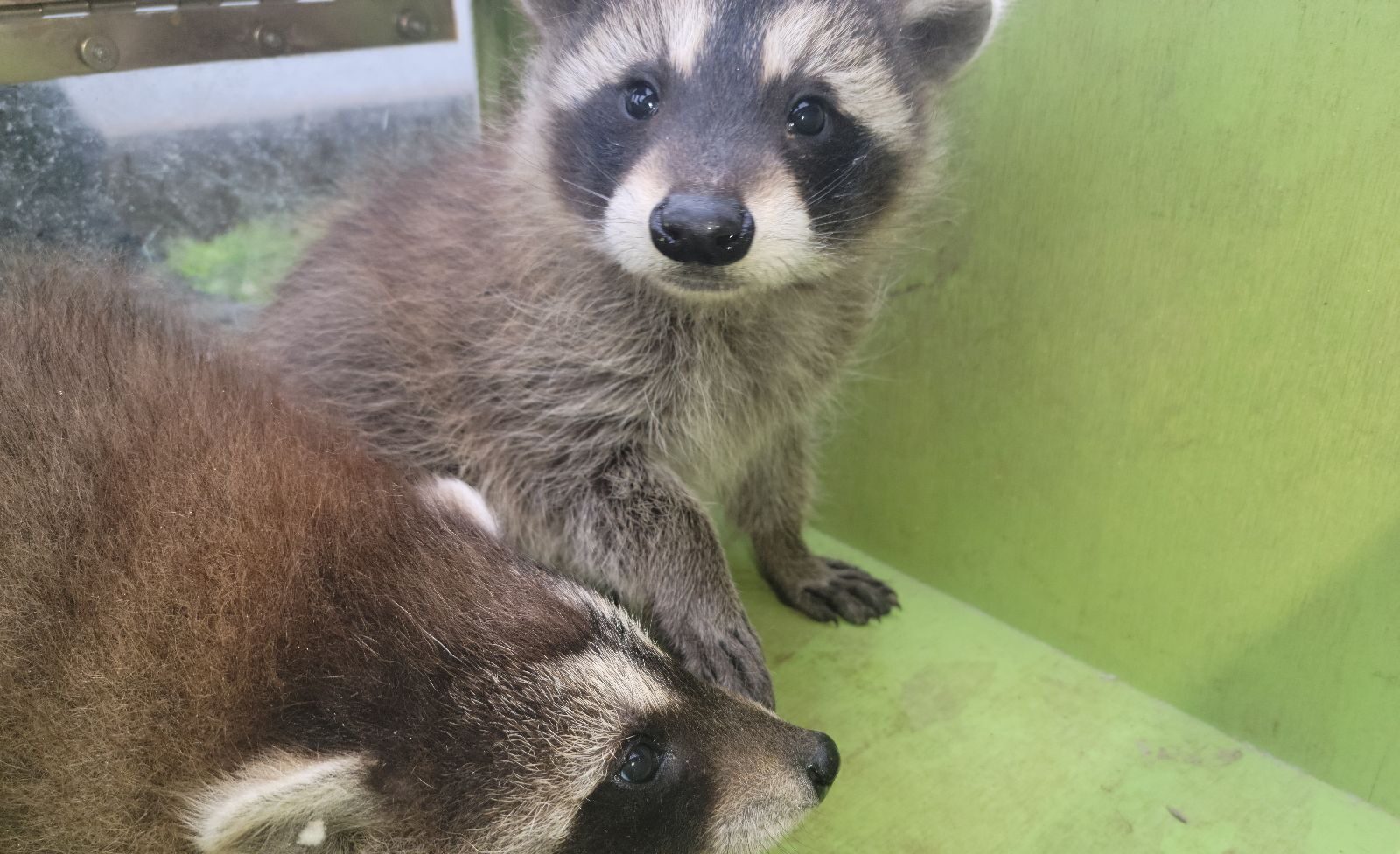
Your dog goes out for a late-night bathroom break. Your cat is roaming the backyard after dark. And somewhere nearby, a raccoon is doing exactly what these animals do, foraging, exploring, and looking for food and shelter. Most of the time, nothing happens. But when one feels cornered or threatened, it will defend itself, and a pet that gets too close can get seriously hurt.
Yes, raccoons can hurt your pet. They have sharp claws and teeth, they carry diseases like rabies and roundworm, and they will fight back aggressively if they feel trapped. A dog or cat that encounters one near a den site is at the highest risk, because a mother protecting her young is especially defensive and will not back down easily.
At Skedaddle Humane Wildlife Control in Colorado, we keep pets safe by removing these animals from properties humanely and sealing every entry point so they can’t come back. In this blog, we explain the real risks they pose to your pets, how they get onto your property in the first place, and what our team does to make sure your yard and your home stay safe for the animals you actually want there.
What to Do If a Raccoon Gets Into Your House?
Call our professionals immediately. Do not try to approach, corner, or remove it yourself. One that has found its way inside your home is stressed and disoriented, which makes it unpredictable and more likely to scratch or bite. Keep your pets and family away from the area and leave the doors to the outside open if it’s safe to do so, but do not try to herd or chase it out on your own.
The bigger concern is figuring out how it got in. A raccoon that found its way inside your home didn’t get there by accident, it came through a gap, a broken vent, or a weak spot in your soffit or roofline that it had been testing for some time. If one got in once, another one can get in the same way, and that means your pets are at ongoing risk every time they’re in the affected area.
Our team at Skedaddle handles these situations regularly across Colorado. We assess the full structure, find exactly where they got in, remove the animal safely using our one-way door system, and seal every opening permanently so the situation can’t repeat itself. You should not go near the area where it entered, any droppings, or any nesting material. Our team handles all of it from start to finish.
The Real Risks Raccoons Pose to Pets
Raccoons and pets are a dangerous combination, and the risk is higher than most pet owners realize. One that is foraging in your yard is usually not looking for a fight, but the moment it feels threatened by a curious dog running toward it or a cat that gets too close – the situation can change fast. Raccoons are strong for their size, quick, and equipped with sharp claws that can cause serious injuries in seconds.
The disease risk is just as serious as the physical one. Raccoons are one of the most common carriers of rabies in North America, and a single bite or scratch from an infected animal can put your pet’s life at risk. They also carry roundworm, a parasite found in their droppings that can infect dogs and cats who come into contact with contaminated soil or surfaces in your yard. These health risks don’t require a direct fight, just proximity to where these animals have been active.
The risk is highest when they are nesting on your property. A mother with young nearby is significantly more aggressive than one that’s just passing through. If they are denning under your deck, in your attic, or inside your shed, your pets are sharing their space with a defensive adult that considers the area its territory. That’s the situation our team is called in to resolve.
How They Get Onto Your Property
Raccoons are smart, persistent, and very comfortable in residential neighborhoods. They use trees, fences, rooftops, and any elevated structure to move through yards and onto properties with ease. A yard that offers food, shelter, and easy access is one they’ll return to every night, and the more often they visit, the more comfortable they become and the higher the chance of a close encounter with your pet.
Food is the main driver. Garbage bins left out overnight, pet food left on the deck, compost that isn’t properly secured, and birdseed spilled on the ground all pull them onto your property consistently. One that finds a reliable meal in your yard is also checking the rest of your property for a safe place to rest nearby, which often means your deck, your shed, or your attic.
Structural access points make the problem worse. Damaged roof vents, gaps along the soffit, and the space under your deck are all spots our team finds being used regularly during Colorado inspections. The closer these access points are to where your pets spend time – the backyard, the garage, near the back door – the higher the risk of a direct encounter.
Securing Entry Points to Keep Them Out
The most effective way to protect your pets is to make sure raccoons can’t get onto your property or into your home in the first place. Sealing every entry point on your home’s exterior removes the shelter option that keeps them coming back night after night. Here’s what our team addresses during the inspection and exclusion process:
- Roof Vents and Soffit Gaps: Damaged or plastic vent covers are easy to pull away or push through, and gaps along the soffit give direct access to your attic. Our team replaces all compromised vent covers with heavy-gauge steel versions and seals every soffit gap with durable materials that hold up against persistent pressure and prying. These are the most common entry points our team finds on Colorado homes.
- The Space Under Decks and Sheds: The area under a deck or shed is one of the most attractive denning spots in any residential yard – it’s dark, sheltered, and close to food. A mother with young under your deck is one of the most dangerous situations your pets can encounter. Our team installs heavy-gauge mesh around the full perimeter of these structures after confirming the space is clear, so it can’t be used as a den site going forward.
- Gaps Around Pipes and Foundation Cracks: Where pipes pass through the foundation or exterior walls, small gaps are often left unsealed. These gaps give these animals a starting point to push through into crawlspaces and wall cavities. Our team checks every pipe penetration and foundation gap during the inspection and seals them with materials that can’t be pushed through or widened from the outside.
Cleaning Up Contaminated Areas
After raccoons have been removed from a property, the areas they used need to be properly cleaned. Droppings, urine, and nesting material left behind carry bacteria and parasites that pose real health risks to your pets, especially roundworm, which can infect dogs and cats that come into contact with contaminated soil or surfaces. Homeowners should never attempt to clean any of this themselves, our team handles all of it.
Our team clears all nesting material, droppings, and contaminated debris from the den site and applies professional-grade deodorizers that neutralize the scent markers left behind. This step matters for your pets specifically – the smell of a previous den is a signal to others in the area that the spot is safe and established. Removing that scent reduces the likelihood that another one moves into the same spot and puts your pets at risk again.
Any insulation or structural material that has been contaminated during the infestation is assessed and flagged during the cleanup phase. Contaminated insulation in an attic or crawlspace poses an ongoing risk to the health of anyone (pets included) who spends time in or near that part of the home.
Applying Professional Deodorizers After Removal
Even after raccoons have been removed and the space has been cleared out, the smell they leave behind keeps creating problems. They mark their territory with scent, and that scent stays in the walls, attic, and den site long after they’re gone. It acts as a signal to others in the area that your home is a safe, established spot and without proper treatment, new ones will find their way back to the same location. Here’s how our team addresses the odor problem:
- Neutralizing Scent Markers Left Behind: Raccoons leave behind urine, droppings, and gland secretions that create a strong scent trail others can detect from a distance. Standard cleaning products don’t break down these compounds the way professional-grade deodorizers do. Our team applies specialized neutralizing formulas directly to the affected areas so the scent signal is fully eliminated, not just covered up.
- Making Your Attic Less Attractive to Future Visitors: A deodorized attic or den site is significantly less appealing to the next one that comes looking for a nesting spot. The scent of a previous nest is one of the strongest signals that a location is safe and worth using, and removing it is a key part of making sure the same problem doesn’t come back the following season. Our team treats every affected area as part of the cleanup process before any sealing work begins.
- Protecting Your Pets From Lingering Contamination: The compounds left behind in droppings and urine carry bacteria and parasites that pose real health risks to pets, especially dogs and cats who spend time near the affected area. Deodorizing and sanitizing the space removes these risks along with the smell. Our team handles all of this – homeowners and their pets should stay away from any area where these animals have been active until our team has completed the full cleanup.
Employing Humane Removal Methods
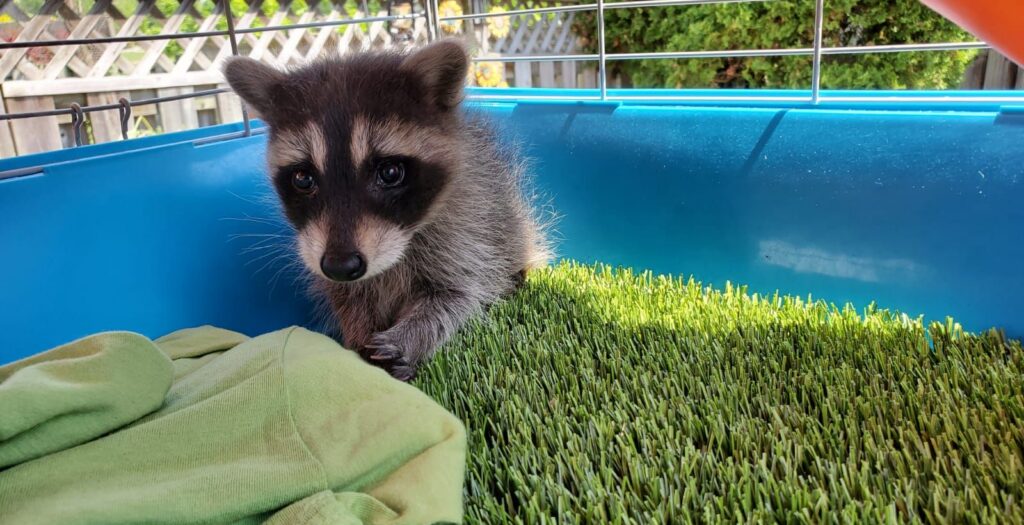
Getting one of raccoons out of a tight space inside your home requires the right tools and the right training. A cornered animal in a wall cavity, attic, or crawlspace is stressed and defensive and trying to handle that situation without experience puts both the person and the animal at serious risk. Our team uses hands-on humane methods to safely extract them from even the most difficult spots without putting your family or pets in danger. Here’s how we do it:
- Hands-On Extraction From Tight Spaces: When one is stuck in a wall cavity, behind insulation, or in a confined attic space, our team uses specialized tools to safely extract it without causing harm. This is not a job for an untrained person, a defensive animal in a tight space will scratch and bite if it feels trapped, and the risk of injury and disease transmission is high. Our team has the training and equipment to handle these situations safely and efficiently every time.
- One-Way Door Systems for Active Entry Points: Raccoons that are coming and going from a den site inside your home, our team installs one-way door systems at the active entry points. These allow them to leave the structure on their own but prevent them from getting back in. It’s one of the most effective and humane methods available, it works with their natural behavior rather than forcing a confrontation.
- Safe Handling When Young Are Present: If a mother and her young are found during the removal process, our team handles the situation with extra care. Young ones that can’t yet move on their own are placed in a secure, insulated box just outside the entry point, giving the mother a chance to gather them and move them to a new den once she exits through the one-way door. You should never attempt to handle young ones yourself. Call our team right away and leave the area alone until we arrive.
Preventing Backyard Territorial Fights
Raccoons are territorial, and when they’ve decided your yard is part of their nightly route, they act like they own it. A dog or cat that wanders into the wrong part of the yard after dark can end up face to face with one that has no intention of backing down. These encounters happen fast, and by the time you hear the noise from inside the house, the damage is already done. The best way to stop it from happening is to make sure they aren’t comfortable in your yard in the first place.
Our team removes the things that are drawing them to your property and seals off every spot they’ve been using to rest and hide. One that can’t find food or shelter in your yard will move on and look somewhere else. That means less nighttime activity near your back door, your fence line, and the areas where your pets spend time. Once the attractants are gone and the den sites are sealed, the risk of a surprise encounter drops significantly.
Keeping your pets safe outside at night isn’t just about supervision. It’s about making sure the yard itself is no longer a place raccoons want to be. Our team looks at the full picture during every inspection, from food sources to den sites to the structural entry points that are giving them access to your property. When all of those things are addressed together, the backyard stops being a place where territorial fights can happen and goes back to being a safe space for your pets.
Protecting Against Rabies and Disease Transmission
Raccoons are one of the most common carriers of rabies in North America, and Colorado is no different. A pet that gets into a fight with an infected one or even gets scratched while checking one out, can be exposed to the virus. This is one of the biggest health risks that comes with having raccoons active on your property, and it doesn’t go away until they do.
Rabies isn’t the only thing to worry about. Roundworm is a parasite that lives in their droppings and can make dogs and cats very sick if they come into contact with contaminated soil, grass, or surfaces in your yard. Your pet doesn’t have to be in a fight to be at risk, just sniffing around a spot where raccoons have been is enough. That’s why our team’s cleanup work is just as important as the removal, and why the affected areas need to be fully treated before your pets go back outside.
The best thing for your pets is a property where raccoons are no longer around. Our team removes them safely, cleans every area where they’ve been, and seals every entry point so they can’t come back. Once that’s done, the disease risk is gone too. If you think these animals have been near where your pets spend time, call us right away and keep your pets away from that area until our team has taken care of it.
Raccoon Removal and Prevention with Skedaddle
When our team arrives at your Colorado home, we check the full outside of the property first. We look at the roofline, every vent, the foundation, the garage, and the space under every deck and shed for signs of activity and ways they could be getting in. We also look at what’s pulling them to your property: food sources, shelter spots, and weak points in the structure all play a role.
Our removal process uses one-way door systems at every active entry point. These let them leave the structure on their own but stop them from getting back in. Once the space is confirmed clear, we seal every opening for good using heavy-gauge steel and strong materials that hold up over time. All cleanup of droppings and nesting material is done entirely by our team, never go near any of this without the right protective gear. If you think raccoons are on your property or near where your pets spend time, call us right away.
Raccoon Challenges in Colorado
Colorado has a mix of neighborhoods, foothills, and green spaces that keep raccoons active all year long. Cities along the Front Range like Denver, Fort Collins, Colorado Springs, and Boulder, sit right next to parks, creek paths, and open land where large numbers of them live. They move through residential streets often, and any yard that offers food and shelter will get visited night after night.
Colorado’s winters are milder than in many other states, which means these animals stay active for more months out of the year. That longer active season means your pets face more chances of an outdoor encounter, and it means denning in attics, under decks, and in sheds can happen almost any time of year. Spring is the busiest time for calls across Colorado, as mothers look for safe, quiet spots to raise their young, but our team takes calls all year long.
Older neighborhoods across the Front Range tend to have the kinds of weak spots that make it easier for raccoons to get in, worn roof vents, cracked soffits, and gaps around old pipe openings that were never properly sealed. Our team knows what drives activity in Colorado’s different communities and knows exactly what to look for when we check a property anywhere in the state.
Frequently Asked Questions
Can raccoons give my dog or cat rabies?
Yes. They are one of the most common carriers of rabies in North America. A bite or scratch from an infected one can transmit the disease to your pet. If your pet has had any contact with one, contact your veterinarian right away, don't wait for symptoms to appear.
What does roundworm do to pets?
Roundworm is a parasite found in droppings that can infect dogs and cats who come into contact with contaminated soil or surfaces. Infection can cause serious neurological damage. Pets that spend time in areas where raccoons have been active should be checked by a vet if any symptoms appear, and the contaminated area should be cleaned by our team before pets are allowed back in.
How do I know if raccoons are coming onto my property at night?
Common signs include tipped or raided garbage bins, disturbed compost, small muddy paw prints near the deck or back door, and sounds near the attic or under the deck after dark. If your pet is acting anxious or agitated near a specific area of the yard at night, that's worth paying attention to as well.
Are raccoons more dangerous during certain times of year?
Yes. Spring is the highest-risk period because mothers are raising young and are much more aggressive than usual near their den sites. One that would normally move away from a pet may stand its ground or attack if it's protecting young nearby. If you notice activity near your home in spring, call our team right away.
Can they hurt a large dog?
Yes. Raccoons are surprisingly strong and fast, and a cornered or defensive one will fight back regardless of the size of the dog. Larger dogs are less likely to be seriously injured, but the risk of bites, scratches, and disease transmission applies to dogs of all sizes.
Your Pets Shouldn’t Have to Share Their Space
A raccoon in your yard or your home isn’t just an inconvenience, it’s a direct risk to the pets you care about. The physical danger of an encounter, the disease risk from droppings and bites, and the stress of sharing space with a territorial animal that’s denning nearby are all real problems that don’t go away on their own.
Most pet owners don’t realize how active raccoons have been on their property until something happens. By then, the den is established, the contamination has built up, and the risk to your pets has been present for weeks. The best move is to call our team before it gets to that point.
At Skedaddle Humane Wildlife Control in Colorado, we handle everything from the first inspection to the final seal. Our team removes any animals present using our one-way door system, cleans and decontaminates every affected area, and seals your home and yard permanently. You don’t need to do a thing except call us. Request an estimate today and let our team make sure your home is safe for the pets who belong there.

 Loading...