You walk out to your backyard one morning and catch a smell that stops you in your tracks. You look around and don’t see anything obvious, but the odor is coming from somewhere close — maybe under your deck, maybe beneath the shed in the corner of your yard. That’s when it hits you. Something has moved in, and it didn’t ask permission.
Skunks choose decks, sheds, and porches for shelter because these structures offer everything they need in one place — warmth, protection from predators, and a quiet space to rest or raise their young. The dark, enclosed void beneath a low-sitting deck or shed closely resembles the underground burrows they would naturally use in the wild. Your backyard structure isn’t just a coincidence, it’s exactly what they’ve been looking for.
In this blog, the team at Skedaddle Humane Wildlife Control in Columbus explains why these animals are so drawn to the structures in your yard, what problems a denning situation can cause, and why calling our team is the right first step the moment you suspect something is living underneath your deck or shed.
How Long Will a Skunk Live Under a Deck?
A skunk can live under your deck for several months and in some cases, much longer if nothing is done to remove it. These animals don’t move on when the season changes. Once they find a sheltered spot that meets their needs, they stay. What starts as a single animal denning for winter can turn into a family of them by spring when a female gives birth to a litter of kits beneath your structure.
The timeline gets longer when conditions are favorable. A deck that sits close to the ground, has open dirt underneath, and sits near a food source gives these animals very little reason to leave on their own. They are not passing through, they are settling in. Without professional intervention, the situation tends to grow rather than resolve itself.
That’s why our team at Skedaddle always emphasizes acting early. The longer these animals are under your deck, the more established the den becomes and the more damage accumulates to the soil, structure, and surrounding yard. If you’re catching that distinctive smell near your deck or shed, don’t wait to see if they leave on their own. Call us and let our team assess the situation right away.
Natural Burrowing Substitutes
Skunks are natural diggers, and in the wild they would create or find underground burrows to use as dens. When those natural options aren’t available in an urban or suburban setting, the void beneath your deck or shed becomes the next best thing. Here’s why man-made structures are such a close match for what they’re instinctively looking for:
- The Open Soil Beneath Structures Mimics a Natural Burrow: These animals are built to dig, and the exposed dirt along the edges of a deck or shed gives them an easy starting point. The low clearance above and the enclosed feeling on multiple sides closely matches the underground spaces they would naturally use. Once they dig in a few inches, the space feels secure and sheltered in exactly the way their instincts tell them it should. Your deck doesn’t need to have a gap, they’ll create one if the conditions are right.
- Low Clearance Feels Safe and Enclosed: A deck or shed that sits just a few inches off the ground creates exactly the kind of tight, sheltered space these animals prefer. The low ceiling above them limits how predators can approach, and the structure itself provides walls on multiple sides. That combination of enclosure and low entry height feels instinctively safe in a way that open spaces simply don’t. The more enclosed the space feels, the more attractive it becomes as a denning site.
- Familiar Smells and Soil Conditions Draw Them In: Once a skunk has used a space as a den, the scent markings left behind can attract others in future seasons. The disturbed soil and compressed nesting area signal to the next animal that this spot has been used successfully before. Even after one animal moves on, those signals remain and make the same location a target again the following year. Without proper exclusion and treatment, the same structure can become a repeated denning site season after season.
Protection From Elements
One of the most practical reasons skunks choose decks, sheds, and porches is simple: the structure above them keeps the weather out. These animals don’t have the ability to fully hibernate the way some wildlife does, which means they need a sheltered space that stays reasonably warm and dry through the coldest months of the year. Your backyard structures provide that without requiring any effort on their part.
Wind, rain, and freezing temperatures are significantly reduced in the void beneath a low-sitting deck or shed. The ground underneath retains ambient heat, and the structure above blocks direct exposure to the elements. That combination creates a microclimate that is noticeably warmer and more stable than anything available out in the open. For an animal that needs to conserve energy through long periods of cold inactivity, that difference matters enormously.
Summer and fall bring their own draw as well. During warmer months, the shaded and insulated space beneath a deck stays cooler than the surrounding yard, offering relief from heat. As temperatures drop in fall, the same space begins to trap warmth from the ground, making it an ideal place to den up for winter. Your structure works in their favor across multiple seasons, which is why they don’t simply show up in one season and disappear in another.
Safe Rearing Areas
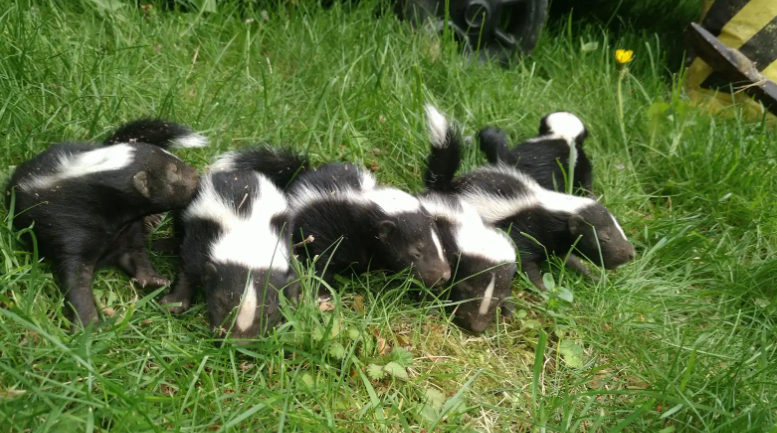
Beyond personal shelter, skunks actively seek out quiet and secluded spaces to raise their young. The area beneath your deck or shed provides exactly the kind of protected environment a mother looks for when choosing a denning site for her kits. Here’s why these structures are so appealing during breeding season:
- Dark, Quiet Spaces Protect Newborn Kits: Female skunks give birth in late spring, and the kits they produce are completely helpless for the first several weeks of their lives. A dark, enclosed space beneath a deck or porch keeps them hidden from predators and away from the noise and activity of the yard above. The mother can come and go to forage while the kits remain safely tucked in the den. That level of seclusion is very hard to find in an urban or suburban yard outside of man-made structures.
- Low Human Traffic Makes Backyard Structures Ideal: Most decks, sheds, and porches sit in areas of the yard that don’t see constant foot traffic, especially along the edges and underneath. That reduced activity makes these spaces feel safer for a mother raising young. Even a yard that gets regular use is unlikely to have anyone crouching down and checking beneath the deck daily. That gap in human presence is exactly the kind of quiet these animals look for when selecting a place to give birth and raise a litter.
- The Den Expands as the Family Grows: A skunk can settle in beneath a shed with very little impact on the surrounding soil. But a mother with a litter of four to six kits needs more space, and the den expands accordingly. Digging increases, soil gets displaced, and the void beneath the structure grows larger over time. That expansion can undermine the stability of the structure above and cause long-term damage to the foundation and surrounding yard if the situation isn’t addressed promptly.
Overwintering Stability
As temperatures drop in Columbus, skunks begin looking for a place to spend the coldest months in a state of reduced activity. They don’t fully hibernate, but they do slow down significantly and spend long stretches of time inside their den without venturing out. Here’s why your deck or shed is such a reliable overwintering spot:
- Ground Heat Trapped Beneath Structures Keeps Them Warm: The soil beneath a deck or shed retains warmth from the ground even when outdoor temperatures are well below freezing. That ambient heat, combined with the insulation provided by the structure above, creates a space that stays significantly warmer than the open air. For an animal in a state of reduced activity, that warmth is critical to surviving the winter without burning through energy reserves. Your structure becomes, unintentionally, one of the warmest spots available in your yard.
- Minimal Disturbance Allows Long Periods of Rest: Overwintering requires minimal disruption. A den that gets disturbed repeatedly forces these animals to expend energy they can’t easily replace during the colder months. The typical backyard deck or shed goes largely unexamined through winter, which makes it a stable and undisturbed place to rest for weeks or months at a time. The less activity they sense above and around them, the more committed they become to staying put until conditions improve.
- The Same Den Gets Used Year After Year: Once a structure has been successfully used as an overwintering site, it becomes a known and reliable location. Skunks return to the same den in subsequent years, and their offspring learn to use similar sites. Without proper exclusion work after removal, the same deck or shed will be targeted again the following fall. Our team at Skedaddle makes sure every entry point is sealed after the animal has exited so the cycle doesn’t repeat.
Skunk Problems in Columbus
Columbus sits in a climate zone that creates ideal conditions for skunks to take up long-term residence beneath backyard structures. Winters are cold enough to push them toward sheltered dens, but mild enough that a well-insulated void beneath a deck keeps them comfortable through the season. That combination means these animals don’t face the kind of winter pressure that would force them to move on or reduce their numbers significantly from year to year.
The city’s mix of residential neighborhoods — from older areas with aged decks and deteriorating shed foundations to newer developments with freshly built structures sitting close to the ground — gives skunks a wide range of denning options. Homes built on properties that back up to green spaces, drainage corridors, or wooded areas are especially vulnerable. Skunks travel along those natural corridors and move into yards where low-sitting structures offer immediate cover.
Spring is when our team in Columbus sees the highest volume of calls related to denning beneath decks and sheds. That’s when females are actively seeking out quiet, enclosed spaces to give birth and raise their kits. By the time a homeowner notices the signs — smell, disturbed soil along the deck edge, or visible digging — a litter is often already present beneath the structure. Acting fast in spring makes a significant difference in how complex the removal situation becomes.
Removal and Prevention with Skedaddle
When you call our team at Skedaddle, we start with a full inspection of the affected structure and the surrounding area. We look for active entry points, signs of digging, evidence of denning, and any indication that young may be present beneath the deck or shed. That assessment gives us a complete picture before any work begins, which is what allows us to handle the situation safely and effectively.
Once we know what we’re dealing with, we install one-way doors at the active entry points. These allow skunks to exit the den on their own but prevent them from getting back in. After we’ve confirmed the space is clear, we seal every access point with materials that hold up long-term against digging and pushing. Homeowners should never attempt to block entry points on their own, especially if young kits may still be present inside the den that creates a dangerous situation for everyone involved.
Prevention is what keeps the problem from coming back. After sealing, our team addresses the conditions that made the structure attractive in the first place. You don’t need to do any part of this yourself. The moment you suspect something is living beneath your deck, shed, or porch, call our team at Skedaddle and let us handle it from start to finish.
Frequently Asked Questions
How do I know if a skunk is living under my deck?
The most common sign is the smell even without a direct spray, skunks produce a noticeable odor near their den. Other signs include disturbed soil or fresh digging along the edges of the deck, scratching sounds in the early morning or evening, and visible tracks in soft ground nearby.
Is it dangerous to have a skunk under my deck?
Yes, for several reasons. These animals can spray if they feel threatened, which is extremely difficult to remove from surfaces, fabrics, and pets. They can also carry rabies and other diseases. The digging they do beneath structures can destabilize soil and cause long-term damage to your deck's foundation supports. Homeowners should never approach or attempt to handle these animals on their own.
Will a skunk under my deck eventually leave on its own?
It's possible, but unlikely without intervention. If the den is comfortable and food is nearby, these animals have very little motivation to move on. A female with kits will stay until her young are old enough to disperse, which can take several months. Even after one animal leaves, the den remains and can be used again by others in the future.
Can skunks cause structural damage to my deck or shed?
Yes. The digging required to access and expand a den beneath a deck or shed displaces significant amounts of soil. Over time, that soil loss can undermine the posts and footings that support the structure above. Left unaddressed long enough, the damage can become costly to repair.
What time of year are skunks most likely to den under a deck?
Fall and early winter are when these animals actively seek denning sites for the cold months ahead. Spring is when females look for quiet, enclosed spaces to give birth. Both seasons represent high-risk periods for Columbus homeowners, and a professional inspection in early fall can help prevent a problem before it starts.
Do skunks come back to the same den every year?
Yes. These animals have a strong tendency to return to locations where they've denned successfully before. Their scent markings remain in the soil and signal to future animals that the space is a viable den site. Without proper exclusion and sealing after removal, the same deck or shed will likely be targeted again.
If Something Is Living Under Your Deck, It’s Time to Call Skedaddle
The smell alone is enough to make the problem impossible to ignore, but there’s a lot more going on beneath that deck than most homeowners realize. Skunks dig, expand their den, raise their young, and return year after year and none of that stops on its own. Every week the situation goes unaddressed is another week of damage building up beneath your structure.
The longer they stay, the more established the den becomes. Soil gets displaced, entry points get wider, and the space gets more comfortable for the next animal that comes along. What started as one animal denning for the winter can turn into a much bigger problem by the time spring arrives. The sooner our team gets out to assess the situation, the easier it is to resolve.
At Skedaddle Humane Wildlife Control in Columbus, our team handles every part of the process. We inspect the structure, confirm what’s inside, install one-way doors, seal every entry point, and make sure the situation is fully resolved before we’re done. You don’t need to go near it, and you definitely don’t need to handle any part of it yourself. Request an estimate today and let our team take care of it completely.

 Loading...