You worked hard for your cottage. The last thing you want is to show up for a long weekend and find out something else has been living there while you were gone. Raccoons, squirrels, bats, and mice are drawn to cottages for the same reasons you love them. They’re quiet, warm, and away from the busy world. The problem is that these creatures don’t leave on their own, and the damage they cause while you’re away adds up fast.
Your cottage deserves the same protection as your main home, and that’s exactly what we offer. At Skedaddle Humane Wildlife Control in York Region, we inspect the full property, remove any creatures using our humane one-way door system, and seal every entry point so they can’t get back in — all without you having to lift a finger.
In this blog, we walk you through why cottages are such a common target, what these creatures do once they’re inside, and how our team handles everything from start to finish so your cottage stays safe all season long.
What to Do If a Raccoon Gets Into Your Cottage?
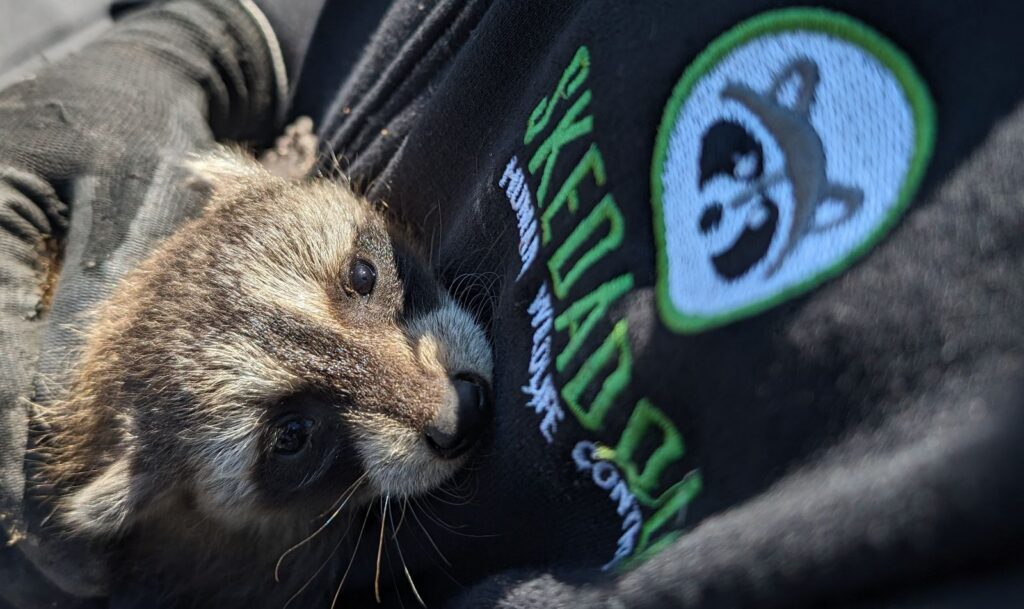
The first thing to do is call a professional. Do not try to approach, corner, or handle it yourself. Raccoons are strong, fast, and hard to predict when they feel scared. A mother with young nearby will be even more defensive. The situation is harder to deal with than it looks, and the wrong move can make things much worse.
Raccoons that get into cottages usually find their way through broken soffits, open roof vents, or gaps where the roofline meets the fascia. Once inside, they nest in the attic or walls and can cause a lot of damage quickly. They tear apart insulation, leave behind waste that creates health risks, and can harm the structure of the building.
Our team at Skedaddle handles these situations all the time across York Region and cottage country. We check the full structure, find exactly where they got in, and use our one-way door system to let them leave safely while keeping them from coming back. Once the space is clear, we seal everything for good. You should not go near the nesting area or any part of the structure where they’ve been, our team takes care of all of it.
Why Cottages Are So Vulnerable
A cottage that sits empty for weeks or months at a time is one of the easiest targets around. There’s no regular foot traffic to scare these creatures off, no lights, no noise, and no one checking for damage outside. By the time you arrive for the season, whatever moved in may have been there for a long time.
The way most cottages are built adds to the problem. Older buildings often have worn soffits, aging roof vents, and wood that has gone soft after years of cold winters and wet springs. These weak spots don’t hold up well against chewing or pushing from the outside, and a determined creature will find them fast. Cottages with trees nearby also give squirrels and raccoons a direct path to the roofline from overhanging branches.
York Region cottage country sits next to forests, lakes, and conservation land full of raccoons, squirrels, bats, and mice. These creatures are always on the move, and a vacant cottage with weak spots is exactly the kind of shelter they’re looking for. Being close to natural habitat and sitting empty is what makes cottages such a high-risk target.
A Full Property Assessment
When our team arrives at your cottage, the first thing we do is a full inspection of the whole property, not just the spots that are easy to see. We check the attic, the roofline, every vent, the foundation, under decks, sheds, and every other structure on the property for signs of activity and ways they could be getting in. We look for both active problems and weak spots that haven’t been used yet. Here’s what our inspection covers:
- Full Exterior Inspection of the Roofline and Soffits: We check every spot where the roofline, soffits, and fascia meet, looking for gaps, damage, and signs of chewing or prying. These are the most common ways raccoons and squirrels get in, and many of these spots can’t be seen from the ground. Cottage rooflines in York Region often show wear from years of harsh Ontario winters, and these are the first spots that get targeted.
- Vent and Chimney Assessment: Every vent on the property — roof, bathroom, kitchen, and dryer exhaust — is checked for damage or missing covers. Chimneys without caps are looked at for signs of use and fitted with proper caps as part of our work. Plastic and louvred vent covers are easy to chew through and are one of the most common entry points our team finds at cottage properties.
- Foundation and Deck Perimeter Check: The space under decks, porches, and sheds is checked for digging, entry holes, and signs of nesting. These spots are dark, cool, and close to food — exactly what creatures look for when they want to settle in for the season. Many cottage owners have no idea something has moved under a structure until the smell or damage makes it hard to miss.
- Thermal Imaging Where Needed: In some cases, we use infrared technology to find exactly where creatures are hiding inside walls or attics. This is very helpful when young may be in a spot that can’t be reached from the outside. Finding them early means we can handle the removal the right way without the risk of trapping anyone inside.
Humane Wildlife Removal
Once our team has finished the inspection and found all the active entry points, we move into the removal phase. Every step is handled by our team, you just need to stay away from the affected areas. Here’s how we manage the removal:
- One-Way Door Installation: We install one-way door systems right at the spots where these creatures are getting in and out of your cottage. These doors let them leave on their own but stop them from getting back inside. It’s a humane process that works with the creature’s natural habits rather than against them, and it’s the safest way to clear a structure without causing harm.
- Mother and Young Reunification: If a mother and her young are found during the inspection — which happens often during spring and summer, our team handles things with extra care. Young that can’t yet move on their own are placed in a heated reunion box just outside the entry point. This gives the mother a chance to gather them and move them to a new den once she leaves through the one-way door. It keeps the family together and keeps the whole process humane.
- Final Clearance and Sealing: Once all activity has stopped and our team has confirmed the structure is empty, we move into the sealing phase. Every opening – the main entry point and every other gap found during the inspection – is closed off for good with strong materials built to last. You should never try to block an opening yourself while activity is still going on, as trapping a creature inside a wall or attic creates a bigger and more costly problem to fix.
Cleaning and Decontamination
After these creatures have been removed, the space they used needs to be properly cleaned. Droppings, urine, and nesting material can carry bacteria and parasites, cause strong smells, and create health risks if left behind. This is not something homeowners should try to handle on their own – the right gear and cleaning methods are a must.
Our team takes care of all the cleanup at your cottage. We remove all nesting material, droppings, and contaminated insulation, clean the affected area, and fix or replace damaged insulation as needed. For cottages that have been empty for a long time, the buildup can be significant, and a full cleanup is a key part of making the space safe again.
Skipping this step is a mistake many cottage owners make. Even after the creatures are gone, what they leave behind keeps causing problems – drawing in insects, creating ongoing smells, and posing a health risk to anyone in the space. Our team makes sure the cottage is clean and safe before we call the job done.
Prevention and Long-Term Protection
Getting the creatures out is only part of the solution. If the spots they used to get in aren’t properly sealed, the same problem will come back, sometimes within the same season. Our exclusion process uses heavy-gauge steel screening and strong sealants at every opening we find, not just the main entry but every gap and weak point found during the inspection. Here’s what our prevention work covers at a cottage property:
- Vent Replacement with Steel Covers: Plastic and aluminum vent covers are easy for squirrels and raccoons to chew through or pull off, especially on older cottages where the covers have already started to weaken. We replace them with heavy-gauge steel covers that hold up against pressure from the outside and don’t break down through seasonal temperature changes. This is one of the most important upgrades we make on cottage properties across York Region.
- Soffit and Roofline Sealing: Gaps along the roofline are sealed with materials that hold up through Ontario’s freeze-thaw cycles and won’t create new weak spots over time. We pay close attention to where the soffit meets the fascia, since these are the spots that open up as a cottage gets older and are often the first places raccoons and squirrels go after. Our team seals them in a way that holds no matter how much pressure comes from the outside.
- Deck and Shed Perimeter Exclusion: We install heavy-gauge mesh around the base of decks, porches, and sheds to stop digging and block access to the sheltered space underneath. The mesh is put in with ground-level digging in mind, which is the main way these creatures try to get under a structure. Once it’s in place, the perimeter is secure and doesn’t need ongoing upkeep from you.
- Lifetime Warranty on Workmanship and Materials: We stand behind our exclusion work with a lifetime guarantee on the materials and labour used to seal your cottage. If a sealed entry point is ever opened again, we come back and fix it, no questions asked. For a property that sits empty for long stretches of the year, that kind of long-term coverage matters.
Wildlife Removal and Prevention With Skedaddle
When you call our team, we take care of everything. We inspect the property, remove any creatures present, clean and decontaminate the affected areas, and seal every entry point for good – all without you having to do a thing. Cottage wildlife problems don’t go away on their own, and the longer they’re left alone, the more damage builds up and the harder the job gets.
Our team responds to cottage calls across York Region and the surrounding area. We know the weak spots that older cottage buildings tend to have, the pressure that comes from being surrounded by natural habitat, and the seasonal patterns that push these creatures toward empty structures. When you call us, you’re getting a team that knows exactly what to look for and how to fix it.
Cottage Wildlife Challenges in York Region
York Region sits right next to some of Ontario’s most active natural habitat. The forests, ravines, wetlands, and lake corridors that make cottage country so appealing are the same areas that are home to large numbers of raccoons, squirrels, bats, and mice. These creatures don’t know the difference between a main home and a seasonal property, they just look for the best shelter they can find.
Spring and early summer bring the most cottage wildlife calls as mothers look for safe, quiet spots to raise their young. Fall is the next busiest time as these creatures start searching for warm shelter before winter arrives. Cottages that sit empty during both of these periods face the highest risk, since there’s no one around to catch the problem early.
Older cottage buildings in York Region often have the exact kinds of weak spots that let creatures in – soft wood siding, old roof vents that have never been replaced, and foundation gaps that have grown wider over the years. Our team knows these buildings well and knows exactly where to look.
Frequently Asked Questions
How do I know if something is living in my cottage while I'm away?
The most common signs when you arrive are droppings near entry points, torn insulation, strong smells inside the cottage, chewed materials, or sounds coming from the attic or walls. If you notice any of these, call our team before going near the affected area.
Can bats get into a cottage the same way raccoons and squirrels do?
Yes, but they need much smaller openings. A bat can squeeze through a gap as small as a centimetre, which means the inspection for bats is more detailed than for larger creatures. Our team is experienced with bat exclusion and follows all Ontario regulations for their removal.
Is it safe to use the cottage while wildlife is being removed?
In most cases, yes, but you should stay away from the area where the one-way door is installed and avoid the nesting area completely. Our team will tell you what's safe and what to avoid during the process. If there's a lot of contamination, we may suggest staying out of certain areas until the cleanup is done.
How long does it take to remove wildlife from a cottage?
The inspection and one-way door installation can usually be done in one visit. The removal itself takes a few days since the creatures need time to leave on their own. Sealing and cleanup happen once our team confirms the structure is clear. The full timeline depends on how big the problem is.
Do I need to do anything to prepare the cottage before your team arrives?
No. Our team handles the full inspection and process. Don't try to seal any openings, move nesting material, or go near any area where you think there's activity before we arrive. Doing so can make the removal harder and could trap a creature inside.
Your Cottage Deserves Better Than a Wildlife Problem
A wildlife problem at your cottage doesn’t fix itself, and every week it goes unaddressed is another week of damage building up inside the walls, the attic, or under the deck. Chewed wiring, torn insulation, and contaminated spaces cost a lot to repair, and they only get worse the longer these creatures are left alone. The sooner our team gets in, the less there is to deal with.
Most cottage owners don’t realize how much damage has been done until they’re already standing in the middle of it. By then, the creatures have often been there for weeks or months. You don’t have to wait until it becomes a serious problem to call us, the best time to call is before you ever see a sign.
At Skedaddle Humane Wildlife Control in York Region, we handle everything from the first inspection to the final seal. Our team checks the full property, removes any creatures using our one-way door system, cleans the affected areas, and closes off every entry point for good – backed by our lifetime warranty. You don’t need to do a thing except call us. Request an estimate today and let our team make sure your cottage is protected all season long.

 Loading...