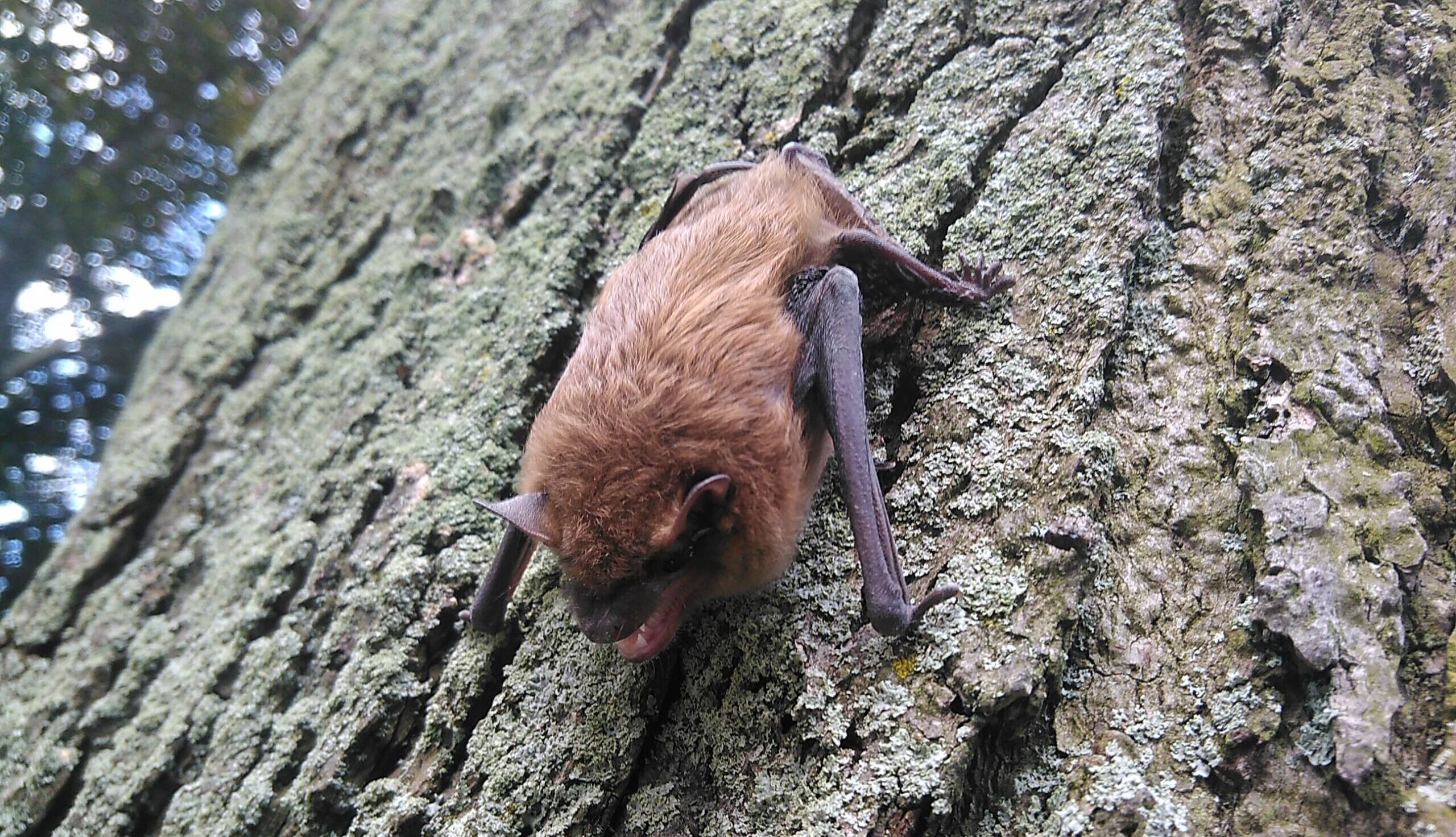
You might think opening a window and waiting for it to leave is enough. It’s not. A bat that has made its way into your living space may be part of a larger group living somewhere in your home and dealing with just the one you can see won’t solve the bigger problem. In August 2025, a jogger was bitten by a bat while running on Mount Royal, a reminder that these animals carry real health risks that shouldn’t be taken lightly. You can read more about that incident here: TVA Nouvelles — Jogger attacked by bat at Mont Royal
At Skedaddle Humane Wildlife Control in Montreal, we handle bat situations safely and completely. In this blog, we walk you through what to do in each room of your home, why you should never handle this on your own, and what our professional team does to resolve the problem from start to finish.
How Do Bats Get Into Homes?
Bats get into homes through gaps and openings that are much smaller than most people expect. They can squeeze through a crack as small as half an inch, which means even a home that looks sealed from the outside can have multiple entry points they’re using to get in. Common spots include gaps along the roofline, openings around vents and chimneys, spaces where soffits meet the wall, and cracks around windows and doors.
In Montreal, older homes are especially vulnerable. Aging rooflines, worn soffits, and deteriorating seals around vents create easy access points that these animals find quickly. Once one bat finds a way in, others follow, which is why a single bat flying through your living room is often a sign that a larger group is already living somewhere in your attic or wall cavity.
Bats are also attracted to warmth, which means they push toward homes more actively as the weather cools. Fall is one of the most common times for bat intrusions in Montreal – they’re looking for a warm place to spend the winter, and your attic fits perfectly. If you’re seeing or hearing bat activity around your home at any time of year, call our team right away. Don’t wait to see if they leave on their own – they won’t.
What to Do When a Bat Is in Your Bedroom
A bat in your bedroom is a more serious situation than one in a common living area. If you were asleep when it entered – or if you woke up to find one in the room – there is a chance of exposure you may not even be aware of. Here’s what our team does when called to a bedroom situation:
- Stay in the Room and Keep Others Out: The first step is to keep the bat contained. Close the bedroom door and keep everyone else out of the room until our team arrives. This prevents the bat from moving into other areas of the home and keeps the situation manageable. Do not open windows or exterior doors in an attempt to let it out on your own – call us first.
- Do Not Touch the Animal Under Any Circumstances: Bat teeth are very small. A bite or scratch can happen without you feeling it, especially if you were asleep. Do not pick it up, swat at it, or attempt to handle it in any way. Even brief skin contact is enough to warrant a call to health authorities. Our team uses heavy protective gloves and proper equipment to handle these animals safely.
- The Animal May Need to Be Tested: If there is any chance of contact, including waking up to find a bat in your bedroom, the animal needs to be secured for possible rabies testing. Our team can contain it properly so that option remains available. Do not let the bat leave the room before we arrive if you can help it. Call Info-Santé 811 immediately if any contact occurred and let them guide you on next steps.
- Our Team Takes It From There: Once we arrive, we assess the situation, safely contain or guide the bat out, and then inspect the full property for signs of a larger roost. A bat in the bedroom is almost never an isolated event, and finding out whether more are present is a critical part of the response.
What to Do When a Bat Is in Your Living Space
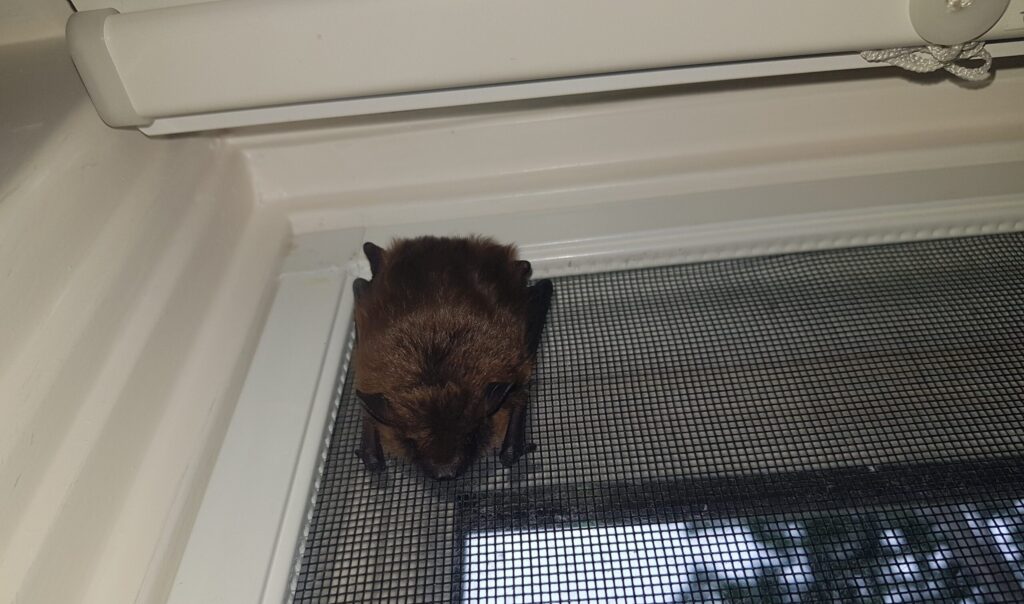
A bat flying through your living room, kitchen, or hallway is alarming, but the steps are clear. The most important thing you can do before our team arrives is contain the situation without putting yourself at risk. Here’s how our team approaches a living space call:
- Isolate the Area: Close all interior doors leading to other rooms and stuff towels under any gaps at the bottom. The goal is to keep the bat in one contained space so it doesn’t spread through the home. Keep children and pets well away from the area. The less movement and disruption in the room, the better – these animals tend to calm down when the space is quiet.
- Turn Off Ceiling Fans and Overhead Lights: Ceiling fans are a danger to a bat in flight and can injure the animal. Turning off overhead lights and leaving one lamp on near an open window can sometimes encourage the bat to move toward the light on its own, but this is not a guarantee, and you should still call our team rather than waiting and hoping it finds its way out.
- Do Not Try to Catch It Yourself: A bat that feels cornered or threatened will act defensively. Trying to catch it with a towel, box, or your hands puts you at direct risk of a bite or scratch. Even if you think you got it out safely, there’s no way to confirm whether contact occurred without professional involvement. Call our team and let us handle the containment and removal safely.
- We Inspect Beyond the Living Space: After we deal with the bat in your living area, our inspection doesn’t stop there. A bat that found its way into your living space came from somewhere and that somewhere is usually an attic, wall cavity, or roof space nearby. We check the full property so the source of the problem gets addressed, not just the symptom.
What a Professional Does When Bats Are in Your Attic
A single bat in your living space is often the first visible sign of a larger colony in your attic. Here’s what our professional team does when we find bats roosting overhead:
- A Full Attic Inspection Comes First: Our team inspects the full attic space – looking for signs of roosting, droppings, staining around entry points, and evidence of how many animals are present. This step can’t be skipped. Sealing entry points without knowing what’s inside can trap animals, including young that can’t yet fly, which creates a much worse situation than the one you started with.
- We Check for Baby Bats Before Any Exclusion Work: Summer is maternity season for bats, which means young bats that can’t yet fly may be present in the roost. Sealing the attic during this period traps flightless young inside, leading to serious odour problems and an outcome that is both harmful and harder to fix. Our team identifies whether young are present before any exclusion work begins.
- One-Way Doors Let Them Leave Safely: We install one-way exclusion valves at active entry points that allow bats to fly out at night to hunt but prevent them from getting back in. This is a humane approach that empties the roost over time without trapping any animals inside. Once we’ve confirmed the roost is empty, we seal every entry point permanently.
- Guano Cleanup Is Part of the Process: Bat droppings accumulate quickly in an active roost and carry health risks, including a fungal condition called histoplasmosis. Do not attempt to clean up droppings yourself. Our team assesses the extent of the contamination and ensures it’s dealt with properly so your attic is safe once the animals are gone.
Why You Should Never Touch, Release, or Seal on Your Own
It might feel like the right move to open a window and shoo the bat out, or to stuff a gap in your roofline once you’ve seen where it came from. Both of these instincts can make the situation much worse. Releasing a bat that may have had contact with someone in your home means losing the ability to test it for rabies, which is critical information if exposure occurred. Once it’s gone, that option is gone with it.
Sealing an entry point yourself before a professional has inspected the space is one of the most common mistakes homeowners make. If other bats are still inside when the gap gets sealed, they’re trapped. Trapped bats will push deeper into your home looking for another way out, which often means they end up in your living spaces. It also means any young in the roost are sealed in without a way to survive.
Touching a bat even briefly, even with what feels like adequate protection, carries real risk. Bat teeth are tiny, and a bite can go completely unnoticed. This is especially true if contact happened while you were asleep. The only safe approach is to keep your distance, keep others away, and call our team to handle everything from the first step to the last.
What Quebec Health Authorities Say About Bats
Quebec health authorities are clear on the risks associated with bats in the home. Bat rabies variants are found throughout the province, which means any bat that enters your home, regardless of how it got in or how it behaved, needs to be treated as a potential health risk until a professional has assessed the situation. This is not a worst-case scenario warning. It’s standard public health guidance that applies across Quebec.
If you or anyone in your home has had any possible contact with a bat, including waking up to find one in the room, you are advised to call Info-Santé 811 immediately. Health authorities may recommend post-exposure treatment depending on the circumstances. The bat itself may need to be tested, which is only possible if it has been safely contained. This is another reason why letting our team handle the situation before the bat leaves is so important.
The province’s guidance also applies to situations where bats are found in spaces where vulnerable people, including children or anyone who was sleeping, may have been present. In those cases, the threshold for seeking medical advice is lower because contact may have occurred without anyone realizing it. When in doubt, call health authorities and call our team. Acting quickly gives you the most options.
Bat Removal and Prevention with Skedaddle
When a bat has made its way into your home. Whether it’s in a bedroom, a living space, or roosting in your attic, the right response is to call our team at Skedaddle Humane Wildlife Control right away. We start with a full inspection of the property, identifying where the animal came from, whether more are present, and what entry points need to be addressed. We look at the whole picture before we do anything else.
We use one-way exclusion door systems that allow bats to leave your home on their own without being able to get back in. It’s a humane approach that empties a roost safely over time — without trapping animals inside or disturbing young during maternity season. Once the roost is fully vacated, we seal every entry point with durable materials that hold up over time.
Prevention is the final piece. After the animals are gone and the entry points are sealed, we make sure the conditions that let them in are fully addressed. Roofline gaps, worn soffits, open vents, and chimney openings all get assessed and secured. Our goal is to make sure your home stays protected, not just for this season, but going forward. We handle everything so you don’t have to touch any part of it yourself.
Frequently Asked Questions
What should I do first if I find a bat in my home?
Stay calm, keep everyone away from the bat, and call our team right away. Do not try to catch it, touch it, or let it out on your own. If any contact may have occurred, call Info-Santé 811 immediately as well.
Can one bat mean there are more in my home?
Yes, very often. A bat that appears in your living space has usually come from a roost somewhere in your attic or walls. Our team always inspects the full property after a bat call to find out whether more are present.
Is bat guano dangerous?
Yes. Bat droppings can carry a fungal condition called histoplasmosis that affects the lungs when the spores are inhaled. Do not attempt to clean up droppings yourself. Our team handles contaminated areas safely with the right protective equipment.
How do I know if a bat touched me while I was sleeping?
You may not know, and that's exactly the problem. Bat bites are very small and often painless. If you wake up to find a bat in your bedroom, treat it as a possible exposure and call Info-Santé 811 right away. Don't wait for symptoms to appear.
Can bats get in through a window screen?
A damaged or improperly fitted screen can be enough. Bats can squeeze through very small gaps, and a screen with even a small tear or gap at the edge is a potential entry point. Our team checks all windows and screens as part of a full property inspection.
When is bat season in Montreal?
Bats are most active from late spring through early fall. Maternity season - when females are raising young - runs roughly from May through August. This is the most critical period to avoid sealing entry points without a professional inspection, as young bats may be present inside the roost.
One Bat Is One Too Many — Let Our Team Handle It
A bat in your home is not something to wait out or handle on your own. The health risks are real, the chance of a larger roost is high, and the wrong response. Touching the bat, releasing it before it can be tested, or sealing gaps without knowing what’s inside can make everything worse. The right move is always to call our team first and let us take it from there.
Whether it’s a single bat in your bedroom or a colony in your attic, our team at Skedaddle Humane Wildlife Control in Montreal has the training and the tools to handle it safely and completely. We inspect the full property, remove the animals humanely, and seal your home so it stays protected going forward.
Contact us today to request an estimate and find out how we can help. You don’t have to deal with any part of this yourself; that’s exactly what we’re here for.

 Loading...