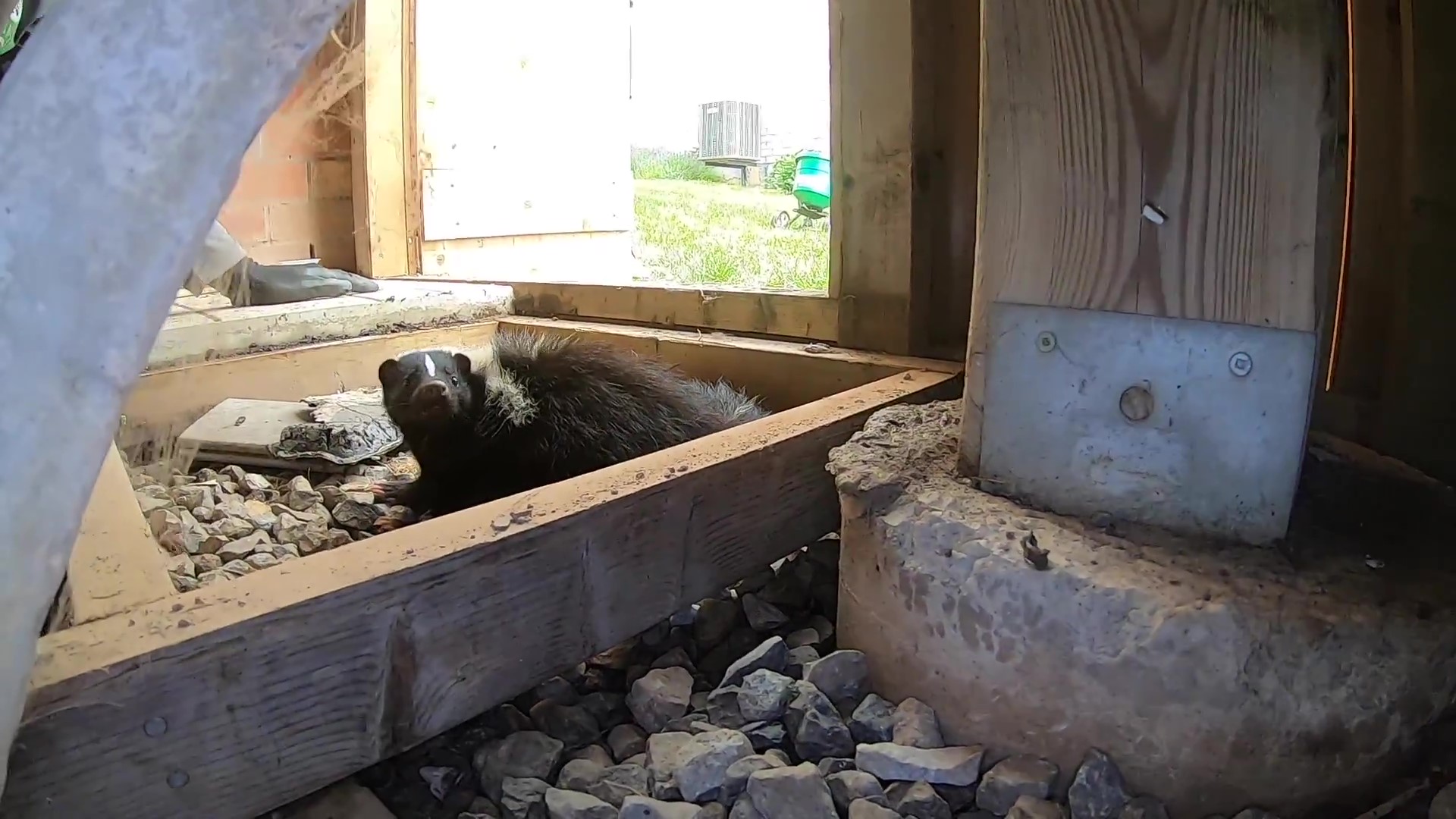
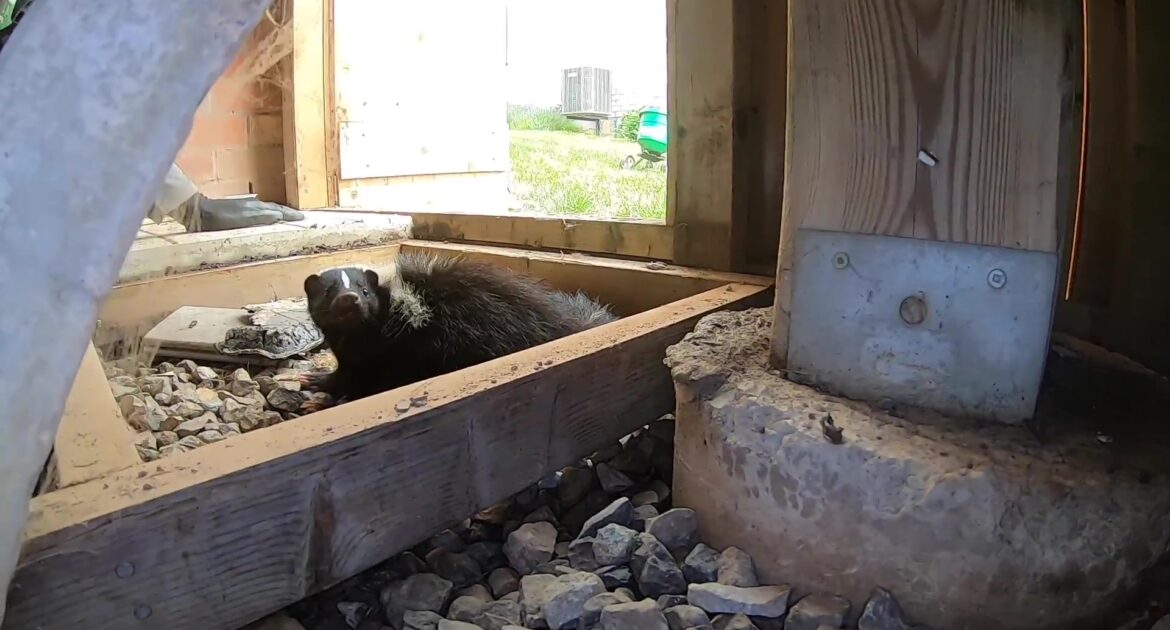
You notice signs of winter long before the coldest days arrive in Denver. The air gets sharp, the nights get quiet, and the ground freezes hard. Then you see digging under your deck, smell a strong odor near your yard, or hear soft movement under your porch.
This is often how skunk dens in Denver during the winter first show up. These animals look for warm, hidden places, and your property can give them everything they need.
You might wonder where skunks den in Denver and how they get so close without you noticing. The answer is simple: they search for warmth, shelter, and calm spaces. All the small gaps and open areas around your property become inviting once the ground freezes.
Our team at Skedaddle Humane Wildlife Control in Denver helps homeowners prevent skunk encounters in Denver all winter long, and we see the same patterns across the city.
You may also want to know how to stop these winter visitors before they settle in. Winter skunk problems in Colorado usually start with one thing: access. When an animal finds a steady food source and a safe spot to hide, it may return night after night.
This article shows you where they choose to den, why these areas attract them, how winter conditions make the problem worse, and how our professionals step in to solve the issue safely and humanely.
Why Skunks Choose Denver Properties in Winter
Denver winters push many animals to find safe, quiet shelter. These animals don’t hibernate fully; instead, they rest more often in cold months. That means they need warm, protected areas where snow and wind can’t reach them.
Winter skunk problems in Colorado happen because:
- Food gets harder to find in cold weather. Trash bins, dropped fruit, and outdoor pet food can become easy targets.
- Shelter becomes limited. Natural hiding spots fill up fast, so properties with decks, sheds, and crawl spaces become appealing.
- Frozen ground reduces digging options. When the earth freezes, animals search for man-made spaces instead of trying to dig new dens.
This combination leads to more skunk dens in Denver during the winter, especially in neighborhoods with older structures or yards with multiple hiding places.
Common Places Where Skunks Den in Denver
Skunks are low-to-the-ground animals. They look for spaces that are dark, protected, and easy to slip into without being seen. Frozen ground makes underground spaces harder to dig into, so they shift toward man-made structures.
Below are the most common den sites our team finds in Denver. Each section is about 120–150 words as requested.
1. Under Decks, Porches, and Steps
This is the top den site we see across the city. Decks and porches provide perfect conditions: they are dark, dry, quiet, and protected from wind. As snow builds up around the edges, the space underneath stays insulated. That means an animal can remain hidden and warm without digging anything new.
In many homes, gaps between boards, open latticework, and missing skirting allow easy access. Once inside, a skunk may stay for days or weeks, especially during colder stretches. Frozen ground around the porch can also make it harder to notice burrowing or entry holes.
During the winter, these spots become more appealing because people spend less time outside. Limited activity gives animals extra confidence that the space will stay undisturbed, turning it into a long-term den site.
2. Beneath Sheds and Backyard Structures
Sheds, storage units, and detached garages create ideal winter shelter. These structures often sit on cement blocks or raised frames, leaving gaps underneath. Snow drifts around these edges create windbreaks, trapping heat inside the small space beneath.
Skunks are attracted to sheds because yard tools, bins, and gardening supplies often line the walls. These items create shadows and soft corners where animals can nest. Many sheds also have loose boards or soil erosion around the foundation, making the underside easy to enter.
Winter skunk problems in Colorado commonly begin when a homeowner notices a small opening near a shed but doesn’t think it’s important. By the time odors or noise show up, the den is already established. These spaces can be challenging to inspect safely without proper equipment, which is why you should always rely on trained professionals.
3. Crawl Spaces and Foundation Gaps
Crawl spaces are warm and protected, which makes them high-value targets. Any gap around the edge of a home, especially older homes, can become an entry point. Cold weather makes these issues more noticeable because animals follow warm air leaking from the foundation.
Crawl spaces are also close to food sources such as trash bins or gardens, making these areas even more appealing. Once inside, the animal has stable shelter, calm surroundings, and a place to stay hidden during storms.
Frozen soil can widen small cracks in a foundation. Ice expands inside gaps, loosening materials, and creating perfect paths for access. That’s why many skunk dens in Denver during the winter begin at the base of a house rather than in a yard or shed.
4. Brush Piles, Wood Piles, and Natural Cover
Not all den sites are man-made. In yards with heavy landscaping, wood piles or thick brush can create excellent hiding spots. Snow on top of these piles adds extra insulation, making the interior warmer than the open yard.
Animals use these piles as temporary dens when weather shifts quickly. Because many homeowners avoid disturbing these areas in winter, the space can stay occupied without anyone noticing. This becomes a bigger problem if the animal starts moving toward your home in search of more reliable shelter.
Denver’s changing temperatures cause frequent freeze-and-thaw cycles. These cycles weaken outdoor structures and create even more natural hiding places over time. This leads to winter skunk problems in Colorado in unexpected corners of the yard.
How Winter Conditions Make Den Problems Worse
Winter doesn’t just encourage denning, it intensifies the issue. Snow, ice, and cold weather hide signs of activity and make it easier for animals to move around without getting noticed.
Here are the major winter conditions that lead to increased encounters, each with 2–3 sentences as required:
- Snow Cover Hides Entry Points: Snow around your home can bury openings, holes, or weak spots under several inches of cover. This hides the signs that animals are coming and going. By the time the snow melts, the den could already be active.
- Frozen Soil Makes Digging Harder: When the ground freezes solid, animals stop trying to dig new burrows. Instead, they search for open areas under man-made structures. This pushes them closer to homes.
- Food Scarcity Pushes Them Near Homes: Winter limits natural food sources. Trash bins, outdoor feeding bowls, and compost areas become easy targets. Reliable food sources can keep animals on your property long-term.
- Quiet Yards Increase Confidence: People spend less time outdoors during cold months. That means the yard stays quiet, making animals feel safe. With fewer disturbances, dens form quickly and go unnoticed.

How Our Team Helps Prevent Winter Encounters
Skedaddle never asks you to remove animals or block entry points on your own. Winter dens can be active, hidden, or deeper than they look. Our service focuses on safe removal using one-way doors that let animals leave while preventing return, plus long-term exclusion to stop future access.
Our process includes:
- Full Home and Property Inspection: We check every structure, foundation, deck, shed, and yard feature for openings. Winter conditions often reveal patterns quickly.
- Humane Removal with One-Way Doors: This lets the animal exit safely without harming it. Once gone, the entry point is secured to stop re-entry.
- Professional-Grade Sealing and Protection: We use durable materials designed for winter conditions. These materials stay secure even in freeze-thaw cycles.
- Clearing and Securing Vulnerable Areas: Our team identifies places where warm air leaks or where materials have weakened. Fixing these reduces future activity.
These steps help prevent skunk encounters in Denver and protect your home throughout the winter season.
Choose a Safer, Skunk-Free Winter
Skunk dens in Denver during the winter often begin quietly under steps, behind sheds, or near crawl spaces. Small openings, cold weather, and easy food sources work together to attract animals to your property. When you want to prevent skunk encounters in Denver and avoid larger winter skunk problems in Colorado, professional help is the safest and most reliable choice.
Request an estimate to learn more. Our team at Skedaddle Humane Wildlife Control in Denver is ready to inspect your property, remove animals humanely, and secure your home against future visits so you can enjoy a safer winter.

 Loading...