




Wildlife problems are a common concern for homeowners and business owners across Durham Region, including Oshawa, Whitby, Ajax, Pickering, Bowmanville, Courtice, Uxbridge, and Port Perry. Attics, roof vents, garages, sheds, porches, and decks can all attract raccoons, squirrels, skunks, birds, and other wildlife looking for warmth and shelter. Once inside, these animals can cause noise, contamination, damage, and disruption.
Skedaddle Humane Wildlife Control provides humane wildlife removal in Durham Region, along with cleanup and exclusion services designed to solve the problem and help prevent animals from returning. Our team uses a property-specific approach based on the species, the season, and the condition of the structure.
Why Use Professional Wildlife Removal Services in Durham?
Professional wildlife removal services in Durham help protect homes and businesses from damage, contamination, and repeat animal intrusions. Wildlife problems are rarely solved by simply getting the animal out. In many cases, there are babies present, hidden entry points, nesting debris, droppings, and structural vulnerabilities that need to be addressed at the same time. A professional wildlife removal team can identify how animals are getting in, remove them humanely, clean affected spaces, and help prevent the same issue from happening again.
For property owners, this matters if the area has a mix of older homes, newer subdivisions, commercial properties, and green space, which creates ideal conditions for year-round wildlife activity. Humane, professional removal offers a more complete and dependable solution than temporary fixes or one-time trapping.
Common Wildlife Problems in Durham Region
Wildlife problems in Durham Region change with the seasons, influenced by temperature, nesting behaviour, and the availability of food and shelter. The region’s mix of residential, commercial, and rural properties creates ideal conditions for raccoons, squirrels, skunks, bats, birds, and mice.
In spring and summer, animals seek safe nesting spaces in attics, soffits, vents, and garages. In fall and winter, cold weather drives them indoors for warmth. Once inside, they can cause damage by leaving droppings, ruining insulation, and creating noise.
Skedaddle offers a complete solution by humanely removing wildlife, cleaning up the mess, and securing your property to prevent future intrusions.
Some of the most common wildlife problems we see in Durham Region include:
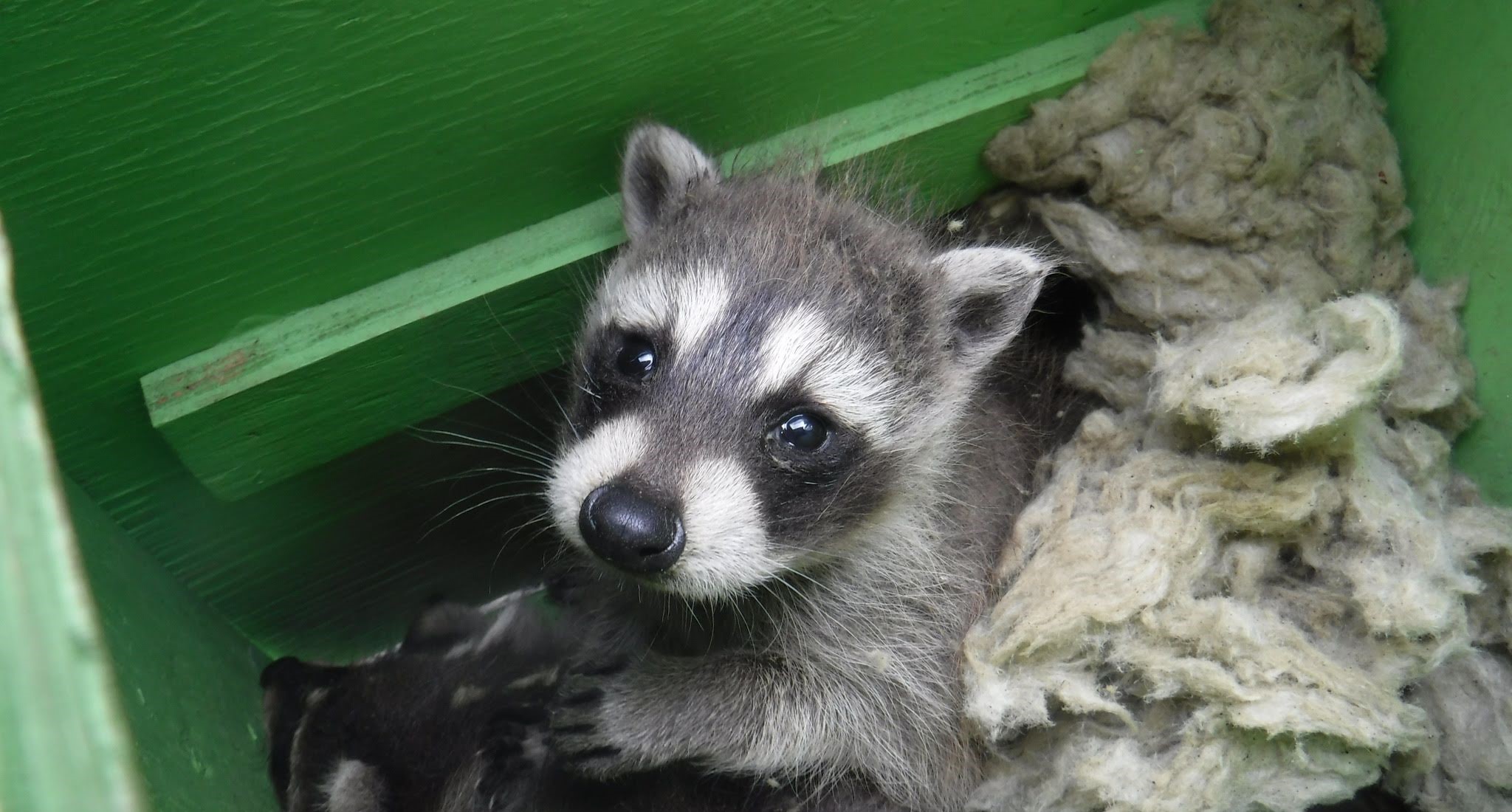
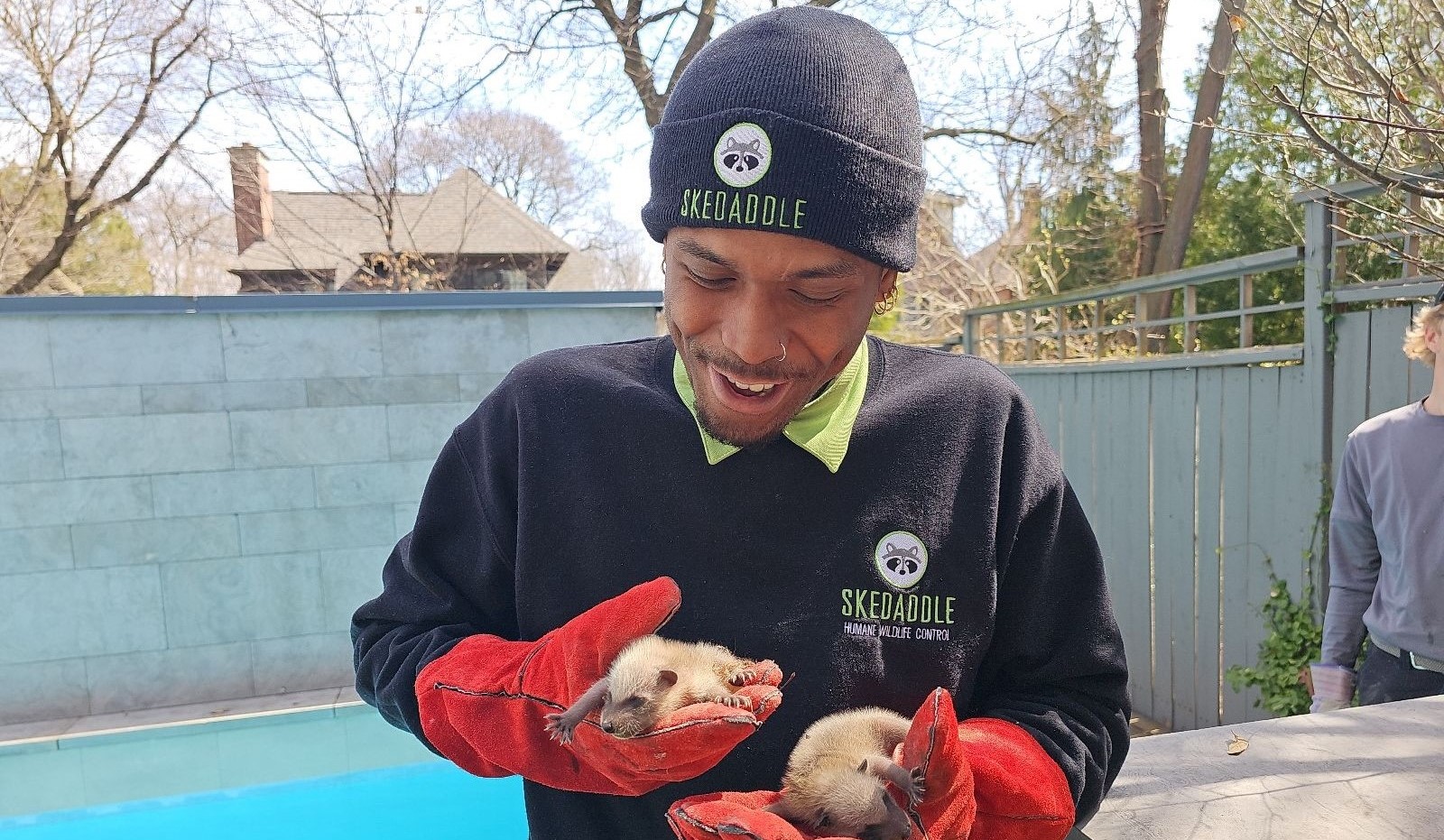
- Raccoon removal: Raccoons frequently break into attics through roof vents, soffits, shingles, and weak roof areas, especially during baby season when females are searching for a den site.
- Squirrel removal: Squirrels often chew into roof edges, attic spaces, and soffits, creating noise, damaging insulation, and increasing the risk of further structural wear.
- Skunk removal: Skunks commonly dig under decks, porches, sheds, and steps, leaving behind strong odours and creating concerns for pets, families, and nearby businesses.
- Bat removal: Bats may roost in rooflines, vents, and wall spaces, where droppings and staining can build up over time and point to a larger hidden issue.
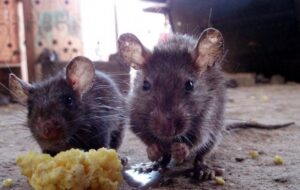
- Mouse removal: Mice can enter through very small gaps around foundations, doors, siding, and utility openings, then spread quickly through kitchens, basements, walls, storage areas, and workspaces.
Property owners should watch for warning signs such as scratching overhead, droppings, strong odours, digging near the foundation, disturbed insulation, greasy rub marks, or animals repeatedly appearing around the same part of the structure. These are often early signs of an active wildlife problem that needs professional attention before it becomes more serious.
How Wildlife Activity Changes Throughout the Year
Wildlife activity in Durham Region changes throughout the year, and each season brings different pressures for homes and businesses. Understanding those seasonal patterns can help property owners spot issues earlier and respond before minor entry points turn into larger infestations.
Spring Wildlife Activity
Spring is one of the busiest times of year for wildlife removal in Durham Region. As temperatures rise, many animals begin searching for safe, quiet places to nest and raise their young, which often brings them closer to homes and commercial buildings. Attics, soffits, chimneys, roof vents, sheds, and spaces under decks all provide the kind of shelter wildlife looks for during this season.
Raccoons are especially active in spring and often move into attics during baby season, while squirrels begin nesting in soffits, rooflines, and wall cavities. Skunks may settle under porches, stairs, sheds, and decks, and birds become more active around vents, roof edges, and ledges as they search for sheltered nesting spots close to food.
For homeowners and business owners, spring wildlife activity may show up as scratching, thumping, or movement in the attic, chirping or fluttering sounds in vents or roof spaces, digging near the foundation, or repeated animal activity around the same entry point. You may also notice visible nesting material near vents, soffits, or rooflines.
Spring wildlife problems need careful handling because baby animals may be present, and removal should never separate dependent young from their mother or overlook hidden nesting areas inside the structure. Skedaddle uses humane wildlife removal methods, carefully checks for babies, removes animals safely, and helps clean and secure the space so the problem does not continue through the rest of the season.
Summer Wildlife Activity
Summer remains active for wildlife in Durham Region as young animals begin moving beyond the nest. Homeowners may notice continued activity around rooflines, sheds, decks, and garages, while businesses may see more bird and rodent pressure around rooftops and service areas. Raccoons and squirrels become more mobile, skunks continue using sheltered spaces under structures, and bats may be more noticeable near roof gaps. Summer is a good time to address vulnerabilities before cooler weather increases indoor wildlife activity.
Fall Wildlife Activity
Fall is when many animals begin searching for warm, protected shelter. Small gaps around the home or business can quickly become entry points for squirrels, mice, rats, raccoons, and bats. Property owners may notice more activity around rooflines, attics, foundations, garages, and utility openings. This is one of the most important times of year for wildlife prevention and exclusion work.
Winter Wildlife Activity
Winter often brings less visible outdoor activity, but animals that have already entered a structure may remain active inside. Homeowners and business owners may notice noises in walls or ceilings, droppings in storage or utility areas, lingering odours, or signs of hidden nesting and insulation damage. Winter wildlife problems can easily carry over into spring if they are not addressed properly, which is why early action matters even during colder months.
Why Choose Skedaddle Humane Wildlife Control in Durham?
Homeowners and business owners across Durham Region need wildlife removal that goes beyond getting animals out. They need humane solutions that address entry points, contamination, and the risk of repeat problems.
- Humane wildlife removal for Durham properties — Skedaddle removes raccoons, squirrels, skunks, bats, birds, and mice using methods designed to protect both the animals and the property.
- Service built around real wildlife behaviour — Whether it is raccoons denning in attics, squirrels chewing soffits, or skunks under decks, our team understands how local species enter and settle in.
- Complete cleanup and prevention — We do more than remove wildlife by addressing contaminated insulation, droppings, nesting debris, and vulnerable areas that can lead to future infestations.
- Protection for homes and businesses — From family homes in Whitby and Ajax to commercial properties in Oshawa and Pickering, Skedaddle provides customized solutions for different structures and risks.
- Long-term results, not temporary fixes — Our exclusion-focused approach helps keep wildlife out for good, giving Durham property owners a more dependable solution than short-term patch jobs.

What to Expect from Our Humane Wildlife Removal Service
Wildlife problems in Durham Region often begin with a small entry point, hidden nesting activity, or subtle signs that an animal has made its way inside. Skedaddle’s humane wildlife removal process is built to do more than remove the immediate problem. It helps homeowners and business owners identify how wildlife got in, deal with contamination and damage, and protect the property against future animal intrusions.
1. Inspect & Remove
Every wildlife removal service starts with a detailed inspection of the property. Our team identifies the species involved, the areas being used, and the entry points that allowed the animal to get inside. In Durham Region, wildlife often enters through roof vents, soffits, fascia, chimneys, attic edges, deck gaps, foundation openings, and other weak areas around the structure.
This step matters because each species behaves differently. Raccoons, squirrels, skunks, bats, birds, and mice all interact with buildings in their own way, and the removal strategy needs to reflect that.
During the inspection, we look for:
- active entry points and visible damage
- nesting or denning areas inside the structure
- signs such as droppings, scratching, odours, and staining
- species-specific patterns that affect removal
- the presence of babies during spring and summer
Skedaddle uses humane wildlife removal methods based on the species and situation. Rather than relying on temporary solutions, we focus on safe, thorough removal that reduces stress on the animals and prepares the property for long-term protection.
2. Clear & Clean
Once the animals have been removed, the next step is dealing with what they leave behind. Wildlife inside a home or business can result in contaminated insulation, droppings, urine, nesting debris, odours, and damage to the affected area. These issues can continue long after the animal is gone if they are not cleaned properly.
For property owners in Durham Region, cleanup is an essential part of professional wildlife control because removal alone does not solve the full problem. Contaminated spaces can continue to smell, attract other pests, and create unhealthy or unpleasant indoor conditions.
Our clear and clean steps may include:
- removing nesting debris and animal waste
- identifying insulation damaged by wildlife activity
- cleaning contaminated areas where animals lived or travelled
- addressing odours linked to droppings and urine
- helping restore the affected space after an infestation
This step helps create a cleaner, safer environment while reducing the scent trails and nesting cues that can attract wildlife back to the same area.
3. Prevent & Protect
Long-term wildlife control depends on stopping animals from getting back in. After removal and cleanup, Skedaddle focuses on prevention by sealing and reinforcing the vulnerable areas that wildlife used or may target next. This is one of the most important parts of the process because it helps protect Durham Region homes and businesses from repeat infestations.
Wildlife prevention is never one-size-fits-all. A squirrel problem may point to damaged soffits or roof edges, while a skunk issue may involve open space under a deck. Mice may be entering through tiny gaps around utilities or the foundation, and raccoons may exploit weak vent covers or roofline openings.
Common areas we help protect include:
- roof vents and attic access points
- soffits, fascia, and roof intersections
- gaps around decks, porches, and sheds
- openings near foundations and utility lines
- other weak spots vulnerable to repeat entry
By combining humane removal, cleanup, and exclusion, Skedaddle gives homeowners and business owners in Durham Region a more complete wildlife removal service. The goal is not just to remove the animal, but to help keep the problem from coming back.

Local Health & Safety Risks in Durham Region, Ontario
Wildlife problems in Durham Region are not just a nuisance. They can also create real health and safety concerns for homeowners, tenants, staff, and customers. When animals live inside or too close to a building, the risks can include disease exposure, droppings, parasites, strong odours, contaminated insulation, and unsafe contact with frightened or defensive animals.
Some of the most important concerns include:
- Rabies and disease exposure — Bats, raccoons, skunks, and other wild animals can create serious health concerns if bites, scratches, or saliva exposure occur.
- Droppings and parasites — Wildlife droppings in attics, crawl spaces, wall voids, and storage areas can contribute to contamination and should be handled with care.
- Attic contamination and damage — Nesting debris, urine, and damaged insulation can affect indoor comfort, cleanliness, and air quality.
- Bites, scratches, and direct contact — DIY wildlife removal can increase the risk of direct exposure, especially if baby animals are present or the animal feels trapped.
That is why professional, humane wildlife removal matters. Skedaddle helps Durham Region homeowners and business owners remove animals safely, address contaminated areas, and secure entry points to reduce the risk of repeat wildlife problems and unnecessary exposure.
Protect Your Home with Humane Wildlife Removal
Wildlife may belong in nature, but when animals enter your home or property they can cause serious damage and health risks. At Skedaddle Humane Wildlife Control, we specialize in safe, effective, and 100% humane wildlife removal that protects both your family and the animals.
Our trained technicians use proven exclusion techniques to remove wildlife, secure entry points, and prevent future infestations — all without harming the animals. From raccoons and squirrels to bats and birds, our team has the expertise to handle wildlife issues quickly and responsibly.
If you’re hearing scratching in the attic, seeing signs of wildlife activity, or simply want peace of mind, our team is here to help. Contact Skedaddle today to schedule your inspection and take the first step toward a wildlife-free home.
Discover More Wildlife Control Insights
Preparing For Summer: Is Your Business Wildlife Proof?
How Does Skedaddle Remove Birds’ Nests From A House?