You may notice more raccoons, squirrels, and mice around your roof, yard, garage, or foundation as Durham Region grows. New construction can change the paths they use, while ravines, parks, tree lines, and hydro corridors still connect local communities. These animals may travel closer to homes while looking for food, water, and shelter.
Seeing one outside does not always mean it has entered your home. You may have a problem when they keep returning to the same soffit, chimney, roof corner, garage, or foundation gap. Sounds inside the house, droppings, stains, damage, and strong odours can also point to indoor activity.
At Skedaddle Humane Wildlife Control in Durham Region, we inspect your home and property for you. You should not climb onto the roof, enter an affected attic, touch droppings, or seal a possible entrance. In this blog, we explain how local growth and seasonal changes affect activity and how our team provides humane removal and long-term prevention.
Why Are There More Wild Animals in Neighbourhoods?
There are more encounters because growing communities overlap with established travel routes, while properties offer shelter, food, and water. Construction may divide outdoor spaces without stopping movement through the wider area. These animals may adjust by travelling through streets, yards, fences, and rooflines.
Durham Region is one of Canada’s fastest-growing regions. Its population rose by an average of 2.55 per cent each year from 2021 through 2025 and may reach 1.3 million by 2051. More housing and roads will keep reshaping the places where developed and green areas meet.
Growth alone does not create an indoor problem because a passing visitor still needs an opening. Damaged soffits, chimneys, vents, foundations, and utility gaps can provide one. Our team determines whether these animals are passing through or using the structure.
Residential Growth Changes Established Travel Routes
New homes and roads can change long-used paths. Remaining green strips and property edges may become new routes, bringing activity into recently built neighbourhoods.
- Construction Near Existing Communities: Land clearing and building work can change places used for cover or travel. Activity may shift toward neighbouring properties during or after construction. One sighting does not confirm entry, but repeated movement toward one building feature deserves professional assessment.
- Expanding Community Edges: New subdivisions often meet fields, woods, or older streets along a clear boundary. These edges place homes near routes that continue beyond the development. A property becomes vulnerable only when an accessible opening is present.
- Changed Drainage and Ground Cover: Development can alter plants, surface water, soil levels, and available cover. Movement may shift toward drainage routes, fences, retaining walls, and landscaped edges. We consider these features without treating them as proof of entry.
- Temporary Construction Gaps: Construction or renovations may leave unfinished vents, roof edges, utilities, and wall openings. Nearby finished houses may also experience added outdoor movement. Do not enter a work area or inspect a high opening; our technicians can assess whether the signs point to entry.
Neighbourhoods Provide Food, Water, and Shelter
Developed areas provide resources during every season. Garbage areas, gardens, water, and sheltered spaces can bring movement close to a weak point in the exterior.
- Garbage and Food Waste: Collection areas, spills, and shared waste spaces can draw raccoons and mice through several properties. They may feed in one location while sheltering elsewhere. Our inspection looks beyond the first sighting to understand the wider route.
- Gardens and Landscaped Areas: Gardens, fallen produce, and thick plants can support feeding or covered movement. Squirrels may cross above these areas, while mice remain near ground cover. Entry still depends on whether the house contains a usable gap.
- Water Around Developed Properties: Ponds, drainage areas, pools, and standing water can influence travel across several yards. Rain or dry periods may change which sources remain useful. Regular movement beside the same wall or roof section deserves professional attention.
- Dry Building Spaces: Attics, chimneys, walls, garages, and foundations may offer shelter from harsh weather. A loose vent, damaged soffit, chimney, or foundation opening can make the space accessible. Enclosed cavities may carry activity far from the entrance, so inspection must come before sealing.
Wooded Corridors Keep Durham Communities Connected
Durham Region includes neighbourhoods, rural land, ravines, parks, and wooded property lines. Green corridors connect larger spaces, so a route behind your yard may continue through several neighbourhoods. Rivers, creeks, roads, rail lines, and other physical features also help shape how communities are connected and divided across the region.
Squirrels can move through trees, fences, sheds, and rooflines, while raccoons may follow creek edges and drainage routes. Mice stay closer to sheltered foundations, walls, plants, and utilities. All three can adapt when a route becomes more developed.
You cannot identify a whole route by watching one yard. Movement may cross several properties without indoor entry. We examine the surroundings and building together so a green corridor does not lead to the wrong conclusion.
Different Species Use Residential Areas in Different Ways
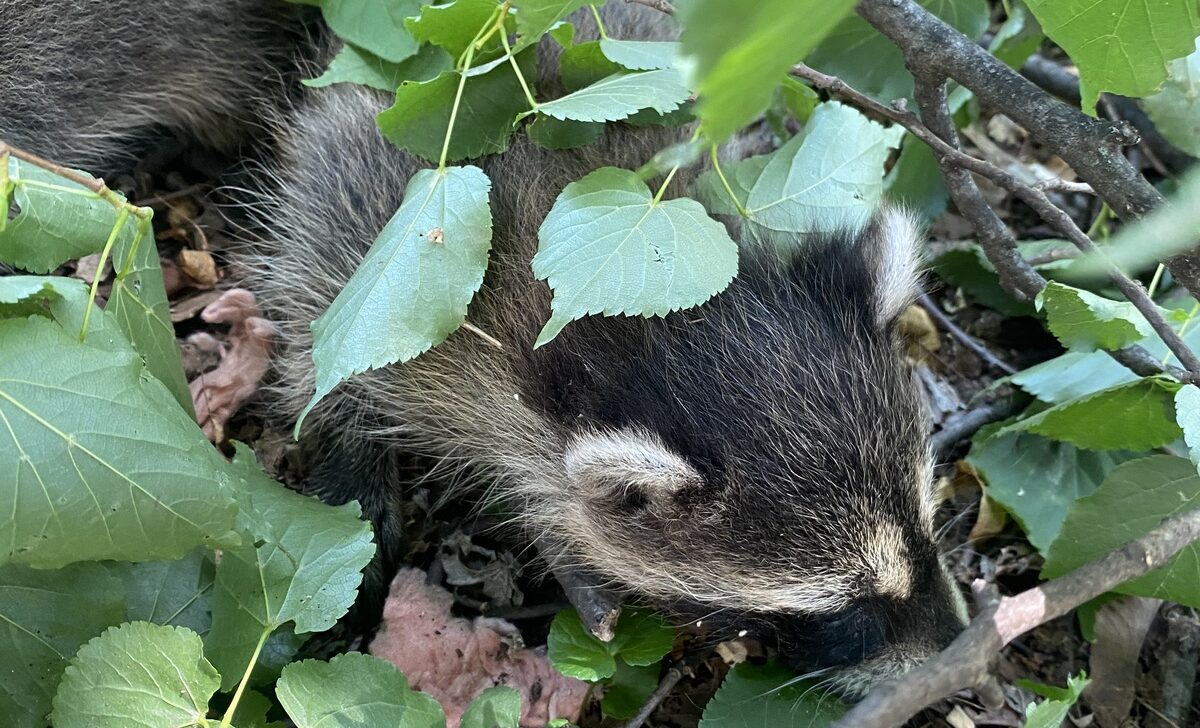
Raccoons can follow fences, trees, downspouts, garages, and lower roofs. They may focus on soffits, chimneys, vents, or weakened edges when seeking shelter. Night movement or repeat climbing may point to an entrance. Our team checks for access and dependent young.
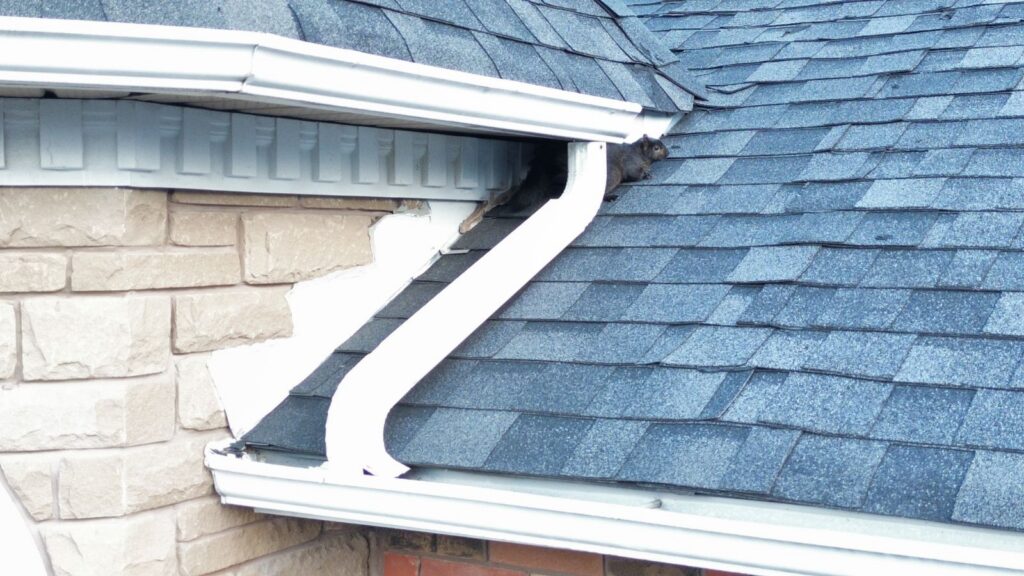
Squirrels use branches, utilities, fences, sheds, and rooflines to travel above ground. Nearby structures can form several short steps toward a roof. Loose fascia, soffits, vents, and worn edges may provide access. Daytime movement offers a clue, but inspection must confirm occupancy.
Mice approach foundations, garages, doors, siding, and utility openings, although they can climb higher. A tiny entrance may lead into a hidden wall or floor system. Droppings do not reveal where the exterior route began. We follow the evidence instead of assuming the closest gap is active.
Seasonal Changes Shift Activity Toward Homes
Movement changes with temperature, shelter, food, and breeding needs. A quiet route may become useful in another season, affecting how we plan removal.
In spring and early summer, raccoons and squirrels may seek shelter for their young. Dependent young can remain hidden after the adult leaves. A professional must identify the family and life stage before removal begins. Skedaddle’s technicians are trained to locate young in difficult areas and use humane methods that account for the family.
Fall and winter can increase interest in dry spaces as outdoor shelter becomes less reliable. Mice may use foundation gaps, while squirrels and raccoons focus on roof openings. Storm damage, ageing materials, or past repairs may have already created a route.
Summer movement also changes with food, water, heat, and dry conditions. Encounters can therefore happen throughout the year.
Signs That Outdoor Activity Has Reached the Building
Seeing raccoons, squirrels, or mice outdoors can be normal in a region with connected green areas. Concern rises when the movement becomes focused on one section of your home or when evidence begins appearing indoors. You can report what you observe from a safe living area, but our technicians should investigate the source.
- Repeat Visits to One Location: Regular activity near a soffit, vent, chimney, roof corner, garage edge, or foundation gap may point to an entrance. One crossing does not prove that the building is occupied. Repeated attention to the same feature provides stronger evidence. Our team checks the opening and the spaces connected to it.
- Sounds Inside Walls or Ceilings: Scratching, running, gnawing, chirping, or heavier movement may come from attics, walls, ceilings, and chimneys. Framing can carry sound into a different room, making the source difficult to judge. The time and weight of the movement may provide useful clues without confirming the species alone. We compare the sounds with physical evidence during the inspection.
- Exterior or Interior Damage: Loose soffits, damaged vents, disturbed flashing, chewed materials, and foundation gaps can reveal a possible route. Indoor damage may include affected insulation, stored materials, packaging, wood, or wiring. The visible damage may represent only one part of a larger path. You should not climb, open a wall, or disturb the affected area yourself.
- Droppings, Stains, or Odours: Waste, dark marks, nesting material, and unusual smells may point to hidden activity. The strongest odour may not identify the entrance because air moves through walls, ceilings, and ducts. You should not touch, sweep, vacuum, or clean these materials. Our team determines whether professional cleaning, sanitizing, or damaged material removal is required.
Durham Region’s Growth Makes Property-Specific Assessment Important
Durham Region ranges from dense streets to rural edges. A ravine property may see different activity from a new subdivision or mature neighbourhood. The setting shapes likely routes, but the building determines whether entry occurs.
Growth will bring more development to green edges, but conflict is not unavoidable. Homeowners may simply notice routes changing around new roads and buildings.
You need a property-specific assessment. We consider the home’s age, exterior, landscape, nearby construction, damage, and indoor evidence. This local view separates an outdoor crossing from a problem requiring professional service.
What to Know: Wildlife Removal and Prevention
Our professional wildlife team begins with a detailed assessment of the building and surrounding property. We inspect rooflines, vents, soffits, chimneys, garages, foundations, utility openings, attics, and other possible travel routes. You do not need to climb, enter confined areas, open walls, or disturb contaminated materials.
We identify the species, active entrance, occupied space, damage, nesting area, and presence of dependent young. We also assess droppings, stains, odours, and affected building materials without asking you to touch or clean anything. These findings allow us to choose a humane process that fits the specific situation.
When appropriate, our one-way doors allow wildlife to leave but prevent re-entry. Once the space is empty, our technicians provide professional cleaning and sanitizing where needed, repair damage within the service plan, and secure vulnerable openings with durable materials. Inspection, removal, cleanup, and exclusion work together to resolve the current issue and reduce the chance of another entry.
Frequently Asked Questions
Does seeing a raccoon in my yard mean it lives in my home?
No, a raccoon may simply be travelling between food, water, and outdoor shelter. One sighting in the yard does not confirm that an attic, chimney, or garage is occupied. Repeat roof visits, indoor sounds, staining, odours, or visible exterior damage provide stronger evidence of entry. Our technicians can inspect the structure and determine whether the route continues inside.
Why do squirrels keep returning to the same roof?
A roof may form part of a regular travel route, or it may contain an opening that deserves attention. Nearby branches, fences, sheds, garages, and utility paths can guide squirrels toward the same area each day. Repeated movement near one vent, soffit, or fascia edge may be more important than general activity across the roof. Our team checks whether they are passing over the building or entering it.
How do mice enter homes in growing neighbourhoods?
Mice use small gaps near foundations, garages, doors, siding, utilities, and exterior joints. Construction, soil movement, weather, and unfinished or ageing seals can create openings that are hard to notice. Once inside, they may travel through walls, floors, and cabinets before leaving signs in a living area. A professional inspection must trace those signs back to the exterior route.
Are encounters more common during fall and winter?
Cold and wet weather can increase interest in dry, protected building spaces, so some problems become more noticeable during fall and winter. However, activity can occur during any season because breeding needs, food, water, heat, and construction also affect movement. Spring may bring searches for protected nesting areas, while summer can change feeding and water routes. The season provides context, but the physical evidence must guide the response.
Can new houses have entry problems?
Yes, because a newer building may still contain gaps around utilities, roof vents, garage edges, siding, or unfinished construction details. Materials can also shift after the house settles, while nearby building activity changes outdoor routes. A recent construction date does not guarantee that every exterior connection is secure. Our technicians assess the actual structure rather than making decisions based only on its age.
Should I seal an opening after seeing activity?
No, not until our professionals confirm that the space is empty and identify how the opening is being used. Occupants or dependent young may remain inside, and early sealing can trap them or push movement into another part of the building. The visible gap may also be only one of several routes. Humane removal must happen before active and vulnerable openings receive permanent exclusion work.
Keep Durham’s Outdoor Activity Outside Your Home
Durham Region continues to grow, and new construction can change the routes used by raccoons, squirrels, and mice. Parks, ravines, wooded areas, and neighbourhood resources can also bring these animals closer to your property. Outdoor movement becomes an indoor problem only when there is an opening into your home.
You should watch for repeat visits, sounds inside walls or ceilings, damaged materials, droppings, stains, and unusual odours. Do not climb onto your roof, enter an affected attic, touch waste, or seal a possible entrance. Our team will identify the species, entry point, occupied space, and presence of dependent young before removal begins.
At Skedaddle Humane Wildlife Control in Durham Region, we complete the inspection, humane removal, professional cleanup, and prevention work for you. Our team checks your home and the surrounding property so we can recommend the right solution. Contact us to schedule a professional assessment or request an estimate to learn more about keeping Durham’s outdoor activity outside your home.

 Loading...